


Filters and Categories
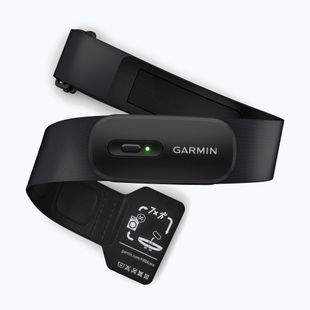
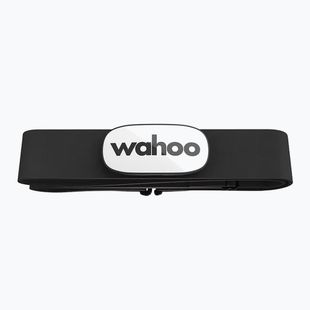



Bike sensors on offer at the Sportano shopBike sensors are a revolution in the world of cycling, both recreational and sportive. Thanks to them, cycling has become more conscious and training has become better adapted to the individual needs of the cyclist. Today's sensors offer the possibility to monitor many aspects of a ride, from basic parameters such as speed or distance to more advanced ones such as heart rate or power generated during pedalling. This allows cyclists to tailor their training to their current performance and goals.
At Sportano, we offer high-quality cycling sensors from renowned manufacturers such as Lezyne, VDO, Wahoo and iGPSPORT.Types of sensors: from heart rate to powerModern technology has transformed the world of cycling, offering cyclists a wide range of sensors to suit a variety of training needs and specifications. Among these devices are several that have become essential for professional cyclists and those who want to take their form to the next level.
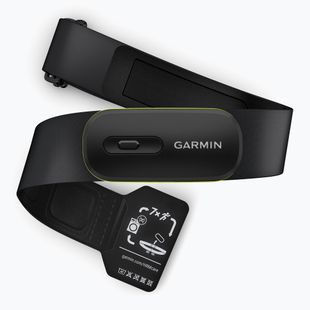
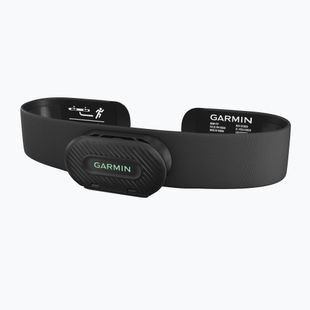
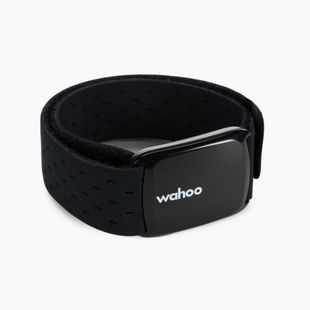
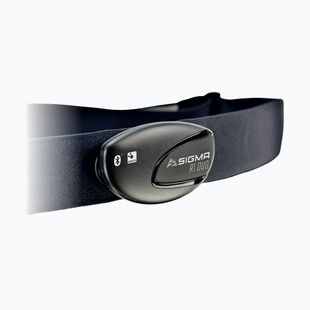
The heart rate sensor has become one of the essential tools for many riders. It measures the frequency of the heartbeat in real time, allowing the cyclist to adjust the intensity of training to the body's current capabilities. By monitoring heart rate during the ride, the cyclist can work within specific heart rate zones, which is key to optimising training and improving performance.
Cadence sensors focus on pedalling technique, measuring the number of pedal revolutions per minute. Correct cadence is important for riding efficiency and minimising fatigue. This allows riders to train in a way that promotes optimal pedalling techniques, resulting in better performance.
The power sensor is a little more sophisticated and measures the amount of energy produced by the rider during the ride. This is a key indicator for professional cyclists and those who are training for specific races or who want to know exactly their performance. Measuring power allows training to be fine-tuned to the cyclist's individual capabilities, as well as tracking progress over time.
In a digital age where data is key, cycling sensors offer riders the tools they need to monitor, analyse and improve their training. From simple heart rate monitoring, to analysing pedalling technique, to advanced power measurements, choosing the right sensor can make a significant difference to the quality of training and performance on the bike.GPS sensors: navigation and route trackingModern cycling, both amateur and professional, is increasingly benefiting from technologies that make it easier to navigate and track the route taken. GPS sensors have become one of the most popular devices in this category. They give cyclists the ability to pinpoint their location on a map in real time, which is invaluable for long cycling trips into unfamiliar areas. But that's not all. Advanced GPS sensors can also track the exact route of a ride, recording every kilometre ridden, which is particularly important for those who want to analyse their routes, measure their progress or share their trips with others.
The use of GPS technology in cycling is not just a question of navigation. It is also a way to measure speed, distance and even the altitude at which you are currently riding. Thanks to the precise data from the GPS sensor, cyclists can adapt their training to specific terrain conditions, analyse their results and compare them with previous rides.Integration with bicycle computers: synchronising
real-time dataWhen we think about cycling training, we often focus on the physical aspects of the ride, such as heart rate, cadence or power. However, just as important is what goes on behind the scenes, namely the collection, analysis and interpretation of this data. Today's bicycle computers are little technological marvels that can collect huge amounts of information from a variety of sensors, including GPS sensors.
Integrating the sensors into the bicycle computers allows the data to be synchronised instantly in real time. This means that the cyclist can monitor his or her speed, distance, heart rate and also track his or her route on a map in real time. This gives the cyclist access to a comprehensive analysis of his or her training right after and, in many cases, even during the ride.
Real-time synchronisation opens up new possibilities for the cyclist. He or she can, for example, adjust the intensity of the workout in response to the data received, allowing for more precise and effective training. Furthermore, by integrating with cycling computers, the data can be easily shared, compared and analysed, resulting in a more informed and effective approach to cycling training.
Collapse the description