



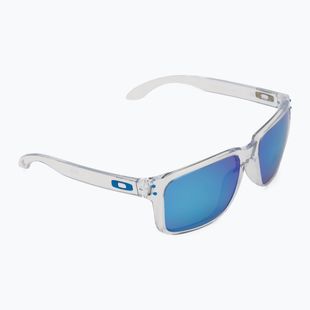
 Oakley Holbrook XL polished clear/prizm sapphr irid polar sunglasses€159.99Recommended retail price: €229.99
 Extra -20% with the code BACK
 Extra -10% with the code BACK
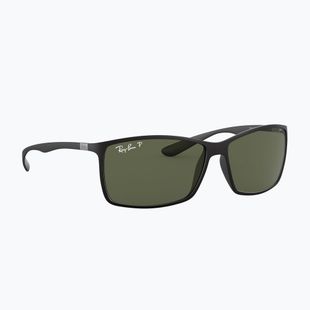 Sunglasses Ray-Ban RB4179 Liteforce matte black/green g-15€169.99Recommended retail price: €239.99
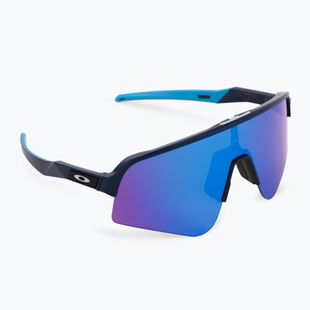 Oakley Sutro Lite Sweep matte navy/prizm sapphire cycling glasses 0OO9465€169.99Recommended retail price: €209.99
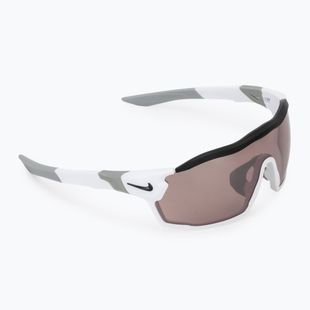
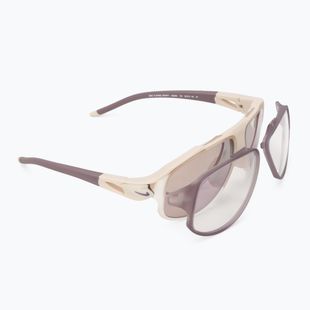 Extra -20% with the code BACKSunglasses Nike Flyfree Infinity matte sanddrift /road tint/clear€189.99€151.99Lowest price: €142.49
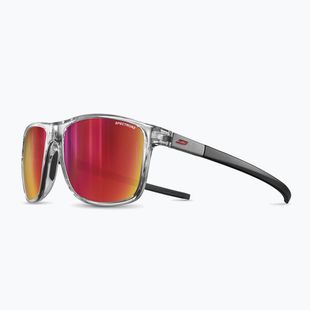 Sunglasses Julbo The Streets Spectron shiny translu crystal/red€69.99Recommended retail price: €119.99
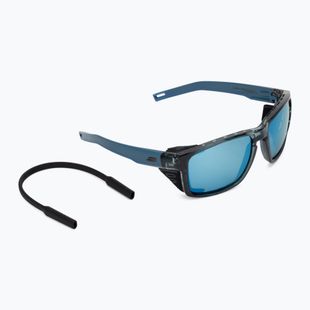 Extra -20% with the code BACK
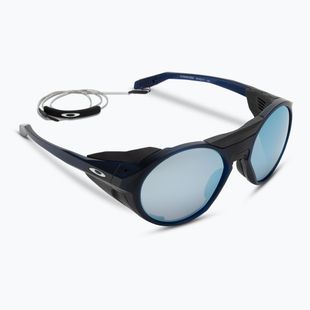 Oakley Clifden matte trans blue/prizm deep water polarized sunglasses€199.99Recommended retail price: €269.99
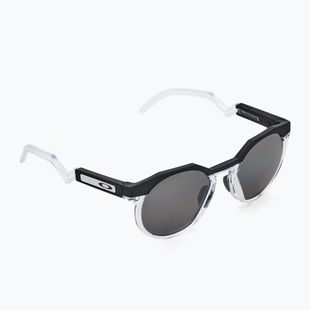 Oakley HSTN matte black/prizm black fleece sunglasses€159.99 -14%Lowest price: €186.99Recommended retail price: €249.99
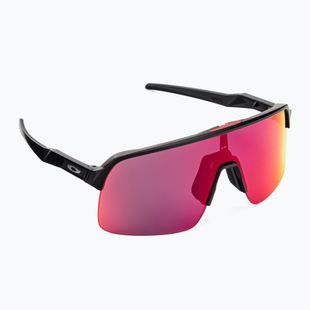 Oakley Sutro Lite matte black/prizm road cycling glasses 0OO9463€199.99Recommended retail price: €209.99
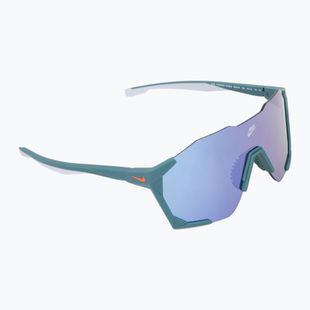 Sunglasses Nike Charged Shield matte bicoastal/purple mirror€76.99Recommended retail price: €119.99
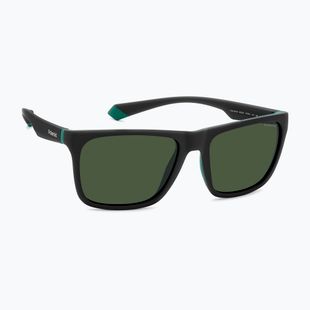 Sunglasses Polaroid PLD 2141/S matte black green/green polarized€38.99Recommended retail price: €76.99
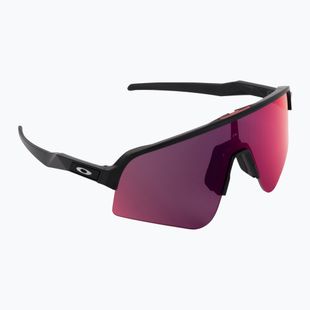 Oakley Sutro Lite Sweep matte black/prizm road cycling glasses 0OO9465€149.99Recommended retail price: €209.99
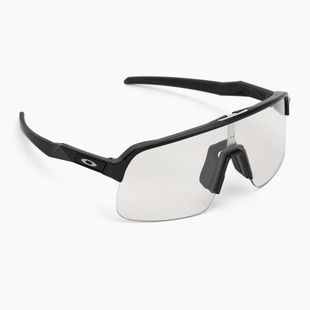 Oakley Sutro Lite S matte black/clear to black photochromic sunglasses€149.99Recommended retail price: €239.99
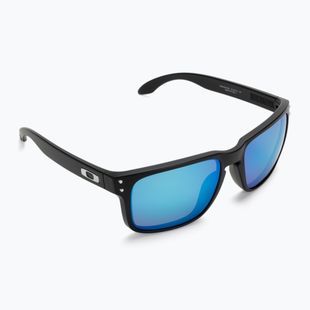 Oakley Holbrook matte black/prizm sapphire polarized sunglasses€169.99Recommended retail price: €219.99
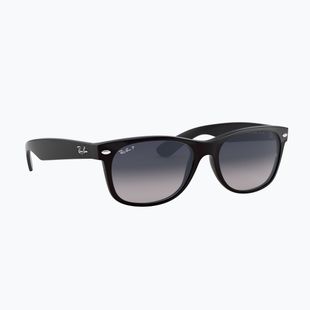 Sunglasses Ray-Ban New Wayfarer Classic black matte/blue gradient€169.99Recommended retail price: €229.99
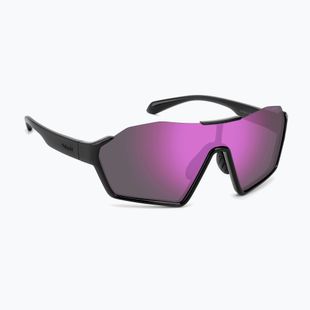 Sunglasses Polaroid PLD 7062/S black/grey pink mirror polarized€54.99Recommended retail price: €109.99
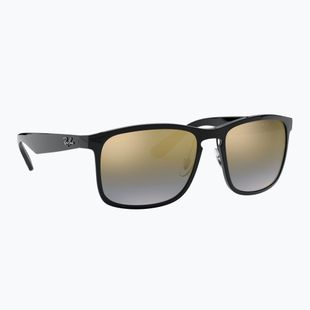 Extra -5% with the code BACKSunglasses Ray-Ban Rb4264 Polarized+ Lenses polarized black/blue gold polarized+€189.99€180.49Lowest price: €161.99
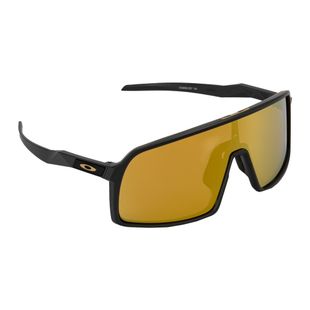 Oakley Sutro matte carbon/prizm 24k cycling glasses 0OO9406€129.99Recommended retail price: €199.99




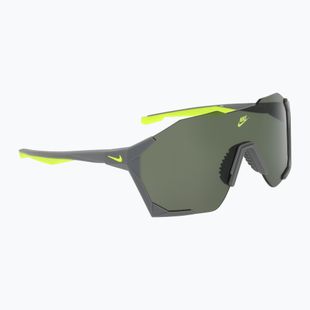


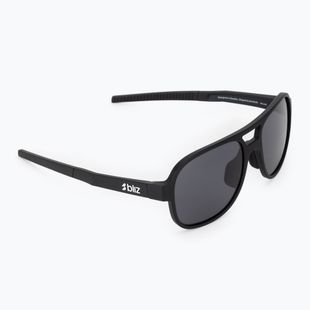


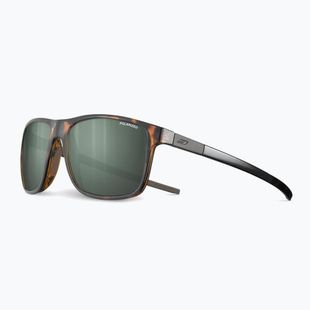
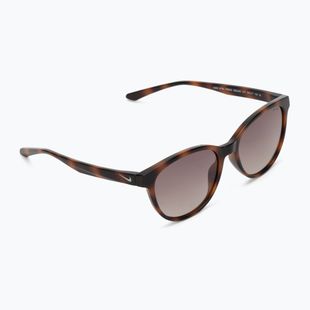
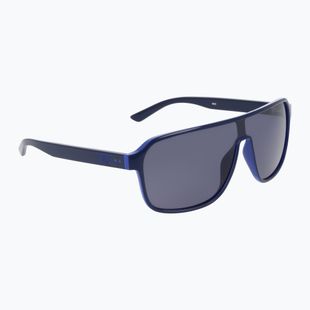


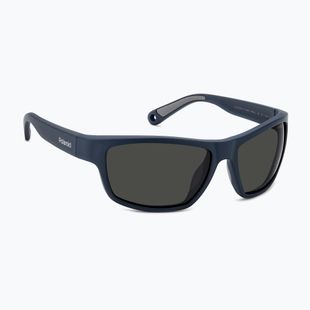


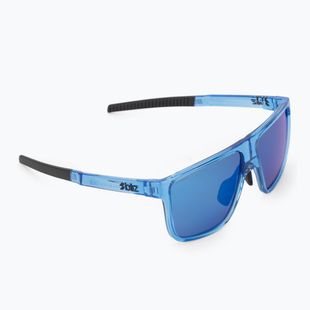


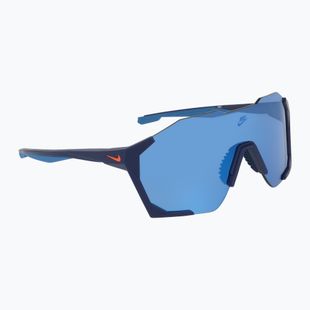


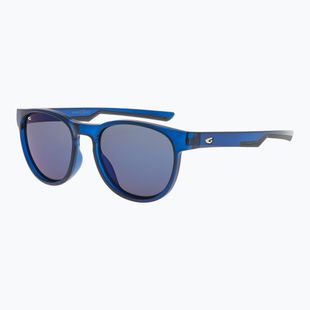


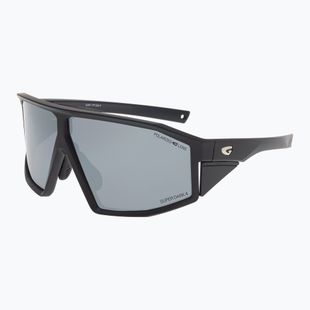


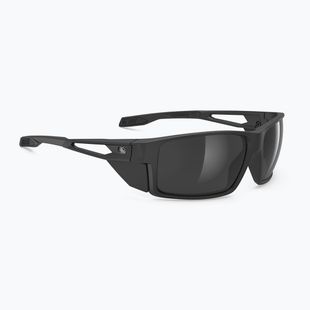
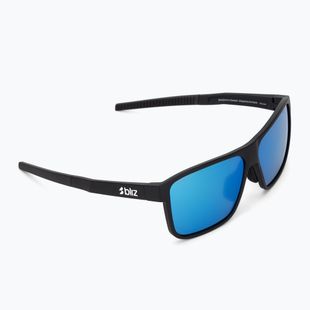


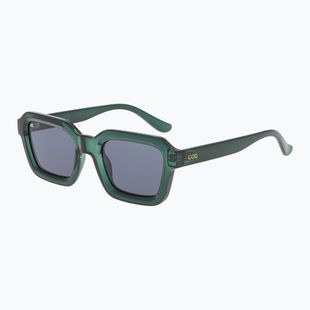


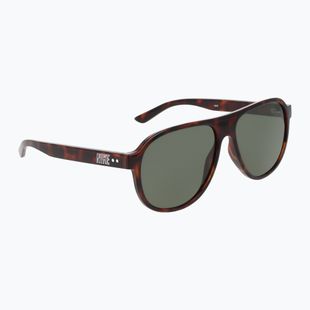


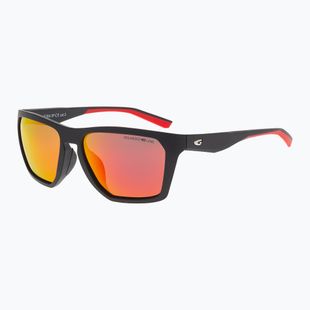


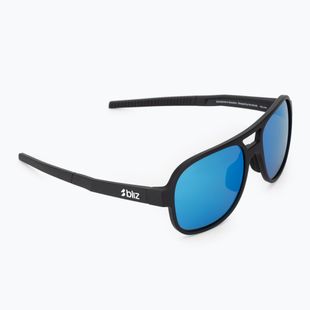


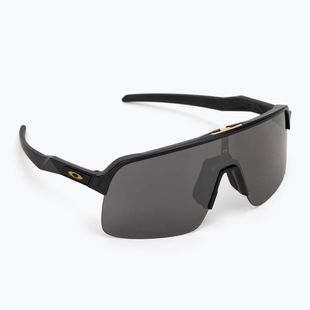


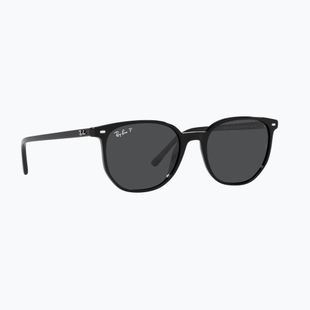


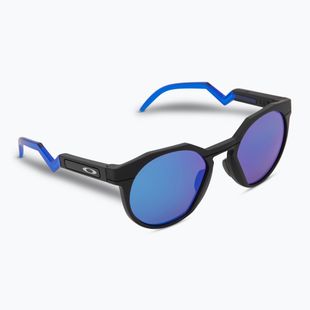


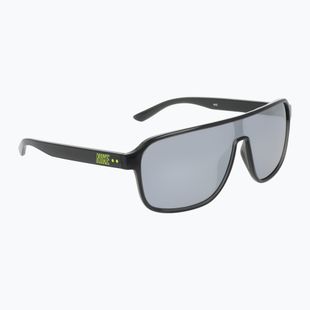
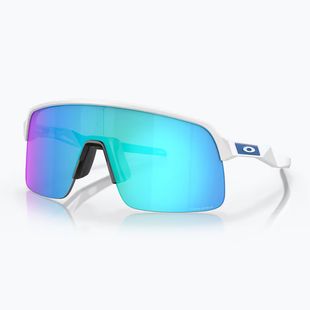


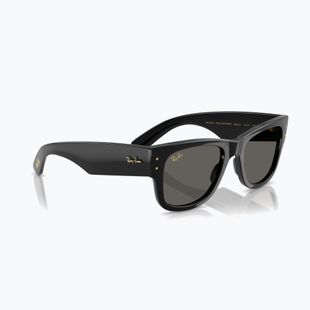


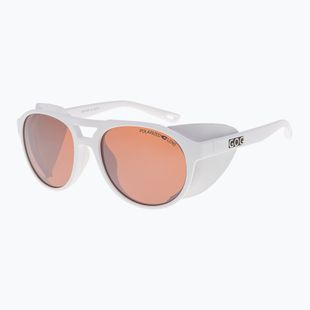


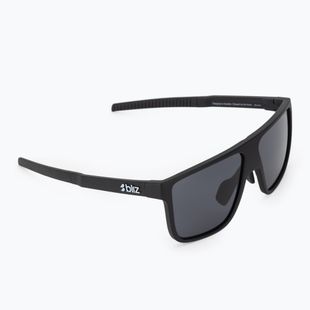
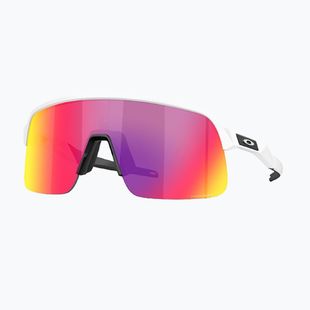


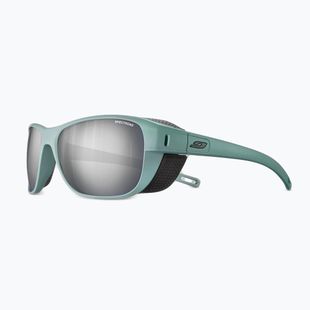
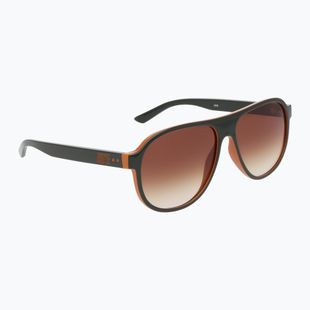
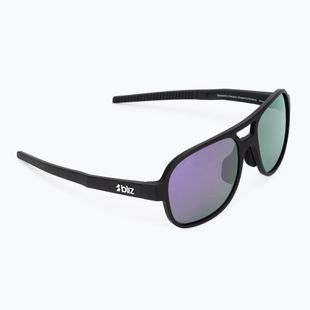
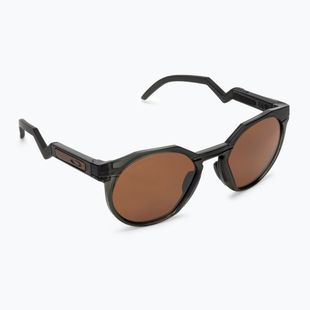
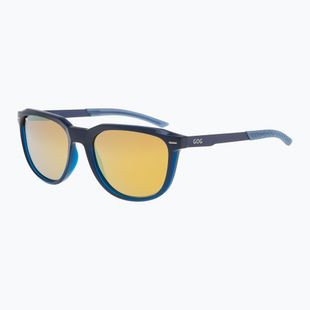


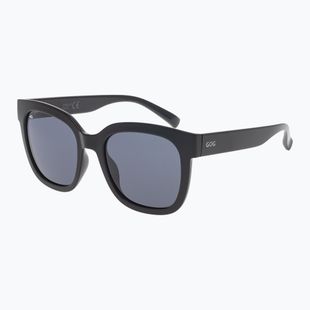


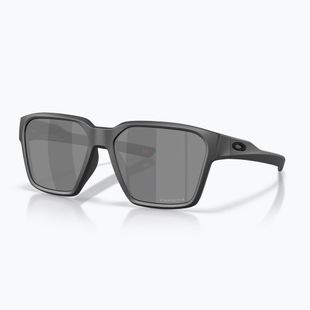


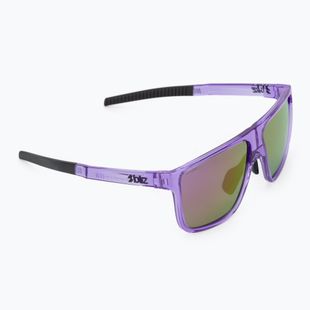


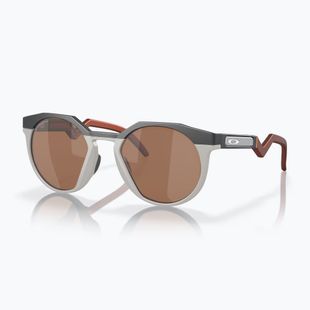
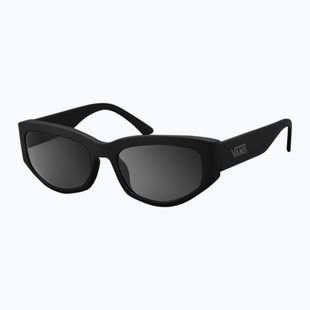


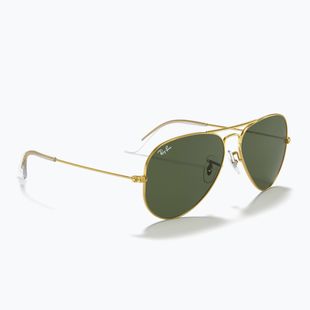


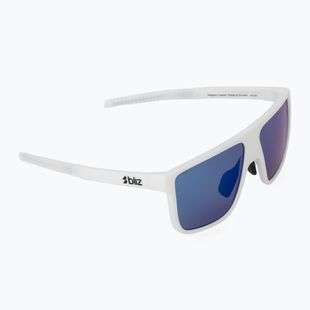


Hiking sunglasses for trails, trekking and active outdoor recreation
Hiking sunglasses help reduce discomfort caused by intense light during trekking, mountain hikes, travel and everyday outdoor activities. Well-chosen hiking sunglasses should provide UV protection, stay securely on the face and not cause pressure during long hours of wear. Hiking sunglasses differ in light transmission category, lens color, frame construction and degree of side coverage. Models from Oakley can be compared in terms of fit, lens type and intended use for various activities. When choosing, lightweight, lens durability, proper frame width, stable nose pads and temples that work well with headwear are important. Hiking sunglasses should remain in place during brisk walking, uphill approaches and when bending the head, so fit should also be evaluated in motion. Useful equipment can include hiking headwear, which together with sunglasses helps provide protection on sunny days. Properly fitted hiking sunglasses increase comfort when observing the terrain and help reduce squinting. On the trail, the most important factors are clear vision, comfort and a design adapted to the conditions in which the hiking sunglasses are used.
Hiking sunglasses – lenses, tint categories and visual quality
Hiking sunglasses should be chosen primarily according to light intensity and the conditions in which they will most often be used. One of the basic parameters is the lens tint category, which indicates the amount of visible light transmitted. Lighter variants work well in overcast or lower-light conditions, while darker ones are intended for intense sunlight. Hiking sunglasses used at high altitudes should provide an appropriate level of protection, because sun exposure can be particularly strong due to reflections from snow and bright surfaces. Hiking sunglasses from Julbo should be evaluated in terms of lens type, degree of coverage and the intended use of a given model.
Hiking sunglasses can use fixed-tint lenses or photochromic solutions that change tint level depending on lighting conditions. Photochromic lenses are practical on routes that alternate between open spaces and shaded sections, as they reduce the need to frequently change glasses. Hiking sunglasses can also offer polarization, which helps reduce some reflections on water, wet surfaces or bright areas. However, it is not necessary for every application, so consider the nature of the activity. The lens color also matters, as it can affect perceived contrast and color rendition. Gray lenses provide neutral color reproduction, while brown or amber lenses can enhance perceived contrast in certain conditions. Hiking sunglasses used on long routes should provide as uniform a field of view as possible without distortions that make it hard to judge terrain irregularities. Protection for longer expeditions can be complemented with appropriately selected hiking jackets, tailored to the weather and intensity of the hike. Important factors include scratch resistance, correct seating of the lenses in the frame and the absence of sharp edges. Hiking sunglasses should be cleaned regularly with a soft optical cloth, because dirt reduces image clarity. A conscious choice of tint, lens construction and level of protection ensures that hiking sunglasses match the real conditions encountered on the trail.
Hiking sunglasses and frame fit during movement
Hiking sunglasses should remain stable during walking, running up slopes, bending over and sudden changes of direction. A frame that is too loose can slip off the nose, while one that is overly tight causes temple pressure and discomfort during long hours of use. When choosing, assess the frame width, bridge shape, temple length and surfaces that come into direct contact with the skin. Hiking sunglasses from UVEX can be compared in terms of nose pad construction, temple profile and the way the lenses are mounted. Hiking sunglasses should also be matched to face shape, because the same size can fit differently on different users. Useful features include non-slip elements on the nose pads and temples, which reduce frame movement during intense activity.
Hiking sunglasses must also work well with other equipment. When wearing a hat or hood, the temples should not be pressed too tightly against the head. In colder conditions it is important to limit lens fogging, especially when the face is covered by a neck gaiter or high collar. This is aided by proper ventilation, maintaining a small gap between lens and face and correctly arranging other clothing elements. Hiking sunglasses used during brisk walking may require a more sporty, curved design providing better side protection. By contrast, models intended mainly for travel and relaxed walks may emphasize a more universal style. It's worth trying hiking sunglasses on together with the gear you most often use on the trail. On all-day trips hiking backpacks and bags are also useful for safely stowing the case when glasses are not needed. Important factors include lightweight frames, adequate field of view, no pressure behind the ears, a stable bridge and resistance to accidental shifting. Hiking sunglasses should not restrict peripheral vision in a way that hinders observation of the surroundings. A correctly fitted frame lets you focus on the trail instead of constantly adjusting the glasses, which is why comfort and stability are key when choosing hiking sunglasses.
Hiking sunglasses for mountains and variable weather conditions
Hiking sunglasses used in the mountains should be suitable for conditions that can change during a single day. Intense sun on open ridges, shade in the forest, cloud cover and reflections from snow place different demands on the lenses. Versatile hiking sunglasses can be a convenient solution for people who frequently move between areas with varying light intensity. Hiking sunglasses from GOG can be chosen based on lens category, frame construction and intended use. In the mountains, full UV protection, good eye coverage, low weight and stability during movement are particularly important. Hiking sunglasses should not fall off when looking down at your feet or shift with increased sweating.
Hiking sunglasses used in winter require special attention to the intense light reflected by snow. Darker lenses can be useful in sunny weather, but you should always check their actual category and intended use. In difficult mountain conditions, models that provide extended side protection, reducing light entry from different directions, are used. Hiking sunglasses used on snow should remain stable when putting on a hat, hood or helmet. On warm days, ventilation around the lenses and solutions that reduce frame slipping on moist skin become more important. Store hiking sunglasses in a case to reduce the risk of scratching the lenses with keys, tools or other baggage items. For cleaning, it is best to use a cloth intended for that purpose and the methods recommended by the manufacturer. Dry wiping heavily soiled lenses can increase the risk of small scratches. During trips, sun protection can be supplemented with a trekking hat, which helps shield the head and face. Also important are hinge durability, condition of the nose pads, no lens damage, secure seating of the temples and the ability to transport them conveniently. Hiking sunglasses should be checked before a long trip, especially if they were heavily used in the previous season. A well-chosen design, the correct lens category and comfortable fit make hiking sunglasses a practical part of equipment for mountain trails, trekking and travel.