


 Extra -10% with the code SPORT
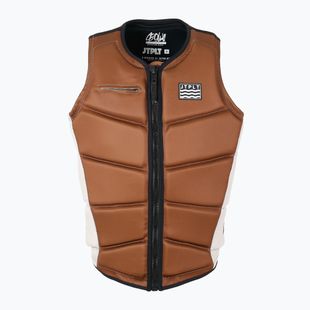 Men's Jetpilot Jb Oneil C4 F/E Eco Vest rust protective waistcoat€93.99Recommended retail price: €139.99
 Extra -10% with the code SPORT
 Extra -5% with the code SPORT
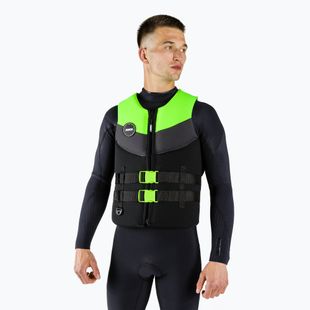 Men's JOBE Neoprene belay waistcoat black-green 244922004€69.99 -21%Lowest price: €88.34Recommended retail price: €99.99
 Extra -10% with the code SPORT
 Extra -10% with the code SPORT
 Extra -10% with the code SPORT
 Extra -25% with the code SPORT
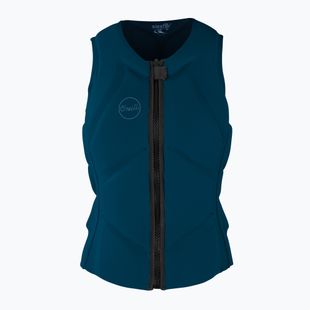 Women's protective waistcoat O'Neill Slasher B Comp Vest navy blue 5331EU€119.99Recommended retail price: €169.99
 Extra -5% with the code SPORT
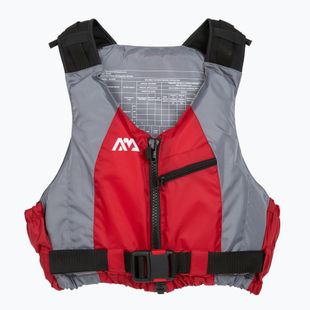 Extra -5% with the code SPORTAqua Marina Personal Flotation Vest€39.99€37.99Lowest price: €39.99
 Extra -10% with the code SPORT
 Extra -5% with the code SPORT
 Extra -10% with the code SPORT
 Extra -10% with the code SPORT
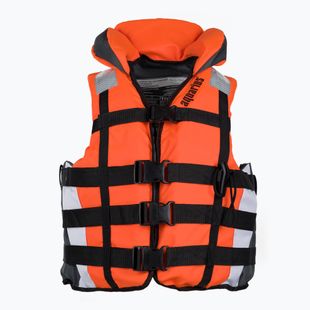 Extra -10% with the code SPORT
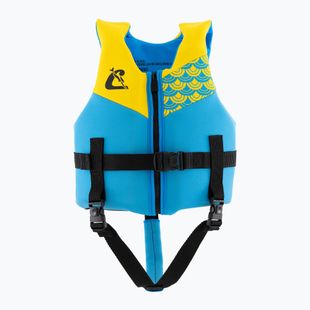 Extra -10% with the code SPORT
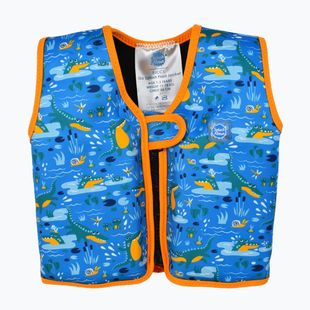 Extra -10% with the code SPORT
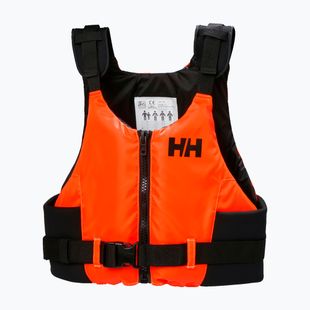 Extra -10% with the code SPORT
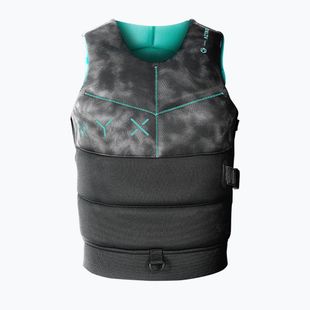 Extra -5% with the code SPORTMen's Aztron N.Y.X. belay waistcoat. Neoprene black€49.99€47.49Lowest price: €47.69
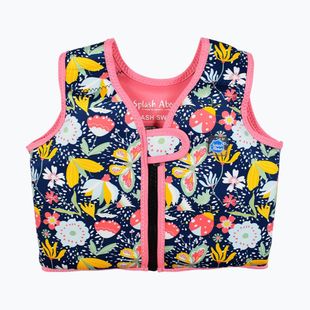 Extra -10% with the code SPORT
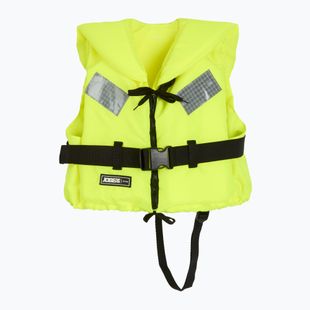 Extra -5% with the code SPORTChildren's JOBE Comfort Boating Life Vest yellow€39.99€37.99Lowest price: €35.99
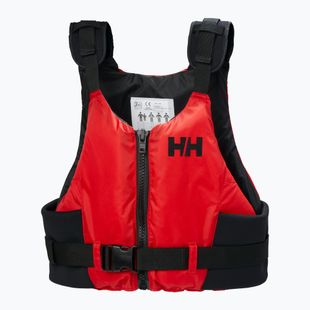 Extra -5% with the code SPORT
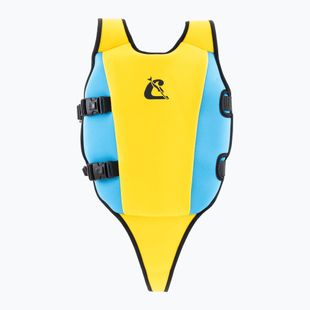 Extra -10% with the code SPORT
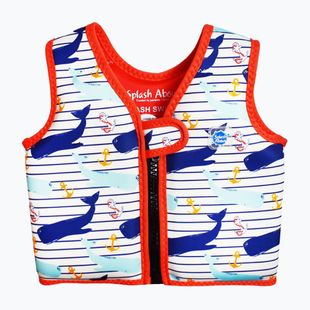 Extra -20% with the code SPORT
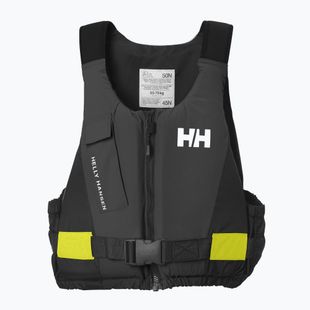 Extra -10% with the code SPORT
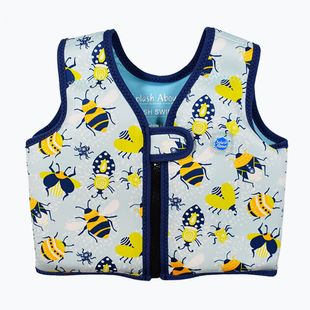 Extra -10% with the code SPORT
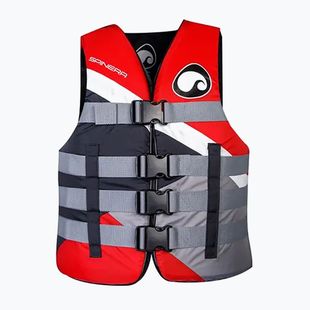 SPINERA Allround Dual Size Nylon 50N belay waistcoat red 182850€32.99Recommended retail price: €53.99
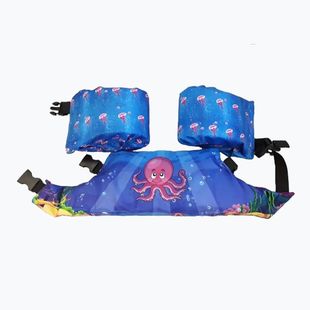 Extra -10% with the code SPORTAquarius Puddle Jumper Octopus children's swimming waistcoat purple 1071€13.99€12.59Lowest price: €11.89
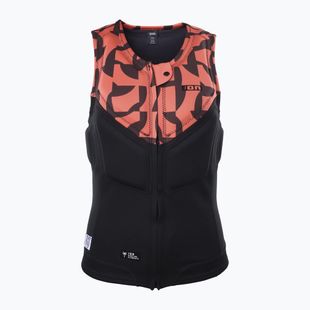 Extra -10% with the code SPORTWomen's protective vest ION Ivy Front Zip tiger coral€129.99€116.99Lowest price: €116.99
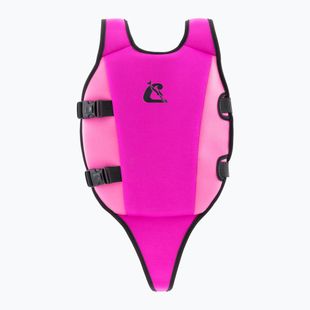 Extra -5% with the code SPORT
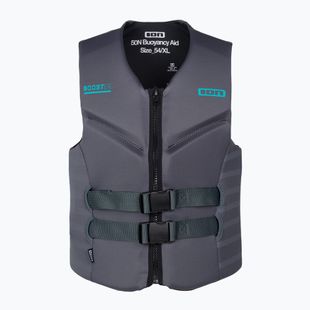 Extra -5% with the code SPORTION Booster 50N Front Zip belay waistcoat black 48222-4166€95.99€91.19Lowest price: €95.99
 Extra -10% with the code SPORT
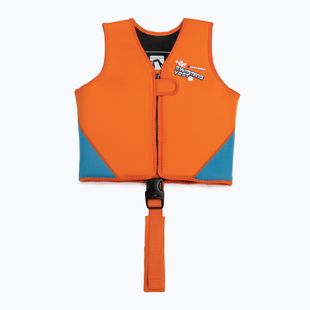 Waimea Classic children's swimming waistcoat orange€9.59 -20%Lowest price: €11.99Recommended retail price: €34.99
 Extra -10% with the code SPORT


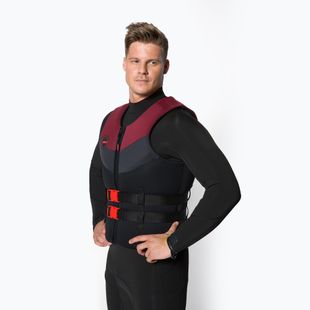


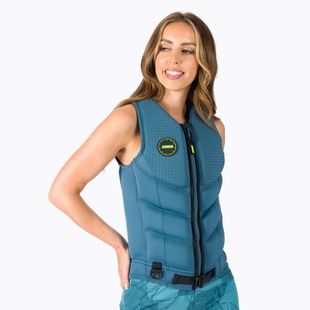
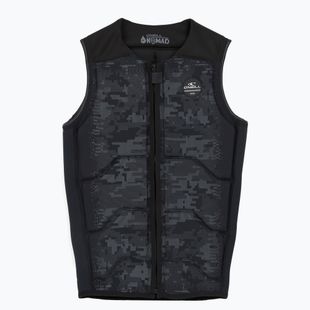


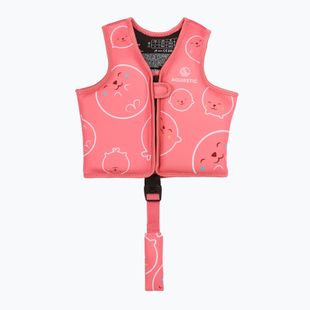


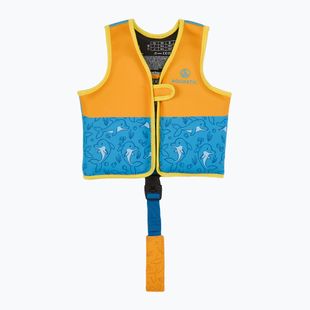


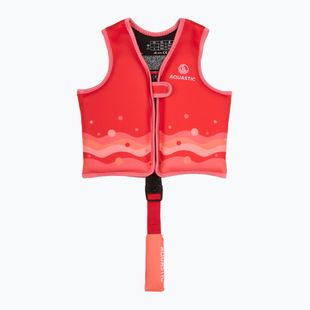
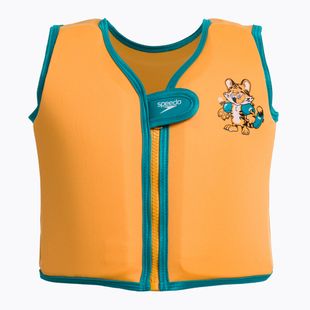


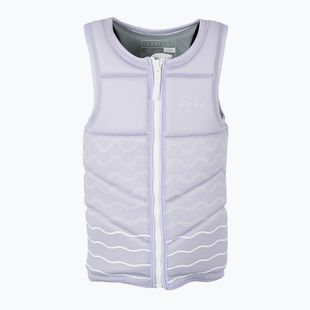
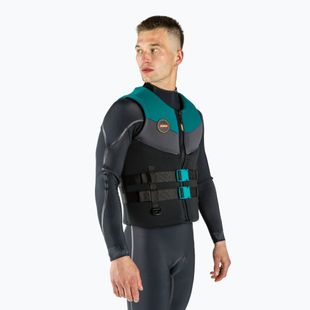
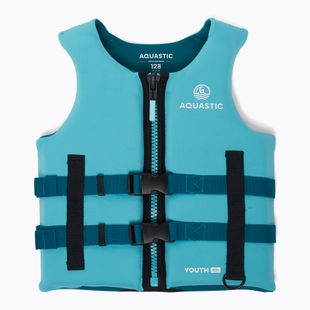
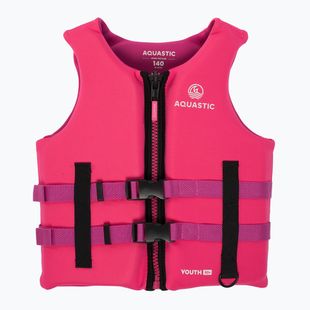


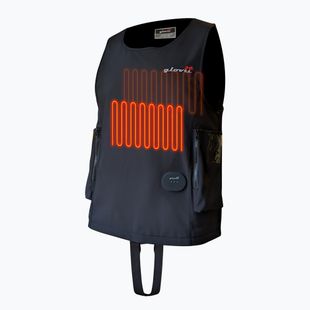
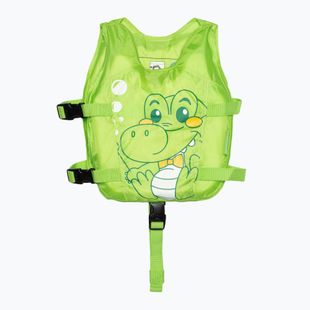
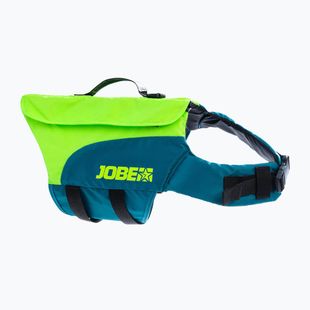
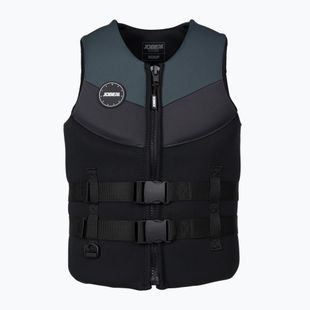


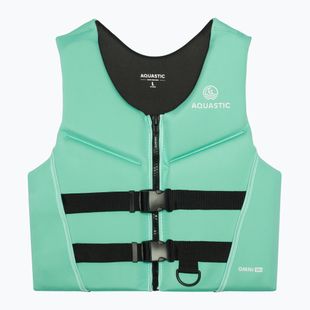


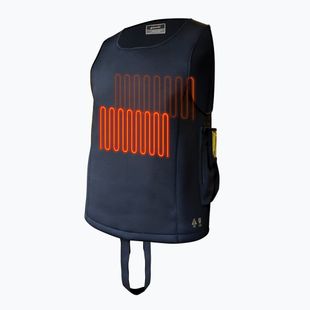


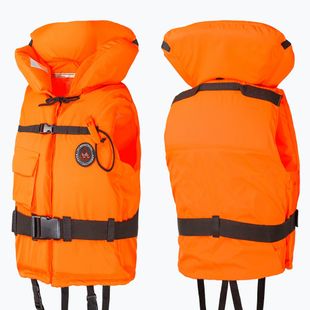
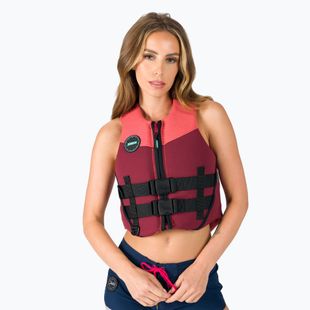
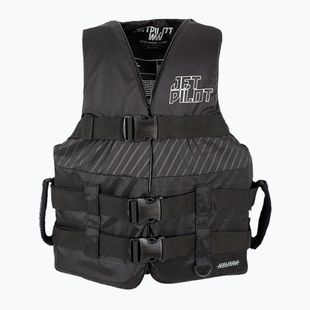


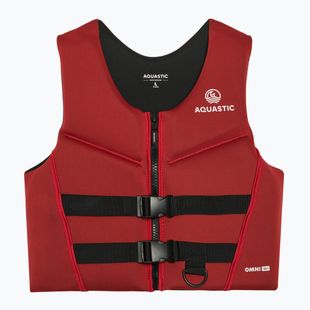


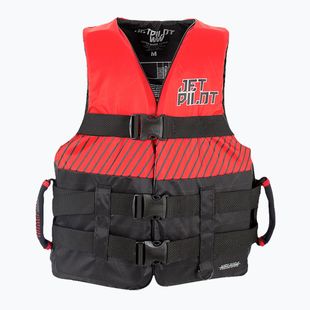
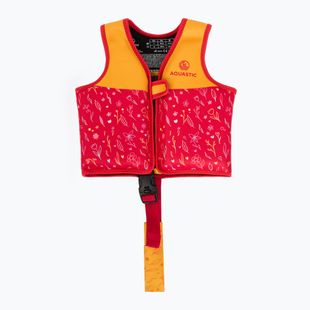
Kayak life jackets – tailored buoyancy and freedom of movement on the water
Kayak life jackets are an important piece of equipment for recreational paddling, water touring, river trips and open-water training. Their purpose is to provide the user with a specified level of buoyancy and support staying afloat after falling into the water. A well-chosen kayak life jacket should fit the torso snugly, not ride up toward the head and not restrict arm movement during paddling. Individual kayak vests differ in buoyancy rating, cut, placement of foam panels, number of adjustment straps and intended use. Models from the AQUASTIC brand can be selected according to the type of activity, the user’s dimensions and the seat construction. Also important are clear size labeling, waist adjustment, secure buckles, freedom around the shoulders, durable outer fabric, visibility-enhancing elements, correct foam placement and compliance with the declared use. A kayak buoyancy aid should not be chosen solely based on height or appearance. Key factors are the user’s weight, chest circumference and the way the entire construction fits. A properly adjusted kayak vest stays in place during movement, entering the water and re-entering the kayak. That combination of buoyancy, stability and mobility is what kayak life jackets should provide.
How to choose kayak life jackets based on body weight and type of activity?
Kayak life jackets should be selected according to the weight range and chest circumference specified by the manufacturer. Everyday clothing size can only serve as a guide, since each kayak vest has its own sizing chart and a specific foam panel construction. A model that is too loose may shift during paddling and ride up toward the head after entering the water. Conversely, vests that are too tight make deep breathing difficult, restrict trunk rotation and cause pressure under the arms. Before starting activity, all straps should be adjusted while wearing the clothes you will actually use on the water. In cooler conditions consider an additional thermal layer or a neoprene suit, but do not choose excessive extra room solely to accommodate thicker clothing. A kayak vest should provide even contact, unrestricted breathing, full range of shoulder movement, stable waist position and no neck pressure.
Kayak life jackets also differ by intended use. For relaxed recreation on a lake you can choose a simple-cut model with intuitive adjustment, while on longer trips low weight, comfort when seated and reduced interference with the seat back become important. A buoyancy aid used for dynamic paddling should have appropriately shaped armholes and shorter panels in the lower torso area. Models from Aztron can be evaluated for buoyancy, adjustment system and suitability for a given water discipline. Consider the side panel profile, soft edge finishing, durable stitching, easy-to-use buckles, anti-lift strap, shoulder-blade clearance, clear manufacturer markings and material resistant to frequent wetting. After fastening, pull the vest up at the shoulders. If it rides high or covers the face, it needs readjustment or a different size. Well-fitted kayak vests remain stable without over-tightening the straps, so they do not hinder natural paddling technique.
Kayak buoyancy aid and the level of user protection
Kayak life jackets must be chosen with the understanding that a buoyancy aid and a rescue lifejacket do not always serve the same function. A kayak buoyancy aid is intended primarily for people who can swim and who are engaging in activities where assistance is likely to be relatively quick. Such a design supports staying afloat, but should not be assumed to automatically turn an unconscious person face-up. Before purchase, check the product type designation, declared buoyancy, user weight range, manufacturer’s intended use and the usage instructions. A kayak life jacket should be used according to these markings, as the presence of foam alone does not determine suitability for rescue use. Kayak vests for children require particularly careful selection and constant adult supervision.
Kayak life jackets intended for active paddling should leave room for trunk rotation, shoulder movement and blade movement. A kayak vest with an extended rear panel may collide with a high seat back, so consider the construction of the kayak you use before choosing. A shorter back panel or higher-placed foam can improve seated comfort. Models from Aquarius can be compared by profile, number of adjustment points and type of fastenings used. A functional kayak buoyancy aid may have pockets for small gear, attachment points for accessories, reflective elements, a signaling whistle, side straps, lower circumference adjustment, a durable zipper and panels that limit water absorption. Accessories should not, however, impede re-entering the kayak or snag on deck lines. Do not overload pockets with heavy items, as they may alter the product’s fit. The most important factors remain buoyancy, correct size and stable fit, which allow kayak life jackets to properly support the user after entering the water.
Kayak life jackets for touring, recreational and sport use
Kayak life jackets should match the nature of the route, intensity of movement and conditions on the water. For relaxed recreational paddling, easy donning, clear adjustment and comfort while seated are important. On longer trips a kayak vest should limit moisture buildup against the body and not cause chafing during thousands of repetitive paddle strokes. In more dynamic kayaking, a close-fitting cut that does not shift during strong trunk rotation is useful. Shorter-constructed vests work well with sprayskirts and high seating, but always check that the lower edge does not ride up when leaning forward. Paired with suitable kayak and raft paddles, the equipment should allow free movement of the hands, elbows and shoulders. Important features include anatomical cutouts, thinness under the arms, stable front panel, elastic side zones, water drainage, UV resistance, quick drying and no rough edges.
Kayak life jackets used in variable conditions should be easy to adjust without removing all other gear. A kayak vest may be worn over a thin T‑shirt, a windbreaker or a neoprene suit, so the range of the straps should allow fitting over different layers without losing stability. Models from ION can be considered for water activities that require mobility and a snug fit to the torso. A kayak buoyancy aid must not restrict the ability to quickly exit the cockpit or hinder rescue procedures. On longer trips, waterproof dry bags and pouches are useful for securing a phone, documents, spare clothing and essential gear. Load should be stowed in the kayak so it does not negatively affect stability. Functional kayak vests provide easily accessible buckles, adjustments operable with wet hands, clear markings, durable outer surface, secure strap attachments, good fit during torso rotation, comfort when leaning forward and no collision with the seat back. This allows kayak life jackets to meet the needs of both recreational paddlers and those who regularly cover longer distances.
Inspection and care of a kayak vest
Kayak life jackets should be inspected before every outing, because a damaged fastening, torn strap or deformed panel can reduce the functionality of the entire construction. A kayak vest should have intact buckles, strong stitching and foam without obvious dents. Also check whether adjustments do not slip under load and that the zipper works smoothly along its length. Kayak vests should not be modified by cutting foam, sewing on random elements or making holes in panels. Such changes can affect buoyancy distribution and product durability. Before the season, perform a fitting test in controlled conditions, following the manufacturer’s instructions. A kayak buoyancy aid must remain properly fastened for the entire time on the water, as an unfastened or loose product may not maintain the correct position.
Kayak life jackets should be rinsed in clean water after use, especially after contact with salt water, sand or mud. A kayak vest should dry in a well‑ventilated, shaded area, away from heaters and intense heat sources. Prolonged exposure to strong sunlight can accelerate the aging of fabrics, colors and plastic elements. Store kayak vests flat or hung up without heavily crushing the foam panels. Do not place heavy equipment on them or leave them damp in a closed trunk. Other kayak and raft accessories should also be dried before storing to reduce unpleasant odors and corrosion of metal parts. When caring for them pay attention to rinsing after each use, drying without strong heat, checking buckles, inspecting seams, protecting foam from crushing, cleaning with mild agents, storing in a dry place, checking product markings, replacing damaged equipment and using according to the instructions. If a kayak vest has broken components, has lost its shape or no longer holds adjustments, it should not be used without assessment of its condition. Regular inspection and proper storage help preserve the parameters and fit required of kayak life jackets.