


Filters
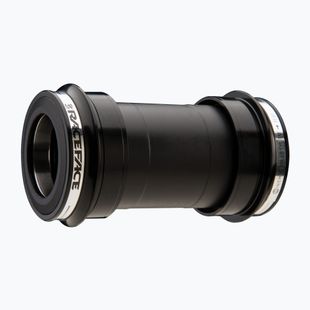
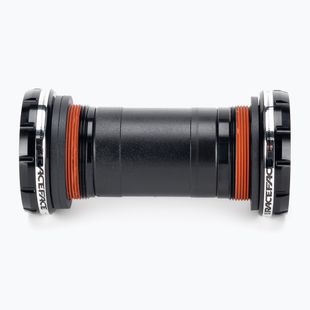 Extra -10% with the code WARMUPRACE FACE bottom bracket insert BSA 73 O30 Ext. Seal black€69.99€62.99Lowest price: €55.99
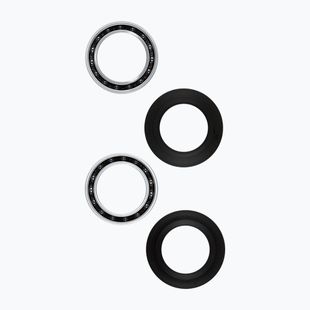 CeramicSpeed BB90 Trek Shimano Coated bottom bracket insert 101374€199.99 -27%Lowest price: €275.49Recommended retail price: €379.99
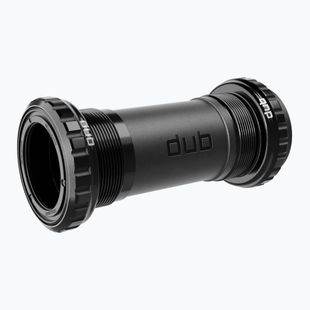
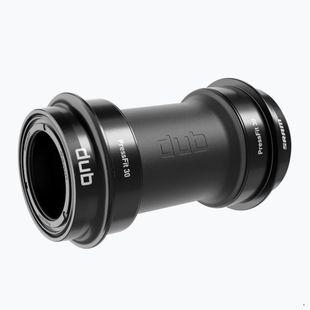 Extra -5% with the code WARMUPSRAM AM BB DUB PF30 83 MTB AI bottom bracket€44.99€42.74Lowest price: €43.69
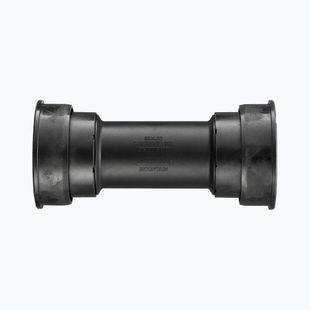 Extra -5% with the code WARMUPShimano bottom bracket insert SM-BB94 Press Fit 89.5 mm/92 mm€32.99€31.34Lowest price: €30.59
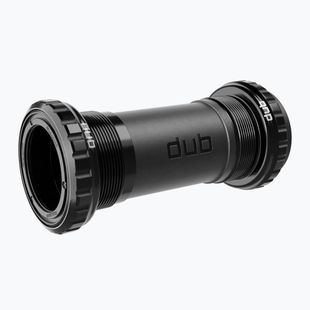
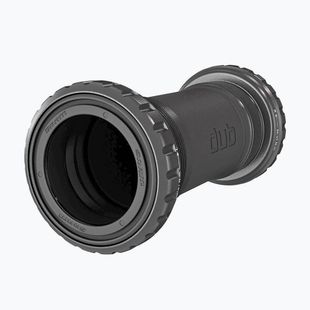 SRAM MTB/Road DUB BSA bottom bracket insert 68/73mm black 00.6418.015.000€32.99Recommended retail price: €44.99
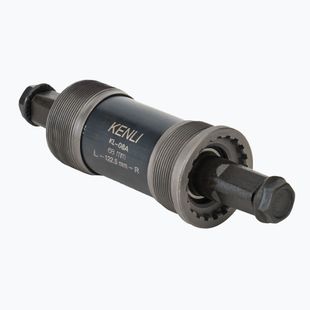 Extra -20% with the code WARMUPATTABO ALPE 1.0 women's bottom bracket black€9.29€7.43Lowest price: €4.19
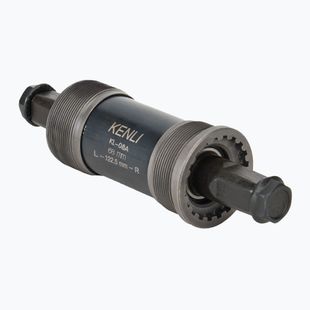 Extra -20% with the code WARMUPATTABO ALPE 1.0 male bottom bracket black€9.29€7.43Lowest price: €4.19
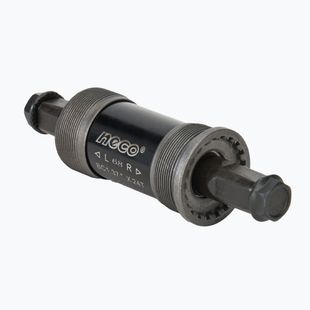 Extra -20% with the code WARMUPATTABO ALPE 3.0 bottom bracket black€9.29€7.43Lowest price: €5.59
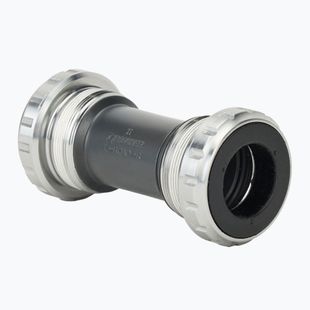 Extra -20% with the code WARMUPATTABO GRADO 2.0 bottom bracket black€39.99€31.99Lowest price: €23.99
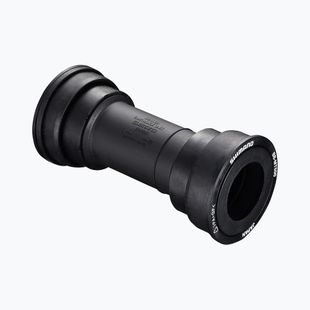 Extra -10% with the code WARMUPShimano BB-MT500 Press Fit bottom bracket insert€15.99€14.39Lowest price: €12.79
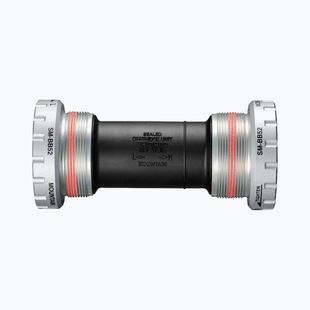 Extra -10% with the code WARMUPShimano BSA SM-BB52 bottom bracket insert€18.99€17.09Lowest price: €17.09
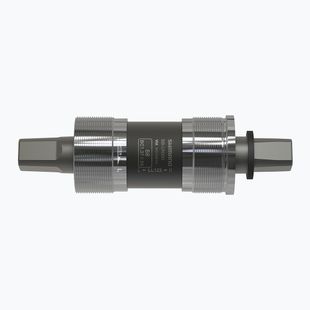 Extra -15% with the code WARMUPShimano BB-UN300 BSA bicycle bottom bracket EBBUN300B27B€14.99€12.74Lowest price: €11.99
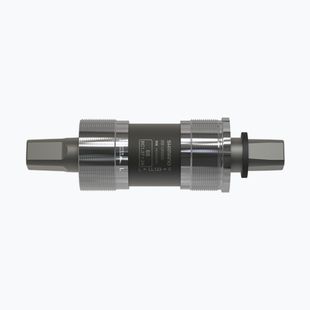 Extra -10% with the code WARMUPShimano BSA 113 mm/68 mm BB-UN300 bicycle bottom bracket€13.99€12.59Lowest price: €12.99
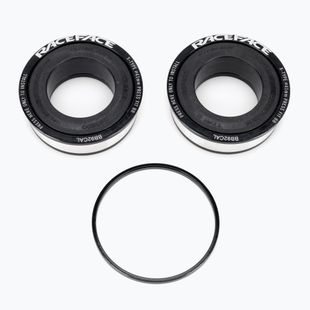
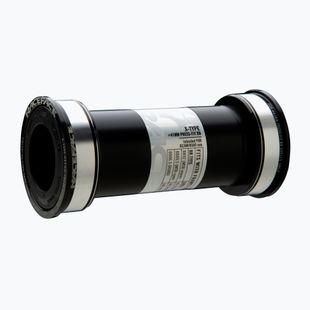 Extra -5% with the code WARMUPRACE FACE BB104/BB107 bottom bracket insert O24 Ext. Seal black€49.99€47.49Lowest price: €49.49
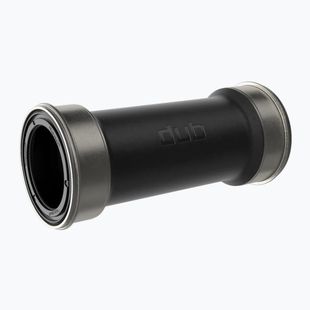 Extra -5% with the code WARMUPSRAM AM BB DUB PF 89.5/92 MTB Wide bottom bracket€39.99€37.99Lowest price: €39.99
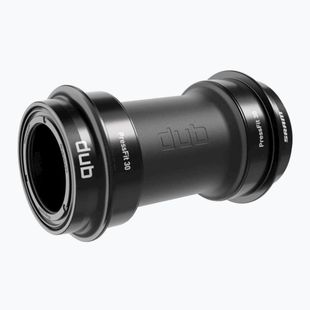 SRAM AM BB DUB PF30 68 Road, 73 Road Wide/MTB bottom bracket€37.99Recommended retail price: €48.99
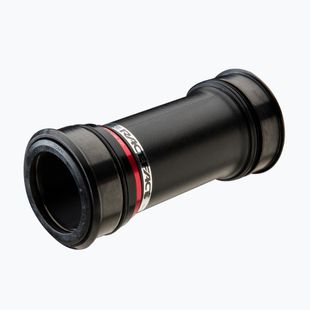 RACE FACE BB8992 O30 Double Row Ext. bottom bracket insert. S black BB19BB899230DR€59.99 -22%Lowest price: €76.99Recommended retail price: €93.99
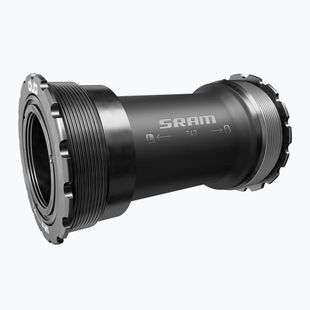
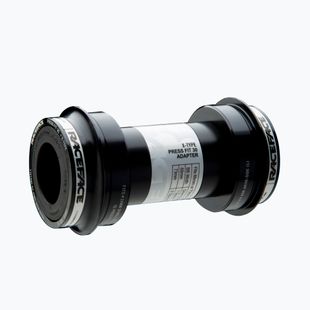
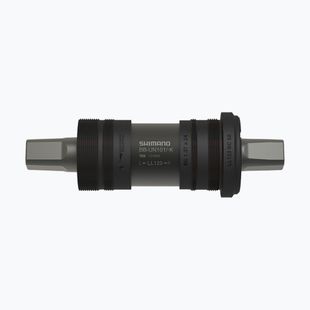
Suports
bicycle supports - products of the highest
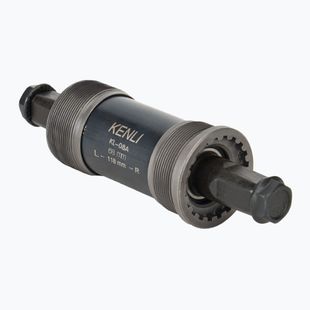
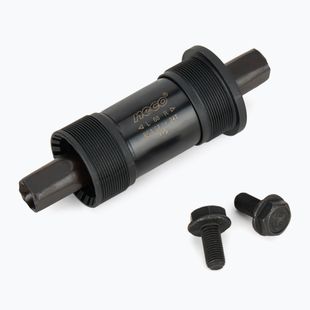
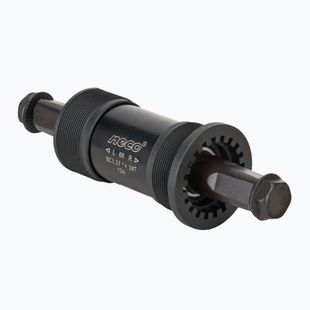
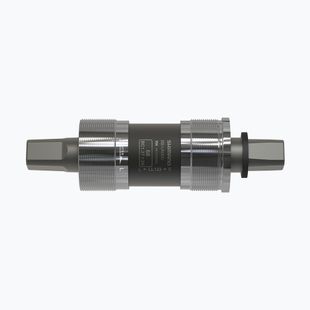
quality available in the offer of Sportano shopSuport is a key element of each bicycle, constituting a bridge between the frame and the crankset. Situated in the bottom part of the frame, the bottom bracket has the task to ensure smooth operation of the cranks and to enable the transfer of energy from the cyclist's legs to the wheels. Its stability and performance have a direct impact on the comfort and efficiency of the ride.
In the Sportano shop we offer a wide selection of bicycle bottom brackets from renowned manufacturers such as SRAM, Rotor, RACE FACE, CeramicSpeed or Shimano.Structure and components of a typical bicycle bottom bracketThe bicycle bottom bracket is the heart of the cranking mechanism, providing the necessary connection between the bicycle frame and the cranks. Its main task is to ensure smooth rotation and to transfer the cyclist's leg force to the wheel via the chain. The correct design of the bottom bracket is crucial to pedalling efficiency and overall riding performance.
The basic component of any bottom bracket is the bearings, which allow the axle to rotate inside the bottom bracket housing. Depending on the model and intended use, the bearings can be either open or closed, and sealed to increase durability and weather resistance.
The next major component is the slide axle. Traditionally they were made of hardened steel, but modern technology has brought lightweight and durable axles made of aluminium or carbon fibre. The axle connects the two cranks and is directly responsible for transferring energy from the pedals to the wheel.
The components of the bottom bracket also include seals. Their function is to protect the inside of the bottom bracket from water, mud, dust and other contaminants. A good seal ensures a longer service life for the bearings and the entire bottom bracket.
Many bottom brackets are also fitted with spacer rings and bushings, which help to adapt the bottom bracket to the specific dimensions of the bicycle frame. This allows the crankset to work properly, without unnecessary play or displacement.
Last but not least are the fixing bolts. They enable the assembly and disassembly of the bottom bracket, and ensure its stability and safety while riding.
The bottom bracket is a complex and precisely designed mechanism, the key components of which guarantee the smoothness, efficiency and longevity of the entire propulsion system of the bicycle. Care and regular maintenance are essential for optimum performance and riding comfort.Types of bottom brackets: from traditional to so-called "press-fit".
"press-fit "Over the years, the development of technology has led to the development of a variety of types of bottom brackets, adapted to specific needs and types of bicycles.
Bicycle supports come in a variety of forms and styles, adapting to the varying requirements of cyclists and the specific characteristics of different types of bicycles. The choice of the right bottom bracket has a direct impact on riding performance, comfort and the life of the entire drive system.
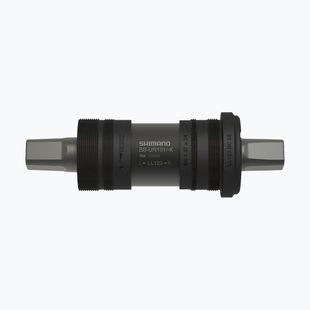
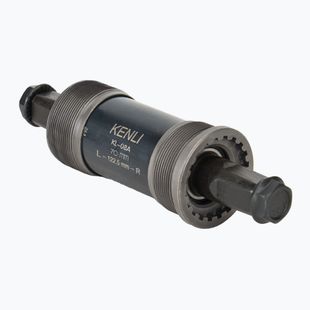
Traditional bottom brackets, generally heavier and simpler in design, are known for their reliability and durability. They are usually mounted by bolts and have threaded connections for easy assembly and disassembly. While they may not offer the same precision and performance as more modern models, they are valued for their simplicity and ease of servicing.
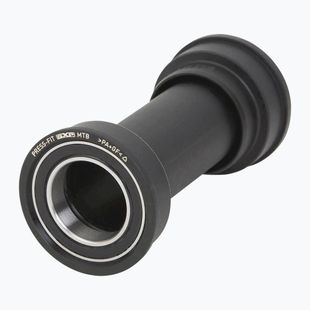
'Press-fit' slides are a modern alternative to classic models. They are characterised by the absence of threads and the bearings are pressed directly into the bicycle frame. This solution offers weight reduction, increased stiffness and improved performance. However, it requires precision in assembly and proper fit to the frame.
The integration of technology and materials in the more modern 'press-fit' brackets gives cyclists an advantage in terms of performance and aerodynamics. They are a common choice among professional cyclists and road enthusiasts, where every weight saving and performance enhancement is crucial.
We also cannot overlook external slides, where the bearings are mounted on the outside of the frame. This solution increases the stiffness and strength of the bottom bracket, improving power transfer and pedalling efficiency.
The choice of the right bottom bracket should be dictated by a number of factors. The type of bicycle, riding style, off-road conditions, as well as the individual preference of the cyclist are all important. It is important to pay attention to the compatibility of the bottom bracket with the frame and other components of the drive system.
When exploring the world of bicycle slides, cyclists will be forced to balance various aspects, including strength, weight, performance and price. Each type of bottom bracket has its own advantages and disadvantages, and the final choice should be an informed decision based on a comprehensive analysis of individual needs and expectations.
Collapse the description