


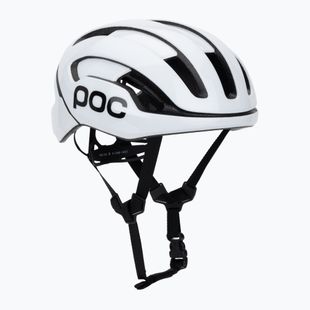
 Bike helmet POC Omne Air MIPS hydrogen white/uranium black matt w. logo€149.99Recommended retail price: €199.99
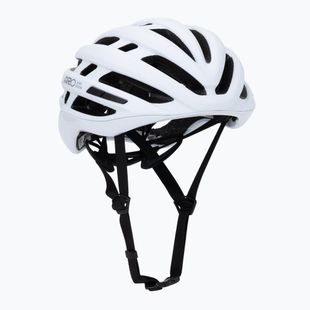 Bike helmet Giro Agilis MIPS matte white€99.99 -10%Lowest price: €110.49Recommended retail price: €129.99
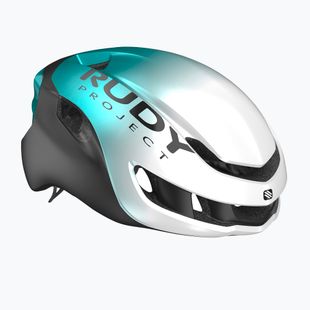 Bike helmet Rudy Project Nytron pearl/emerald/black metal matte€199.99Recommended retail price: €269.99
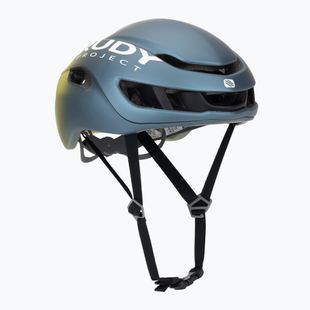 Bike helmet Rudy Project Nytron blue avio/apple green metal matte€189.99Recommended retail price: €269.99
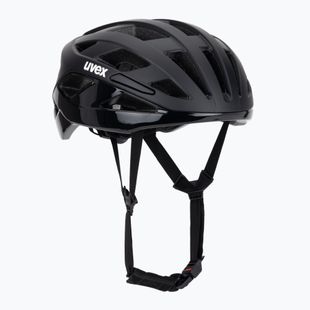 Extra -25% with the code HOLIDAYS
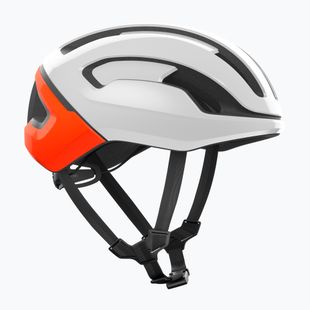 Bike helmet POC Omne Air MIPS hydrogen white/fluorescent orange€139.99Recommended retail price: €199.99
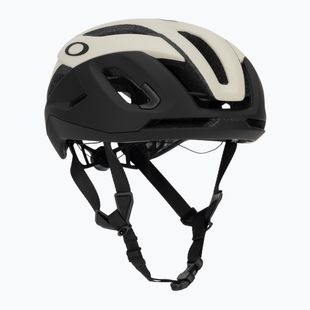 Extra -10% with the code HOLIDAYS
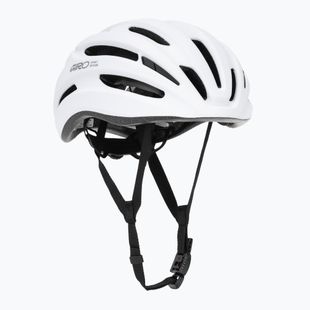 Extra -15% with the code HOLIDAYS
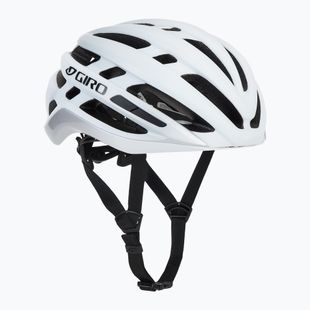 Giro Agilis bicycle helmet white GR-7112775€69.99 -27%Lowest price: €95.99Recommended retail price: €109.99
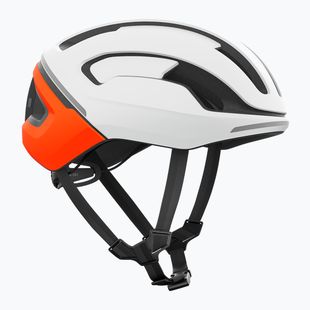 Bike helmet POC Omne Beacon MIPS hydrogen white/fluorescent orange matt€189.99Recommended retail price: €259.99
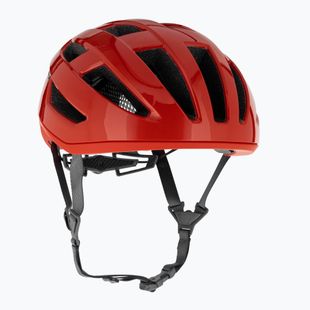 Extra -10% with the code HOLIDAYS
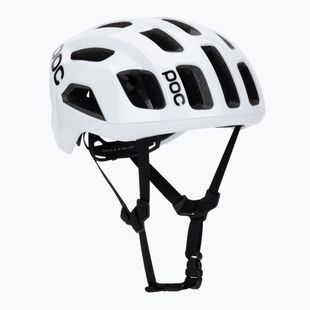 Bike helmet POC Ventral Air MIPS hydrogen white/uranium black matt w. logo€209.99Recommended retail price: €279.99
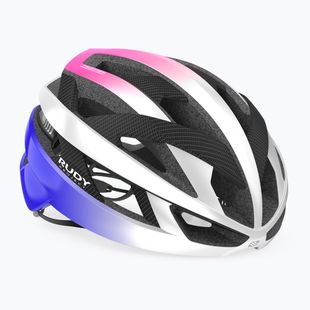 Bike helmet Rudy Project Rebel pearl metal/pink/cyber blue shiny€239.99Recommended retail price: €349.99
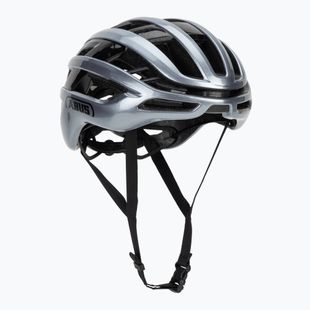 Bike helmet ABUS Airbreaker 2.0 graphite silver€259.99 -10%Lowest price: €289.99Recommended retail price: €329.99
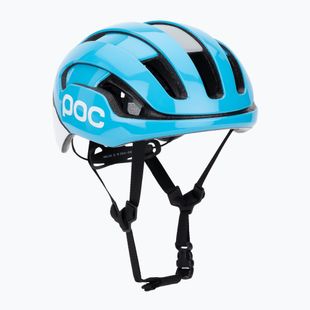 Bike helmet POC Omne Beacon MIPS kyanite blue/hydrogen white€169.99Recommended retail price: €259.99




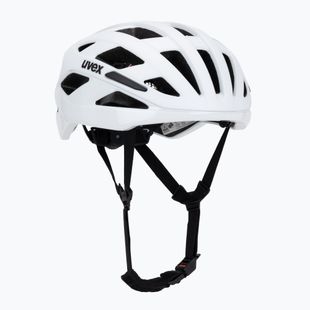


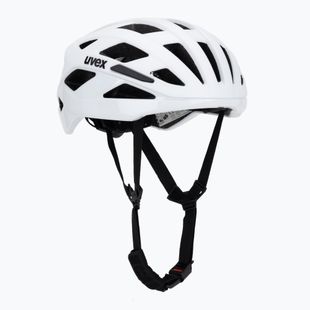


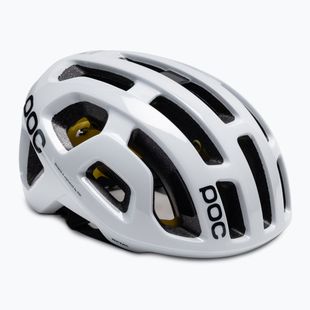


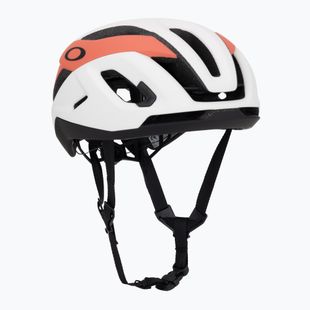


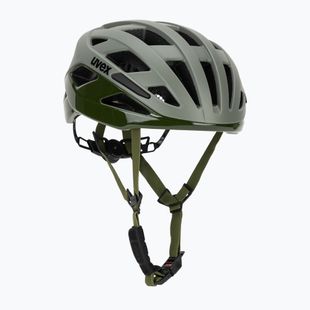
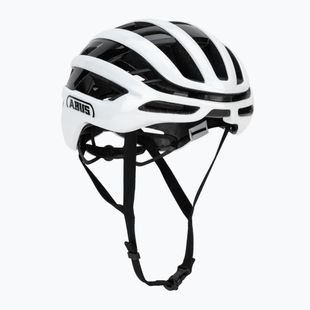


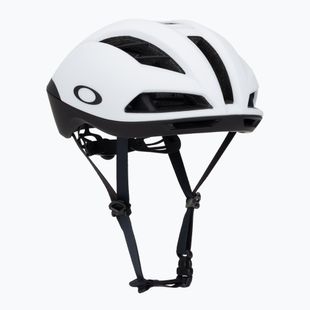


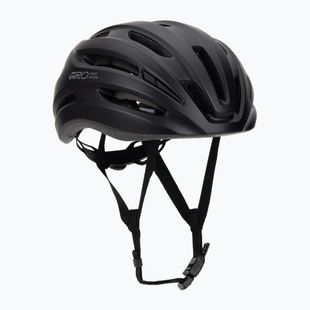


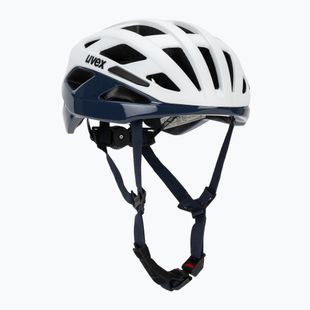
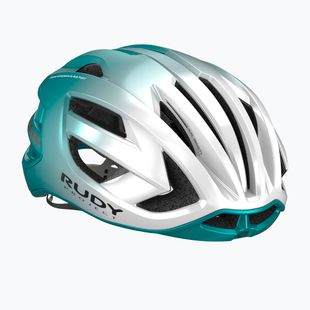


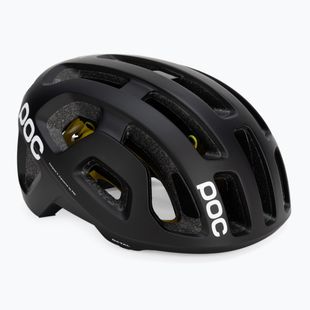
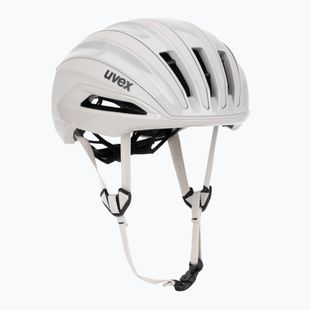


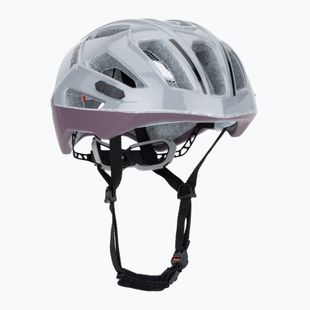


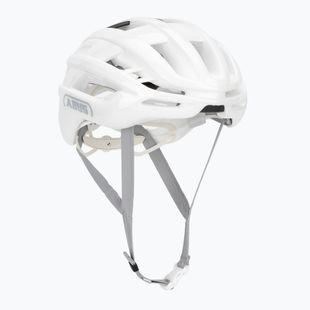
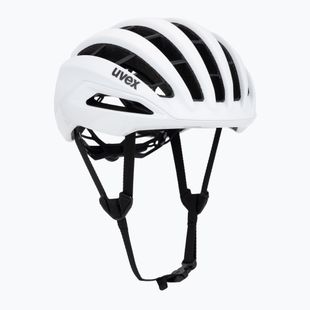


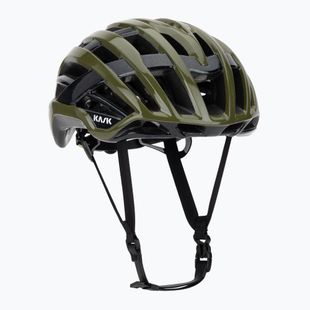


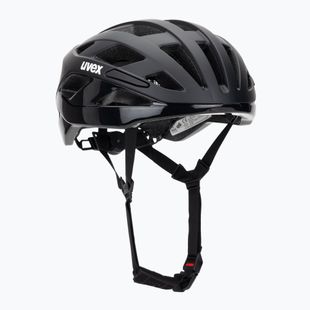
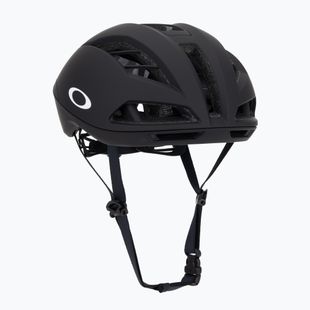
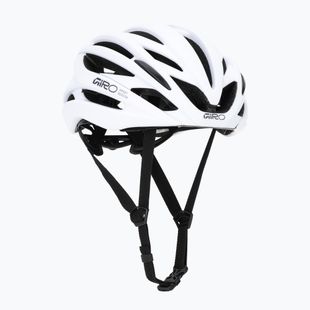


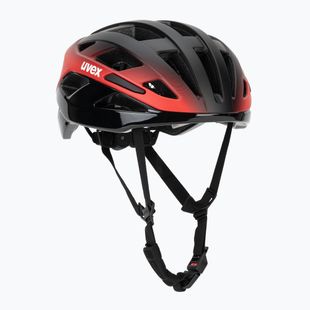
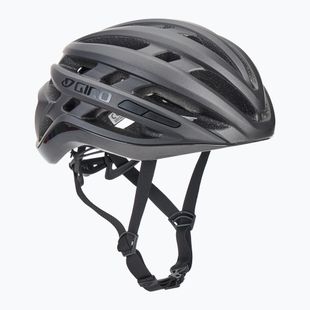
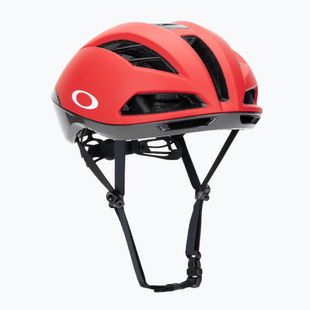
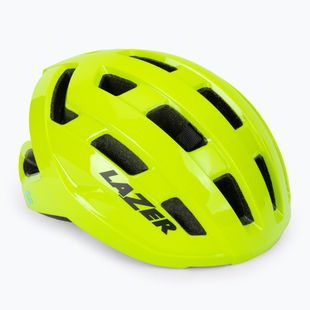


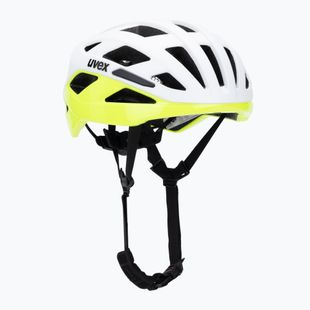


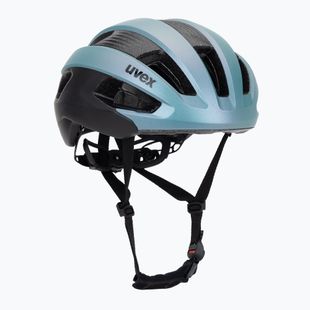


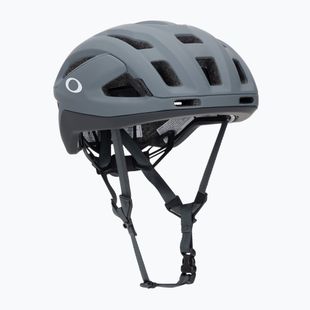


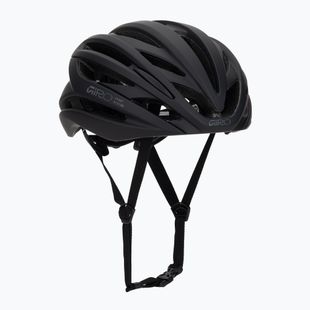
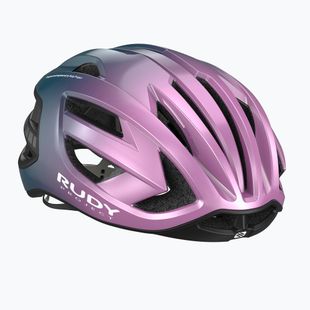
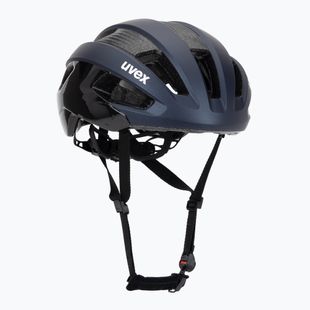
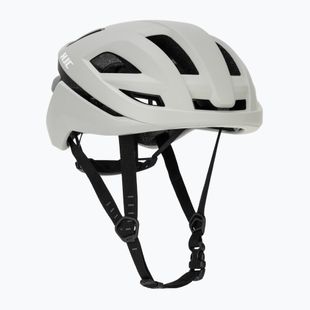


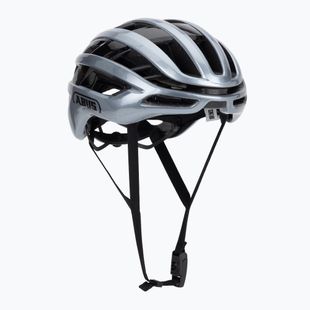


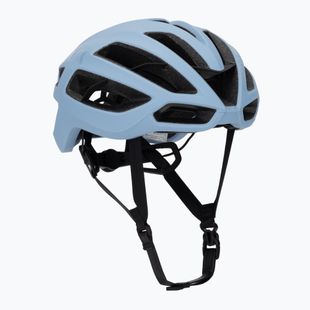


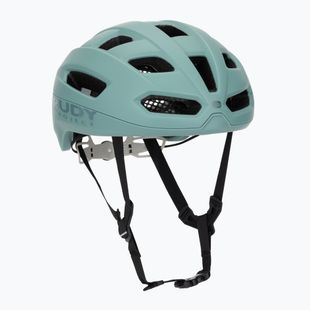


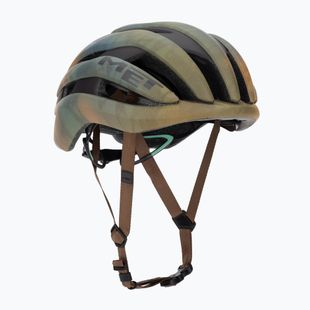


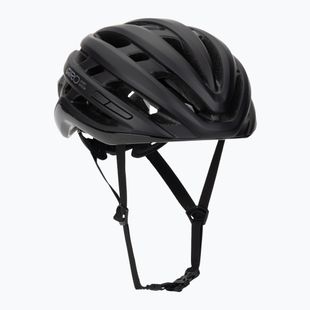
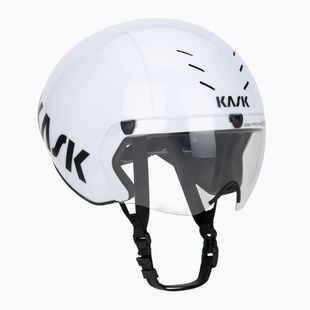
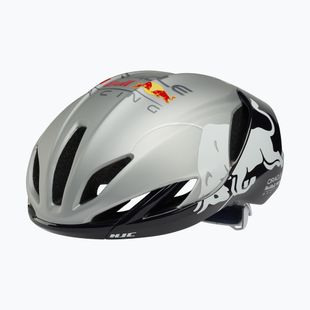


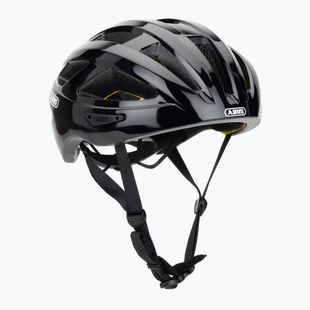


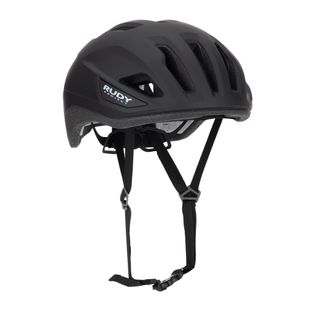


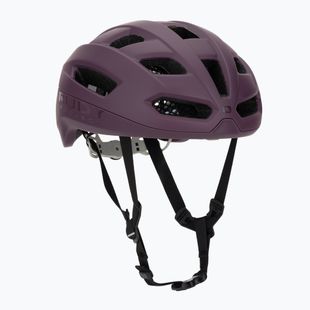
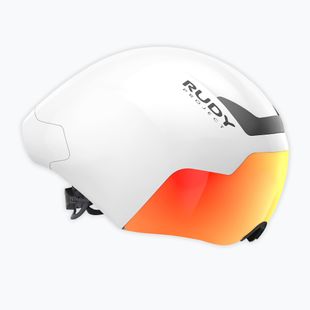
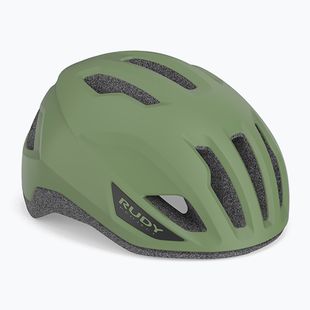
Road helmets – lightweight protection for fast riding
Road helmets are designed for riding on paved routes, where low weight, effective ventilation, a stable fit and an aerodynamic shape matter. A properly selected road helmet should stay securely on the head during fast descents, riding into the wind and dynamic position changes, while not causing localized pressure. In this category you can find both a women's road helmet and a men's road cycling helmet, although the most important criteria remain head circumference and head shape. Individual road helmets differ in the number of ventilation openings, shell construction, adjustment range, arrangement of air channels and the level of occipital coverage. The POC road helmet is worth evaluating in terms of fit, weight and the intended use of a specific model. When choosing, also consider the circumference adjustment system, adjustable side straps, soft inner pads, forehead zone shaping, glasses compatibility and visibility on the road. A POC road helmet, like models from other manufacturers, should remain stable without over-tightening the adjustment mechanism. Well-fitted road helmets allow you to focus on handling the bike, observing the route and maintaining the correct position, which is why the road helmet is a basic piece of equipment for every road cyclist.
How to choose a road helmet for head circumference and shape?
Road helmets should be chosen based on a measurement of head circumference taken above the brows and ears, corresponding to where the lower edge of the shell will sit. The measurement should be compared with the range provided by the manufacturer, because the same letter size may correspond to different values across collections. A road helmet should sit level, cover the forehead and not move when shaking the head. The adjustment dial is used for fine-tuning, but it should not compensate for an incorrectly chosen shell size. Important factors include even pressure distribution, no pressure on the temples, stable occipital position, appropriate helmet depth and free circumference adjustment. A men's road cycling helmet may offer a wider size range, while a women's road helmet can be available in different colorways or sizes, but the construction should always match the actual head shape.
Road helmets also require correct strap adjustment. The side straps should form a V shape under the ears, and the chin strap must allow a small amount of slack to enable comfortable speaking and breathing. Too-loose fastening lets the helmet shift backwards, while excessive tightness causes discomfort in the neck area. The Giro road helmet should be tried on taking into account planned additions such as a thin cap or headband. A Giro road helmet should not change position after putting on glasses, so when trying it on it's good to check the whole set. Useful helmet accessories can include items for care, transport or complementing equipment, but they must comply with the manufacturer's recommendations. Also important are easy buckle operation, smooth dial action, replaceable pads, no loose straps and stability when leaning forward. Men's and women's road helmets should not be chosen with excessive allowance, because correct fit directly affects the performance of the entire construction. A properly fitted Giro road helmet remains comfortable even during long rides, and well-adjusted road helmets do not require constant readjustment on the road.
Construction and ventilation of road helmets
Road helmets combine an outer shell with a layer of energy-absorbing material, and the way these elements are bonded affects the weight, durability and finish of the construction. In many models the shell is permanently joined to the inner layer during production, which allows for a compact profile without unnecessary weight increase. A road helmet should have an undamaged surface, evenly seated components and a working adjustment system. Visible cracks, deep dents or deformations may indicate loss of protective properties. When comparing models, consider the shell integrity, density of the inner layer, reinforcement of critical zones, occipital coverage, stable adjustment cradle and quality of straps and buckle. The ABUS road helmet can be selected based on the level of coverage, weight and the way air is channeled. An ABUS road helmet should be assessed as a whole, because a large number of openings does not guarantee effective ventilation without properly designed internal channels.
Road helmets intended for intensive riding should direct air from the front of the shell towards the exhaust openings, limiting heat build-up around the head. Not only the size of the intakes matters, but also the routing of ventilation channels, the space above the head and the arrangement of pads. A helmet used in high temperatures should allow heat dissipation even during slower climbs. A more enclosed construction may better suit people riding in cooler weather or preferring a specific aerodynamic profile. It's worth comparing the ABUS road helmet with other models in the same riding position, because the perceived airflow depends on head orientation. Cyclists can complement their kit with cycling glasses, which protect the eyes from wind, insects and small debris. Frames should not interfere with the straps or press the temples under the shell. Important aspects include space for temple arms, sweat wicking from the forehead, ventilated pads, low perceived weight, structural balance and no pressure points. Good road helmets maintain thermal comfort during long training sessions, and a properly chosen road helmet does not restrict visibility or natural head movement.
Women's and men's road helmets for training and racing
Road helmets are selected primarily according to riding intensity, time spent in the saddle and the position adopted on the bike. During easy training sessions, comfort, easy adjustment and airflow are most important, whereas in fast riding a compact profile, low weight and stability at high speed become more significant. A road helmet should not lift under the influence of airflow or shift while riding in the drops. A women's road helmet may be available in smaller circumferences, but its selection should still be based on measurement and trial. A men's road cycling helmet should likewise not be chosen solely on the basis of the collection name, because differences in head shape are more important than gender classification. Models from UVEX can be compared in terms of adjustment, ventilation and shell profile. Road helmets should be compatible with the user's position on the road bike so that when leaning forward they do not limit the field of view or press against the neck.
Road helmets for long distances should remain comfortable even after several hours in the saddle. Consider soft pads at the forehead, even weight distribution, no pressure on the temples, stable occipital adjustment, proper strap routing and effective heat dissipation. A women's road helmet can be used with hair tied in a way that does not interfere with the adjustment mechanism. Not every system allows comfortable routing of a ponytail, so it's best to check this during fitting. A men's road cycling helmet should correspond to the head circumference without requiring the adjustment mechanism to be extended to its maximum. POC and Giro road helmets may differ in interior geometry even with similar dimensions, so the final decision should be based on actual comfort.
Road helmets should work together with other clothing elements, especially glasses, a jacket collar and any layer worn under the shell. Functional cycling clothing helps maintain thermal comfort, and properly chosen cycling caps can protect against cold or sun. A cap under the helmet must be thin and must not change the correct fit of the shell. On longer rides the following also matter: easy adjustment with gloves, sweat resistance, visibility-enhancing elements, glasses compatibility, comfort on climbs and stability on descents. Whether choosing a women's road helmet or a men's road cycling helmet, it should match the riding style and remain correctly adjusted throughout the training. Properly fitted road helmets provide the comfort needed for both recreational routes and competitive road riding.