


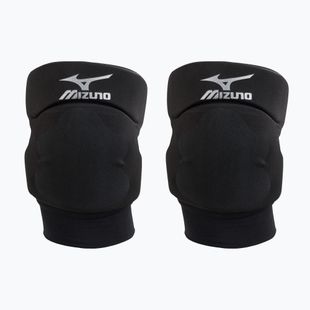
 Extra -44% with the code WARMUPMizuno Open Back Kneepad volleyball knee pads black Z59SS89009€29.99€16.79Lowest price: €13.99
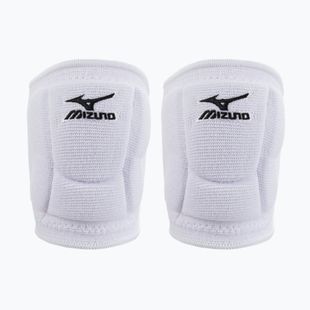 Extra -20% with the code WARMUP
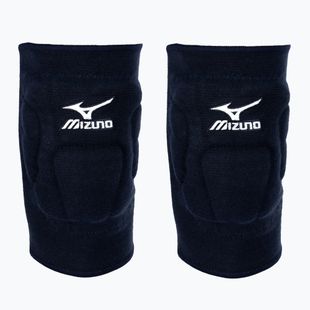 Mizuno VS1 Kneepad volleyball knee pads navy blue Z59SS89114€17.99Recommended retail price: €29.99
 Extra -5% with the code WARMUPJoma Kneepatch Jump knee pads white 400175€13.99€13.29Lowest price: €11.99
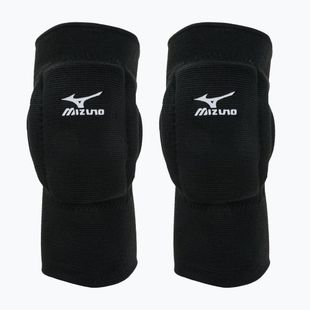 Extra -20% with the code WARMUP
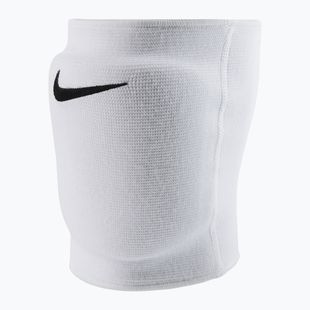 Extra -5% with the code WARMUP
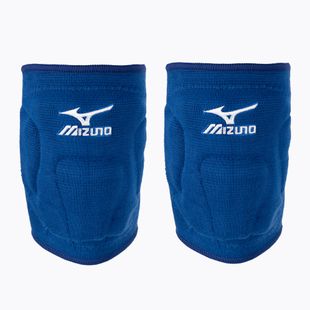 Extra -25% with the code WARMUP
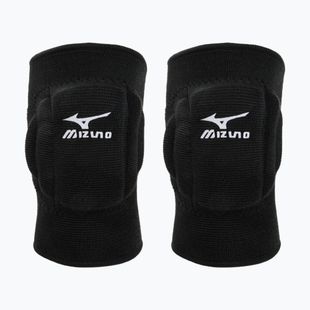 Extra -5% with the code WARMUPChildren's volleyball knee pads Mizuno Team Kneepad black V2EY5B5109_OS€15.99€15.19Lowest price: €13.99
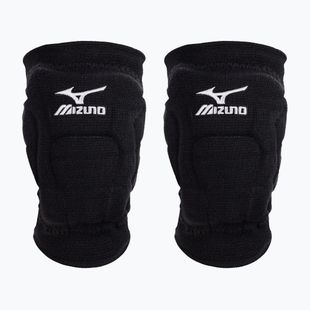 Extra -20% with the code WARMUP
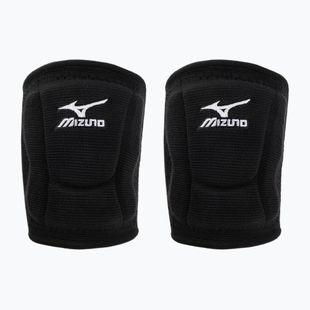 Mizuno VS1 Compact Kneepad volleyball knee pads black Z59SS89209€17.99Recommended retail price: €29.99
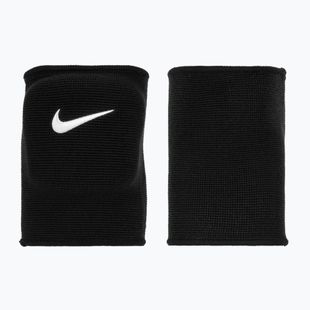 Children's knee pads Nike Essential Volleyball Knee Pads Jr black/white€25.99Recommended retail price: €32.99
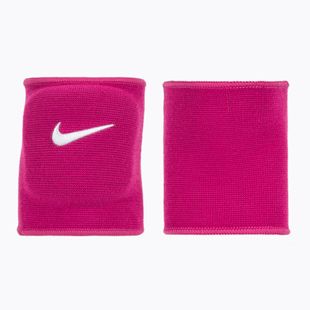 Extra -5% with the code WARMUPChildren's knee pads Nike Essential Volleyball Knee Pads Jr pink/white€25.99€24.69Lowest price: €25.64
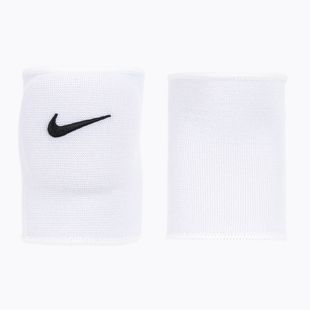 Extra -10% with the code WARMUPChildren's knee pads Nike Essential Volleyball Knee Pads Jr white/black€27.99€25.19Lowest price: €19.94
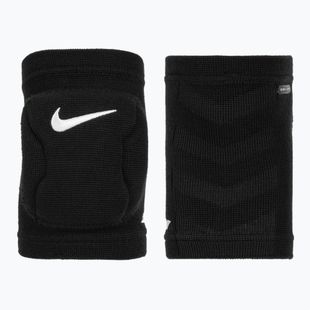 Children's volleyball knee pads Nike Streak Volleyball Knee Pads Jr 2 pairs black€34.99Recommended retail price: €44.99
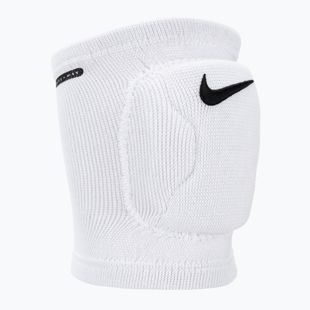 Children's Nike Streak Volleyball Knee Pads Jr 2 pcs white/black€29.99Recommended retail price: €44.99
 Extra -5% with the code WARMUP
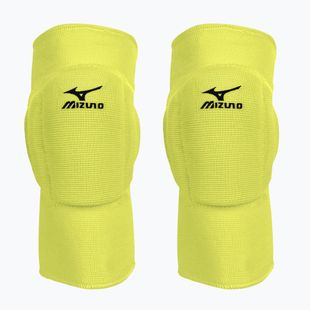 Extra -10% with the code WARMUP
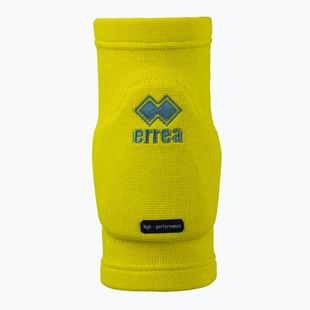 NewKnee pads Errea Tokio Knee yellow/fluo€32.99 -13%Lowest price: €37.99Recommended retail price: €37.99
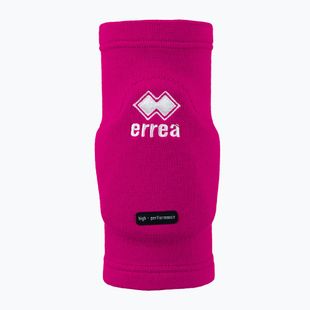 NewKnee pads Errea Tokio Knee fuchsia€32.99 -13%Lowest price: €37.99Recommended retail price: €37.99
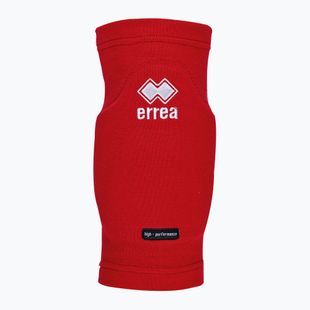 New
New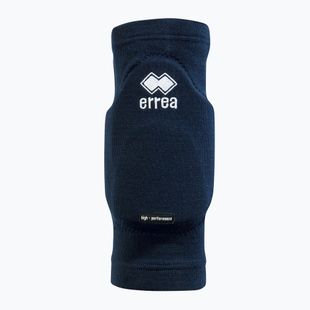 New
New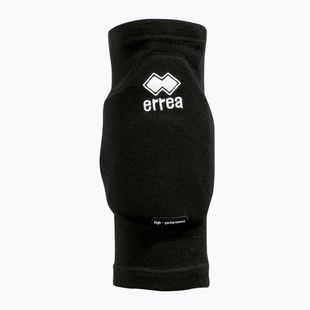 New
New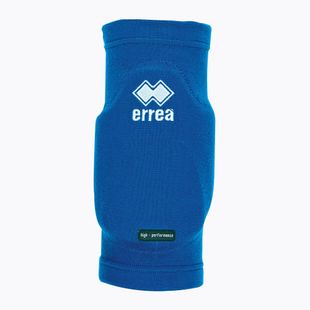 New
New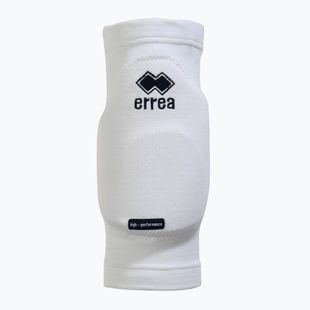 New
New Extra -10% with the code WARMUP
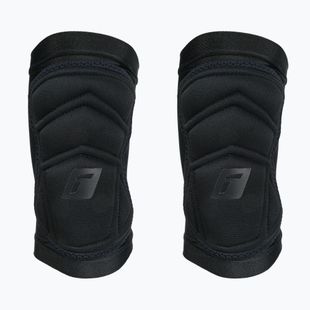 Extra -10% with the code WARMUPReusch Active Knee Protector black 5277000-7700€15.99€14.39Lowest price: €14.44
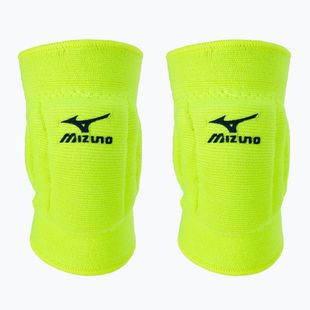 Children's volleyball knee pads Mizuno Team Kneepad yellow V2EY5B5142€13.99Recommended retail price: €23.99
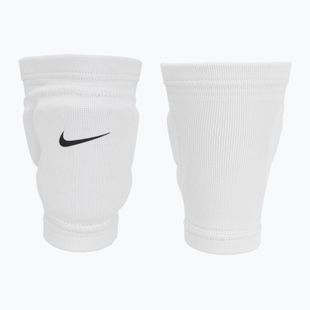 Volleyball knee pads Nike Varsity Volleyball Knee Pads white/black€48.99 -17%Lowest price: €58.99Recommended retail price: €58.99
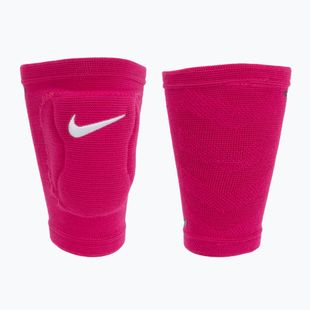 Volleyball knee pads Nike Streak Volleyball Knee Pads pink€37.99 -16%Lowest price: €44.99Recommended retail price: €44.99
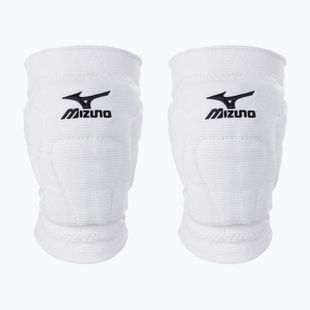


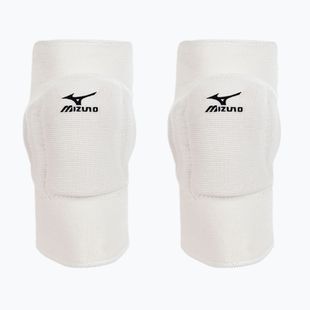


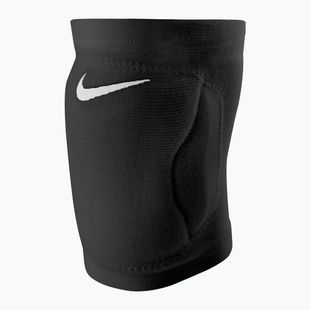


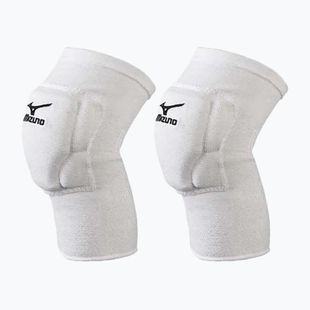
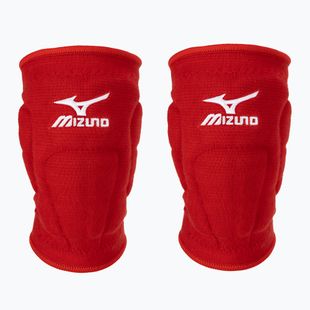
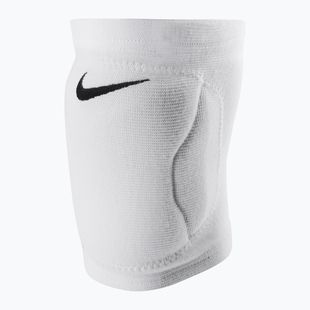


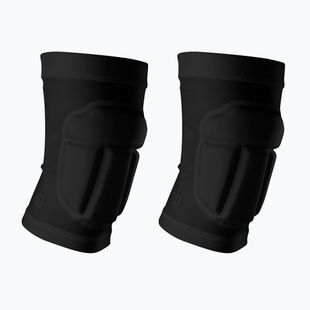


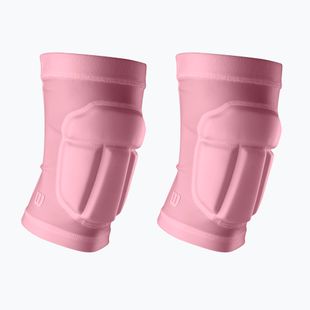
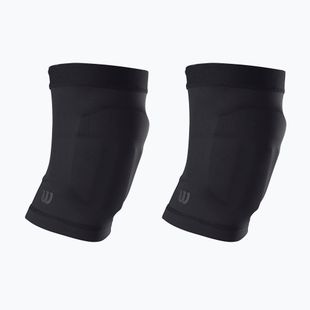


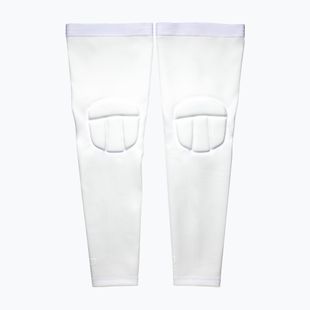


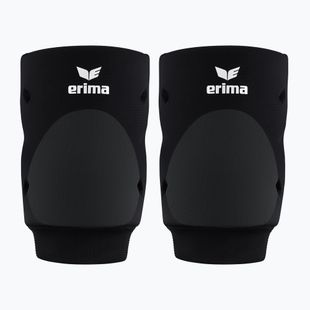
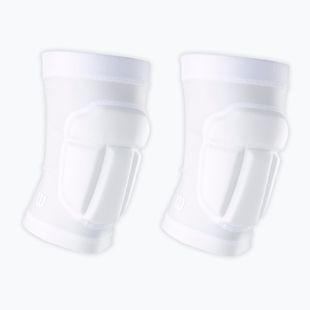
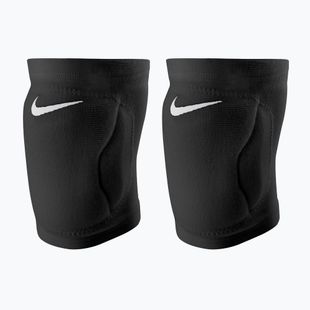


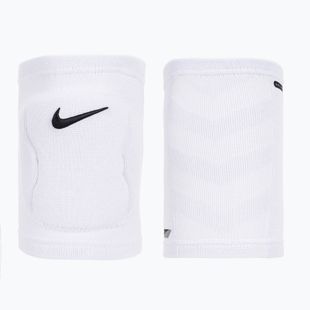

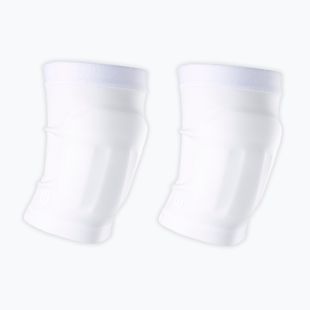
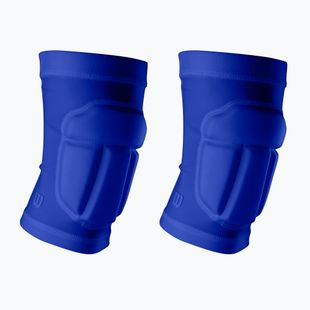
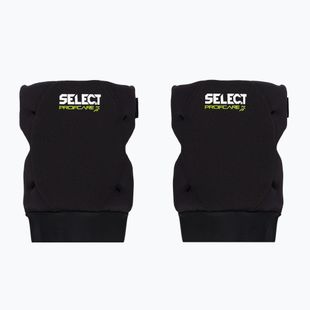
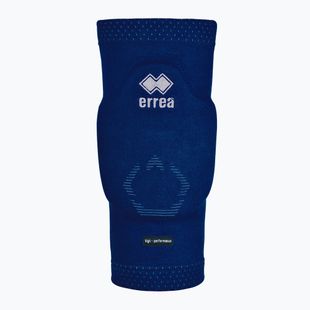


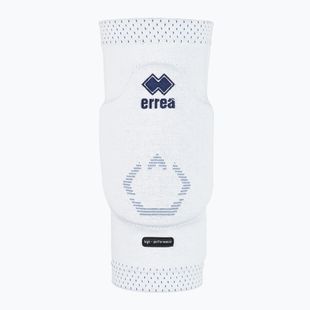
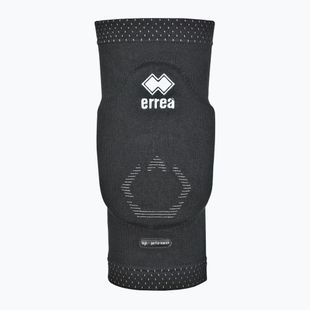
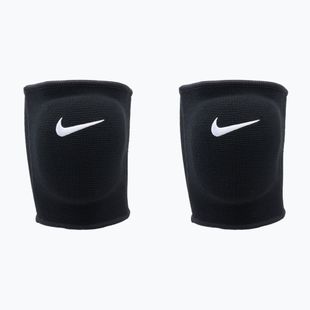


Knee pads and volleyball protectors – support during defense and floor play
Volleyball knee pads and protectors are intended for players who, during training and matches, perform dives, defensive plays and other dynamic movements that end with contact with the court. Well-fitted volleyball knee pads cover the front and side of the knee joint, and their construction should allow free bending of the leg during receiving, defense and movement around the court. Volleyball protectors can vary in coverage, padding thickness and the length of the elastic sleeve, so choosing knee pads and volleyball protectors should take into account size, leg circumference, level of cushioning, material elasticity, stability during movement, breathability, coverage, padding softness, seam quality and ease of care. Volleyball knee protectors should not slide down during a jump or shift upon landing, because constantly readjusting equipment interferes with concentration on the game. Similarly, a single volleyball protector must fit securely without excessive pressure behind the knee. Among products intended for indoor play are Mizuno knee pads and Mizuno volleyball knee pads, and the brand's Mizuno offering includes equipment for various team sports. Complementing upper-body protection can be volleyball arm sleeves, used according to the player's preference. Volleyball knee pads should be tried on while standing and with a deep knee bend to check whether they restrict joint movement. Volleyball knee protectors should remain stable even during a quick transition from defense to jump. For younger players, children's volleyball knee pads and children's volleyball protectors must be chosen according to the actual leg circumference, not only age. Proper fit increases comfort when using knee pads and volleyball protectors throughout the entire training session.
Knee pads and volleyball protectors – cushioning, fit and freedom of movement
Knee pads and volleyball protectors should combine protection of areas exposed to court contact with the ability to perform the full range of motion. In well-designed volleyball knee pads the protective material is arranged to shield the knee during a dive without creating a rigid barrier when bending the leg. Volleyball knee protectors can use different types of soft padding, so it's worth comparing not only its thickness but also resilience, placement of protective zones, profiling, resistance to deformation, sleeve elasticity, fabric breathability, edge finishing, stability on the leg, comfort during long training sessions and the possibility of washing according to the manufacturer's recommendations. Volleyball knee protectors should also cover the vulnerable area when a player moves sideways or lands at a slight angle. Volleyball knee pads that are too loose may rotate on the leg, while excessively tight ones can cause discomfort and leave noticeable pressure marks. Popular products include ASICS knee pads and ASICS volleyball knee pads. Models from the ASICS brand should be selected based on the size chart and the construction of the specific product, because the manufacturer's name alone does not guarantee the correct fit. ASICS knee pads may vary in the profile of protection, sleeve length and the amount of material around the knee, as do other volleyball protectors. ASICS volleyball knee pads should be checked during a squat, a lunge and several dynamic steps to assess the behavior of the material. When assembling the outfit, properly selected volleyball shoes are also important, because the stability and cushioning of the footwear contribute to comfort when moving around the court. Volleyball arm protectors serve a different function than models worn on the knees, but they should also be fitted without unnecessary pressure. A single volleyball protector should always be used according to its intended purpose and design. When choosing knee pads and volleyball protectors, it is best to consider the user's anatomy, the intensity of play and the area that needs protection.
Knee pads and volleyball protectors for children and adults – how to choose the size?
Knee pads and volleyball protectors require precise fitting, because both excessive looseness and too-tight compression of the leg can hinder free movement on the court. Children's volleyball knee pads are best selected based on the dimensions indicated by the manufacturer, taking into account leg circumference and the point where the elastic sleeve ends. Children's volleyball protectors should not be purchased with a large allowance for growth if this causes the protective insert to shift beyond the knee area. For adults, volleyball knee pads should also be fitted individually, paying attention to circumference above the knee, circumference below the knee, protector length, material elasticity, position of the cushioning insert, freedom of flexion, stability during jumps, no edge rolling, ventilation and comfort during repeated dives. It's worth trying knee pads and volleyball protectors on both legs, because small differences in circumference can affect perceived fit. Volleyball knee protectors should keep the protective insert in the correct place without the need to readjust it after every action. Children's volleyball knee pads should also allow freedom during learning the defensive position, and children's volleyball protectors must be easy to put on correctly before training. Among sports products you can find models from the Nike brand, which should be compared with other variants primarily in terms of size and construction. Volleyball arm protectors should likewise be selected to match the limb circumference so the material does not shift during movement. Also useful in a complete set are volleyball clothing items, whose cut should work with the protectors and not cause additional pressure. Mizuno knee pads or Mizuno volleyball knee pads may have different proportions than models from other brands, so it's worth using the manufacturer's sizing chart instead of automatically choosing the same size. The same approach applies to ASICS models and other volleyball knee pads. The correct size helps maintain stability of knee protectors during subsequent actions. This way, using knee pads and volleyball protectors remains comfortable both for younger players and for those who train regularly.
Knee pads and volleyball protectors for training and matches – care and wear inspection
Knee pads and volleyball protectors are repeatedly exposed during play to friction against the court, sweat, stretching and pressure during dives, so they require regular inspection of their technical condition. Volleyball knee pads should be dried after training and stored outside a closed bag, and the washing method should always be matched to the information provided by the manufacturer. Volleyball protectors can lose resilience over time, so you should check the condition of the cushioning insert, sleeve elasticity, seam quality, wear of the outer material, stability on the leg, shape of the shield, edge condition, comfort when bending, absence of permanent deformations and the protector's response upon contact with the surface. Volleyball knee protectors with clearly damaged padding or a stretched sleeve may need to be replaced if they stop staying in the correct position. Similarly, a volleyball protector used very intensively should be regularly inspected for cracks, abrasions and unraveling seams. Volleyball knee protectors should not be dried by methods not recommended by the manufacturer, because high temperatures can affect some elastic materials and foams. Volleyball arm protectors also require regular washing, especially if used several times a week. Among sports equipment manufacturers is Wilson, whose products can be considered when assembling team sports gear. Appropriately selected volleyballs are also useful in training, matching the nature of the sessions and the players' level. Children's volleyball knee pads must also be checked for size, because as the player grows a previously comfortable model may begin to squeeze excessively. Children's volleyball protectors should remain stable even after many wash cycles, and obvious stretching of the material is a signal to recheck the fit. Adult volleyball knee pads should also be tried on periodically again, especially after an intense season. Proper care, wear inspection and the correct size help preserve the functionality of knee pads and volleyball protectors through subsequent trainings and matches.