


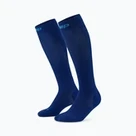
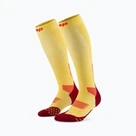
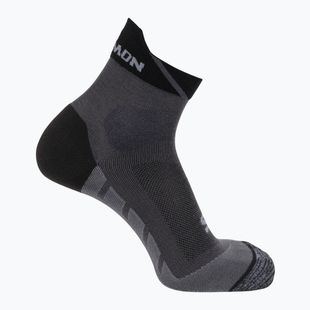
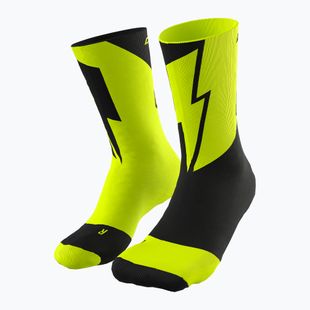
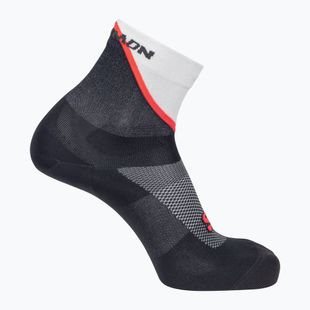
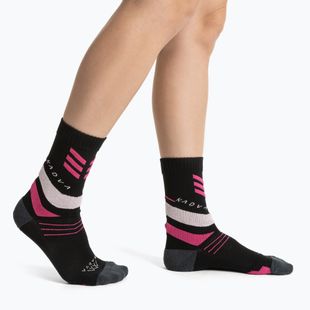
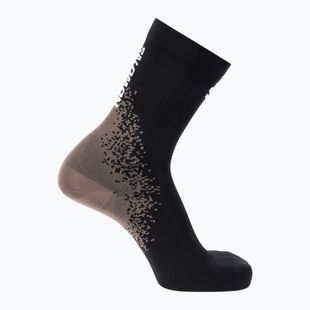
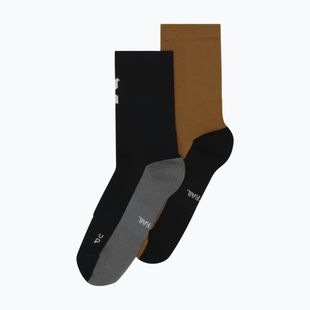
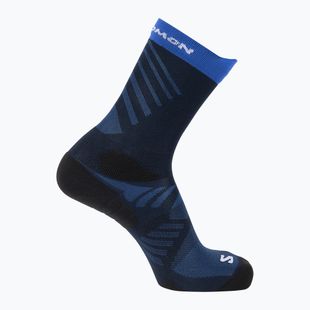
 Salomon Speedcross Ankle running socks black/magnet/quarryFrom €10.99Recommended retail price: €17.99
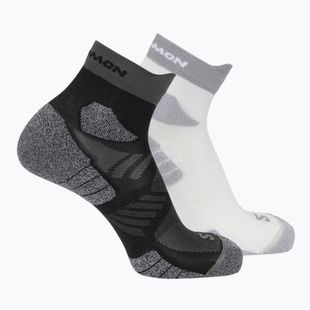 Extra -10% with the code WARMUPSalomon Aero Ankle socks 2 pairs white/black€7.89€7.10Lowest price: €7.69
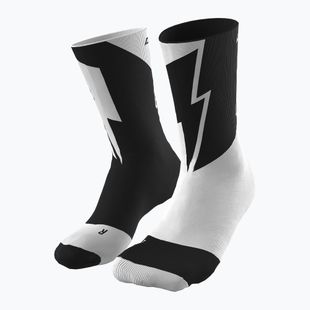 Extra -10% with the code WARMUP
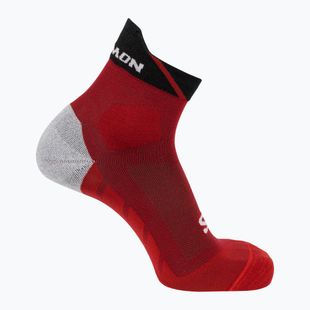 Salomon Speedcross Ankle red dahlia/black/poppy running socks€11.99Recommended retail price: €20.99
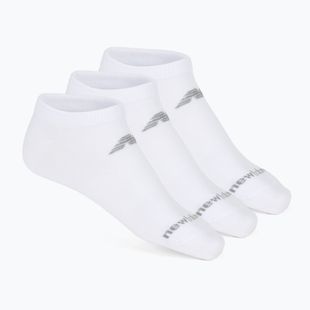 Socks New Balance Performance Basic No Show 6 pairs garter snake€12.99Recommended retail price: €18.99
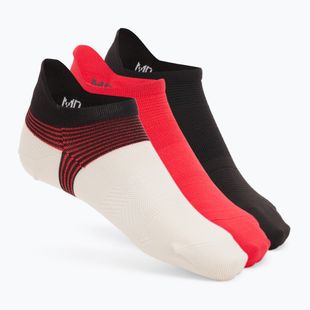 Men's socks Under Armour Dry Run Lite No Show 3 pairs stone/racer red/reflective€10.99Recommended retail price: €27.99
 Extra -10% with the code WARMUP
 Extra -10% with the code WARMUP
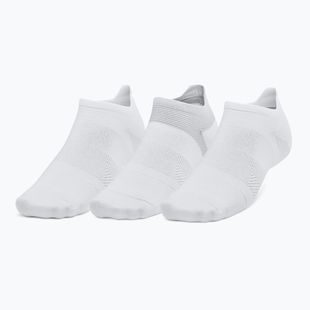 Men's Under Armour Dry Run Lite No Show running socks 3 pairs white/white/reflective€11.99Recommended retail price: €27.99
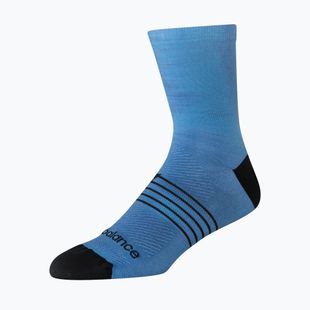 Socks New Balance Pro Run Cushion Quarter print/pattern/misc€12.99Recommended retail price: €18.99
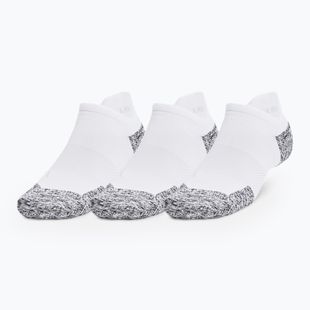 Extra -15% with the code WARMUPUnder Armour Dry Run Cushion No Show running socks 3 pairs white/halo gray/reflective€15.99€13.59Lowest price: €12.59
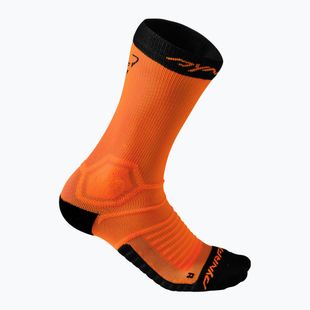 Extra -5% with the code WARMUP
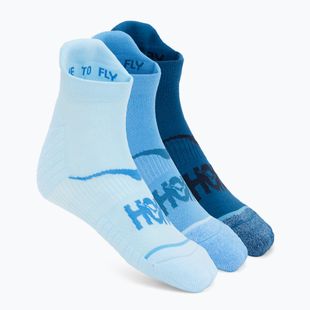 New Extra -5% with the code WARMUP
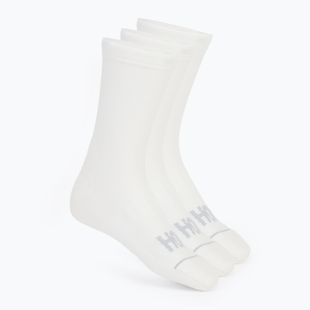 Extra -15% with the code WARMUP
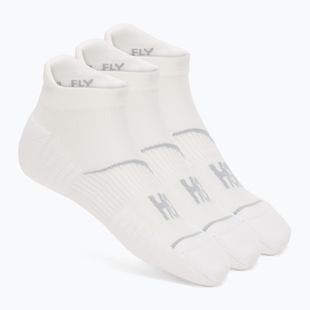
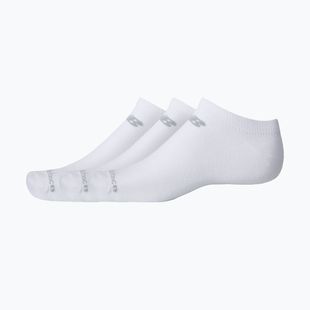
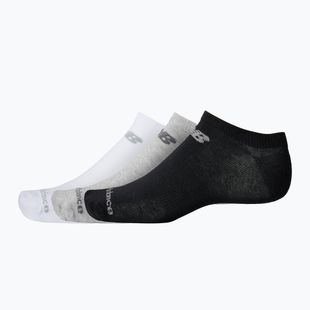 Socks New Balance Performance Basic No Show 3 pairs white multi€7.89Recommended retail price: €11.99
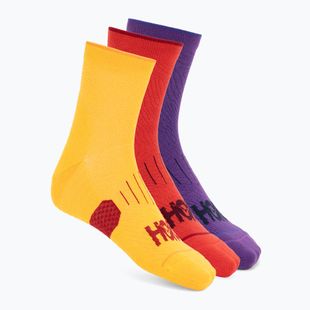 New Extra -5% with the code WARMUPSocks HOKA Quarter Run Sock 3-Pack egg yolk/cerise/virtual violet€37.99€36.09Lowest price: €33.14
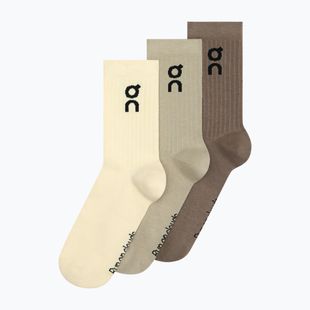 New Extra -10% with the code WARMUP
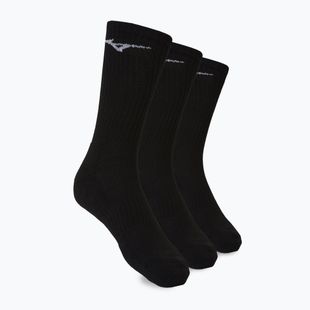 Extra -10% with the code WARMUP
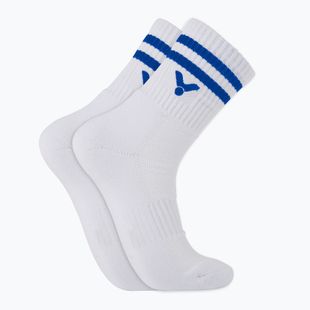
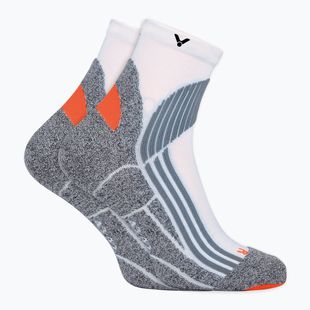 Extra -15% with the code WARMUPVICTOR Indoor Explosion 2pack socks€20.99€17.84Lowest price: €18.69
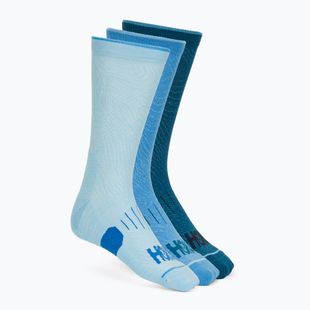 New Extra -5% with the code WARMUPSocks Hoka Crew Run Sock 3-pack hazy blue/soft cobalt/night glow blue€37.99€36.09Lowest price: €37.99
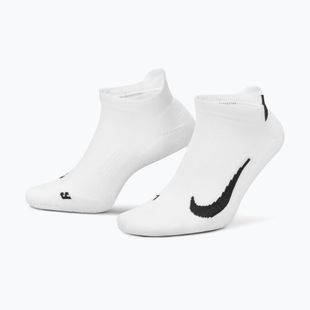 Extra -15% with the code WARMUPSocks Nike Court Multiplier Max 2 pack white/black€17.99€15.29Lowest price: €16.19
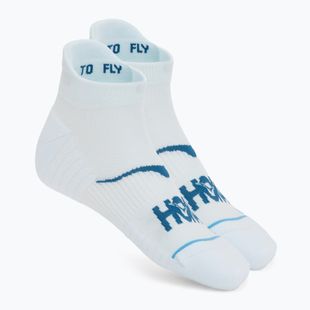 New Extra -5% with the code WARMUP
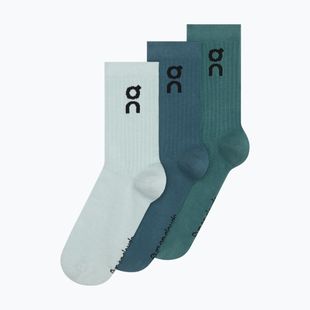 New Extra -5% with the code WARMUP
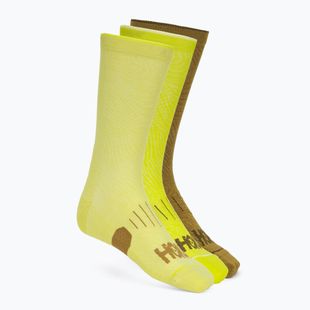 New Extra -5% with the code WARMUPSocks Hoka Crew Run Sock 3-pack hoka citrus/pomelo yellow/mustard seed€37.99€36.09Lowest price: €36.09
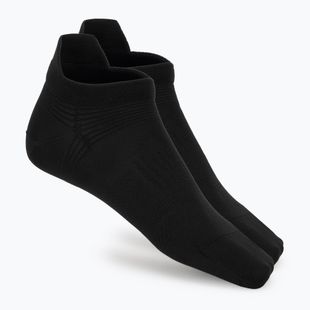 Socks Under Armour Velociti Lite NS ultimate black/ultimate black/ultimate black€8.89Recommended retail price: €18.99
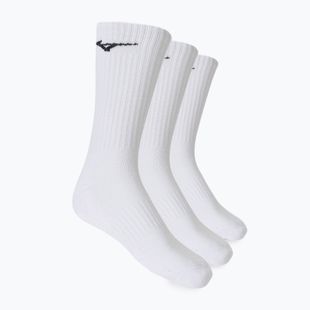 Extra -5% with the code WARMUP
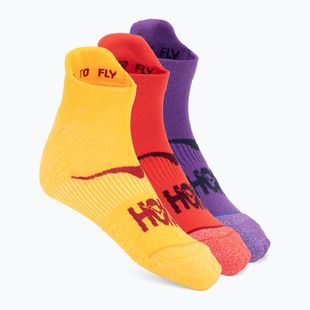 NewSocks HOKA No-Show Run Sock 3-pack egg yolk/cerise/virtual violet€27.99Recommended retail price: €32.99
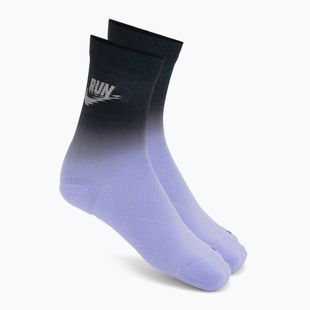 NewSocks Nike Run Midweight purple pulse/black€11.99 -14%Lowest price: €13.99Recommended retail price: €13.99
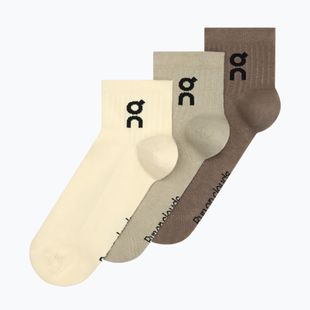 New Extra -5% with the code WARMUP
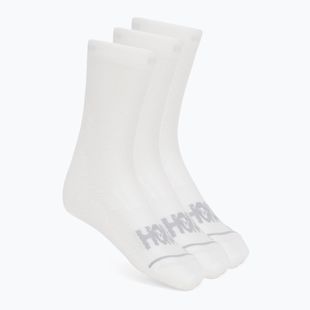 New Extra -5% with the code WARMUP
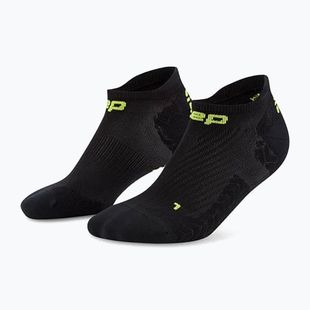 Extra -10% with the code WARMUP


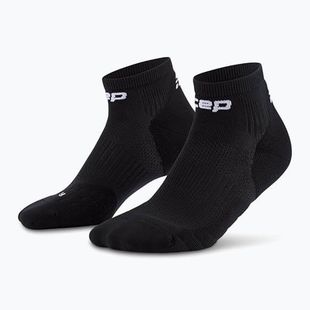


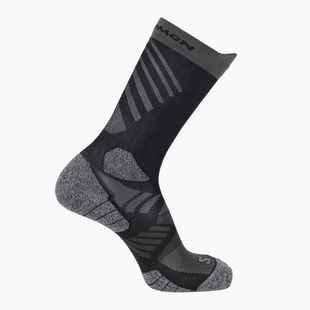


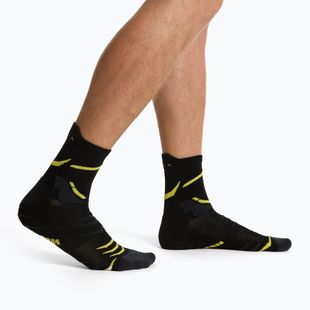


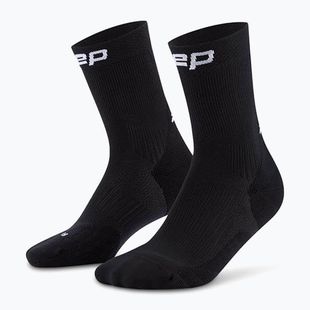


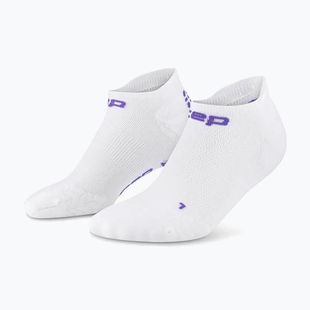


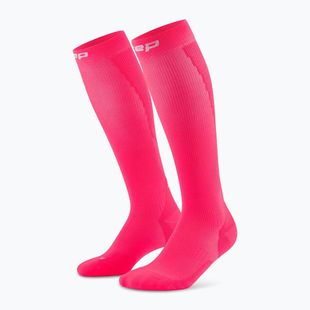


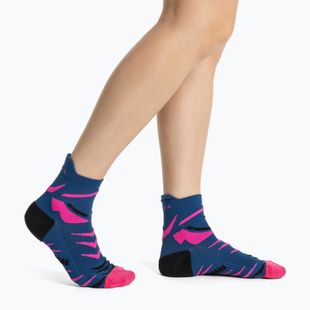














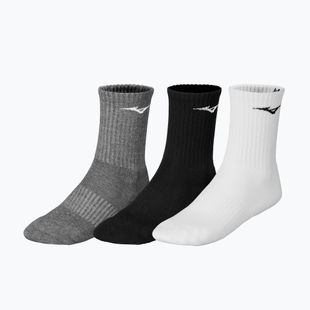
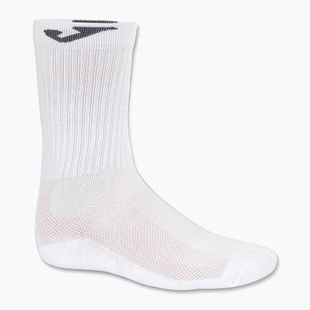




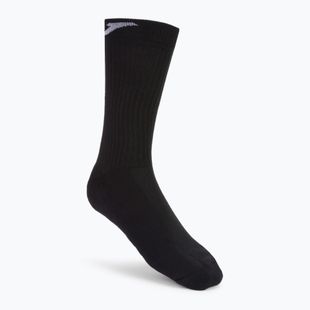










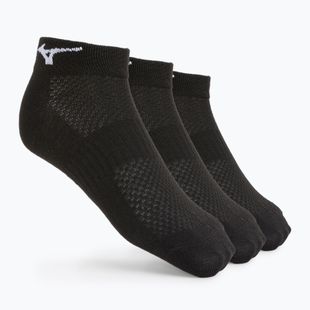


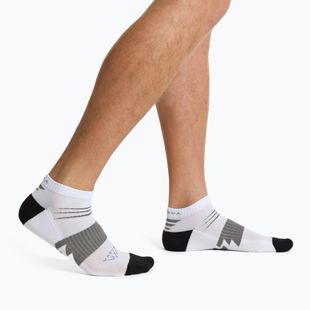


Women's and men's running socks for training and races
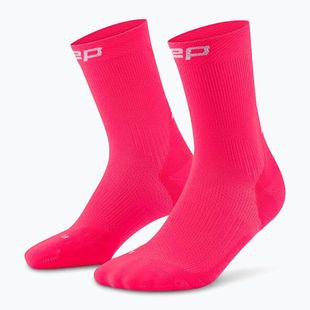
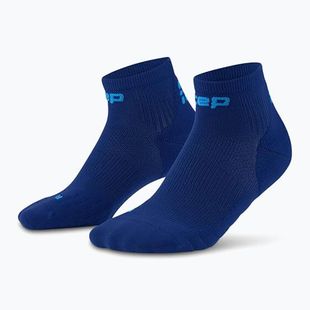
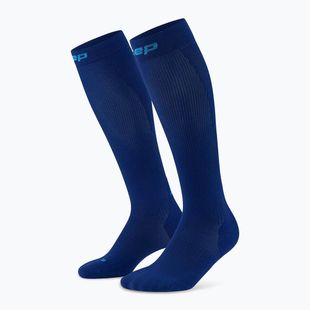
Running socks are the direct layer between the foot and the inside of the shoe, so their fit affects comfort during a short workout, a long run and race starts. Compared to regular everyday socks, they are constructed with repetitive foot motion, heavy sweating and the pressures generated while running in mind. Running socks differ in height, thickness, seam placement, reinforcement layout and the degree of arch fit. Women's and men's running socks should be chosen based on foot length and width, not only on gender labeling. When choosing, important factors include effective moisture wicking, flat toe finish, reinforced heel, midfoot protection, elastic cuff, breathable knit, secure fit, no creasing and abrasion resistance. Models from CEP can be compared by height, construction and compression level. Compression running socks are a separate product group and should be fitted according to the manufacturer's sizing chart. The right model reduces material movement inside the shoe and helps maintain comfort over the kilometres, which makes running socks an important part of gear.
How to choose the size and height of running socks?
Running socks should lie evenly against the foot without rolling, wrinkling or pressing in a way that restricts toe movement. An oversized pair can create folds in the forefoot area of the shoe, while a too-small pair will overstretch the material and increase seam tension. Running socks should be selected based on foot length and the size range provided by the manufacturer. Women's running socks may have a narrower construction around the heel and midfoot, while men's running socks often offer a wider fit, but actual comfort always depends on the real fit. When trying them on check the heel zone positioning, toe seam placement, instep stability, toe freedom, no pressure at the ankle, cuff elasticity, even knit tension, comfort in motion, no rolling and compatibility with shoe size. Nike running socks can be considered when assembling a training outfit, and the brand's main range is available at Nike. When choosing a model, it's worth trying it on together with the shoes you use for training, because the available space inside the upper affects perceived comfort. Correct size is fundamental so that running socks stay in place for the whole session.
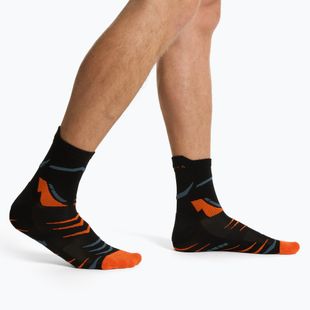
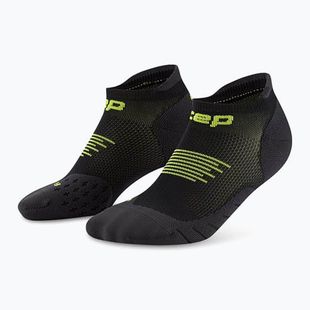
Running socks come in invisible (below the upper), low, ankle and long versions. Low models work well on warm days if their rear section protects the skin from contact with the shoe collar. Ankle running socks provide more protection against small stones and sand, which is why they are often chosen for trail workouts. Long variants can serve a protective or compressive function, but they should have a stable top cuff that does not slip during running. When choosing, also consider shoe upper height, ambient temperature, surface type, training duration, sensitivity of the skin, ankle protection, amount of material under the foot, ease of putting on, resistance to soiling and comfort under leggings. ASICS running socks may be available in different heights, so compare specific models rather than relying solely on the brand logo. For urban training it is also worth choosing appropriate road running shoes, whose interior should work well with sock thickness. Women's and men's running socks can have similar compositions but differ in profile and available sizes. The right height helps avoid direct rubbing of the upper against the skin, so match it to the shoes and the conditions in which the running socks will be used.
Running socks for road and trail – materials and cushioning
Road running socks should reduce discomfort related to repeated impacts on a hard surface, but they should not excessively increase the volume inside the shoe. Models with moderate reinforcement under the heel and forefoot can improve comfort during longer runs. Thin running socks provide a more direct contact with the insole and are often chosen for snug racing shoes. Thicker variants can work well on easy runs if there is enough room in the shoe. When comparing products evaluate toe pad thickness, heel reinforcement, forefoot cushioning, knit density, inner softness, abrasion resistance, flexibility in motion, no hard seams, even fit and quick drying. Models from ASICS can be compared with other options by thickness, height and construction. ASICS and Nike running socks may have different placements of ventilation zones, so choice should be based on individual feel and fit with your shoes. Appropriate cushioning does not replace properly fitted shoes but can increase the comfort that running socks provide during regular training.
Trail running socks are exposed to sand, moisture and small debris entering the upper. For this reason a slightly higher construction and a durable knit resistant to intensive use inside a shoe are useful. Trail running socks should wick moisture efficiently and retain their fit even when wet. On uneven terrain the foot makes more lateral movements, so midfoot stabilization, ankle protection, reinforced toe area, durable heel, elastic fibres, reduced slippage, fast drying, breathable structure, no rough edges and long-distance comfort are important. Trail shoes can be found in the category trail running shoes, matching their interior to the thickness of the socks you use. Products from HOKA are worth comparing with other running gear in terms of fit and purpose. Men's trail running socks may be available in a wider size range, while women's trail running socks should securely wrap a narrower foot if that is the profile. Regardless of labeling, a well-chosen model does not shift downhill or form lumps during ascents. In the outdoors material durability, which running socks should preserve, is especially important.
Compression running socks – fit and use
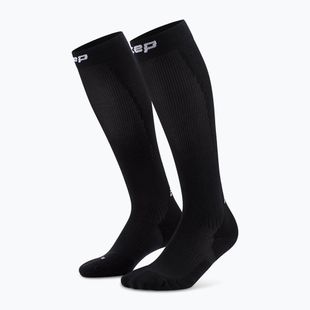
Compression running socks apply graduated pressure to specific areas of the foot and lower leg, so their size should be determined according to the instructions of the specific manufacturer. Compression running socks should not be chosen solely by shoe size if the sizing chart also requires calf or ankle circumference measurements. Compression running socks of this type should fit evenly without the top edge rolling down or creating tightly pressing folds. When putting them on, set the heel precisely and then gradually distribute the material up the calf. Important features include graduated compression level, anatomic profile, stable heel zone, flexible midfoot, flat toe finish, breathable construction, no rolling, appropriate length, easy removal and compliance with the size chart. Compression running socks can be found in the category compression running socks, where models for different uses are available. If numbness, pain or a marked change in skin color occurs after putting them on, remove the product and recheck the size. People with circulatory issues should consult a specialist before using compression. Correct fit is crucial for comfortable use of running socks.
Higher-compression running socks can be worn during training, races or post-exercise recovery if the manufacturer specifies such uses. Individual models differ in length, construction and compression level, so they should not be treated as identical products. Tall running socks should stay in place for the entire session without the need for adjustment. Compression running socks require particularly careful checking of ankle circumference, calf circumference, foot length, upper height, fiber elasticity, placement of pressure zones, knee comfort, no folds, moisture wicking and durability after washing. Complementary pieces can be found in the compression running apparel category, selected based on activity type and expected support. Nike and ASICS running socks should be compared by specific parameters, because the presence of elastic zones does not always mean the same compression level. A training model should maintain its position despite repetitive ankle movements, while a recovery product may have a different construction. Conscious sizing and intended use reduce the risk of discomfort, allowing running socks to perform according to their purpose.
How to wash running socks and preserve their properties?
Running socks require regular washing because they are in direct contact with the skin and absorb moisture produced during exercise. After a workout they should not remain for many hours in a closed bag, as damp knit dries more slowly and can lose freshness. Running socks are best washed according to the instructions on the label, turning them inside out beforehand. High temperatures and intense drying can weaken the elastic fibres responsible for fit. Useful rules include gentle wash cycle, temperature according to recommendations, small amount of detergent, thorough rinsing, avoidance of bleach, limiting fabric softeners, drying away from a radiator, no vigorous wringing, protecting the cuffs and complete drying. Women's running socks and men's running socks should be checked after each wash for permanent deformations. Compression running socks may require gentler care to preserve even elasticity. Other apparel pieces can be found in the running apparel category, completing a set appropriate to temperature and workout intensity. Proper care helps maintain the fit that running socks should offer for longer.
Before next use, check running socks for abrasion, loose threads and loss of elasticity. Damage most often appears at the heel, toes and under the forefoot—areas of intense contact with the insole. Running socks with a clearly stretched cuff can shift in the shoe, and material lumps increase the risk of irritation. When assessing durability consider seam condition, knit resilience, smoothness of the toe area, heel stability, no permanent folds, even thickness, color fastness, no pilling, shape retention and comfort after washing. Nike running socks may require different care conditions than ASICS running socks, so always follow the care instructions for the specific model. Women's running socks and men's running socks should be stored loosely folded, without strongly stretching the top edge. It is also good to have several pairs in different thicknesses and heights to match shoes, weather and surface. A conscious choice of material, size and construction allows you to find a model for road, trail, short workouts and long distances, providing the comfort expected from running socks.