


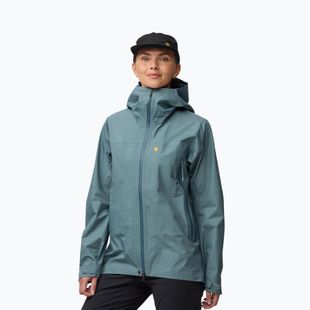
 Extra -5% with the code BLACKBELTMen's softshell jacket Fjällräven Bergtagen GTX Lite nimbus blue€419.99€398.99Lowest price: €377.99
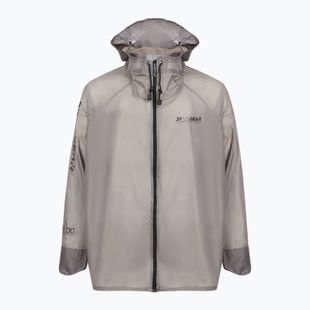 Extra -15% with the code HEROMASTER
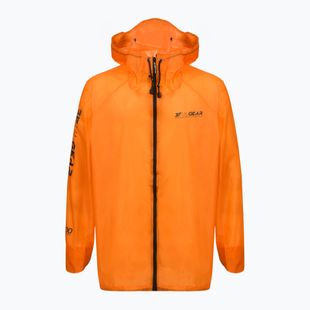 Extra -15% with the code HEROMASTER
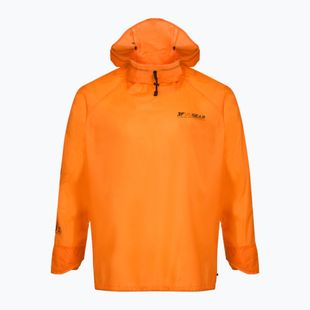
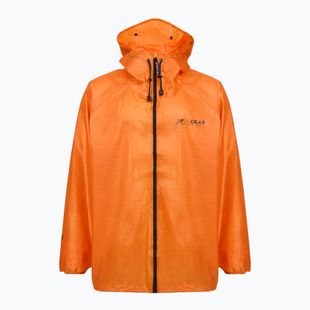 Extra -5% with the code BLACKBELTRain jacket 3F UL Qingsuo 20D Z Orange€39.99€37.99Lowest price: €39.99
 Extra -5% with the code BLACKBELT
 Extra -5% with the code BLACKBELT
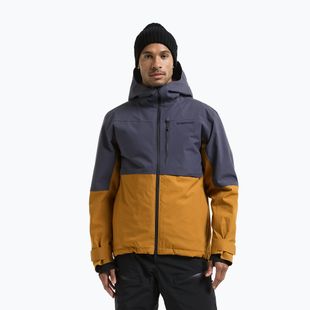 New Extra -25% with the code BLACKBELTJacket Didriksons Asp spice brown€249.99€187.49Lowest price: €187.49


Men's trekking jackets – protection from wind, rain and cold in the mountains
Men's trekking jackets are the foundation of clothing for anyone heading into the mountains, because weather on the trail can change within minutes. Wind on the ridge, rain on the approach and chill during stops require clothing that protects but does not restrict movement. In this category you will find waterproof models, lightweight layers for warm days and insulated options for autumn and winter. This makes it easy to choose clothing for the season, route type and your needs, whether you are going for a short walk or a multi-day trek. A well-chosen jacket makes the trail enjoyable even when the weather is bad. The selection includes both classic sets and a men's 3-in-1 trekking jacket where the insulation can be detached when it gets warmer. A good men's trekking jacket should have a hood, a comfortable cut and pockets you can reach without taking off your backpack. We pay attention to material, waterproofing, breathability and weight, because these determine how the garment will perform on an all-day hike. You will find options for beginners and for those who spend a whole season in the mountains. Below we describe how to choose a membrane, insulation, cut and brand and how to care for the jacket after returning from the trail. Choose men's trekking jackets that will provide comfort in any weather.
Membranes and Gore-Tex: how to choose a men's Gore-Tex trekking jacket for rainy days
When choosing men's trekking jackets for mountain hikes, start with the outer material, as it determines protection from rain and wind. The most popular solution is a membrane, a thin layer that keeps water out while allowing water vapor from the inside to escape. A good example is a men's Gore-Tex trekking jacket, chosen by people planning longer outings in variable weather. The membrane alone is not everything, because seam finishing also matters — seams should be taped so water cannot penetrate through the stitching. A good men's trekking jacket also has an adjustable hood that can be fitted to the face and does not limit visibility when turning your head. Pay attention to waterproof zippers or zippers protected by a storm flap and to pockets you can reach even with a hip belt fastened. Ventilation is provided by pit zips (underarm zippers), which allow excess heat to escape during ascents. It's also worth checking whether the jacket can be rolled or packed into a small size, as you often take it off on the trail when the rain stops. If you are looking for proven solutions, check the offer at The North Face, where the men's The North Face trekking jacket is available in models for rainy and windy days. On hotter days a lightweight rain layer that you can stash in your backpack and pull out at the first drops will work well. When choosing a size, put on the layer you normally wear under the jacket and raise your arms to check whether the sleeves ride up excessively. Adjustable cuffs and the hem limit drafts, and an extended back protects the kidney area when you bend or carry a heavy pack. For those who hike in winter as well, reasonable additions are winter jackets with insulation that provides cold protection. With frequent use, it's worth cleaning the jacket according to the care label, because dirt can impair fabric breathability. Mild detergents are suitable for care, and after washing it's best to hang the jacket to dry thoroughly. Color matters practically: lighter shades are more visible in poor weather, while darker ones hide dirt better. Well-chosen men's trekking jackets protect against rain while not restricting movement during a hike.
Insulation, down and thermal fill: which men's trekking jackets to choose for freezing temperatures
In winter clothing requirements increase, so a men's winter trekking jacket should combine insulation with wind protection. Warmth is retained by fillings: natural down is lightweight and compresses well in a backpack, while synthetic insulation handles moisture better. In practice a men's synthetic-insulated winter trekking jacket is often more comfortable during exertion when you easily sweat. Down models perform well during stops, as the body cools quickly after stopping, and you can find more of these options in the down jackets category. Pay attention to the hood that fits a hat and to the high collar that protects the neck and chin from cold air. At freezing temperatures elasticated cuffs are important because they retain warmth at the wrists and work well with gloves. Also check whether pockets are zippered since it's hard to operate small fastenings with thick gloves. When buying, check whether the men's winter trekking jacket has hood and hem adjustments, as these limit heat loss. Make sure there is room for an additional layer under the jacket, because a too-tight cut compresses the insulation and reduces its effectiveness. Every men's winter trekking jacket should be easy to fit over base layers, so try it on with a fleece or warmer sweater. The German brand Jack Wolfskin has long been associated with outdoor clothing, and Jack Wolfskin men's trekking jackets are offered in versions for wind, rain and cold. A good men's winter trekking jacket does not have to be heavy; proper choice of fill and cut matters. When choosing insulation, think whether you will more often be walking in dry frost or in damp cold, because that determines which solution will work better. In winter the layering system works best: a long-sleeve shirt next to the skin, a fleece as a mid-layer and the jacket on top. This set allows you to adjust clothing to the temperature because you can remove a layer while walking and put it back on during stops. After returning from the trail, hang the jacket in a ventilated place so moisture can evaporate. Do not dry it on a hot radiator, as high temperatures can damage the material and insulation. Well-fitted men's trekking jackets for winter let you enjoy the trail even when temperatures drop below zero.
Two layers in one: men's 3-in-1 trekking jacket and choosing the right fit
Versatile are men's trekking jackets in the 3-in-1 version, which consist of an outer shell, a zip-in insulating layer and usually several practical pockets, so one jacket can replace several. Such a men's 3-in-1 trekking jacket gives three outfits in one: the shell alone for rain, the insulation alone for a cool day, or both parts together for colder outings. It's a practical solution for variable weather because instead of several jackets you take one and combine the elements depending on the temperature. It's worth checking how the inner layer attaches to the shell, whether the fastening is secure and whether each part can be worn separately after detaching. A fuller selection of such models can be found in the 3-in-1 jackets category, where various colors and cuts are available. When choosing such a model, consider the conditions in which you will wear it most often, because that determines whether waterproofing or warmth will be more important. The Italian brand Salewa is known for mountain clothing, and a Salewa men's trekking jacket is chosen by people who hike in high mountain areas. In colder months a men's winter trekking jacket with zip-in insulation lets you adapt clothing to the weather without changing jackets. Fit matters a lot because a too-loose jacket lets cold air in, while a too-tight one limits movement and makes adding a layer difficult. When buying check the sleeve and back length so the jacket doesn't expose your wrists when reaching for poles or climbing. Pay attention to chest pockets where you can conveniently keep a phone, map or documents. It's good if the jacket has a drawcord hem that reduces drafts and an adjustable hood that fits a helmet or hat. For chilly mornings choose trekking gloves that protect the hands while still allowing you to reach for poles or the jacket zipper. For many hikers weight is also important because a heavy jacket tires you on an all-day hike and takes up space in the backpack. When choosing a year-round model, think about how often and in what conditions you will use it. Every men's trekking jacket should be comfortable even after several hours of walking without pressing on the shoulders and back. Before buying try the jacket on with the layer you normally wear and check if you can freely raise your arms above your head. Well-chosen men's 3-in-1 trekking jackets will serve for many seasons if you dry and care for them after each outing.
Choosing a brand: which men's trekking jackets work on the trail
Brand helps narrow the choice, but comfort is determined by fit, so compare men's trekking jackets from different manufacturers in terms of cut, material and features. The American brand Columbia is associated with outdoor clothing for various conditions, from rainy weekends to cooler mountain outings. Those who appreciate a sporty look will notice the men's The North Face trekking jacket in autumn and spring versions that are easy to combine with a fleece. Such a model works well for shorter outings when you care about comfort and quick access to pockets. The Italian brand Salewa offers the Salewa men's trekking jacket in models intended for longer mountain trips, where lightness and freedom of movement matter. Differences between brands are visible in cut, color palette and details such as the number of pockets or type of hood adjustment. You will also find Jack Wolfskin men's trekking jackets in the offer, chosen by hikers who appreciate a practical cut and many pockets. Regardless of the logo, check the feature description because it tells whether the jacket has a membrane, insulation and an adjustable hood. It's good if the jacket has underarm ventilation and pockets you can reach with a backpack on. When completing your trail outfit, match the jacket with men's trekking pants that protect legs from wind and dry quickly. It's good when pants and jacket form a coherent set in which layers do not restrict movement or collect moisture at the junction. Also consider trekking boots, because stable footwear is as important as a good jacket. When buying online compare measurements with your favorite jacket and check the manufacturer's size chart, as sizing differs between brands. Consider the conditions in which you will most often wear the jacket, because a weekend hiker has different needs than someone covering long, multi-day routes. For those who often walk in the rain, an additional lightweight rain layer in the backpack is a good idea. In winter also consider a men's insulated winter trekking jacket whose insulation is easy to adapt to layers. For fans of classic style a men's winter trekking jacket in muted colors will be a good choice for everyday outings. Remember that the jacket should also be comfortable in the city if you plan to wear it off the trail. Choose men's trekking jackets that will accompany you on every mountain route.