


 Extra -25% with the code WARMUPChildren's winter gloves Reima Tassu black€27.99€20.99Lowest price: €19.59
 Extra -30% with the code WARMUP
 Extra -5% with the code WARMUPIcebreaker Merino Sierra Convertible Mitten black€34.99€33.24Lowest price: €31.49
 Extra -5% with the code WARMUPBlack Diamond Midweight Softshell smoke trekking gloves€29.99€28.49Lowest price: €26.99
 Extra -5% with the code WARMUP
 Extra -30% with the code WARMUP
 Extra -25% with the code WARMUP
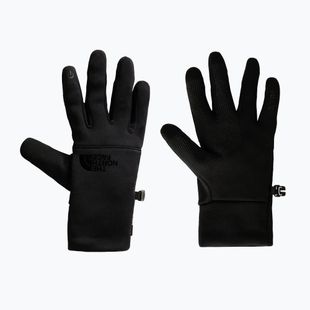 Men's trekking gloves The North Face Etip Recycled tnf black€32.99Recommended retail price: €46.99
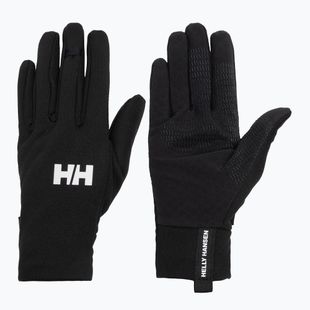 Extra -5% with the code WARMUP
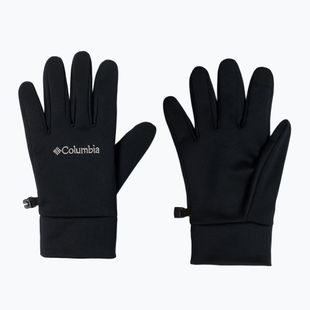 New Extra -25% with the code WARMUPGloves Columbia Omni-Heat Touch II black€39.99€29.99Lowest price: €27.99
 Extra -5% with the code WARMUPTrekking gloves The North Face Etip Recycled black/white€32.99€31.34Lowest price: €24.74
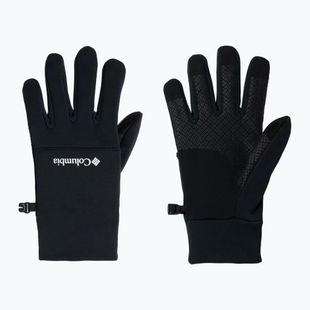 New Extra -10% with the code WARMUPMen's gloves Columbia CSConnect Touch black€27.99€25.19Lowest price: €24.49
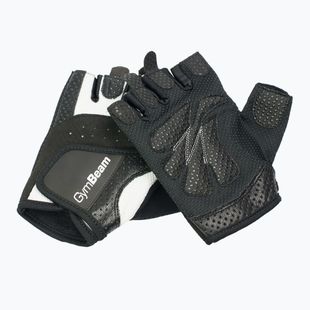 New Extra -20% with the code WARMUPWomen's training gloves GymBeam Bella black€9.29€7.43Lowest price: €6.97
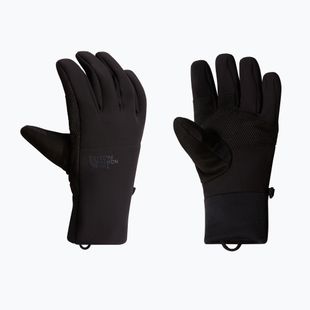 Extra -15% with the code WARMUPTrekking gloves The North Face Apex Insulated Etip tnf black€39.99€33.99Lowest price: €37.99
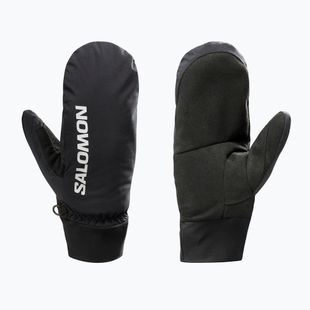 Extra -25% with the code WARMUPGloves Salomon Cross Warm Mitten deep black€39.99€29.99Lowest price: €31.99
 Extra -20% with the code WARMUP
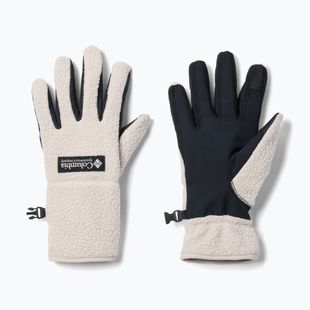 New Extra -10% with the code WARMUP
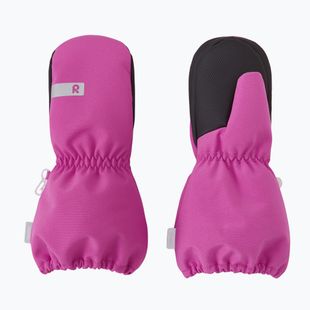 New Extra -30% with the code WARMUP
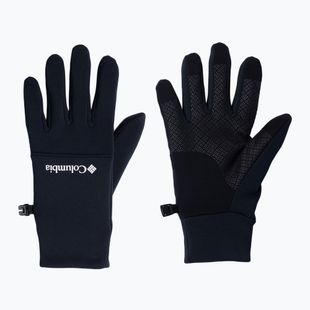 New Extra -5% with the code WARMUPWomen's gloves Columbia CSConnect Touch black€27.99€26.59Lowest price: €25.19
 Extra -20% with the code WARMUP
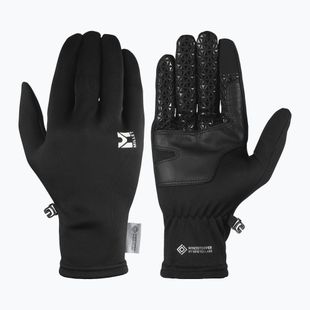 New Extra -25% with the code WARMUPGloves Millet White Gore-Tex Infinium Gloves black€79.99€59.99Lowest price: €37.69
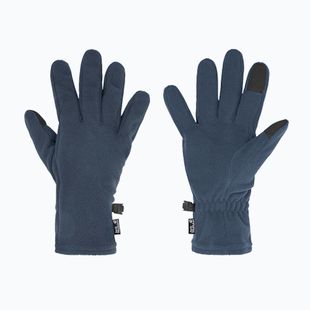 New Extra -25% with the code WARMUP
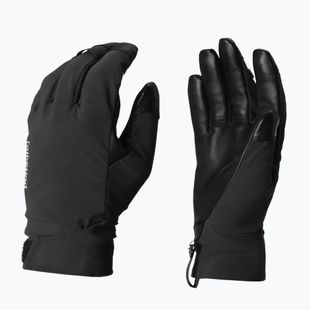 New Extra -25% with the code WARMUPGloves NORRONA Falketind Dri Short caviar black€139.99€104.99Lowest price: €111.99
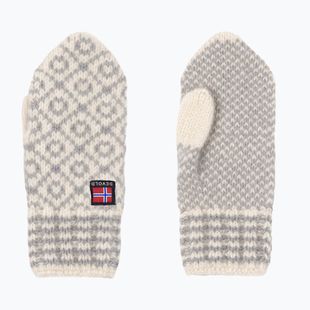 New Extra -10% with the code WARMUP
 Extra -5% with the code WARMUP
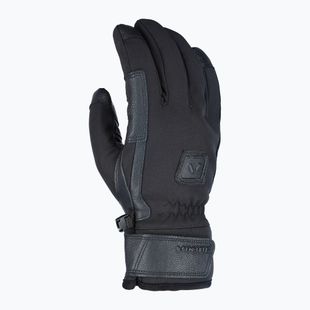 Extra -5% with the code WARMUPGloves Viking Knox Multifunction black€48.99€46.54Lowest price: €47.24
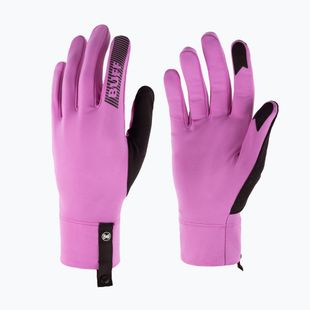 New Extra -15% with the code WARMUP
 Extra -5% with the code WARMUPMen's trekking gloves The North Face Etip Hw Fleece black€23.99€22.79Lowest price: €21.59
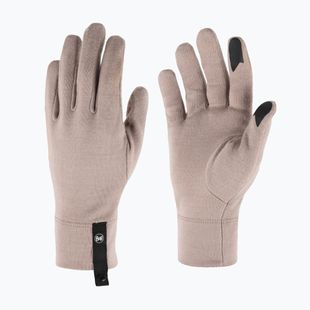 New Extra -10% with the code WARMUP
 Extra -10% with the code WARMUP
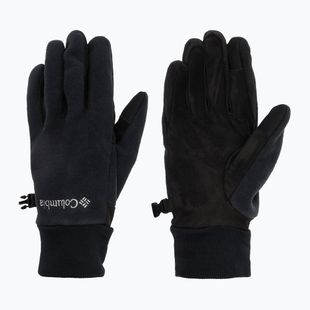 Extra -15% with the code WARMUPMen's trekking gloves Columbia Arctic Peak black€32.99€28.04Lowest price: €27.19
 Extra -30% with the code WARMUP
 Extra -5% with the code WARMUP
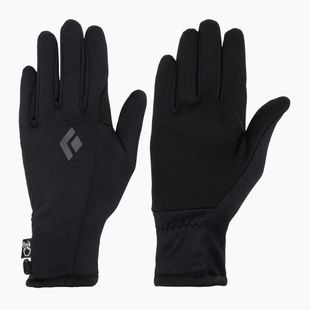 Extra -5% with the code WARMUPBlack Diamond Midweight Screentap black trekking gloves€29.99€28.49Lowest price: €26.99
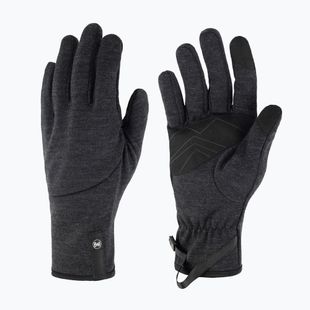 New Extra -10% with the code WARMUP
 Extra -30% with the code WARMUP
 New Extra -25% with the code WARMUP
 Women's Patagonia Better Sweater Fleece trekking gloves black€53.99Recommended retail price: €58.99
 New Extra -25% with the code WARMUP














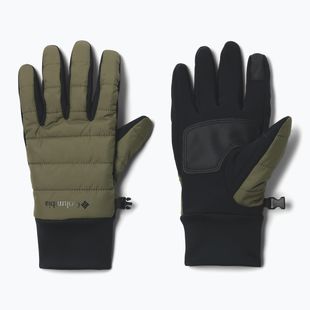
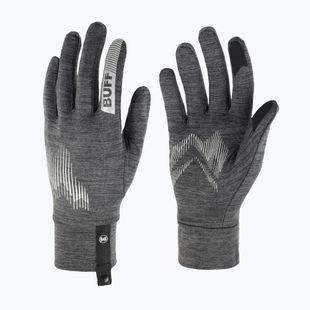


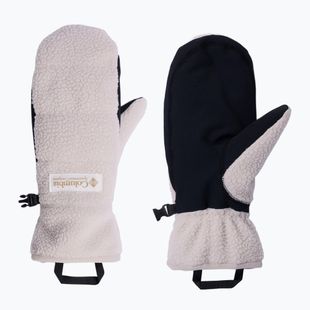


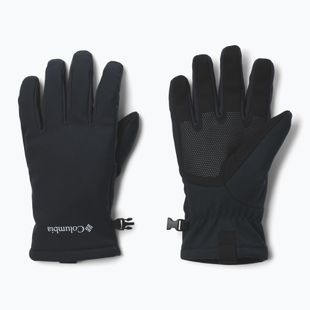




Trekking gloves – hand protection on the trail in every season
Trekking gloves are an item of gear that’s easy to overlook until your hands start to freeze on a pass or you scrape them on rocks along a protected section. The difference between consciously chosen equipment and something picked at random becomes apparent quickly, especially when you gain altitude and the temperature drops or the weather changes. It helps if the gloves are comfortable from the first wear, because the trail rarely allows time to break in gear. A well-chosen model protects against wind and cold, provides a secure pole grip and doesn’t limit dexterity when reaching for a map, camera or a backpack zipper. In this category you’ll find both lightweight models for autumn hikes and warm trekking gloves for winter mountain trips, as well as cuts designed for women, such as narrower women’s trekking gloves. Among the manufacturers are brands well established in mountain tourism, including The North Face, associated with clothing for people who spend time in the mountains. Below we describe materials, construction types, differences between men’s and women’s models and care tips, so your choice is informed and both winter trekking gloves and lighter versions for warm months meet your needs. Once you know how and where you’ll walk, it’s easier to pick the right trekking gloves.
What good trekking gloves are made of – materials and construction
Good trekking gloves start with the material, because it determines warmth, breathability and moisture resistance. You’ll most often find softshell, which blocks wind, stays flexible and wicks moisture from the inside, and fleece, lightweight and quick-drying, commonly used as an insulating layer. Colder-weather models often include synthetic insulation, and winter trekking gloves may feature a waterproof membrane that protects against rain and wet snow. The palm and fingers are reinforced with anti-slip overlays made of synthetic materials or leather to improve grip security on wet rocks and trekking pole poles. The way fingers are finished matters too: flattened seams reduce chafing, and elastic inserts improve hand mobility when gripping. The cuff is important as well: a long cuff with a hook-and-loop fastener or drawcord protects the wrist and seals against the jacket sleeve, while a shorter cuff is better for warm days. Many models have touchscreen-compatible tips, so you don’t have to remove gloves to check your route on a phone. Fingerless gloves, also known as mitts, give greater finger freedom for maps, cameras or backpack fastenings while still warming the back of the hand and wrist. These models appeal to people who photograph on the move or hike in cool but dry conditions. The brand Black Diamond, known for climbing and mountain gear, shows that gloves can combine protection with precise grip. In rocky terrain, reinforcements in high-wear areas also matter, as these wear out fastest, and the back of the hand is often made from a more wind-resistant material than the palm. Insulation should be chosen for the activity: during intense uphill sections a thinner layer is better, while warmer insulation helps during stops and on passes. When picking a material, consider whether you’ll more often encounter wind, rain or frost, because each condition requires a different compromise between warmth and breathability. Thin inner gloves can also be worn under thicker ones, creating a layering system that works well with changeable mountain weather. Once you understand these relationships, it’s easier to recognize which trekking gloves will be practical for you.
Warm trekking gloves and proper layering matter in winter
Warm trekking gloves are essential for mountain trips in winter, when temperatures drop below zero and wind further cools the hands. Check the forecast before you go, because strong wind lowers the perceived temperature and your hands can get cold even in light frost. The most important factors here are insulation, moisture protection and the ability to adjust warmth during climbs, since hands sweat quickly on intense sections and a wet glove cools down faster than a dry one. That’s why winter trekking gloves usually combine insulation with a sealed cuff and a waterproof outer layer. Winter trekking gloves come in two basic layouts. Mitts, i.e. models with one compartment for four fingers, can be warmer because the fingers heat each other, while five-finger gloves allow more precise handling of fastenings and equipment. In this group you’ll also find women’s winter trekking gloves, cut to fit a slimmer hand, which reduces excess space and improves warmth. A brand widely associated with outdoor clothing is Columbia, whose range helps assemble a coherent winter hiking outfit. In very low temperatures a two-layer system works well: a thin inner glove made of fleece or performance fabric and a thicker outer shell that can be removed when you get too warm. Hand warmth also depends on protection of the whole body, so remember winter hats, which help maintain thermal comfort in the cold. A hat should fit well and cover the ears, which are the first to feel the cold in wind. The neck and lower face are protected by neck gaiters and scarves, especially during strong winds on ridgelines. On icy sections gloves protect against abrasions in a fall and help with the grip on chains and railings. It’s wise to carry a spare pair in your pack, because swapping wet gloves for dry ones restores comfort within minutes. When choosing a model, check whether winter trekking gloves have palm reinforcements and a long cuff that closes over the jacket sleeve, as snow quickly gets inside through a narrow gap. Good gloves protect against frostbite and let you focus on the trail instead of freezing fingers, so choose trusted warm trekking gloves for your winter wardrobe.
Women’s and men’s models – trekking gloves tailored to the hand
Women’s trekking gloves differ from men’s models primarily in cut: they are usually narrower in the hand, have slimmer fingers and often a shorter cuff, which reduces excess space and makes it easier to grip objects. Such a cut fits a smaller hand better and reduces the chance of the glove twisting while using poles. Men’s trekking gloves have a wider hand and longer fingers, so they tend to fit people with larger sizes. This is a general rule, however, because when choosing a size the most important measurement is the hand circumference measured around the knuckles, not gender. Measure it with a tape measure without including the thumb and compare the result with the manufacturer’s size chart. Gloves that are too tight restrict circulation and cool down faster; gloves that are too loose lose precision and can slip off when using poles. For insulated models the glove should fit snugly but leave a little room for an air layer that helps retain warmth. The brand Salomon, known for mountain clothing and footwear, offers cuts in women’s and men’s versions, making it easy to find a size that suits your proportions. Men’s trekking gloves with a longer cuff work better with winter jackets that have wide, insulated sleeves and require solid sealing at the wrist. Shorter cuffs are easier to work with in slimmer sleeves, which is why women’s winter trekking gloves often have that construction. Many women also look for women’s trekking gloves suitable for everyday city wear, so pay attention to colors and finishing. You can complete the set with suitable outerwear, for example touring jackets whose sleeves work with the glove cuff. For people with long fingers it’s important that the tips don’t press when the hand is bent, because cramped fingers lose heat faster. When buying, also check whether the fingers are properly shaped and whether seams don’t press in areas where the hand works intensively. Insulated models are best tried on with a thin inner glove if you plan to use layers. Picking a size “by eye” can be misleading, so it’s better to measure your hand and compare the result with the manufacturer’s chart before choosing women’s trekking gloves.
Choosing, caring for and accessories for trekking gloves
Fingerless gloves are suitable for different circumstances than winter models, so first define how often and in what conditions you’ll hike. High mountain trails require different protection than walks on gentle ranges, because the wind is stronger at higher altitudes and the weather changes faster, so for demanding routes it’s better to choose models with a membrane and a long cuff. For weekend walks in cool weather a light softshell is enough, while for multi-day mountain trips it’s better to have two pairs: a thinner pair for ascents and a thicker pair for stops and descents. If you’re heading into higher mountain areas in winter, reach for winter trekking gloves with a membrane, and on warm days opt for lighter versions made of breathable knit. A spare pair is also a safeguard in case of loss or soaking of the first pair, which can be crucial in winter conditions. It’s helpful if gloves have attachment points for the backpack or loops to clip them during a stop, and a bright color makes a lost glove easier to find on the snow. Before buying try them with poles to check the grip and whether seams press. Before the season inspect your gloves, check seams and fastenings, and repair or replace damaged parts so you don’t discover a fault only on the trail. Care affects durability: wash gloves according to the label, preferably at low temperature and without fabric softener, which can reduce breathability. Dry them away from a heater, because hot air damages insulation, adhesive and leather reinforcements. Clean anti-slip overlays and leather gently to avoid wearing down the surface and to preserve good grip. Hand thermal comfort depends on overall fitness and steady walking, so footwear such as trekking boots chosen for the route and season are also part of the kit. Well-fitted footwear reduces the risk of blisters and fatigue, which improves circulation and keeps hands warmer during the hike. Equally important are trekking socks, which protect feet from chafing and moisture. A well-equipped set makes hiking more enjoyable and safer regardless of the weather. Once you’ve determined your needs, review the range, compare materials and sizes, and then choose the trekking gloves that will serve you for many seasons.