


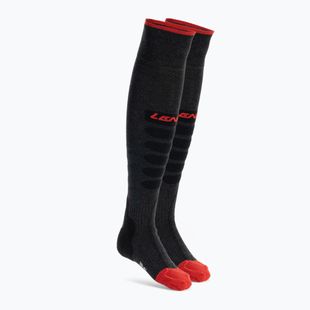
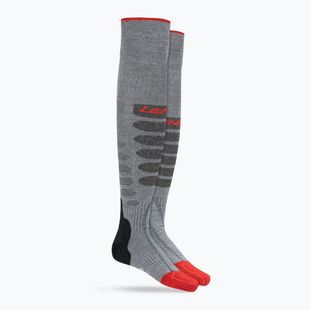
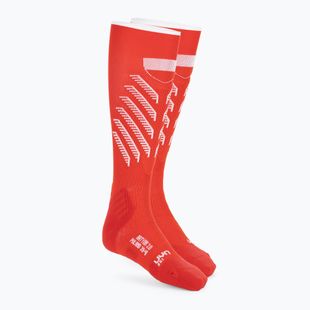
 Lenz Heat Sock 5.1 Toe Cap Regular Fit grey-red ski socks 1070€79.99Recommended retail price: €97.99
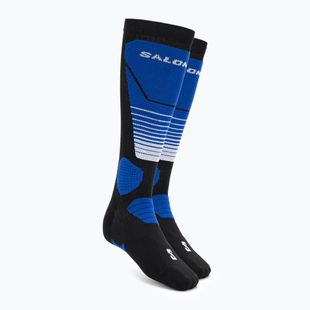
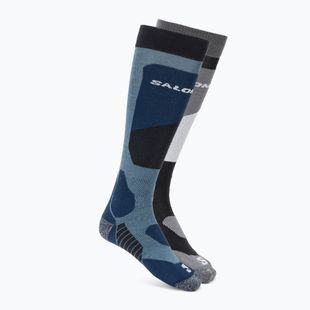 Extra -25% with the code SPORTSalomon S/Access ski socks 2 pairs black/copen blue€32.99€24.74Lowest price: €23.79
 Extra -20% with the code SPORT
 New Extra -25% with the code SPORT
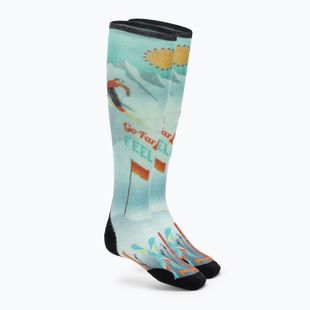 Women's Smartwool Ski Targeted Cushion Snow Bunny Print OTC capri socks€22.99Recommended retail price: €34.99
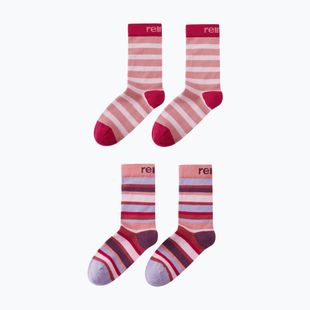 New Extra -25% with the code SPORT
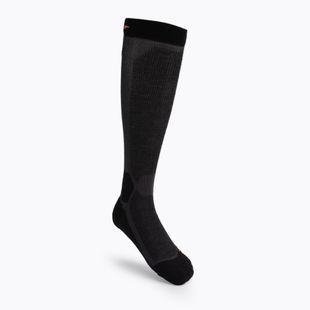 DYNAFIT Tour Warm Merino skitter socks black 08-0000071392From €29.99Recommended retail price: €39.99
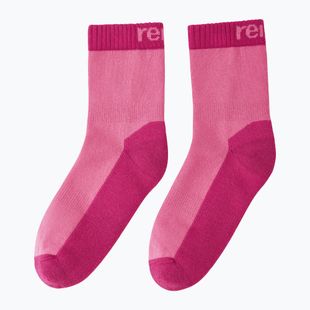 Extra -5% with the code SPORT
 Extra -20% with the code SPORT
 New Extra -20% with the code SPORT
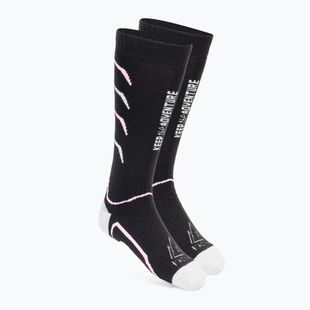 Extra -5% with the code SPORTWomen's Ski Socks KADVA Woolan W in Black€6.99€6.64Lowest price: €6.11
 Extra -5% with the code SPORT
 Extra -5% with the code SPORT
 Extra -5% with the code SPORT
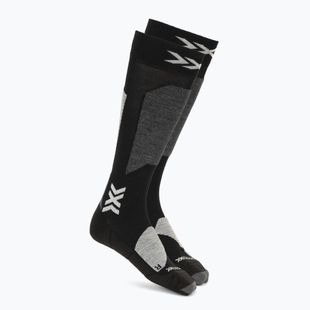
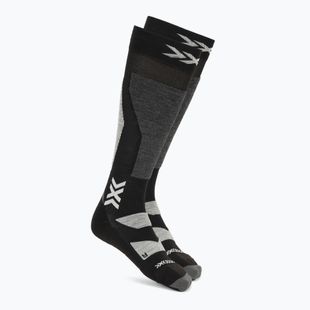 Snowboard socks X-Socks Snowboard Discover Otc x black/light grey€23.99Recommended retail price: €32.99
 Extra -10% with the code SPORT
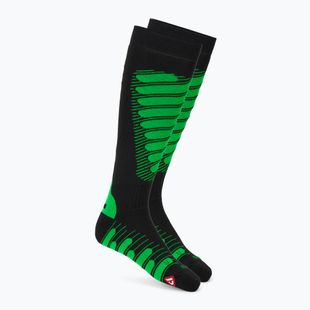 Ski socks Mico Heavy Weight Superthermo Primaloft Merino Ski nero verde fluo€25.99Recommended retail price: €34.99
 New Extra -25% with the code SPORT
 New Extra -25% with the code SPORT
 Extra -10% with the code SPORT
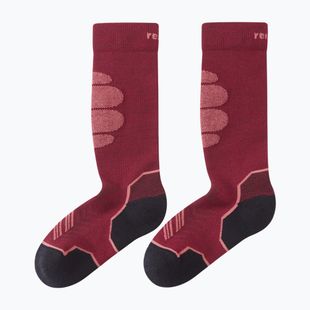 New Extra -25% with the code SPORT
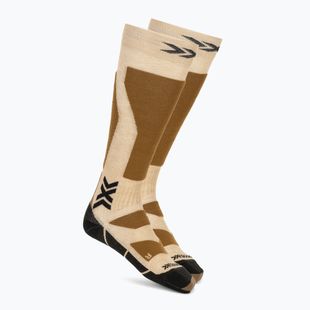 Snowboard socks X-Socks Snowboard Discover Otc sand/dark sand€22.99Recommended retail price: €32.99
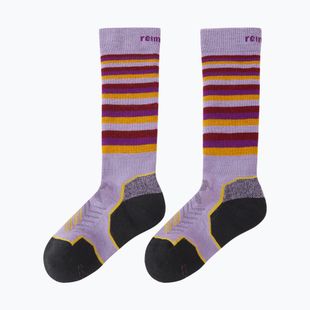 New Extra -25% with the code SPORT
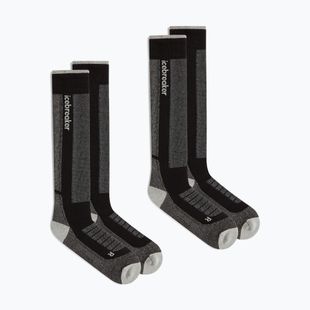 New Extra -25% with the code SPORTMen's ski socks Icebreaker Merino Ski+ Medium OTC 2 Pack black/ether/graphite€55.99€41.99Lowest price: €43.49
 Extra -5% with the code SPORT
 New Extra -25% with the code SPORT
 Extra -20% with the code SPORT
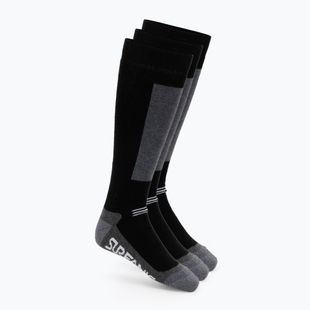 New Extra -20% with the code SPORTSki socks Surfanic Endurance Merino 2 pack black€23.99€19.19Lowest price: €19.19
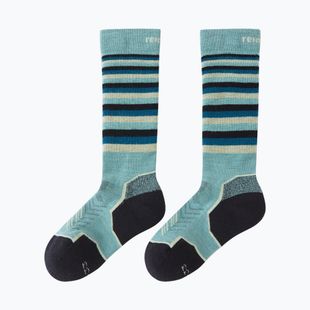 New Extra -25% with the code SPORT
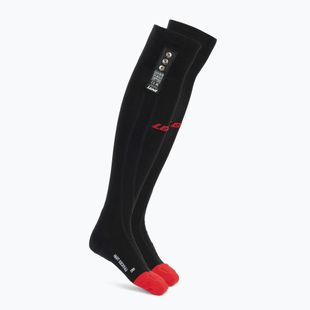 Extra -5% with the code SPORTSki socks Lenz Heat Sock 6.1 Toe Cap Compression black€109.99€104.49Lowest price: €87.99
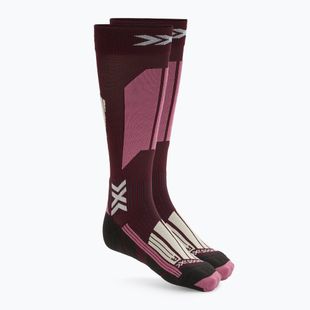 Extra -5% with the code SPORTWomen's ski socks X-Socks Ski Touring Perform Otc deep purple/light sand€32.99€31.34Lowest price: €27.19
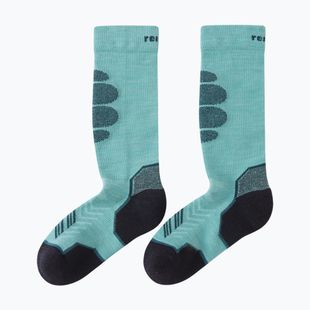 New Extra -25% with the code SPORT
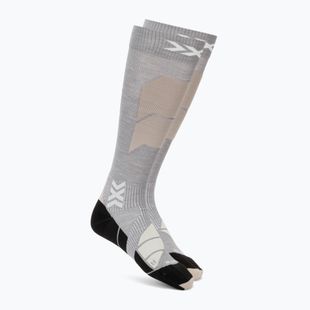 Ski socks X-Socks Ski Perform Merino Otc seal grey/light sandFrom €37.99Recommended retail price: €48.99
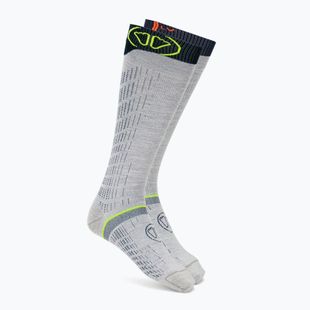 Extra -25% with the code SPORTSIDAS Ski Merino Performance socks white/blue€39.99€29.99Lowest price: €31.49
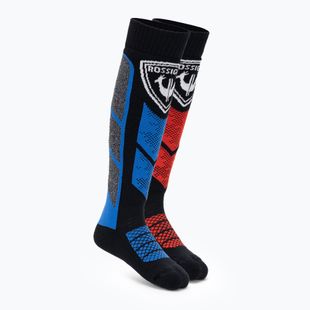 Rossignol L3 Jr Thermotech children's ski socks 2 pairs black€23.99Recommended retail price: €37.99
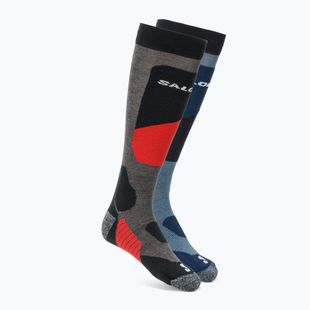
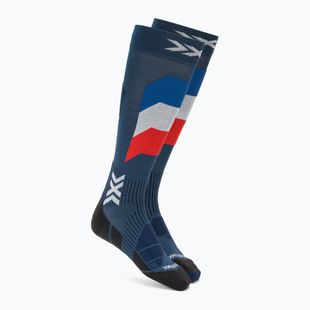
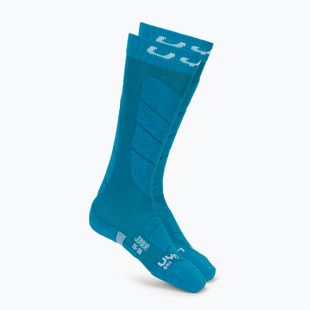




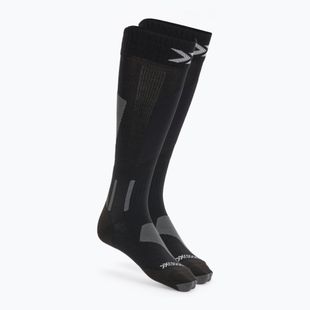


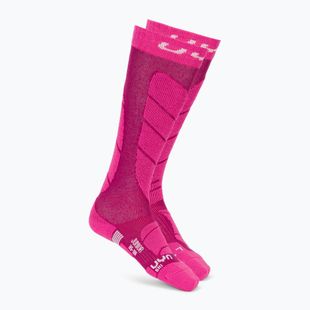
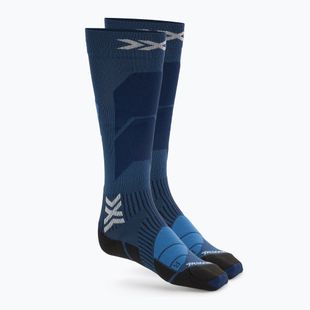


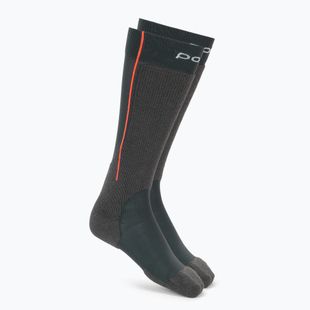


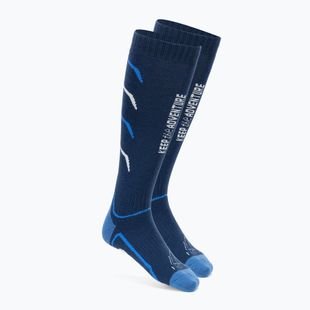


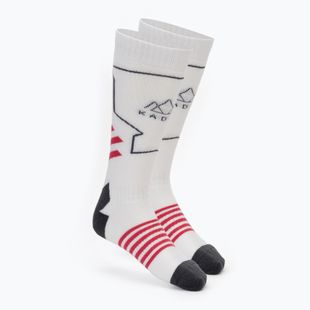


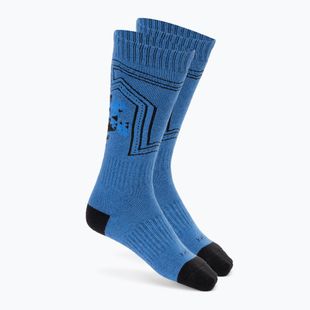


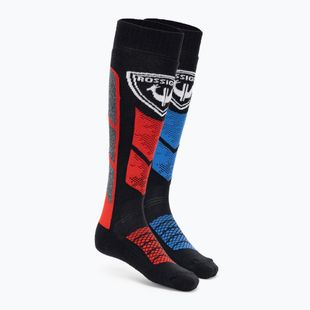


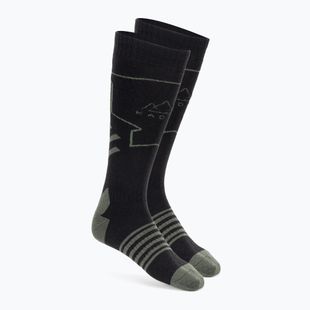
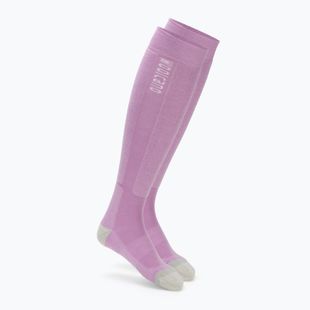


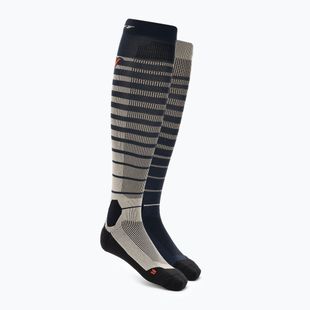
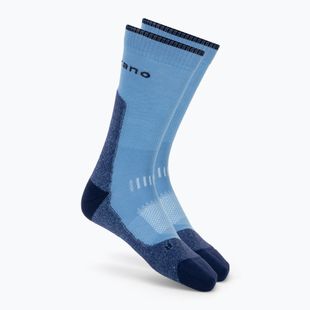
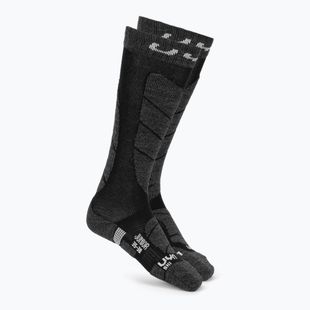
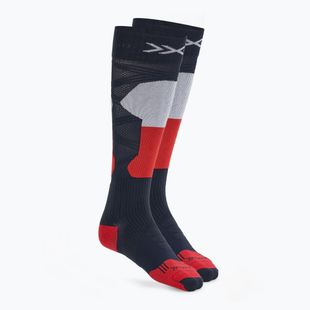


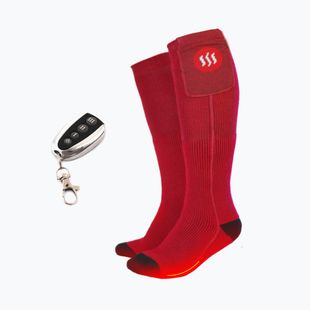
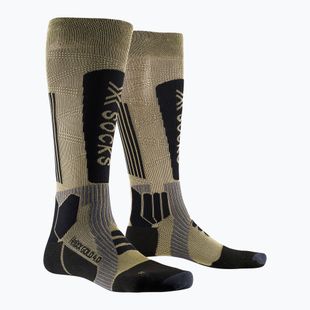


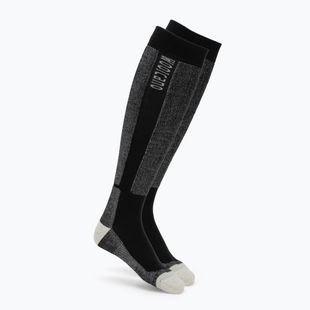






Women's, Men's and Children's Ski Socks for the Slopes
Ski socks are an important layer on the slopes because they affect boot fit, thermal comfort and skin protection during hours of skiing. Unlike regular everyday socks, they should have an anatomical fit, flat seams and zones that support moisture wicking from areas prone to overheating. Ski socks differ in thickness, length, material composition, level of cushioning and placement of reinforcements. There are women's ski socks, men's ski socks and children's ski socks, so the cut should be matched to the shape of the foot and calf. When choosing, pay attention to a stable cuff, shin reinforcement, heel protection, elastic midfoot zone, breathable knit, appropriate height, no bulky seams and moisture-wicking ability. Models from X-Socks can be compared by construction, cushioning level and intended use. Ski socks should work together with well-fitting ski boots because excess material or incorrect knit placement can cause local pressure. The right model helps maintain comfort from the first lift ride to the last run, so it's worth choosing ski socks carefully.
How to choose women's and men's ski socks?
Ski socks should fit the foot without creating folds, but must not overly squeeze the toes, instep or calf. Women's ski socks are usually designed for a slimmer foot and a different calf shape, while men's ski socks may offer a wider cut and more volume in the midfoot area. However, this does not mean that the gender label matters more than the actual fit. Ski socks should be chosen based on foot length, calf circumference and the specific manufacturer's size chart. A too-large model will shift during skiing, while a too-small one can restrict circulation and increase cold sensations. During fitting check the heel alignment, midfoot fit, toe room, cuff stability, no rolling, height above the boot collar, material elasticity, no thick seams, free foot flexion and comfort under the boot tongue. Products from UYN are worth considering when looking for varied constructions and material blends. Well-chosen ski socks stay in place while fastening buckles, walking in boots and skiing, and maintain their functionality all day long.
Ski socks should be worn directly against the skin, because an extra pair of ordinary socks can increase volume inside the boot and cause pressure. Women's and men's ski socks should also be matched to the intensity of skiing. Dynamic skiers may prefer thinner models that give a more direct feel of the boot, while recreational users often choose moderate cushioning around the shin, heel and toes. Ski socks should not be selected solely by thickness. Very thick knit in a tight boot may not provide better thermal comfort if it limits space and circulation. Important factors are effective moisture management, zoned construction, elastic arch support, ankle protection, reinforced toes, soft cuff, stable knit, stretch resistance, fast drying and a pleasant inner surface. In colder conditions you can add appropriate thermal layers to help regulate overall body temperature. Ski socks should form a coherent set with the boot, so it is worth trying both pieces on together. This approach helps reduce chafing, pressure and material movement, so ski socks provide comfort.
Merino ski socks and moisture-wicking materials
Merino ski socks are chosen for the properties of fine wool fibers, which help maintain thermal comfort and reduce the unpleasant feeling of dampness against the skin. In practice merino ski socks are often blended with synthetic fibers and elastane, because such a composition can improve durability, resilience and shape retention. Ski socks made from a single fiber type do not always provide the best balance between insulation, abrasion resistance and quick drying. When analyzing composition, pay attention to the merino wool content, reinforcing fibers, knit elasticity, heel durability, reinforced toes, moisture vapor transport, material softness, drying time, shape retention and ease of care. Ski socks with a higher wool content may suit those sensitive to cold, but they still must fit inside the boot without excessive pressure. Among ski apparel and equipment manufacturers is Rossignol, whose products can be matched with other outfit elements. It is worth pairing ski socks with layers of similar purpose, such as ski pants. A well-composed set, including Rossignol ski pants, should allow freedom of movement and protection without trapping excess moisture, while ski socks are responsible for direct foot comfort.
Ski socks made from synthetic fibers can offer short drying time, good fit and resistance to intensive use. Merino ski socks provide a different feel against the skin, so material choice should depend on personal cold sensitivity, exertion level and frequency of trips. Ski socks used during dynamic skiing should efficiently move moisture from the skin surface to outer layers of the knit to reduce cooling during breaks. The mere presence of a given fiber is not enough to evaluate a product. Also important are knit density, ventilation channel layout, zoned thickness, elastic support, reinforcements in stressed areas, seamless toe finish, durability after washing, pilling resistance, no rough fragments and even contact. Women's ski socks may have a different height and calf construction than men's ski socks, even when made from a similar material. Therefore check both composition and construction of a specific model before purchase. Ski socks should provide comfort during exertion and while stopped on the lift, when damp clothing more quickly causes a cold feeling. A thoughtful combination of fibers, ventilation zones and reinforcements ensures ski socks perform well in various conditions.
Children's ski socks – fit and protection for small feet
Children's ski socks must match the current foot size, because buying with a large margin can lead to folds and shifting of the knit inside the boot. Children often cannot precisely indicate where pressure occurs, so before going to the slopes check heel, toe and cuff placement carefully. Children's ski socks should be high enough so their top edge sits above the boot collar. A too-short model can roll and create local pressure. When choosing, look for a soft shin zone, reinforced heel, toe protection, gentle cuff, elastic midfoot, flat seams, breathable material, fast drying, clear size marking and resistance to frequent washing. Children's ski socks should not have hard decorations or thick appliqués placed where the boot shell presses. Models from Nordica can be considered when assembling ski gear for users of varying skill levels. Complete the child's outfit with well-fitting ski gloves to help protect hands from cold and moisture. Properly chosen ski socks reduce the need to adjust clothing and increase comfort during learning, so children should wear ski socks.
Children's ski socks should be checked regularly because their rapidly changing foot size may make a model from the previous season too small. Ski socks must not squeeze the toes or leave deep marks on the calf after short use. Before putting on the boot smooth the knit and make sure there are no folds under the foot or at the ankle. Children's ski socks should also be easy to put on independently, especially when a young skier is changing in a cloakroom or on a school trip. Helpful features include an elastic leg opening, left/right markings, contrasting size indicators, soft knit, reinforced zones, no loose threads, stable fit, colorfastness, easy care and thermal comfort without overheating. It's advisable to change children's ski socks after every day of skiing so the child has a completely dry pair the next morning. Damp ski socks cause a cold feeling faster, even if made from thicker knit. For multi-day trips take several pairs and dry them according to the manufacturer's instructions. Proper fit to the foot, boot and temperature ensures children's comfort during lessons and independent runs, provided by ski socks.
Ski sock thickness and boot fit
Ski socks should not automatically be chosen in the thickest available variant, because thermal comfort also depends on correct space inside the boot. Too-thick ski socks can increase pressure on the foot, restrict circulation and make it harder to fasten buckles precisely. Thin ski socks provide a more direct contact with the boot and are often chosen by those who expect precise feedback while skiing. Medium-thickness models offer a compromise between cushioning and volume, while more heavily insulated ski socks may suit recreational users in very low temperatures. When choosing, evaluate available space in the boot, shell fit, insole thickness, instep pressure, toe freedom, heel contact, shin cushioning, ankle stability, ambient temperature and intensity of skiing. Women's, men's and children's ski socks can come in several thickness options, so check the product description. Garment elements such as ski jackets protect the upper body, but correct boot fit and the layer next to the skin directly affect foot comfort. Proper thickness reduces pressure and allows natural toe movement, helping ski socks perform better.
Try ski socks on in the boots you will use on the slopes, because the same sock model can behave differently in a looser or tighter shell. Ski socks should remain smooth after sliding the foot in and after fastening all buckles. If there is numbness, burning or a distinct pressure point, recheck boot size, insole placement and knit thickness. Ski socks should not be rolled down at the calf or tucked under thermal underwear, because an extra material layer can press under the cuff. Important aspects are smooth sock-to-boot collar contact, no overlapping layers, free blood flow, stable heel, no shifting in the boot, even cushioning, adequate ventilation, dry skin surface, comfort when bending the knee and no pressure on the shin. Rossignol ski pants or models from other brands should end above the boot cuff, not be tucked inside together with the sock. That way there is only one smooth layer under the shell. Properly chosen ski socks work with the insole and boot lining without creating extra volume. Such a configuration supports comfort during long runs and lift stops, and at the core of it are ski socks.