



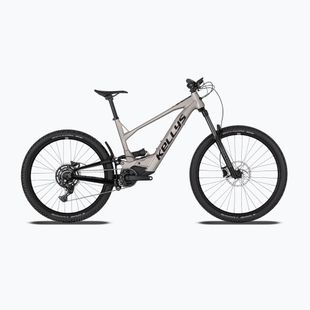
 Electric bike Kellys Theos RS10 P 29"/27.5" 725Wh titanium€3,259.00 -€80.00Lowest price: €3,339.00Recommended retail price: €3,959.00
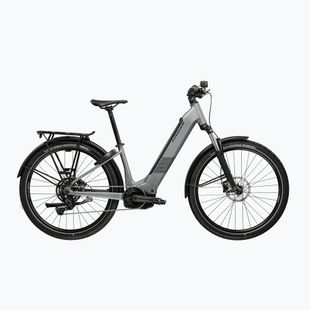 Electric bike KROSS Influx Suv Hyb 2.0 600Wh LS 27,5" grey/black/mat€2,799.00 -€60.00Lowest price: €2,859.00Recommended retail price: €3,149.00
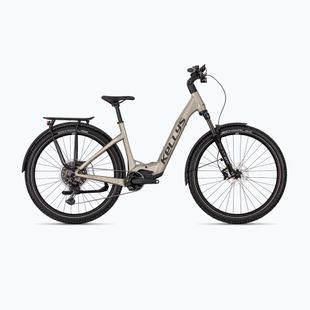 NewElectric bike Kellys E-Cristy RS40 P 29" 725Wh mocha grey€2,559.00 -€40.00Lowest price: €2,599.00Recommended retail price: €3,029.00
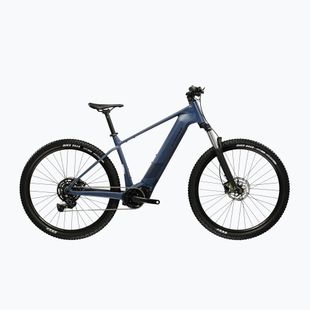 Electric bike KROSS Influx Hyb 1.0 720Wh navy/black/mat€2,099.00 -€50.00Lowest price: €2,149.00Recommended retail price: €2,449.00
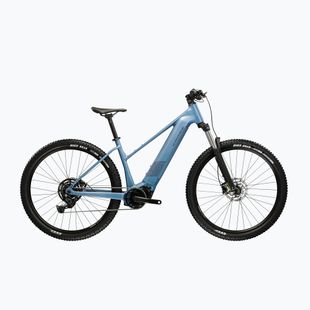 Women's electric bike KROSS Influx Hyb 1.0 720Wh blue/graphite/mat€2,099.00 -€50.00Lowest price: €2,149.00Recommended retail price: €2,449.00
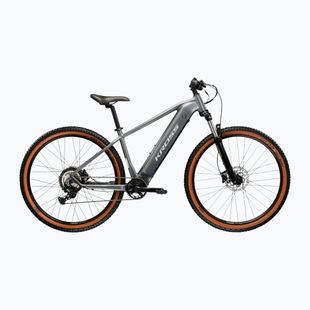 Electric bike KROSS Hexagon Boost 1.0 522Wh grey/grey/shine€1,469.00 -€40.00Lowest price: €1,509.00Recommended retail price: €1,629.00
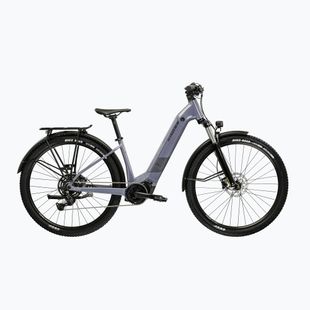 Electric bike KROSS Influx Suv Hyb 1.0 820Wh LS grey/black/shine€2,599.00 -€80.00Lowest price: €2,679.00Recommended retail price: €2,899.00
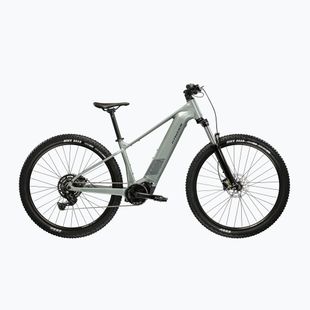 Electric bike KROSS Influx Hyb 1.0 720Wh green/black/shine€2,099.00 -€50.00Lowest price: €2,149.00Recommended retail price: €2,449.00
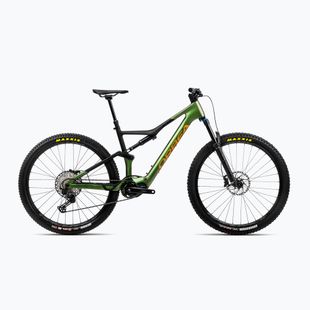 Orbea Rise M20 42V 360Wh 2023 chameleon goblin green/black electric bike€4,289.00Recommended retail price: €8,379.00
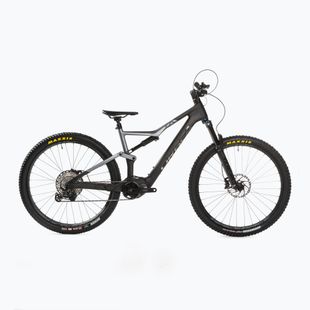 Orbea Rise M20 silver/black electric bike 2023 N37405V2€3,869.00Recommended retail price: €8,379.00
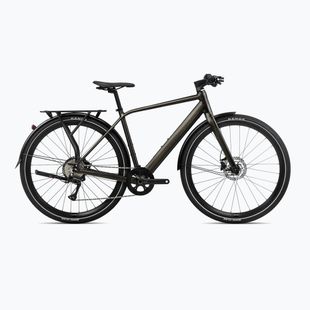 Orbea Vibe H30 EQ 36V 6.9Ah 248Wh 2024 metallic infinity green electric bicycle€1,939.00Recommended retail price: €3,489.00
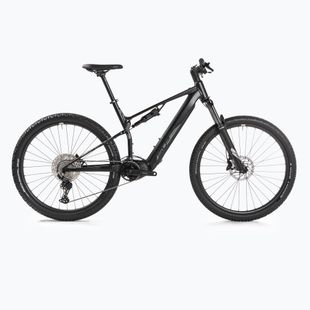 Electric bicycle Superior eXF 8089 black 801.2021.79014€2,039.00 -€230.55Lowest price: €2,269.55Recommended retail price: €4,399.00
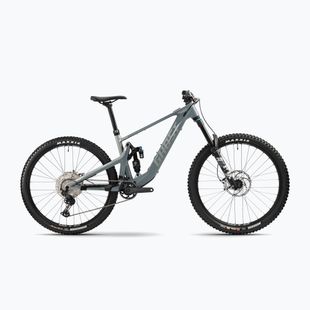 GHOST Path Riot Advanced 430Wh grey/pearl light grey glossy electric bike€3,579.00 -€96.55Lowest price: €3,675.55Recommended retail price: €7,679.00
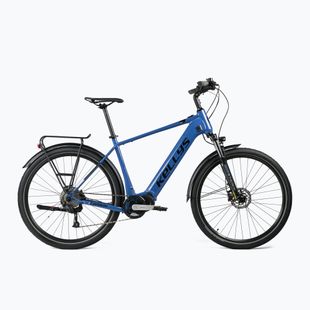 Kellys E-Carson 30 28" electric bike 725Wh blue 69638€1,399.00 -12%Lowest price: €1,585.55Recommended retail price: €3,379.00
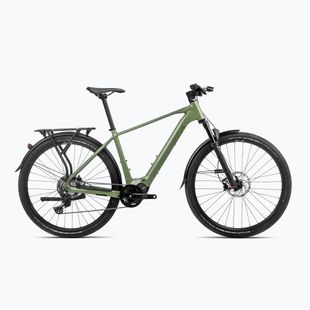 Orbea Kemen 30 42V 540Wh 2023 urban green electric bike€2,369.00Recommended retail price: €5,099.00
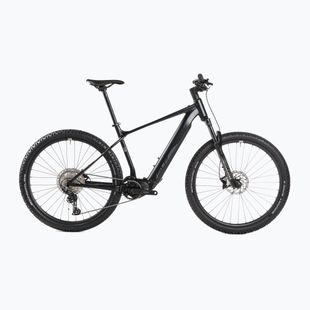 Electric bicycle Superior eXP 8089 2023 grey 801.2022.79031€1,939.00Recommended retail price: €3,489.00
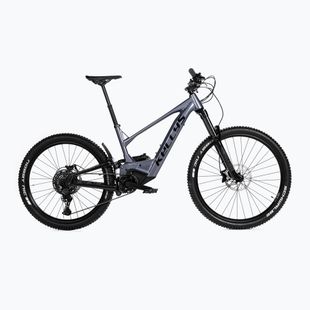 Kellys Theos R30 P 29"/27.5" 36V 20Ah 725Wh steel blue electric bike€3,579.00Recommended retail price: €4,659.00
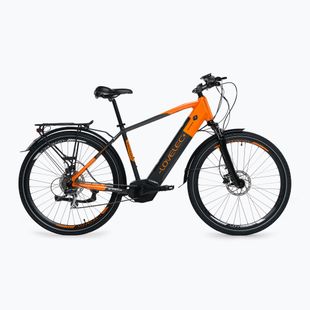 LOVELEC electric bike Triago Man 16Ah grey-red B400359€1,499.00Recommended retail price: €2,559.00
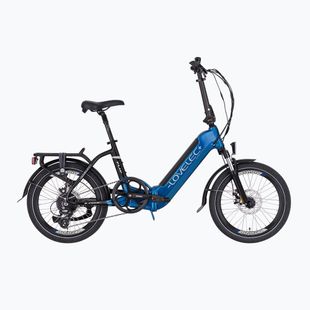 LOVELEC Flip 15Ah blue folding electric bicycle B400368€1,669.00 -€30.00Lowest price: €1,699.00Recommended retail price: €2,099.00
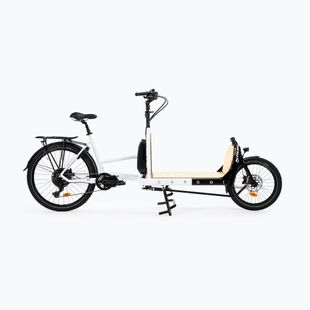 Electric bike KROSS E-Cargo Space Platform el. white/black/shine€3,489.00 -€90.00Lowest price: €3,579.00
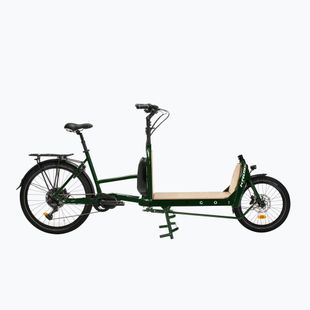 Electric bike KROSS E-Cargo Space Platform el. green/white/shine€3,489.00 -€90.00Lowest price: €3,579.00
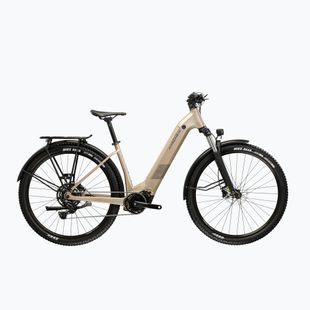 Electric bike KROSS Influx Suv Hyb 1.0 820Wh LS brown/mat€2,599.00 -€80.00Lowest price: €2,679.00Recommended retail price: €2,899.00
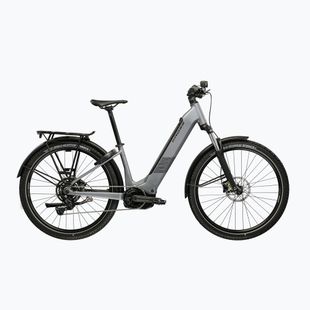 Electric bike KROSS Influx Suv Hyb 2.0 600Wh LS 29" grey/black/mat€3,149.00 -€50.00Lowest price: €3,199.00
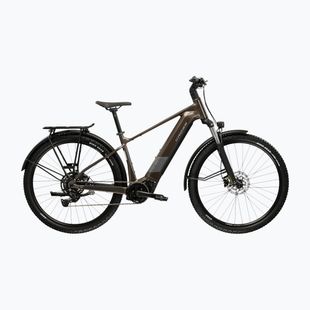 Electric bike KROSS Influx Suv Hyb 1.0 820Wh brown/silver/shine€2,899.00 -€80.00Lowest price: €2,979.00
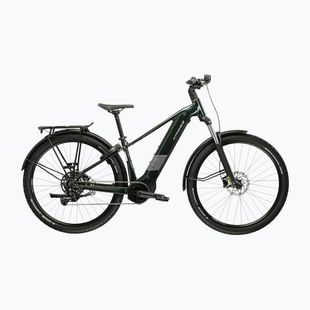 Electric bike KROSS Influx Suv Hyb 2.0 600Wh green/silver/shine€3,149.00 -€50.00Lowest price: €3,199.00


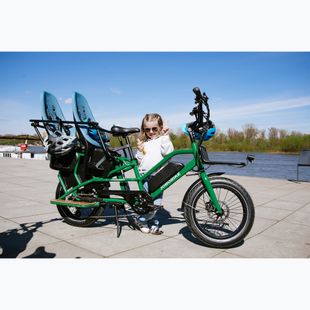


Electric bikes – assistance for commuting, touring and off‑road riding
Electric bikes combine a classic bicycle drivetrain with a motor that assists pedaling, making it easier to tackle climbs, longer distances and routes requiring frequent starts. An electric bike still requires active effort from the rider, but the assistance helps reduce strain when riding into the wind, carrying luggage or traveling on hilly terrain. In the category you can find a women's electric bike, men's electric bike, city electric bike, trekking electric bike and an e‑MTB (electric mountain bike) designed for more demanding surfaces. Individual designs differ in motor placement, battery capacity, torque, frame geometry, tire width and handling characteristics. Models from Orbea can be chosen according to the character of the routes and the expected riding position. When choosing, it is also important to consider range suited to planned rides, easy battery access, a clear display, reliable brakes, an appropriate gear range, overall weight, frame size and the ability to mount accessories. Electric bikes allow adjusting the level of assistance to fitness, gradient and riding speed, so they work well both for daily transport and for recreational trips. A well‑chosen model does not replace pedaling, but helps maintain a smooth cadence and better manage energy over the whole route, which is the primary function offered by electric bikes.
It is worth choosing electric bikes according to the surface you most often ride on, because city, trekking and off‑road designs meet different needs. A city electric bike usually provides an upright position, easy mounting and the option to fit mudguards, a rack and lights. A trekking electric bike is intended for longer rides on tarmac, bike paths and light gravel roads, so comfortable geometry, a wide gear range and luggage‑carrying capability are important. An electric mountain bike features off‑road geometry, more robust tires and suspension tuned for rough terrain. Among KROSS models you can compare constructions for different uses, including the KROSS electric bike and the KROSS women's electric bike. Electric bikes differ not only in frame appearance but also in assist characteristics, center‑of‑gravity position, stiffness of the frame, wheel size, tread grip, handlebar ergonomics, saddle adjustment and component durability under intensive use. A women's electric bike with a lowered top tube can make mounting easier, but it is not the only solution for females, since comfort also depends on frame proportions and proper contact‑point adjustment. Choose women's and men's electric bikes primarily by body shape, riding style and planned distance. When analysed this way, electric bikes can effectively support daily trips and longer tours.
Motor and battery in an electric bike – key drivetrain parameters
Electric bikes can use a motor located centrally by the crank or in the hub of one wheel. A mid‑drive motor usually provides natural weight distribution and transfers assistance through the gearing, so it performs well on climbs and varied terrain. A hub motor has a simpler design and is often used in city and recreational models. An electric bike should respond smoothly to pedal input, without abrupt power surges that make handling difficult. Torque affects the ability to assist the rider during starts and uphill sections, but its value must be interpreted together with the bike's weight, gearing and intended use. An electric MTB needs a different power delivery profile than a city electric bike that mainly rides on flat roads. Models from Haibike can be selected taking into account suspension type, drivetrain layout and the nature of planned routes. Evaluate electric bikes in terms of smoothness of assistance, number of available modes, pedal‑sensor response, controller ease of use, motor placement, protection of wiring, serviceability and component compatibility. A mountain electric bike should help maintain control on steep climbs rather than delivering power in a way that compromises traction. A properly chosen drivetrain makes electric bikes predictable across the full assistance range.
Electric bikes are powered by a battery, whose capacity is usually given in watt‑hours. Larger capacity can enable longer rides but also increases weight and does not by itself determine exact range. Energy consumption is affected by assistance level, rider and luggage weight, number of climbs, temperature, surface, tire pressure, wind and frequency of stops and starts. A trekking electric bike used on long routes should have an energy reserve matched to the planned distance, while a women's electric bike intended for short commutes may not require the largest available battery. You can choose an EcoBike electric bike by battery capacity and intended use, and EcoBike models suit different usage scenarios. Electric bikes should offer a clear charge indicator, secure battery mounting, easy charger connection, protected terminals, robust housing, removable battery option, access to documentation and storage conditions in line with the manufacturer's recommendations. It is best to charge the battery with the designated charger and protect it from extreme temperatures and prolonged moisture. EcoBike, KROSS and other brands' electric bikes require following the instructions specific to the system used. Proper battery operation helps maintain the functionality of electric bikes.
City, trekking and mountain electric bikes – which type to choose?
City electric bikes are designed for frequent stopping, starting and riding on bike paths and streets. A city electric bike should provide good situational visibility, easy maneuvering and the ability to carry everyday cargo. In practice useful features include a lowered frame, chain guard, full fenders, stable kickstand, rear rack, integrated lighting, comfortable saddle and tires suited to paved surfaces. Women's and men's electric bikes can use similar equipment; differences should mainly come from geometry and size range. The KROSS women's electric bike may have a frame that eases mounting, but before purchase you should check reach to the handlebars and standover height. City electric bikes are worth complementing with bike accessories suited to daily transport. Securing the bike when parked is equally important, because greater weight and integrated components require a stable parking place. Do not choose a women's electric bike solely by color or collection name. The most important factors remain correct frame size, control during slow riding and the ability to stop comfortably. City electric bikes should primarily make daily travel easier without compromising stability and ergonomics.
Trekking and off‑road electric bikes are prepared for longer routes and more varied surfaces. A trekking electric bike usually combines a comfortable position with wheels that keep pace well, a wide gear range and the ability to carry panniers. It can be compared to classic trekking bikes, taking into account the additional weight of the assistance system and battery placement. An e‑MTB and electric mountain bike are designed for uneven trails, climbs and routes where grip and control matter. Compared with classic MTB bikes, an electric design requires brakes, wheels and suspension matched to the greater mass. Important aspects include suspension travel, wide off‑road tires, strong rims, hydraulic disc brakes, motor guard, cable routing, stability on steep sections and control on descents. Touring electric bikes should allow convenient carrying of a charger, water and basic tools. A mountain electric bike is not the same as a city model fitted with wider tires, as it differs in geometry, strength and drivetrain characteristics. Proper matching to the surface lets you exploit the capabilities of electric bikes.
Women's and men's electric bikes – geometry and riding comfort
Electric bikes should be chosen based on height, leg length, arm reach and desired riding position, not just a women's or men's label. A women's electric bike may have a lowered top tube, shorter reach and components suited to a smaller build, but these are not universal rules. A men's electric bike often uses a classic frame layout, but it can also suit a woman if it matches her proportions and riding style. A women's electric bike that eases mounting is practical for city riding, frequent stops and carrying luggage. Evaluate the KROSS women's electric bike based on standover height, saddle‑to‑handlebar distance and the range of stem adjustment. Electric bikes should allow easy reach to the brake levers, slightly bent elbows, stable hand support, proper knee alignment, comfortable stopping, safe mounting, natural hip movement and control of a heavier bike at low speed. Comfort is also affected by saddle width, grip shape and the ability to change bar angle. A frame that is too large makes maneuvering difficult, while one that is too small can lead to a cramped position and excessive knee strain. Try women's and men's electric bikes taking into account drivetrain weight, which influences handling. Only correct fitting allows full use of electric bikes.
Electric bikes also require correct saddle and cockpit adjustment. At the crank's lowest position the leg should remain slightly bent, and the rider must not rock the hips while pedaling. Brake levers should be within easy reach, as the greater mass of the bike requires confident and quick speed control. KROSS and EcoBike electric bikes can differ in geometry even with similar size labels, so compare frame measurements before purchase. The KROSS women's electric bike can be a good choice for city use or touring if it provides the right position and space for accessories. A men's electric bike should not force an overly stretched torso if the rider prefers relaxed recreational riding. Electric bikes used in the city and on longer routes should be paired with a properly fitted bike helmet. Also important are ergonomic grips, pedals with a secure platform, appropriate handlebar width, adjustable stem, stable seatpost, correct tire pressure, comfortable hand position and even weight distribution. Women's electric bikes, trekking electric bikes and e‑MTBs require different setups because they serve different riding styles. Proper adjustment reduces the need to keep changing position and makes controlling electric bikes easier.
Use, transport and care of electric bikes
Electric bikes require regular inspection of the drivetrain, brakes, tires and electrical connections. Greater weight and the torque transmitted by the motor can accelerate wear of the chain, cassette, brake pads and tires, especially during frequent climbs or riding with luggage. Clean an electric bike carefully, avoiding directing a strong water jet at the motor, battery, display and connectors. After riding in rain, dry the frame, check contacts and remove dirt from the drivetrain. Electric bikes should be checked for chain wear, brake‑pad thickness, tire pressure, headset play, wheel fastening, condition of cables, battery mounting and sensor operation. An e‑MTB and electric mountain bike need thorough cleaning after mud exposure, and the suspension should be serviced according to the manufacturer's recommendations. A city electric bike used year‑round needs drivetrain protection from moisture and road salt. Appropriate products from the bike maintenance category help clean and lubricate mechanical parts without using unsuitable agents. Systematic care supports smooth operation of electric bikes.
Electric bikes also need proper transport and storage. Before placing a bike on a car rack, check the rack's allowable load and the mounting method for heavier constructions. In many cases removing the battery reduces the carried weight, but the battery must be protected from impacts, moisture and extreme temperatures. A trekking electric bike with panniers should be transported with loose equipment removed, and an e‑MTB requires stable support for the frame and wheels. Choose solutions from the transport and storage of bikes category taking into account weight, wheelbase and tire width. Store electric bikes in a dry place and leave the battery in the state and temperature recommended by the manufacturer. EcoBike, KROSS and Orbea or Haibike models may have different charging requirements, so the instructions for the specific system take precedence over general rules. Important aspects include stable frame support, protection against tipping, display protection, monitoring charge level, clean connectors, no prolonged moisture, regular inspections and servicing in accordance with documentation. A well‑maintained women's, men's or trekking electric bike can remain reliable for daily commutes and long tours. Thoughtful choice, correct setup and regular care allow safe use of the capabilities of electric bikes.