


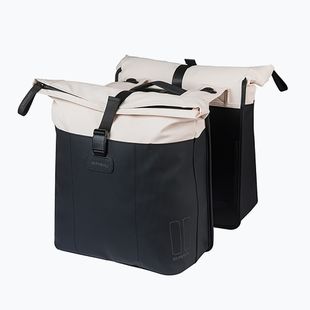
 Bike pannier Basil Vive Double Pannier Bag MIK 35 l off white/black€92.99Recommended retail price: €129.99
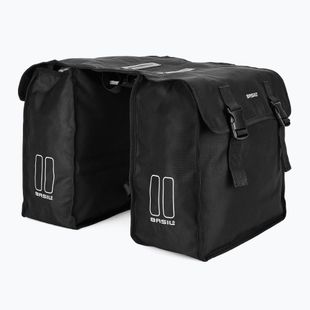
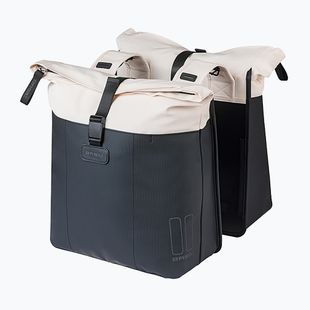 Bike pannier Basil Vive Double Pannier Bag 35 l off white/black€73.99Recommended retail price: €109.99
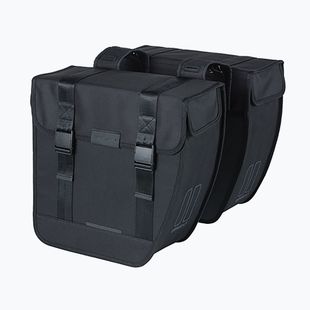 Basil Tour XL double rear bike pannier double bag black B-18196€52.99Recommended retail price: €69.99
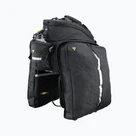
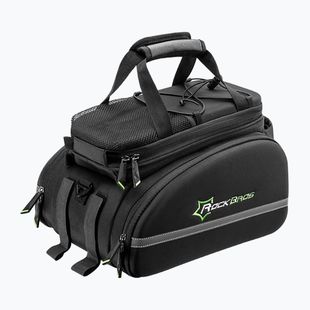 New Extra -20% with the code SPORTBike trunk bag Rockbros A6-03BK Bicycle Pannier Bag black€64.99€51.99Lowest price: €58.49


Bike bags and panniers – convenient luggage transport on the bicycle
Bike bags and panniers allow you to carry gear without loading your back, so they work well for daily commutes, trips, trekking tours and longer journeys. A properly chosen bike bag should fit the mounting location, the amount of luggage and the riding style, while a pannier must remain stable even when more fully packed. A bike bag can be mounted on the rack, handlebars, frame or under the saddle, and each of these options affects access to carried items and weight distribution differently. When choosing bags and panniers, capacity, mounting system, stability on rough terrain, material durability, protection of contents from moisture, ease of removal, interior organization, reflective elements, own weight and compatibility with a specific bike are important. A rack bag can be practical for daily rides, while a pannier on the rack increases carrying capacity on longer routes. People looking for this kind of carrying solution can check bike rack bags. A rear rack bag and a bike rack bag should be mounted so they don’t shift on corners or when riding over bumps. Similarly, a pannier on the rack must leave sufficient clearance from the wheel and drivetrain components. Among luggage transport solutions you’ll find Ortlieb panniers and products by the Ortlieb brand. Choose bags and panniers also based on how often you remove them from the bike, since gear used for commuting should provide quick access to contents. Well-matched bags and panniers help distribute luggage predictably and reduce its shifting while riding.
Handlebar and frame bags and panniers – access to luggage while riding
Bags and panniers mounted in the front and central parts of the bike are especially useful for carrying items you want to reach during a short stop without unpacking everything. A handlebar bag can hold a phone, snacks, documents, a camera or light clothing, and a properly designed handlebar bag should remain stable while turning. Models intended for this mounting can be found in the handlebar bags category. A handlebar pannier and a pannier for the handlebars should be chosen so they don’t interfere with cables, brake levers, shifters or lights. With greater loads you also need to consider the effect of weight on bike handling. A frame bag uses the space inside or part of the main triangle, placing weight relatively close to the bike’s center. Those interested in this solution can check frame bags. A frame bag should match the frame geometry and leave access to a bottle cage if one is used. Similarly, a frame pannier requires checking length, height and strap placement. Frame bags come in various shapes, so it’s worth measuring the mounting space before purchase. When choosing bags and panniers, mounting space dimensions, number of attachment points, strap stability, access to zippers, aerodynamic profile, protection of the frame from abrasion, water resistance, stiffness of the construction, internal compartments and ease of removal matter. The Topeak brand also offers bike gear including transport solutions. After the first kilometers, recheck the strap tension on handlebar- or frame-mounted bags and panniers, because load can affect how attachments settle. A handlebar bag should not press against the tire when turning or the fork flexes, and a frame bag must not obstruct pedaling. Handlebar panniers should also leave the rider full control of the cockpit. With proper placement, bags and panniers provide quick access to gear without destabilizing the bike.
Saddle bag, seatpost pannier and expedition luggage – how to distribute weight?
Bags and panniers should be packed so that weight is distributed as evenly as possible across the bike’s zones. A compact saddle bag works well for a spare tube, tire levers, a multitool and other small service accessories. A larger seatpost pannier can hold clothing or equipment needed for a several-hour or multi-day route, but its weight should be matched to the attachment system. Bags and panniers used on expeditions often combine multiple mounting locations: a rack bag can carry the heavier load, a handlebar bag provides access to items used on the route, and a frame bag helps place heavier small items closer to the bike’s center. Important factors for such a setup are even weight distribution, minimizing luggage sway, proper strap tension, no contact with the wheels, unimpeded brake function, protection of the frame finish, easy access to tools, protection of gear from rain, compression of contents and leaving space for items needed in a breakdown. A rack bag should be packed so that heavy items do not shift to the topmost part of the load. A pannier on the rack also requires even filling, especially when there are two panniers on opposite sides. A single pannier used alone can create asymmetrical loading, so on longer trips it’s worth checking the bike’s behavior after packing. Among manufacturers of transport gear is the Basil brand, whose products can be matched to different carrying methods. A bike rack bag should also be checked for compatibility with a specific rack, and a saddle bag requires sufficient space between the saddle and the tire. A seatpost pannier mounted on a bike with a low frame or limited clearance may need particularly careful measurement. Ortlieb panniers and models from other manufacturers use different attachment systems, so you shouldn’t assume universal compatibility with every rack. A bike bag intended for longer trips should also be easy to organize so that needed items are not always at the bottom. Well-configured bags and panniers allow stable transport of gear, and proper weight distribution helps maintain predictable bike handling.
How to choose bike bags and panniers for city, trekking and longer trips?
Choose bags and panniers after determining the type of bike, route lengths and the items you will carry most often. For daily commutes a rack bag with an easy removal system can be practical, while on trips greater flexibility is provided by a set including a rack pannier, a frame bag and additional front luggage. A city-used bike bag should allow quick removal of contents after leaving the bike, while a touring pannier should be comfortable for frequent packing and unpacking. When making a final choice compare total capacity, maximum recommended load, type of handles, adjustability of the mounting, splash protection, abrasion resistance, visibility after dark, ergonomics for carrying off the bike, access to the main compartment and the ability to adapt equipment for different routes. A handlebar bag is good for items needing frequent access, while a handlebar pannier can carry a larger load if the construction and cockpit allow it. Frame bags make good use of the bike’s central space, and a frame pannier or frame bag can be particularly useful on routes where keeping weight close to the bike’s center is important. Saddle bags and seatpost panniers are natural places for tools, a spare tube or lightweight clothing. Among manufacturers of transport equipment is Thule. Rack bags, bike rack bags and rack panniers should always leave a safe clearance from the wheel and drivetrain. Before a longer trip, test bags and panniers on a shorter ride with realistic load, checking attachments and the bike’s behavior in corners. For strap-mounted products also check contact points with the frame, because regular rubbing can affect the finish. Properly matched bags and panniers allow you to create a functional transport system both for the city and for multi-day routes, without having to carry all your luggage on your back.