


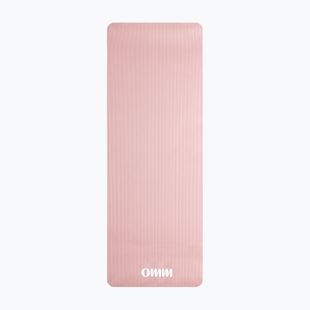
Yoga mats – a solid foundation for practice at home and in the studio
Yoga mats are essential equipment for anyone practicing asanas, Pilates or post-workout stretching. A good mat defines your personal practice space, cushions pressure on the knees, wrists and spine, and prevents hands and feet from slipping sideways. Just roll it out and your body and mind shift into practice mode, whether you exercise in the living room, on the terrace or in a studio. In this category you will find a natural rubber yoga mat, cork models and comfortable options for beginners. Each of these types feels different under your hands and feet. For people who practice regularly there is a professional yoga mat that offers stability and durability. Differences concern material, thickness, weight and surface texture, so before buying it’s good to decide how and where you plan to practice. You choose a mat differently for dynamic vinyasa than for restorative practice or evening stretching. A well-chosen mat makes exercises more enjoyable and helps maintain consistency. Rolled up it takes little space, so you can easily store it in a closet or under the bed. You will also find a meditation mat for comfortable longer stillness, as well as a light travel yoga mat to take with you on trips.
Rubber yoga mat or cork – which material to choose
Natural rubber yoga mat is for people who value secure hand and foot grip in poses that demand stability. Natural rubber has a dense, springy structure, so a rubber yoga mat adheres well to the floor and doesn’t slip during transitions between asanas. It is usually heavier than synthetic models, so it works best where it stays in one place, for example in a home workout corner. Freshly unpacked rubber may have a characteristic smell that fades after a few days of airing. People allergic to latex should read the product description carefully, because natural rubber can cause allergic reactions. If you’re looking for an alternative, consider a cork yoga mat with its distinctive slightly rough texture. Cork maintains grip even when hands get sweaty, which anyone doing intense sequences will appreciate. A cork yoga mat often has an elastic bottom layer that helps it lie stably on the floor. The third group are mats made from synthetics such as PVC, TPE or NBR, usually lighter and easy to wipe with a damp cloth. They differ in cushioning and reaction to moisture, so don’t treat them as a single group. Natural materials need a bit more care: a rubber yoga mat dislikes prolonged sun exposure and contact with aggressive cleaning agents. Cork is best wiped with a slightly damp cloth and dried in the shade. Both options are aimed at people who consciously choose natural materials and want to reduce plastics in their daily practice. Weight can also be an advantage, because a heavy mat doesn’t slide easily on the floor, which matters in dynamic sequences where hands and feet press hard into the surface. Surface texture is important too: a smooth texture facilitates sliding in fluid sequences, while a pronounced pattern improves grip during faster practice. In the offer you’ll also find a JOYINME JOYINME yoga mat suitable for home practice as well as group classes. For functional training, where a different surface resilience matters, exercise mats may be better. The key is to match the material to your habits, then any yoga mat, whether rubber or cork, will be a comfortable companion for daily practice.
Thick yoga mat or thin – how to choose thickness and dimensions
A thick yoga mat provides more cushioning, so it’s popular with people who have sensitive knees, wrists or hips. Mats about 8 mm thick perform well for floor exercises, Pilates and gentle stretching where soft support matters. However, they have a trade-off: in standing poses an overly soft surface makes balance harder because the foot sinks and loses a stable base. Standard mats are usually 4 to 6 mm and represent a sensible compromise between comfort and connection to the floor. Thin variants, 1–2 mm thick, are light and easy to pack but offer less joint protection on hard floors. Your practice style also points the way: restorative and yin yoga involve longer lying down, so they benefit from softer support, while vinyasa and ashtanga rely on fluid transitions where a thinner, more stable mat works better. If in doubt, start with a standard thickness and, if needed, add a folded blanket under the knees. The second parameter is dimensions. Typical length is about 170–185 cm, but a tall person should choose a longer mat so their head and feet don’t hang over the edge while lying down. Check whether the material is too slippery where you place your hands and feet, as they bear most of the body’s weight. Width affects freedom of movement in wide stances and warrior poses; for exercises with a child or partner, choose a wider surface. On a slippery floor texture matters too, and a non-slip yoga mat has a patterned top layer that reduces hand slippage in downward dog. If you prefer natural materials, you can choose models where a cork yoga mat combines grip with moderate thickness. Look for universal mats for daily practice among offers from brands like XTREXO. Even the best mat won’t replace a warm-up, but it helps you practice more confidently and longer without constantly readjusting your hands. For seated poses and forward folds where hands don’t reach the floor, yoga blocks are useful for spine elongation without excessive effort. Ultimately, the best yoga mat is the one you adapt to your height, floor and style of practice, not the most expensive one on the shelf.
Travel yoga mat and meditation mat – lightweight gear for trips and home
A travel yoga mat is designed for people who practice on the go: on business trips, vacations, in the park or in studios without rental equipment. Such a travel yoga mat is usually thinner and lighter than classic mats and is easy to roll or fold into a small size. Less thickness means less cushioning, so on hard surfaces protect your knees by placing a folded towel underneath. If you prefer natural material while traveling, choose a thinner rubber yoga mat, keeping in mind that rubber weighs more than synthetics. Before a trip check the weight and packed size, as these decide whether the mat will fit in your suitcase or backpack. A thin mat also works well on a carpet, where extra thickness could disturb balance. A material that can be quickly wiped and dried is useful, since travel rarely offers conditions for thorough cleaning. If you use a mat in an unfamiliar place, for example in a hotel or an outdoor class, lay it on a clean, even surface and place a towel on top to limit direct skin contact with the material. Rolled mats are easy to carry when secured with a yoga strap, which can also be used for deepening stretches. A meditation mat has a different purpose than a classic asana mat, because the body stays in one position for longer. Softness under the knees and ankles and stable support for cross-legged sitting matter most. A comfortable seat lets you focus on the breath instead of numb feet. During meditation you don’t perform dynamic transitions, so comfort rather than maximum grip is emphasized. The surface should be pleasant to the touch and easy to keep clean, since the mat often stays in the same corner of the room. In this section you will also find products from the Myga brand, helping you choose equipment suited to your needs. A set composed of a light travel mat and a separate home practice mat provides greater comfort in any situation. If you value simplicity, one universal yoga mat that you adapt to the place, time of day and type of exercise is sufficient.
Yoga mat for children – safe play and first exercises
A yoga mat for children should be smaller and lighter so a young practitioner can roll it out and up independently. Children are more willing to practice on a mat with vivid color or pattern because then the session feels like play, not obligation. Pay attention to grip, as children move energetically and change positions quickly; a non-slip yoga mat reduces the risk of slipping on a smooth floor. For floor play, curling into a ball and lying down, a thick yoga mat that cushions the back and elbows works better. This is especially useful for the youngest children who spend a lot of time on the floor. There is no single answer to which are the best yoga mats for kids, since it depends on age, height and whether the mat is for play or regular classes. Younger children need a shorter mat; older kids may require a mat closer in size to an adult’s. Kids most easily start with simple, playful poses like cat, tree or downward dog, which teach balance and body awareness. Short, few-minute sessions are enough to begin with, and you can gradually lengthen them as the child starts to enjoy the practice. Also ensure the mat’s edges don’t curl up during movement, since that’s a common cause of tripping. It helps if an adult practices alongside, because children naturally imitate what they see. Shared parent-child practice builds a habit of movement and teaches mindful breathing and calm. A parent can use their own mat, and classes can be varied with yoga accessories suited to the child’s age. Remember that gear for younger users should be stable and safe, without loose elements a child might put in their mouth. If you add strengthening exercises to yoga, check products from FORCEBAND. The mat can become a regular place for play and quiet time that the child returns to willingly. Don’t forget daily care: wipe the mat with a damp cloth and a mild cleaner, and before rolling it up let it dry away from a heater. Manufacturer recommendations for cleaning and storage always take precedence, since different materials react differently to water and temperature. When choosing a kids’ yoga mat, think safety first and let play fill in the rest.
Best yoga mats – selection criteria, brands and accessories for practice
The best yoga mats combine several features you can compare before buying: material, grip, thickness, weight and ease of cleaning. When choosing between a rubber yoga mat and a cork yoga mat, ask yourself whether you prefer the springy, dense structure of rubber or the dry, natural texture of cork. Instructors and people who practice several times a week often look for what makes a professional yoga mat, because durability to frequent rolling and stability in every pose matter to them. Beginners often prioritize comfort and good grip to make learning the basics less frustrating. Consider storage and transport too: a heavy mat is fine at home, but a lighter one is more convenient for studio classes. Color and pattern also matter because an attractive surface can be extra motivation for regular practice. When comparing models look at the declared thickness and dimensions of the mat and whether the manufacturer specifies the material composition. When checking a JOYINME yoga mat or offerings from other brands in this category, compare the same parameters so the comparison is fair. A reliable product description lists dimensions, material type and care recommendations, so you can easily judge whether it meets your expectations. Other users’ reviews are also useful, especially about surface durability after several months of regular practice. How often you practice suggests your budget: if you exercise daily, it’s worth investing in a more durable material; for occasional classes, a simpler mat will suffice. If the equipment will be used by several people, opt for a larger surface and a material that’s easy to clean. Over months you will appreciate a choice that doesn’t require constant readjusting on the floor. If you travel often, consider a travel yoga mat as a second mat alongside your home one. Complete the set with appropriate clothing, because flexible yoga leggings won’t restrict movement in deep folds and lunges. A stable surface is just the beginning: regularity and good technique make a bigger difference than the most expensive gear. Browse the category and compare available models to more easily identify your best yoga mat.