


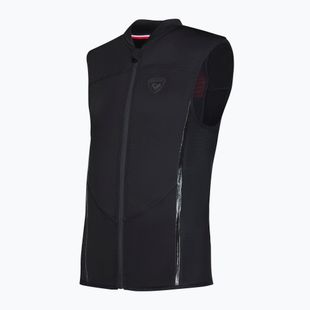
 Extra -5% with the code BLACKDEALSChildren's protector Rossignol Flexvent Vest Jr black€88.99€84.54Lowest price: €80.09
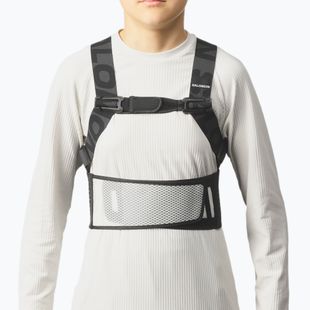 Extra -15% with the code BLACKDEALSChidren's ski vest Salomon Flexcell black€76.99€65.44Lowest price: €69.29
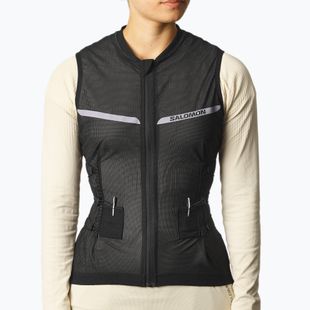 Extra -20% with the code BLACKDEALSWomen's ski vest Salomon Flexcell Pro black€119.99€95.99Lowest price: €101.99
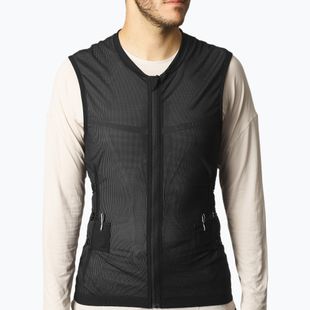 Extra -20% with the code BLACKDEALSMen's ski vest Salomon Flexcell Pro black€139.99€111.99Lowest price: €118.99
Ski protectors – protection for the back, shins and other body parts
Ski protectors are an important piece of equipment for anyone looking to increase their level of protection during recreational, training or competitive skiing. When choosing a ski protector you should primarily consider the body area to be protected, the size, range of motion and how it interacts with clothing and other gear. Ski protectors include models for the back, shins, forearms and knees, and their design should provide secure fit, freedom of movement, adequate protective coverage, comfort under clothing, reliable fastening and no pressure points. Among the products for skiers there are models from POC, which should be selected according to the intended use of the specific product and the manufacturer's size chart. Protectors for skiers should stay in place during turns, when leaning the torso and during dynamic leg movement, since a shifting element can reduce comfort. A ski back protector should be matched to torso length, while shin protectors require correct positioning relative to the leg and the boot. For equipment worn around the legs, it is also important that a ski boot protector or any element that interfaces with the boot does not interfere with proper buckle fastening and foot alignment. It is worth pairing ski protectors with adult ski helmets, keeping in mind that each item covers a different protection zone. Ergonomic shape, adjustable straps, adequate ventilation and compatibility with ski clothing help increase comfort throughout a day on the slopes. A properly chosen ski protector should be adapted to the user and the activity, because even sophisticated protectors will not perform correctly if worn in the wrong size.
Ski back protectors – how to fit a protector to your body?
Back protectors designed for the torso should provide coverage without excessively restricting body movement during turns, assuming a downhill position or when riding in more dynamic terrain. A ski back protector should primarily be matched to torso length, as a model that is too long can interfere with the hips, while one that is too short will not cover the area intended by the manufacturer. A back protector can be a standalone protector fastened with straps or an integrated element of a vest, depending on the specific product's construction. Evaluate protectors of this type for adjustment range, anatomic shaping, stability during movement, panel flexibility, ventilation, comfort in the skiing position and compatibility with clothing layers. Among protective equipment manufacturers is Komperdell, whose products should be chosen according to the parameters and intended use of each model. A back protector should be tried on together with the clothing that will actually be worn while skiing, since the thickness of layers can affect fit. A back protector should not shift excessively when leaning forward or cause strong pressure in a single spot. Also check ski protectors for information on standards and protection levels provided by the manufacturer when applicable. Protective certification, size labelling, coverage area and mounting system are more reliable indicators than the protector's thickness alone. Ski protectors should allow adequate freedom for the shoulders and hips so as not to disrupt the natural skiing position. If assembling full equipment, the protector can be matched with appropriate ski accessories selected for the type of skiing. A regularly used ski protector should also be checked for cracks, deformations and the condition of fastening elements, especially after a strong impact. This approach helps to use ski protectors properly and maintain their fit over subsequent days on the slopes.
Ski protectors for shins, lower legs and forearms
Limb protectors are especially important for types of training where the legs and arms are more likely to come into contact with track elements. Shin guards are used primarily to protect the front part of the lower leg, and protectors for the lower leg should be fitted so that they remain stable during knee flexion and movement inside the boot. Shin guards for ski boots must work together with other equipment without causing pressure or disrupting foot positioning. For products worn over clothing, it is important to have secure straps, adequate length of coverage, a shape matched to the lower leg, smooth edges, low tendency to rotate and freedom to bend the knee. Choose shin protectors according to height and leg circumference, since a model that is too wide can shift during skiing. Shin protectors should also be compatible with the cuff height of the boots used. If using a ski boot protector, ensure its construction is intended for that application and does not interfere with the operation of buckles, canting or other boot elements. Ski protectors are offered, among others, by Dainese, and when comparing models it is worth analysing the construction and protective scope specified by the manufacturer.
Forearm protectors are another type of equipment designed to shield parts of the arm that may contact obstacles during dynamic riding and training. Forearm protectors should provide stability during arm movement, appropriate length, low weight, no interference with gloves and correct fit relative to the sleeve of a jacket or suit. A limb protector should not restrict the range of motion more than necessary for its protective design. Shin guards for ski boots should be tried on in a configuration as close as possible to that used on the slopes, as should forearm protectors. It is also worth checking the condition of the straps, fastenings, shell surface and any elements that contact clothing. Protectors used during intensive training can be regularly exposed to impacts, so their condition should be checked in accordance with the manufacturer's instructions. Shin protectors and lower-leg protectors should be replaced or inspected by a specialist if cracks or permanent deformations appear after a strong impact. Proper fitting of these elements matters not only for protection but also for comfort, so ski protectors should be chosen as carefully as other equipment.
Knee protectors and equipment for competitive skiers
Ski protectors can also include models intended to protect the knees, used depending on the nature of the skiing and the user's needs. Knee protectors for skiing should allow deep knee flexion without excessive slipping or pressure behind the knee. When choosing them, consider the anatomic profile, secure fastening, flexible zones, range of joint flexion, compatibility with ski pants, weight of the construction and ease of putting them on. Knee protectors should be matched to leg circumference and the size indicated by the manufacturer, and after putting them on it is worth checking their position both when standing straight and during deep flexion. Protectors should remain stable during lateral movements as well. Among brands present in skiing equipment is LEKI, whose products should be chosen according to the intended use and specifications of each model. Skiers training for competition may use protectors that cover the back, shins, forearms or knees simultaneously, but the configuration should correspond to the discipline and the coach's recommendations. A back protector does not replace limb protectors, just as shin protectors do not cover other body areas. Individual elements should therefore be treated as complementary parts of a protection system.
Ski protectors must also be matched to equipment worn directly next to them. A back protector should fit under a jacket without excessive pressure, forearm protectors must not hinder glove function, and knee protectors should work with pants without blocking movement. A ski boot protector and shin guards for ski boots require particular checking against the boot cuff and fastenings. Properly chosen men's ski boots or models designed for other user groups should above all provide correct foot hold, and additional protective elements must not disrupt their function. Shin protectors should be regularly checked for cracks, deformations, strap wear and damage to the protective surface. The same applies to back protectors and limb models. A ski protector may need replacement after a severe impact even if the damage is not immediately obvious, so follow the manufacturer's recommendations regarding further use. Ski protectors do not eliminate the risk of injury, but when properly selected and used as intended they can be an important part of protective equipment. The most important factors remain correct size, stability, freedom of movement, compatibility with other gear and good technical condition, because these qualities determine the functionality of ski protectors.