


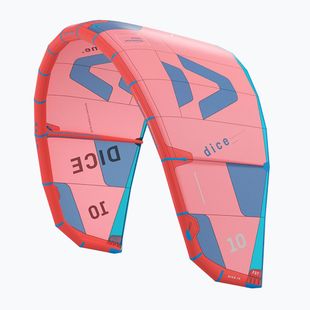
 DUOTONE kite kite Dice 2022 red 44220-3002€1,049.00 -€20.00Lowest price: €1,069.00Recommended retail price: €1,799.00
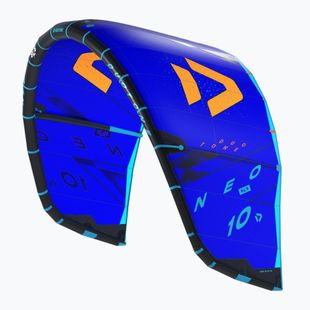
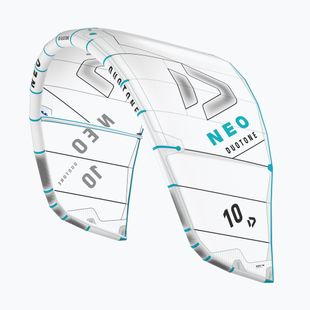 DUOTONE kite kitesurfing Neo Concept Blue 2024 undyed white€1,179.00 -€20.00Lowest price: €1,199.00Recommended retail price: €1,979.00
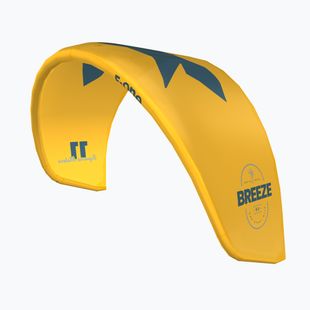 F-ONE Breeze V3 kite kitesurfing orange 77201-0201-A€569.99 -€30.00Lowest price: €599.99Recommended retail price: €1,349.00
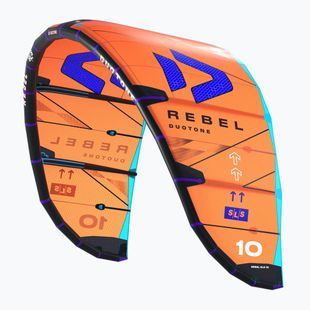
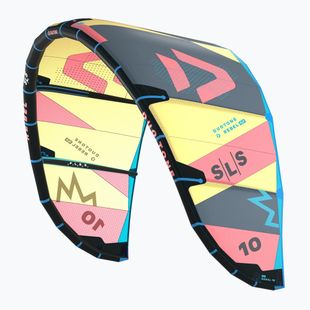 DUOTONE Rebel SLS 2024 coral/vanilla kite kiteFrom €1,669.00 -€20.00Lowest price: €1,689.00Recommended retail price: €2,379.00
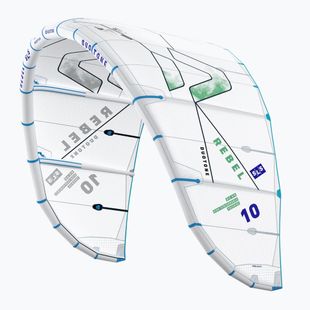 Kitesurfing kite DUOTONE Rebel SLS Concept Blue 2026 undyed€2,769.00 -€70.00Lowest price: €2,839.00
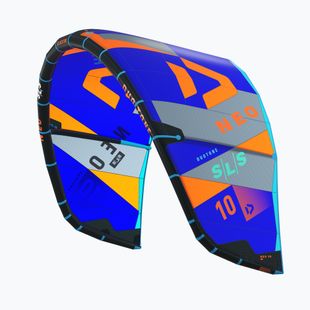 DUOTONE Neo SLS 2024 kite royal blue/orangeFrom €1,479.00 -€20.00Lowest price: €1,499.00Recommended retail price: €2,099.00
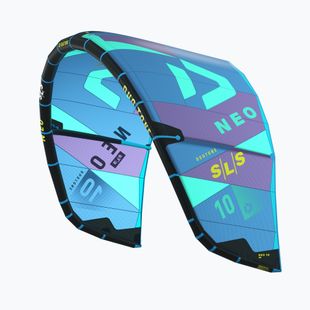 DUOTONE Neo SLS 2024 blue/mint kiteFrom €1,339.00 -€20.00Lowest price: €1,359.00Recommended retail price: €1,939.00
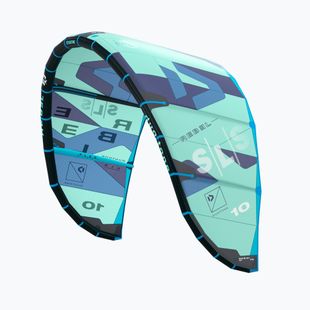 DUOTONE kite kite Rebel SLS C05 green 44230-3010€1,599.00 -€50.00Lowest price: €1,649.00Recommended retail price: €2,499.00
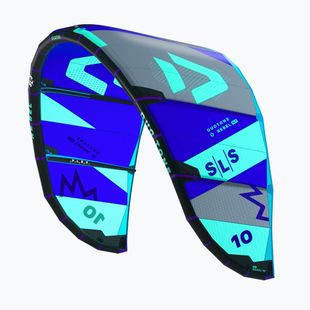 DUOTONE Kite Rebel SLS 2024 blue/light greyFrom €1,839.00 -€20.00Lowest price: €1,859.00Recommended retail price: €2,559.00
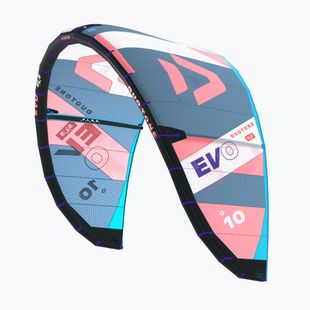 Kitesurfing kite DUOTONE Evo SLS 2024 coral/blueFrom €1,749.00 -€40.00Lowest price: €1,789.00Recommended retail price: €2,309.00
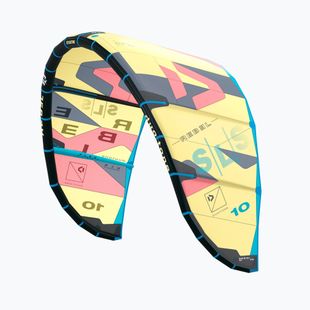 DUOTONE kite kite Rebel SLS C08 yellow 44230-3010€1,499.00 -€80.00Lowest price: €1,579.00Recommended retail price: €2,499.00
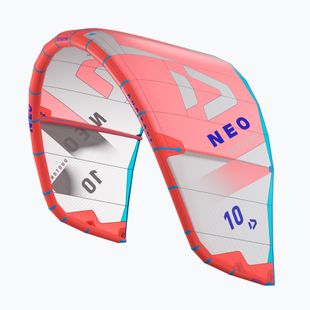 DUOTONE Kite Neo 2024 coral/light greyFrom €1,349.00 -€40.00Lowest price: €1,389.00Recommended retail price: €1,799.00


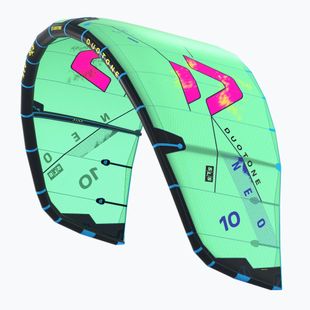
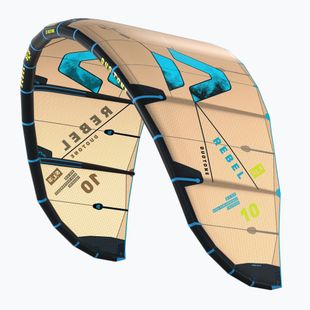


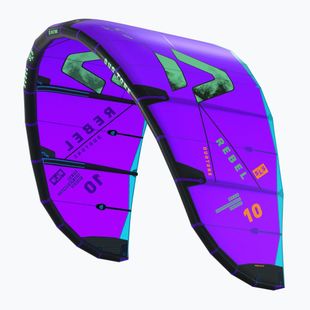


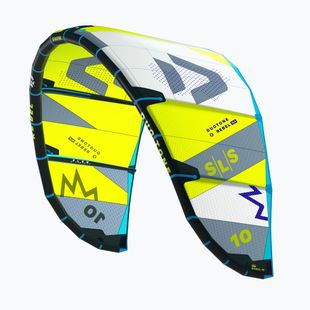
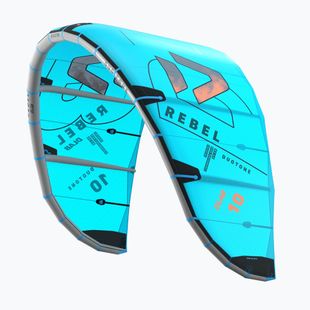
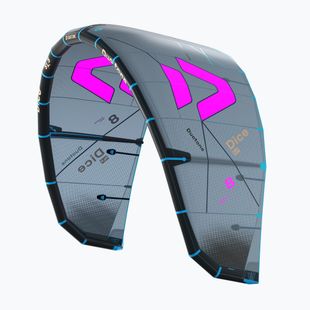
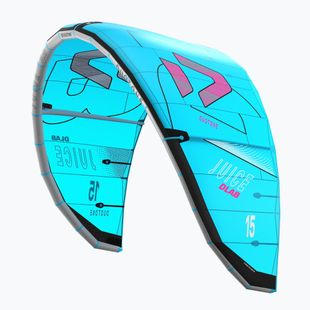
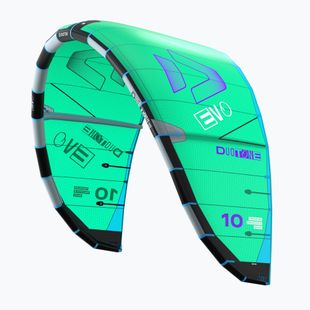
Kites for kitesurfing – how to match the kite design to your skill level and conditions?
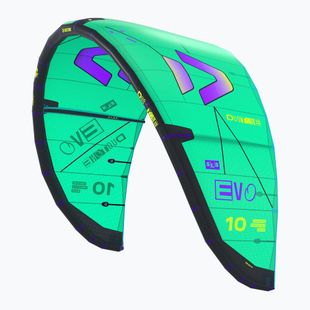
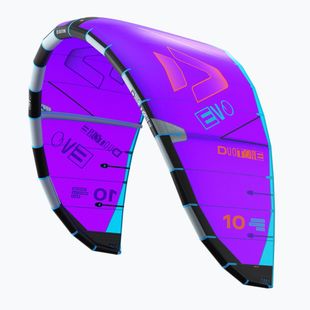
Kites for kitesurfing should be chosen primarily according to the rider’s skill level, the rider’s weight, the wind range specified for the model and the riding style. A kitesurfing kite is not equipment whose size can be selected solely based on height or another person’s experience, because the behavior of the setup is also affected by wind strength and consistency, board size and the construction of the specific kite. Kites for kitesurfing can differ in canopy geometry, handling characteristics, depower range, how they generate power and their response to bar inputs. Beginners should look primarily for predictable handling, ease of water relaunch, a wide usable wind range and features that make it easier to control power. A beginner kite should always be matched to the conditions and used after learning the basics under an instructor’s supervision, because even models described as user-friendly can generate significant power. Among the gear available for this discipline are products from the DUOTONE brand, which should be compared according to the specifications of specific models. A kitesurfing kite works together with a bar, so when assembling a setup you need to check control system compatibility, line length and the safety solutions provided by the manufacturer. The correct kite bar should be compatible with the chosen kite, and randomly mixing components from different systems without confirmation of compatibility is not recommended. Beginners can practise handwork and basic control earlier using a training kite designed specifically for learning canopy control. A training kite does not replace full on-water instruction, but it can help understand the wind window, the kite’s response to steering inputs and the basics of safe handling. A training kite should be used in conditions recommended by the manufacturer and with appropriate space. When choosing, also check the inflation system, tube construction, canopy material and servicing requirements. This way a beginner kite can be selected as part of a coherent setup rather than a random product chosen only by size. Responsible parameter matching and learning proper handling are crucial when selecting kites for kitesurfing.
Kites for kitesurfing for beginners – how does a training kite differ?
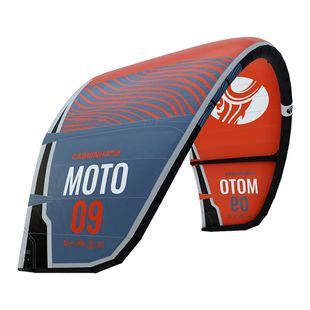
Kites intended for actual on-water riding should be distinguished from models used mainly to practise basic control on land. A training kite is typically used to learn the relationship between canopy position and generated power and to practice calm, predictable handling. A training kite can help understand what the edge of the wind window is, how a kite reacts to changes in direction and why smooth steering movements are more important than abrupt jerks. However, a training kite should be matched to the user and conditions, because even a small model can develop significant power in stronger wind. Kites used on the water are part of a more complete setup that also includes a board, a bar and a harness. Appropriate kitesurfing boards are chosen according to skill level, rider weight and riding style, so their parameters should be considered together with the kite’s working range. Among kitesurfing equipment manufacturers is Cabrinha, and individual designs from this brand may be aimed at different styles and skill levels. A beginner kite should provide clear feedback on the bar, a controlled steering response, easy power reduction and as predictable behavior as possible after a rider error, provided the manufacturer specifies such properties for the model. That does not mean a beginner should choose the size alone. For first sessions, it is best to select a kitesurfing kite with an instructor who will consider the spot conditions and the rider’s real abilities. A training kite can help develop coordination of movements and teach canopy observation without simultaneously managing a board. However, a training kite should not automatically be treated as suitable for on-water use if the manufacturer has not intended such use. Likewise, a training kite is not a toy and requires appropriate space and control of conditions. When buying, check the number of lines, folding/packing method, intended use range, safety system and the manufacturer’s manual. Kites selected with this preparation are easier to match to further learning stages because the user already understands the basics of control and canopy behavior. That is why learning on simpler equipment can be a valuable step before independent use of kites for kitesurfing.
Kites for kitesurfing for children – safety and proper fitting
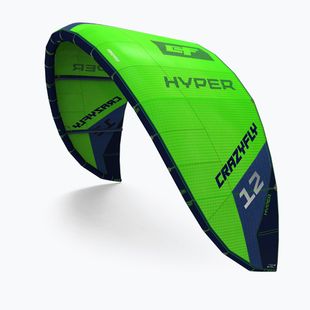
Kites for younger users require especially careful consideration of equipment choice, conditions and the learning method. A kite for children should not be chosen solely because it is small, since canopy area alone does not determine the power produced, and the gear’s behavior also depends on wind, construction and the rider’s weight. A kite for children should be used only if the manufacturer specifies such use, and learning should take place under the supervision of a person with appropriate instructional qualifications. Kites for kitesurfing require understanding safety procedures, correct attachment of the system and reactions to changing conditions. For a young rider, a properly chosen training kite can be a good introductory stage, allowing practice of kite control, orientation in the wind window and calm reactions to changes of direction. A training kite intended for such exercises should match the age, abilities and conditions specified by the manufacturer. Available gear includes products from CrazyFly, which must be compared by real intended use rather than size alone. During later on-water learning, a suitable kite harness that fits the body and is compatible with how the whole setup is used is equally important. A training kite can help build basic habits, but the transition to a full-size kitesurfing kite should be gradual. Important factors include the young rider’s weight, physical strength, maturity to follow safety procedures, weather conditions and the ability to follow instructor commands. Kites can generate sudden loads, so a child should not use them alone without proper preparation. An adult beginner kite may not be appropriate for a younger person even if the size seems suitable. Similarly, a children’s kite should not be used in conditions that exceed the limits specified for that equipment. It is worth checking the quick release mechanism, line condition, harness attachments and the entire setup before each session. Safety results from proper training and system control, not a single piece of equipment. This approach allows a young rider to be gradually introduced to the sport and kites for kitesurfing to be chosen responsibly.
Kites for kitesurfing for freeride and further skill development
Kites for kitesurfing for riders who have mastered basic waterstarts, riding in both directions and power control can be chosen more precisely according to preferred style. A rider focused on relaxed freeride may expect different characteristics than someone developing jumps, and a kitesurfer interested in waves or more technical maneuvers will expect other features. In such cases a kitesurfing kite should match not only wind conditions but also the way power is delivered, turning speed, the level of feedback on the bar, behavior after releasing the bar and the nature of relaunch. Kites for kitesurfing with different intended uses can look similar, but geometry, profile and line setup affect their behavior in the air. For this reason, before purchasing you should read the intended use specified by the manufacturer instead of assuming every model of the same size will perform similarly. Among manufacturers developing equipment for this discipline is F-ONE, and individual designs should be chosen according to skill level and intended use. Kitesurfing accessories are also useful for a complete setup, and their compatibility with the gear in use should be checked each time. A beginner kite can remain a good choice after finishing a course if its characteristics suit recreational freeride and provide the rider with the needed predictability. Over time, a more advanced rider may look for greater turning dynamics, more precise power control or a design better suited to specific maneuvers. A training kite still can be useful for practicing control on land, but it does not replace proper on-water equipment. A training kite should be used according to its intended purpose even when used by a more experienced person. Important maintenance tasks include regular inspection of the canopy, checking valves and connections, assessing line condition, inspecting the safety system and correctly drying the gear before long-term storage. A kite with visible damage should not be used without evaluation and proper repair. Equally important is using forecasts and local spot knowledge, because even properly chosen gear will not compensate for dangerous conditions. Skill development should therefore go hand in hand with a growing understanding of the equipment, allowing informed choices of kites for kitesurfing.