


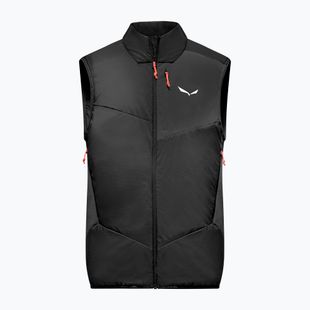
 Extra -25% with the code BLACKDEALSTrekking gilet Salewa Ortles Hybrid Tyrol Wool Air black out€189.99€142.49Lowest price: €142.49
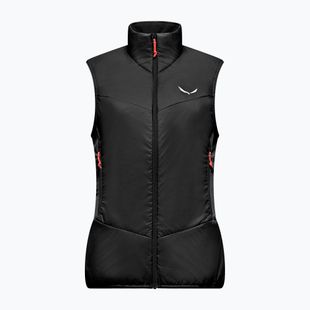 New Extra -25% with the code BLACKDEALSTrekking gilet Salewa Ortles Hybrid Tyrol Wool Air black out€189.99€142.49Lowest price: €142.49
 Extra -5% with the code BLACKDEALSWomen's trekking sleeveless Salewa Ortles Hyb TWR syrah€129.99€123.49Lowest price: €123.49
Trekking vests – a lightweight layer for the trail and changeable weather
Trekking vests are a practical component of a layering system when an extra torso cover is needed during a hike without restricting arm movement. A well-chosen trekking vest should correspond to the temperature, effort intensity and the other clothing layers. When choosing, important factors include low weight, shoulder mobility, torso fit, appropriate length, comfortable collar, functional pockets, effective ventilation, packability, comfort under a backpack and the level of protection offered by a specific construction. Trekking vests can be insulating, windproof or more versatile, so it is worth analyzing the specifications of each model separately. Among outdoor apparel there are products from the Patagonia brand, which can be matched to different types of outdoor activity. A trekking vest can be worn over a base layer, a midlayer or under a jacket if that arrangement provides appropriate thermal comfort. Complementary items can be trekking fleeces, which allow flexible response to changing temperatures. Trekking vests work best when they provide a balance between protection and breathability, so intended use should guide the choice of trekking vests.
Women's trekking vests – fit to body shape and the layering system
Women's trekking vests should provide additional torso protection while leaving full freedom of movement when hiking with poles, putting on a backpack or negotiating more technical sections of trail. A women's trekking vest may differ from men's models by waist shaping, proportions across the chest and hips and length, so the correct size is best chosen according to the specific manufacturer's sizing chart. Trekking vests should allow the planned base or mid layer to be worn underneath without creating excessive pressure. Important features include an anatomic cut, shoulder mobility, appropriate underarm width, stable fit at the hips, adjustable hem, high collar, lightweight fabric, easy-to-use zipper, access to pockets and comfort with a backpack on. A women's trekking vest intended for intense hiking should not cause excessive heat buildup, so it is worth matching insulation level to your personal thermal needs and pace. Among outdoor models there are products from The North Face, which should be compared by the construction of the specific variant. Women's trekking vests can be combined with thermal base layers, creating a layered system adapted to effort and weather.
Women's trekking vests are particularly useful in transitional seasons when a full jacket may be too warm on an ascent, but a single long-sleeve top or hoodie provides too little protection during a stop. In such cases a women's trekking vest can primarily protect the torso while leaving the arms less covered. However, trekking vests should be chosen according to the product's intended purpose, since a lightweight windproof model behaves differently than a vest with insulating fill. The type of insulation, if present, wind protection level, breathability, packability, packed weight, panel placement, armhole finishing, pocket construction, material durability and compatibility with other layers all matter. A trekking vest should stay in place when leaning forward and should not ride up excessively above the hip belt of a backpack. It's also worth trying women's trekking vests with the gear you use on the trail, as pack straps can change the perceived fit. In cooler or windier conditions the kit can be complemented with a a softshell jacket if a larger coverage area is required. Well-fitted trekking vests provide flexibility when building an outfit, so a women's trekking vest should be chosen primarily based on the activity and conditions.
Men's trekking vests – mobility, pockets and comfort under a backpack
Men's trekking vests should provide freedom across the shoulders and a comfortable fit in the chest area, especially when hiking with a backpack and actively using poles. A men's trekking vest can serve as a lightweight protective layer on an ascent, additional insulation during breaks or an item worn under a jacket in cooler conditions. When selecting, consider shoulder width, chest circumference, back length, adjustable hem, collar ergonomics, pocket accessibility, material behavior during movement, packability, breathability and the level of insulation if the model provides it. Men's trekking vests should be fitted enough to limit unnecessary material movement but should not compress the layers underneath. Among products intended for hiking there is apparel from Columbia, whose individual models may suit different conditions and uses. A men's trekking vest should also be evaluated for pocket placement, since a pack hip belt can partially obstruct access to low pockets. Trekking vests can be paired with hiking pants, creating a kit that ensures full freedom of movement while walking.
Men's trekking vests can have a minimalist construction or be more feature-rich, so before buying it's worth deciding which elements will actually be used in the field. A men's trekking vest for quick day trips may prioritize low weight and small packed volume, while a model for colder outings may offer more insulation. Vests should not be chosen based on thickness alone, because comfort is also affected by user activity, wind, temperature and the types of layers worn underneath. Important features include adequate ventilation, torso protection, free armholes, reliable main zipper, easy adjustment, fabric durability, soft collar finish, secure pockets, no unnecessary pressure and proper placement under pack straps. A vest used with heavier loads should be checked for areas where the shoulder straps and hip belt contact the fabric. Men's trekking vests should also be matched to the season – a lightweight construction may work for a cool summer morning, while in autumn a more fully built model might be needed. A men's trekking vest can be quickly removed and stowed if the temperature rises during an ascent, which is one of the biggest advantages of this type of garment. Regularly used trekking vests should be cared for according to the manufacturer's instructions to avoid degrading material properties and any insulation. Proper cut and functionality should therefore determine the choice of trekking vests.
Trekking vests for different conditions – how to choose the right type?
Trekking vests differ in their level of protection, so before choosing it's worth determining whether the garment should primarily be a light shield against cool air, an additional insulating layer or a versatile piece for transitional seasons. A thin trekking vest can be useful during an intense ascent when the user needs to cover the torso without putting on a full jacket. A more insulated trekking vest can increase comfort during rest or slower walking at lower temperatures. Trekking vests should be compared in terms of construction type, insulation, wind protection, breathability, weight, packability, outer material durability, cut, pocket system and cooperation with a backpack. Among manufacturers of technical outdoor apparel is Arcteryx, whose models should be chosen based on specific properties and intended use. A women's trekking vest and a men's trekking vest may differ in proportions, but in both cases the correct range of motion remains the most important factor. Women's trekking vests should provide a free fit at the hips, while men's trekking vests should not restrict the shoulders when using poles.
Trekking vests are best treated as part of an overall clothing system rather than a standalone solution for all weather. A trekking vest worn during a windy ascent can protect the central part of the body well, but in case of precipitation or a clear deterioration of conditions an appropriate jacket will be needed. A women's trekking vest and a men's trekking vest should leave room for a base layer and possibly a midlayer, if that will be the typical setup for the user. It's also worth trying women's and men's trekking vests in motion, performing bends, torso twists and arm lifts. This allows assessment of armhole performance, hem stability, collar comfort, range of motion, pocket accessibility, lack of material ride-up, compatibility with a midlayer, comfort under straps, breathability and general ergonomics. In warmer conditions a trekking vest can be quickly stowed in a backpack, so its packed volume also matters. With regular use, check the condition of zippers, seams, adjustments and the material in areas contacting the backpack. Trekking vests should be washed and dried according to the manufacturer's recommendations, especially if they use insulation or special fabric treatments. Choosing the right model therefore depends on season, hiking intensity and layering strategy, and properly fitted trekking vests provide extra flexibility when preparing an outfit for the trail.