


Filters
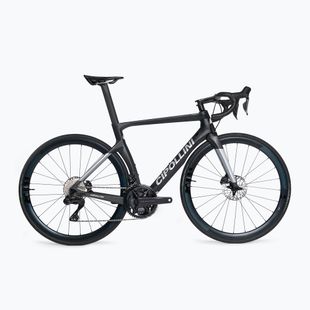 Road bike Cipollini NK1K DB 22-ULTEGRA black M0012MC122NK1K_DB Q30MN€4,769.00Recommended retail price: €11,199.00


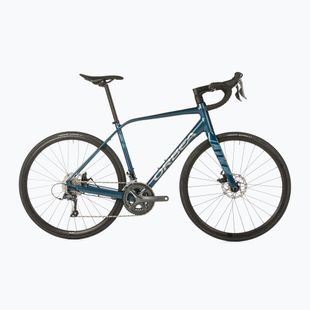
Triathlon bikes in the
Sportano shop offerTriathlon is a unique sport that combines three disciplines: swimming, cycling and running. The right equipment can make a significant difference to the athlete's performance and comfort while competing. A triathlon bike is designed to meet the specific needs of the sport, differing from traditional road bikes in several key aspects.
At Sportano, you will find quality triathlon bikes from proven manufacturers such as Orbea, Cipollini, Basso, Ridley and Superior.Frame design: aerodynamics firstThe triathlon bike is the result of a combination of innovation, research and the pursuit of excellence in the sport. The key to its performance is aerodynamics, which is paramount at the speeds that triathlon athletes achieve. This is distinctly different from road bikes, although the two categories are often confused with each other.
The frame of a triathlon bike is designed to minimise drag. Streamlined shapes, cut-outs and specific tube connections in the frame are designed to 'cut through' the air with as little resistance as possible. This is not only a question of appearance, but above all of functionality. The aerodynamic shape of the frame allows the rider to achieve higher speeds with the same amount of energy input.
In addition, the frame geometry is adapted to the specific position of the triathlete on the bike. Compared to road bikes, the saddle is positioned further forward, allowing more efficient power transfer to the pedals and a quicker change of position during the transition from cycling to running.Drive train and gear ratios: adapted to the
a variety of routesTriathlon is not a monothematic discipline. Competitors compete on a wide variety of routes - from flat poses to hilly and mountainous segments. The drivetrain therefore needs to be extremely versatile.
A wide range of gear ratios is an absolute must in a triathlon bike. This allows riders to adapt to the current conditions of the course, minimising fatigue and maximising speed. Modern triathlon bikes use advanced shifting systems that are instantly responsive and precise. This allows the rider to smoothly adjust the gear ratio in response to changing course conditions.
However, it is not only the gear ratios that are important. Drivetrain components such as cranks, chains or cassettes must be made of the highest quality materials, ensuring reliability in all conditions. High-quality materials also ensure that the entire system weighs lighter, which translates into better riding performance.
Although it seems like a small component in the overall equipment, a properly selected drivetrain can make a significant difference to a rider's performance, so its choice cannot be left to chance.Wheels and tyres: a choice for maximum speedWhen we talk about achieving maximum speed on a bike, wheels and tyres play a key role. These two components are directly responsible for contact with the road and influence how energy is transferred from the bike to the road.
Wheel aerodynamics is one of the main factors that affect performance in triathlon. High and narrow rims help to reduce drag, allowing you to ride faster. Such wheels are often made of carbon fibre, which provides adequate stiffness while remaining lightweight.
Choosing the right tyres is equally important. Tyres with low rolling resistance translate into better speed, while the right width and tread provide grip in a variety of conditions. Triathletes also need to consider tyre pressure; too low pressure can increase rolling resistance, while too high pressure can reduce grip.Innovations and technologies in
modern triathlon bikesThe triathlon bike is not just a riding machine, it is a masterpiece of engineering that benefits from the latest technological discoveries in a constant process of evolution. Today's triathlon bikes are the result of years of research, wind tunnel testing and collaboration with leading athletes.
One key area of innovation is the use of composite materials, such as carbon fibre, which offer incredible stiffness while remaining incredibly lightweight. This combination allows cyclists to convert a higher percentage of their energy into speed.
Shifting systems have become more advanced, with electronic shifting systems that provide instant and precise gear changes at the touch of a button. Electronic shifting systems eliminate the need for mechanical cables and ensure consistent precision regardless of weather conditions or wear.
Aerodynamics is another area where bike manufacturers continue to strive for excellence. Modern triathlon bikes use advanced tube shapes, integrated braking systems and hidden cables, all to reduce drag and allow riders to reach even higher speeds.
The next step in the evolution of triathlon bikes is adaptive suspension systems, which allow cyclists to adjust riding characteristics depending on course conditions. Although triathlon is predominantly a racing sport, the ability to adapt to different surfaces can be key to achieving a competitive edge.
When we look at modern triathlon bikes, we see a symphony of innovation and technology working together to give the rider the best tool for success.
Collapse the description