


Filters
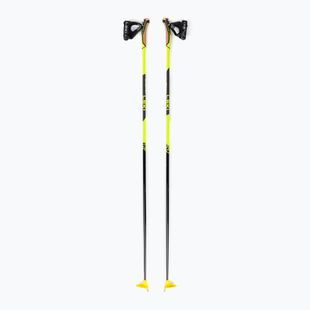 LEKI PRC 650 cross-country ski pole black/yellow 65240871140€93.99Recommended retail price: €109.99
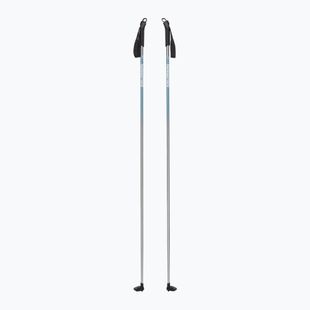 Extra -10% with the code CLUBSalomon Escape Alu cross-country ski poles€20.99€18.89Lowest price: €16.79
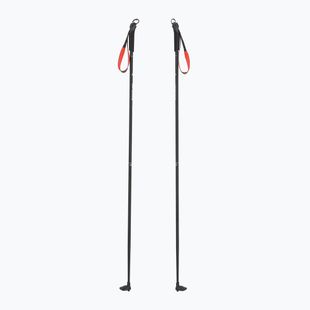 Extra -10% with the code CLUBAtomic Savor black cross-country ski pole€53.99€48.59Lowest price: €41.24
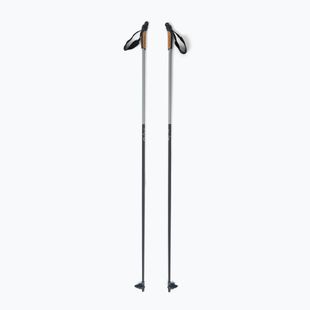
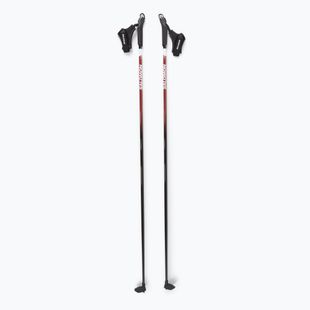
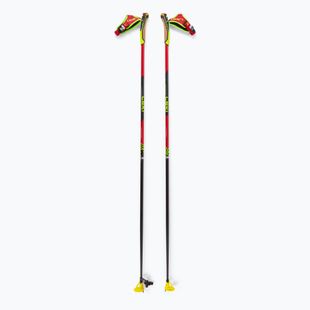
Cross-country ski poles - high quality and reliability in the shop
SportanoCross-country ski poles are an indispensable piece of equipment for every cross-country skier, whether amateur or professional. They are used not only to maintain balance, but also for effective acceleration and braking. Properly selected poles can significantly affect the comfort and efficiency of your ride, so it is worth knowing the basic principles of their selection and the properties of the various types of poles available on the market.
In the Sportano shop, you will find high-quality cross-country ski poles from renowned brands such as One Way, Salomon, Rossignol and LEKI.
used in the production of cross-country ski polesThe choice of material from which the poles are made is one of the most important factors affecting their strength, weight and functionality. Here are the main materials used in production:Aluminium
Advantages: low price, availability, relatively good strength.
Disadvantages: higher weight, less flexible, prone to deformation.
Fibre
carbon fibre
Advantages: lightweight, high strength, resistance to deformation, better anti-vibration properties.
Disadvantages: high price, may crack under heavy loads.
Composites
Advantages: lightness and strength similar to carbon fibre, but at a lower price.
Disadvantages: lower strength compared to carbon fibre, variation in quality between manufacturers.
Different companies often introduce their own patented composite technologies to offer poles that combine the best features of the available materials.
Differences
between cross-country and alpine ski polesAlthough, at first glance, poles for different types of skiing may look similar, there are important differences that affect their functionality for a particular style of skiing.
Length: cross-country ski poles are usually longer than alpine poles. Longer poles help you to accelerate and maintain pace on flat sections of terrain. Alpine poles are shorter to allow better control on descents.
Grips and loops: the grips of cross-country ski poles tend to be more ergonomic and have different loop settings to provide comfort and support for a variety of running techniques. In the case of alpine poles, the grip is often designed so that it is easy to let go in the event of a fall.
Plates (baskets): the plates on cross-country poles tend to be smaller and lighter, allowing better passage through different types of snow and avoiding snagging. On alpine poles, the plates are wider to prevent the pole from being submerged in the snow during descents.
Weight and durability: cross-country poles tend to be lighter and have lower durability as they are not subjected to as much stress as in downhill skiing. Alpine poles are made to withstand heavier loads, especially during aggressive descents and turns.
Understanding these differences will help you make an informed choice, depending on what type of skiing suits you best.How to
choosing the right length of poles?The length of cross-country ski poles is one of the most important aspects to consider when buying them. Although the general rule of thumb is that poles should be about 20-30 cm longer than the skier's height, this rule is not always sufficient. The length of poles depends on a number of factors, including skiing technique, skiing style and individual preference. For example, skiers who prefer the classic technique may choose poles that are slightly shorter to gain better manoeuvrability on more difficult sections of the piste. In contrast, those using the skate technique often opt for longer poles, which provide better stability and are more effective over long distances. The final choice also depends on the type of terrain and snow conditions. On hard snow, shorter poles may offer better control, while on soft snow longer poles may be more beneficial. It is a good idea to test several different lengths before making a final choice.Technologies
and innovations in cross-country ski polesIn today's world of technological innovation, cross-country ski poles are not lagging behind either. Manufacturers are introducing new technologies that aim to improve the skier's ride quality, comfort and performance. One interesting trend is the use of anti-vibration technology, which reduces pole vibration, which can counteract hand muscle fatigue after a long day on the trail. Other innovations include quick-hook and quick-release loop systems, which is particularly useful in situations where the skier needs to change gear quickly. Some poles feature ergonomically designed grips that not only improve grip, but also distribute pressure in a way that reduces stress on the joints. As materials and technology evolve, poles are becoming lighter, stronger and more functional, allowing skiers of all levels to enjoy the sport to the fullest.
The choice of cross-country ski poles is wide and varied, so any skier, regardless of their level, should be able to find something to suit their needs. However, it is important to keep in mind key aspects, such as the material, length and technology used in the poles, which can make a significant difference to the skiing experience.
Collapse the description