


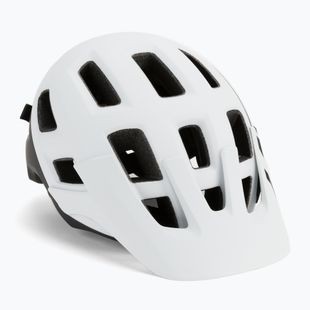
 Lazer bike helmet Coyote white BLC2197886745€69.99 -13%Lowest price: €79.99Recommended retail price: €89.99




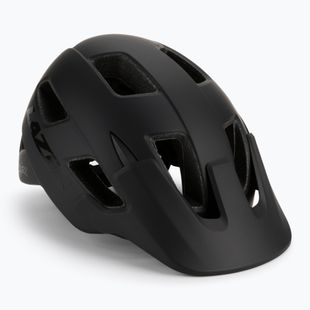
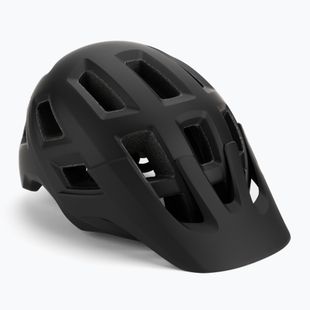
MTB helmets for confident riding on roots and singletracks
MTB helmets are the basic head protection when riding forest trails, over roots, rocks and technical descents, where a fall can happen faster than on asphalt. A well-chosen MTB helmet should combine stable fit, efficient ventilation, low weight, extended occipital protection and an adjustment system that allows you to set the helmet firmly on the head without pressure. A women's MTB helmet, a men's MTB helmet and a youth MTB helmet should be selected according to head circumference, riding style and type of trails. For recreational riding, a lightweight trail model is sufficient, but for faster descents, jumps and steep sections you should look for a deeper shell, goggles compatibility and a visor that protects against sun and branches. At Sportano you'll find MTB helmets from brands such as UVEX, Fox, POC, Alpina and Giro. When choosing, consider the certification, shell shape, circumference adjustment, internal pads and whether the helmet sits stably during off-road riding. When protection, comfort and confidence on rough terrain matter, MTB helmets are the most important piece of equipment.
MTB helmet for trail, enduro and everyday off-road riding
MTB helmets should be chosen according to the nature of the trail, because a relaxed forest ride, a dynamic trail and technical enduro place different demands on head protection. A helmet for recreational MTB riding should be light, well-ventilated and comfortable for several hours, whereas a helmet used for faster descents should offer a deeper shell, better occipital protection, a stable visor, a precise adjustment dial and a construction that does not shift during impacts. An MTB helmet must not be loose, because during sudden head movements or contact with the ground it should remain in the correct position. An overly tight model is also problematic, as pressure on the temples and forehead quickly reduces comfort and the rider starts adjusting the helmet instead of focusing on the track. MTB helmets differ in the number of ventilation openings, the shape of the air channels, shell profile and type of chin strap. A women's MTB helmet may offer a fit more comfortable for longer hair or a smaller head circumference, but the most important factor remains the real stability on the head. A men's MTB helmet should not be chosen solely by the letter size, since different brands can have different shell geometry. For more aggressive riding consider full-face helmets, which better protect the jaw and face during descents, bike park sessions and enduro riding. Among models with a strong off-road character, the Fox helmet often appears, chosen by riders looking for equipment for dynamic riding and tougher terrain. When buying, check the safety standards, energy absorption system, shell durability, strap comfort, chin buckle and the ability to remove and wash the liners. A helmet doesn't do the rider's job, but it supports safety when technique, surface or speed stop forgiving mistakes. When the goal is more confident riding over rocks, roots and steep trails, MTB helmets are fundamental.
Women's MTB helmet without pressure or random sizing
Women's MTB helmets should be selected by head circumference, skull shape, ride length and style, not just by color or a "women's" label. A women's MTB helmet must sit stably on the head during climbs, descents, root sections and quick position changes, so adjustment should include not only circumference but also the height of the rear cradle. An MTB helmet must not slide over the eyes or tilt back, as in both cases it loses part of its protective function. A well-fitted MTB helmet should provide comfortable forehead contact, no point pressure, stable side straps, easy one-handed adjustment and ventilation that helps maintain comfort on climbs. Women's MTB helmets can differ in shell depth, occipital profile and pad layout, so before choosing, check whether the helmet interferes with glasses, goggles or a ponytail. A men's MTB helmet can also fit a woman if it sits stably and does not cause pressure, because protection and fit to the specific head are what matter most. In women's cycling ranges pay attention to women's bike helmets if you need a wider selection of models with different geometry, sizing and styles. For MTB trails the visor also matters: it should protect from sun, mud and branches but must not limit visibility when looking far ahead. Models from POC may interest riders who value refined protection, modern design and stability on difficult terrain. When choosing, consider helmet weight, number of ventilation channels, pad softness, ease of cleaning, glasses compatibility and whether the helmet remains comfortable after an hour of riding. A Fox MTB helmet may suit more aggressive riders, but every model should be judged by stability and comfort, not just the name. When protection without pressure, comfort on climbs and confidence on descents matter, MTB helmets are the best choice.
Men's MTB helmet for speed, sweat and long rides
MTB helmets for men should match riding style, because a different model is needed by a recreational forest rider than by someone who regularly trains on singles, descents and obstacle-filled trails. A men's MTB helmet should have secure seating on the occiput, a comfortable adjustment system, strong straps, good ventilation and a construction that doesn't bounce on uneven ground. A helmet for faster riding must work well with cycling glasses, since mud, dust, insects and branches can impair visibility at the worst moment. An MTB helmet should not be treated as an aesthetic accessory; it is protective equipment intended to reduce the effects of an impact and support confidence when riding in difficult terrain. Helmets with larger visors are practical on forest sections, but the visor should be stable and positioned so it does not block the line of sight on a descent. For long rides pay attention to airflow channels,
MTB helmets with visor, ventilation and occipital protection
MTB helmets differ in details that may seem minor during a relaxed ride but realistically affect comfort and control on a technical trail. An MTB helmet should have a visor positioned to shield the eyes from sun, mud and branches, but not limit visibility in a low position on descents. A helmet with a deeper shell better covers the back of the head, which is important in trail and enduro riding where falls often occur during lateral slides, going over the bars or losing balance on roots. An MTB helmet should provide stabilization without pressure, ventilation on climbs, impact resistance, comfortable strap routing and the ability to fit glasses or goggles. Helmets with more ventilation openings will be more pleasant in summer, but you should check whether the shell still offers appropriate protection for the intended riding style. A women's MTB helmet should work well with a hairstyle and not cause pressure during extended wear, while a men's MTB helmet must stay stable even when the rider is working hard with the body on the bike. It's also worth comparing children's bike helmets if a younger rider is starting to ride in the forest and needs protection suited to a smaller head and lower body weight. In the bike protection segment Giro helmets may interest those looking for varied constructions for recreational, sportive and off-road riding. When choosing, pay attention to the MIPS system or other protective solutions, visor adjustability, buckle quality, breathable liners, reflective details and whether the helmet interferes with eyeglass frames. Fox, UVEX, POC, Alpina and Giro MTB helmets can differ in character, so it's best to judge them by fit, intended use and stability in motion. When occipital protection, breathability and a good field of view matter, the best decision is an MTB helmet.
Fox, UVEX, POC, Alpina and Giro MTB helmets without choosing by logo
MTB helmets from Fox, UVEX, POC, Alpina and Giro should be compared by fit, shell construction, ventilation and purpose, not just brand recognition. A Fox MTB helmet may suit riders who ride more aggressively and seek a robust, off-road character and goggle compatibility, but even the best model won’t be right if it doesn’t sit stably on the head. A UVEX MTB helmet may interest users expecting precise adjustment and everyday comfort, while POC is often chosen by riders who pay attention to a modern approach to protection. Alpina fits the needs of those looking for practical solutions for regular routes, and Giro offers a wide selection of helmets for different riding styles. MTB helmets should be evaluated by adjustment range, depth of seating, shape of ventilation openings, visor stability, strap quality and glasses compatibility. An MTB helmet should not shift when shaking the head, and the straps should sit under the ears without twisting or rubbing the skin. Women's and men's MTB helmets should be tried so that the front edge sits low above the eyebrows but does not limit visibility. If you're assembling protection for tougher sections, bike protectors will also be useful, as knees, elbows and torso are particularly exposed during technique training or riding rocky trails. When buying, consider safety certificates, energy-absorbing system, replaceable liners, weight, ease of adjustment and the ability to use the helmet comfortably in different temperatures. A helmet does not replace braking technique, body work and line choice, but supports protection when an error or uneven surface leads to a fall. When brand goes hand in hand with real fit, sensible choices are MTB helmets.
MTB helmet matched to the head, trail and riding style
MTB helmets are best chosen after measuring head circumference and determining where you most often ride: on calm forest roads, technical singles, enduro trails or in a bike park. A universal MTB helmet should offer secure circumference adjustment, comfortable straps, a stable buckle, good ventilation and a shell that protects not only the top of the head but also the back of the skull. An MTB helmet should be worn level, with the front edge a few centimeters above the eyebrows; a model worn too high exposes the forehead, while one worn too low impedes trail observation. MTB helmets should not be bought with a large margin, because adjustment should only refine the fit, not compensate for a poorly chosen size. Women's, men's and children's MTB helmets should be tried with glasses, a neck gaiter or a thin cap if such accessories will be used in practice. When choosing check the shell size, adjustment dial range, strap positioning at the ears, pad comfort, visor and whether the helmet doesn't move during a sudden head turn. Fox, UVEX, POC, Alpina and Giro MTB helmets can work for different users, but the key is purpose: a lightweight trail model will be comfortable on a long ride, while a fuller construction provides more coverage on tougher descents. If you want to fine-tune small elements after purchase, check helmet accessories that help maintain comfort, hygiene and compatibility with the chosen model. After a heavy impact the helmet should be replaced even if it looks intact externally, because the energy-absorbing structure may have been damaged. It's also worth regularly washing the liners, checking the straps and storing the helmet away from high temperatures. When fit, protection and confidence on demanding surfaces matter, the most important choice remains MTB helmets.