


Filters
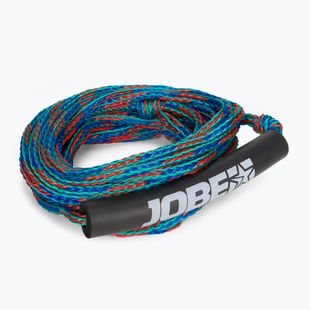
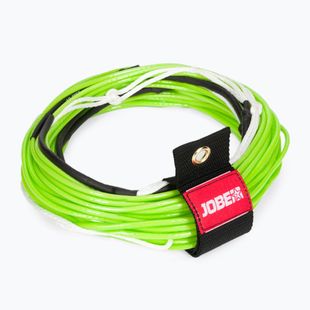



Towing ropes - the right choice in the Sportano shopTowing ropes play a key role in water sports, especially those where people or equipment are towed behind a boat, such as wakeboarding, water skiing and floatplane riding. These are no ordinary ropes; their design and manufacture require precision to ensure strength, flexibility and safety. These ropes must be able to withstand dynamic loads, changing weather and water conditions and provide a smooth and safe ride.
At Sportano you will find professional tow ropes from the JOBE brand. The importance of tow rope strength and flexibility In the world of towed sports, tow ropes play an extremely important role, performing key safety and performance functions. The strength of the ropes is absolutely fundamental, as they must be able to withstand the constant tension and strong forces applied during towing. Choosing ropes of adequate strength is essential to prevent the risk of them breaking, which could lead to dangerous accidents on the water.
The flexibility of the ropes is equally important. Adequate flexibility allows better absorption of sudden jerks and shocks that may occur when changing the speed of the towing boat or manoeuvring. The flexibility of the ropes allows for smoother and more controlled towing, which is particularly important for beginners and when performing complex techniques in more advanced forms of towed sports. Different types of towing ropes: purpose and characteristics There are many different types of rope in towed sports, each designed for specific applications and styles of riding. For example, ropes used in wakeboarding tend to have less flexibility, allowing the rider more control when performing tricks in the air. Water skiing ropes, on the other hand, are often more flexible, providing the smoothness and stability needed to glide through the water quickly.
In the context of towing floats, ropes are often designed to be strong and long enough to provide a safe and comfortable distance from the boat. The materials used in these ropes are usually resistant to fresh and salt water as well as UV radiation, extending their life even in harsh marine conditions.
Some ropes are equipped with special features such as floating sections that prevent the rope from sinking underwater, which is particularly important for safety and visibility on the water. Others may incorporate sections of varying flexibility, allowing users to tailor the length and level of flexibility of the rope to their individual needs and preferences.
Innovation and modern materials in towing ropes In the world of water sports, innovation and the use of modern materials in the manufacture of towing ropes are having a significant impact on improving the quality and safety of this activity. Today's tow ropes use advanced technologies that translate into greater strength, better flexibility and longer life.
One of the most popular materials used in tow ropes is high-density polyethylene (HDPE), which has exceptional tensile strength and abrasion resistance. Other ropes are made from polypropylene fibres, which are lightweight but also very strong and water-resistant, which is crucial in an aquatic environment.
Many tow ropes are now made from UV-resistant materials, which prevents the rope from degrading when exposed to the sun, significantly extending its life. In addition, manufacturers are using special coatings and treatments to reduce twisting and entanglement of the rope, which is important for ease of use and safety.
Innovations also include the introduction of sections with different flexibility within a single rope, allowing users to customise the rope. Such solutions enable more precise control and better adaptation to different riding styles and conditions on the water.
Choosing the right tow rope: what to look for? Choosing the right tow rope is key to ensuring safety and enjoyment of water sports. When choosing a rope, there are several important aspects to consider. First and foremost, the length of the rope is important and should be suitable for the type of sport being practised and the size and power of the towing boat. A rope that is too short can limit manoeuvrability, while one that is too long can be difficult to control.
The strength of the rope is another key factor. The rope should be able to withstand the constant tension and stress of towing without the risk of breaking. It is therefore important to choose a rope with adequate tensile strength and abrasion resistance.
Consideration should also be given to the material of the rope. Water-, UV- and abrasion-resistant materials ensure longer rope life and better performance. In addition, consider ropes with additional features, such as floating segments that prevent the rope from sinking and make it easier to retrieve.
Rope flexibility is also important, especially in sports that require frequent changes in speed and direction, such as wakeboarding and waterskiing. A flexible rope provides a smoother experience and reduces the risk of jerks, which is important for the user's comfort and safety.
Collapse the description