


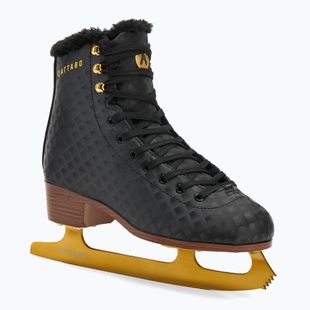
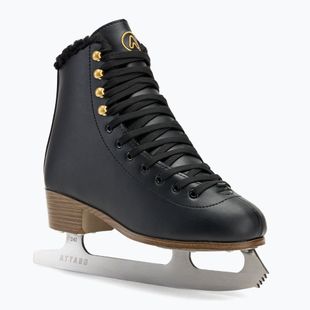
 Extra -25% with the code SPORTWomen's figure skates ATTABO Lukso black€62.99€47.24Lowest price: €44.09
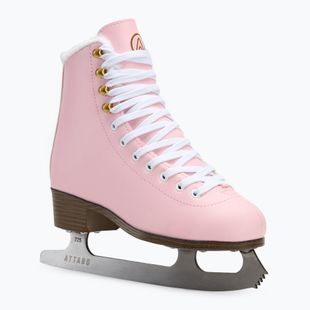
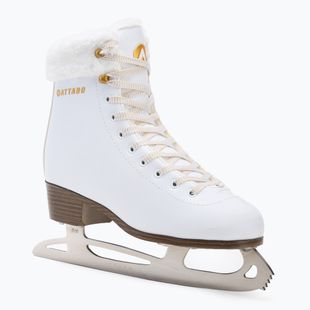 Extra -20% with the code SPORTWomen's figure skates ATTABO Stila white€53.99€43.19Lowest price: €37.79
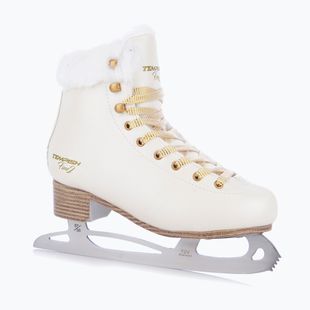
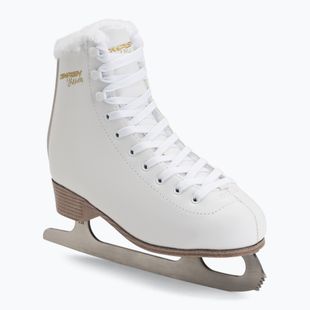 NewWomen's figure skates Tempish Dream Up white€46.99 -13%Lowest price: €53.99Recommended retail price: €53.99
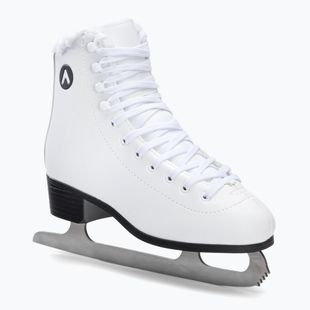


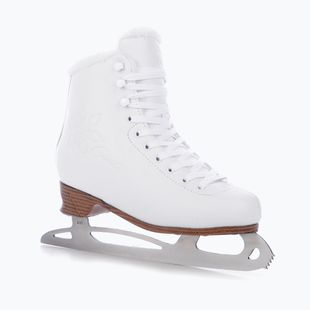
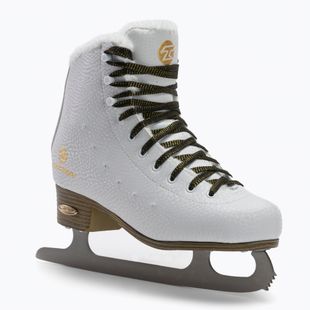
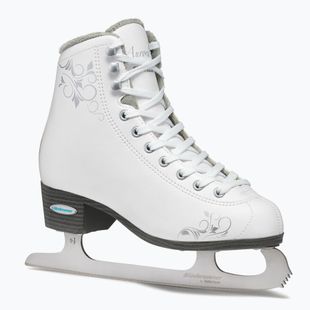


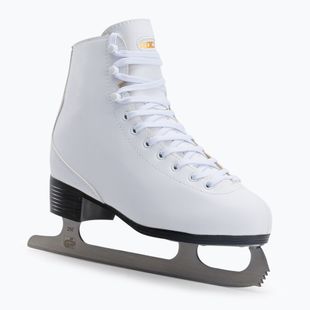
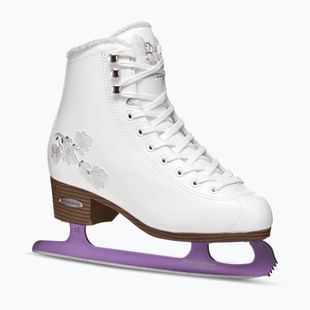
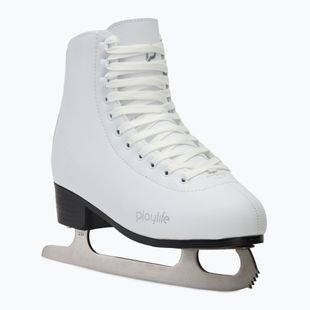


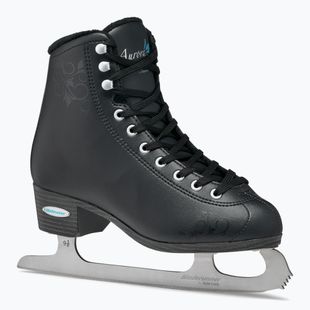
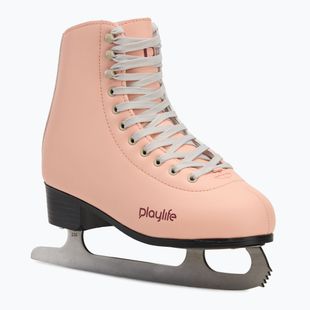
Women's, men's and children's figure skates for learning and recreation
Figure skates are intended for recreational skating, learning basic technical elements and developing skills on the ice. The distinctive blade with toe picks at the front makes certain figures easier to perform, and the high boot supports a stable ankle position. Figure skates differ in boot stiffness, interior padding, sole construction and the quality of blade mounting. In this category you can find women's figure skates, men's figure skates, children's figure skates and youth figure skates with solutions tailored to younger users. When choosing, correct size, secure heel hold, ankle support, comfortable lacing, anatomical shaping, appropriate cuff stiffness, straight blade alignment, toe protection, soft tongue padding and thermal comfort are important. Models from the Tempish brand can be compared by purpose, construction and user level. Those looking for other types of ice skates can also check the skates category. A well-fitted boot should not allow the foot to slide, pinch the toes or let the ankle bend excessively to the sides. The right choice increases control over the skating line and allows safer skill development, so size and construction should be carefully evaluated before buying figure skates.
Structure of figure skates – boot, cuff and blade with toe picks
Figure skates consist of a boot, sole and steel blade, and the interaction of these elements affects stability, steering precision and riding comfort. The cuff should provide lateral ankle support without completely restricting the foot's natural movement. A boot that is too soft may be insufficient for someone learning more demanding elements, while an excessively stiff construction can be uncomfortable for a beginner. Recreational figure skates usually have softer padding than models aimed at intensive training. Important features include a reinforced heel area, stiffened heel counter, shaped insole, padded tongue, durable sole, precise eyelet placement, robust lacing hooks, smooth internal seams, adequate ventilation and moisture protection. Constructions from the Roces brand can be compared with other models by stiffness level, shape and fit. Women's figure skates may have a slimmer boot line, while men's figure skates often offer more room in the forefoot. Ultimately, real foot proportions decide, since figure skates may fit differently for each user.
Figure skates use blades finished with toe picks at the front, which aid in performing certain jumps and technical elements. The toe picks are not intended for braking during regular skating, so beginners should learn proper weight transfer and edge control. Figure skates require a evenly mounted blade, a properly prepared sliding surface and regular metal condition checks. Important aspects include symmetrical blade alignment, even edges, no corrosion, secure mounting, appropriate blade profile, clean toe picks, no chips, proper sharpening, protection during transport and thorough drying. Useful storage and care items can be found in the skate accessories category. Blades should not be ground with random tools, as incorrect processing can change their profile and worsen handling. After stepping off the ice, the blade must be wiped dry, and blade covers intended for walking off the rink should be used. A well-prepared blade helps control curves, stops and changes of direction, which is essential when using figure skates.
How to fit women's and men's figure skates?
Figure skates should hold the foot securely, because even slight heel movement can hinder blade control and cause chafing. Size should not be chosen solely on the basis of regular shoe size, as insole length and width can vary between manufacturers. Figure skates are best tried on with thin or medium-thickness sports socks. Very thick socks can reduce space in the boot, cause pressure and worsen control of the equipment. Women's figure skates should provide secure heel seating, toes freedom, instep support, no ankle pressure, appropriate cuff height, even lacing, comfort when bending the knee, no lining folds, correct insole length and width fit. Men's figure skates should be assessed by the same criteria, paying particular attention to forefoot space and heel volume. Models from ATTABO can be compared with other offers using size charts and intended use. During fitting, bend the knees, take a few steps and check that the foot does not slide forward. Proper fit allows more effective transfer of the leg's movement to the blade, so figure skates should fit precisely.
Figure skates also need to be laced correctly to combine stability with comfort. At the front of the boot the laces should sit evenly, without excessive squeezing of the toes and instep. Stronger support is needed around the ankle, but too much tension can restrict circulation and cause numbness. Figure skates should not be used with loose laces or protruding loops that could catch on the toe picks. A well-functioning system includes even tension, secure knot, short loops, reliable hook guidance, no pressure under the tongue, end protection, knee bending allowance, heel support, toe freedom and no looseness at the ankle. Women's and men's figure skates may have a different number of eyelets or a different cuff profile, so tension should be set individually. After a few minutes of skating, check whether the lacing has loosened due to material movement. A boot tied too tightly can be as problematic as one too loose, since both situations reduce comfort and control. Correct positioning of the foot, tongue and laces helps maintain the predictable movement required by figure skates.
Children's figure skates – size, stability and learning to skate
Children's figure skates should be chosen for the current foot length, without a large allowance for future seasons. An overly long boot makes it harder to keep the heel in place, reduces blade control and can lead to incorrect ankle alignment. Children's figure skates must provide stable support but should not cause pressure points or pain. It's best to try youth figure skates in the afternoon when the foot may be slightly larger than in the morning, and with the socks used on the ice. During fitting check insole length, toe room, heel seating, ankle support, ease of lacing, tongue height, no internal lumps, sole stability, construction weight and comfort when bending the legs. Children's figure skates should not be purchased based on age alone, as children of the same age can have very different foot sizes and proportions. If the young user mainly needs skates for gentle riding, you can also compare recreational skates. The choice between a figure and a recreational construction should depend on the planned style of skating, the requirements of the skating school and the child's preferences. Properly fitted footwear makes balance easier, so children's figure skates require particular attention.
Children's figure skates should be checked regularly because a young user's foot grows quickly. A model that fit at the start of the season may become too short or narrow after a few months. Children's figure skates should also be inspected for lining wear, laces, hooks and blades. A child may not immediately report discomfort, so after skating check for deep redness, chafing or blisters on the feet. Youth figure skates should provide straight ankle alignment, even contact, no heel slippage, toe comfort, stable lacing, undamaged hooks, even blades, dry lining, easy putting on and safe removal. Children's figure skates should be laced carefully, but it's worth gradually teaching the young user to check lace tension independently. Before going on the ice, also ensure the blades are properly prepared and no boot element is loose. Learning should start with safe falling, getting up, maintaining posture and simple pushes. The equipment does not do these things for the user, but a properly chosen construction facilitates mastering the basics required by figure skates.
Figure skates vs recreational and hockey skates – construction differences
Figure skates have a long blade with toe picks at the front and a high cuff, which distinguishes them from many recreational and hockey models. Their construction supports performing curves, spins and elements characteristic of figure skating. Figure skates should not be chosen solely for their appearance if the user intends to train another discipline. Hockey models have a different blade geometry, a shorter blade profile and a design focused on dynamic accelerations and quick changes of direction. Those comparing the two types can check hockey skates. When choosing, evaluate intended skating style, skill level, type of sessions, instructor requirements, blade profile, boot stiffness, level of protection, lacing method, on-ice position and training frequency. Women's and men's figure skates are suitable for those learning figure skating or preferring the distinctive toe-pick construction. Recreational models may be a good solution for users who skate gently and occasionally. Clearly defining the intended use reduces the risk of buying equipment unsuited to the technique, so choose figure skates according to planned activities.
Children's figure skates should also match the type of classes, since a figure skating school may require different equipment than general skating lessons. Youth figure skates with a sufficiently stable cuff help maintain correct foot alignment but do not replace work on balance and technique. Figure skates intended for more regular training may have a stiffer construction than recreational models, so a beginner child does not always need the most advanced variant. Important features include the right level of stiffness, comfort from the first wear, no pressure on the ankles, appropriate blade length, secure blade mounting, durable laces, stable sole, comfortable tongue, easy maintenance and size without a large allowance. Women's and men's figure skates should also be chosen according to the real skill level. A beginner mainly needs a comfortable and stable boot, while a more advanced skater will pay more attention to stiffness, precision and the ability to work consciously on the edges. Matching the equipment to the discipline, training frequency and foot shape provides better control and comfort, which figure skates should provide.