


Filters
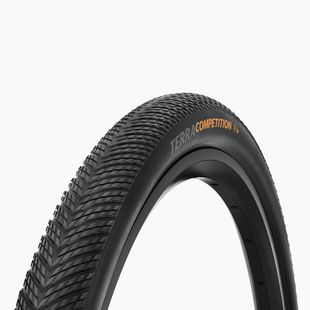
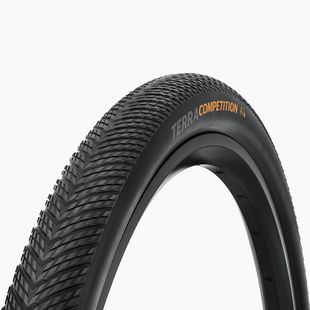 NewBike tyre Continental Terra Competition Trail Grip 700 x 45C black€69.99Recommended retail price: €72.99
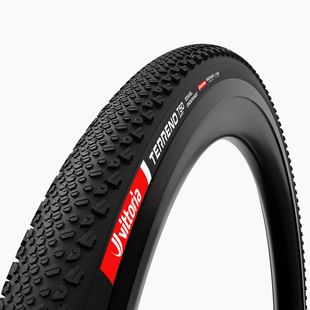
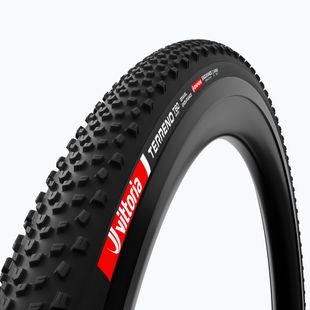 Bike tyre Vittoria Terreno T60 G2.0 TLR Gravel Endurance black/brown€46.99Recommended retail price: €59.99
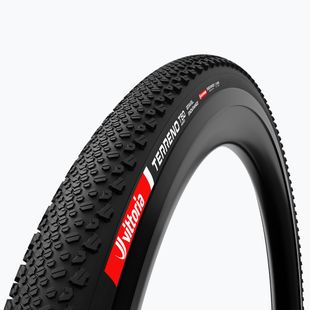 Bike tyre Vittoria Terreno T50 G2.0 TLR Gravel Endurance black/brown€48.99Recommended retail price: €59.99
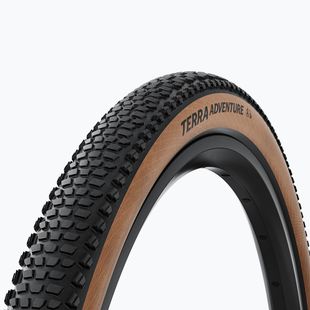
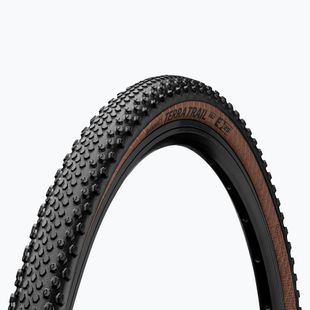 Continental Terra Trail SW bicycle tyre 700 x 45C black/brown€32.99Recommended retail price: €34.99
 Extra -5% with the code CLUB
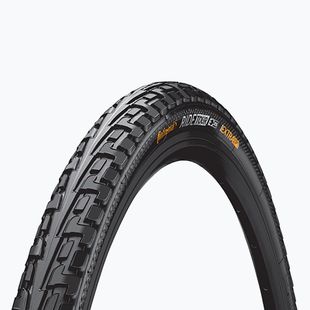
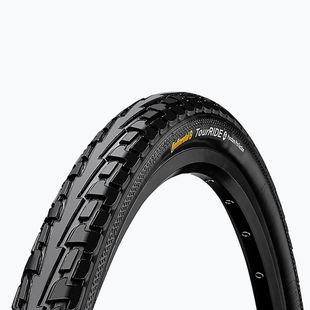
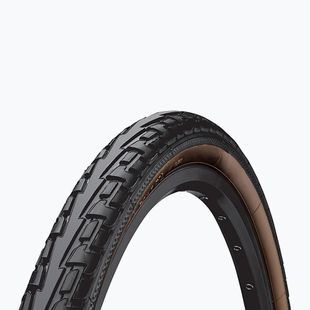 Continental Ride Tour wire black/brown 26 x 1.75 bicycle tyre€17.99Recommended retail price: €18.99
 Extra -5% with the code CLUB
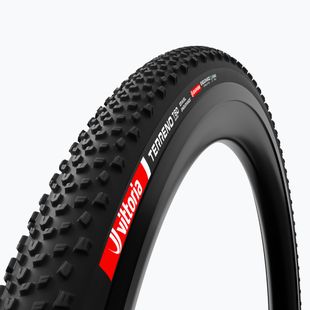 Bike tyre Vittoria Terreno T60 G2.0 TLR Gravel Endurance black€39.99Recommended retail price: €59.99
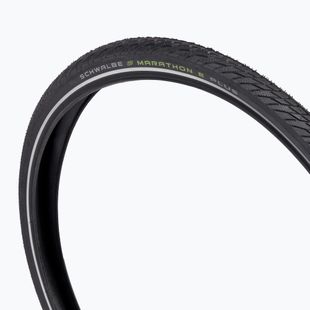 SCHWALBE Marathon E-Plus Smart Dualguard Addix E wire black reflex bicycle tyre€39.99Recommended retail price: €48.99
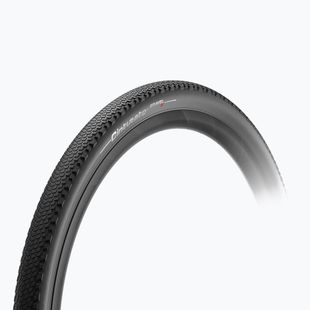 Bicycle tyre Pirelli Cinturato Gravel Hard TLR 700 x 45C black€48.99Recommended retail price: €72.99
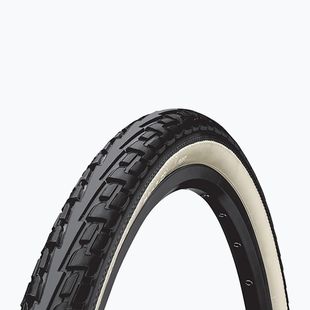 Continental Ride Tour wire black/white 26 x 1.75 bicycle tyre€17.99Recommended retail price: €18.99
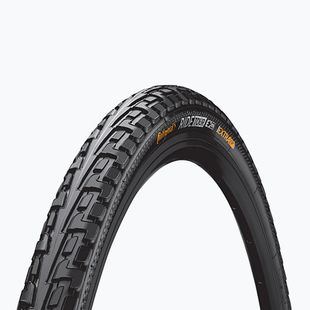 Extra -5% with the code CLUB
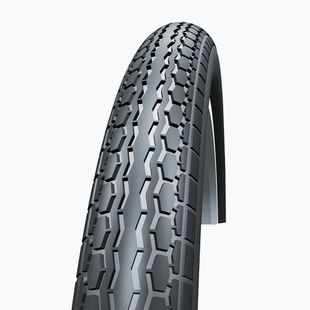 Bike tyre SCHWALBE Road Cruiser K-Guard Green Compound 12 x 1.75 black€8.39Recommended retail price: €9.29




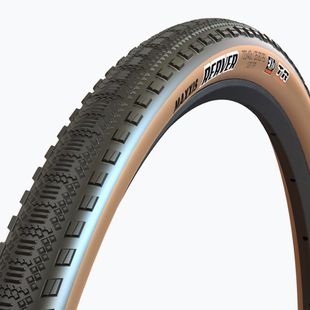
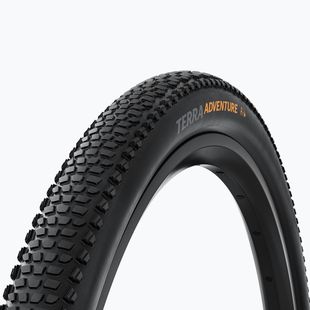


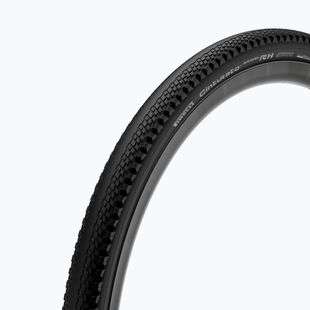
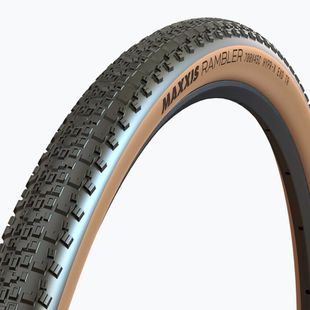
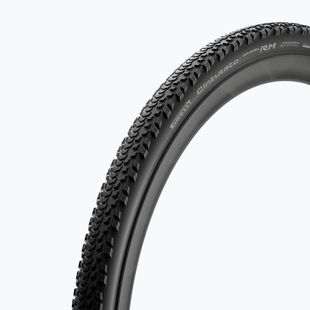
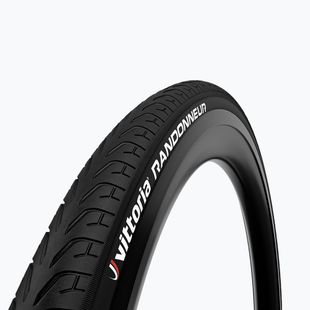
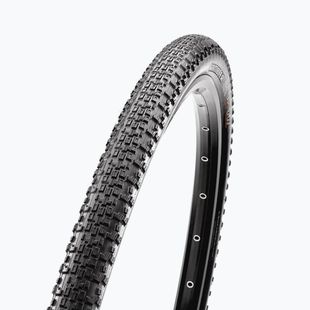


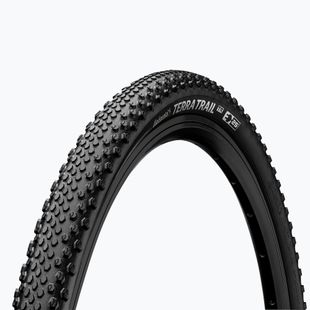
Bicycle tyres - choose the right model in the shop
SportanoBicycle tyres play a key role in the comfort, safety and efficiency of cycling. They are the only point of contact between the bike and the road surface and therefore have a direct impact on grip, cushioning and the overall riding experience.
At Sportano, we offer a wide selection of bicycle tyres from renowned manufacturers such as Pirelli, Michelin, Continental, Maxxis or Vittoria.Types of bicycle tyres: slicks, retreads and winter tyresThe bicycle, despite being a simple vehicle, conceals a multitude of technological nuances that affect the quality and comfort of the ride. One of the most important elements that have a decisive impact on the riding experience is the tyres. Choosing the right type of tyre is crucial for safety, performance and overall driving comfort.
Slicks are one of the most popular types of bicycle tyre, especially among road cyclists. They are characterised by a smooth, treadless surface that minimises rolling resistance, resulting in greater speed and performance on smooth surfaces. Slicks are excellent for tarmac, providing a fast and smooth ride. However, on wet surfaces they may not offer enough grip.
Treaded tyres are the answer for those who propel themselves off paved roads. They have patterns on the surface that are designed to increase grip on a variety of surfaces, from gravel to mud and sand. These tyres are often used on mountain bikes, where difficult and variable terrain requires better grip. The tread structure can range from small, frequent splines to large, spaced blocks that help in mud and on soft terrain.
When temperatures drop and snow and ice begin to cover roads and paths, winter tyres become invaluable. They are specifically designed to cope with harsh winter conditions, offering better grip and stability than standard tyres. Some even have built-in metal studs for extra grip on icy surfaces.
The final choice of tyre depends on the rider's individual needs and preferences, the type of terrain they ride on and the weather conditions they ride in. Whatever the choice, it is important to remember to regularly check the tyre pressure and adjust it according to the riding conditions.Sizes and specifications: how to choose the right tyre
tyre?When it comes to choosing the right bicycle tyre, apart from the type of tread, one of the most important aspects to look at is the size and specification of the tyre. Choosing the wrong tyre size or width can have serious consequences for the comfort, safety and performance of your bike.
Tyre size is most often given in inches or millimetres and refers to the diameter of the wheel. Typical tyre sizes for MTB bikes are 26", 27.5" and 29", while road and city bikes often use 700c tyres. Knowing the wheel size of your bike is key, as a tyre of a different size to the wheel may not fit or may interfere with the proper function of the bike.
Tyre width is another important factor. Bike tyres can vary in width from narrow tyres for road cyclists to wide tyres for mountain bikes and so-called fat bikes. Choosing the right tyre width will affect riding comfort, grip and rolling resistance. Narrow tyres are faster on smooth surfaces, while wide tyres offer better grip on difficult terrain.Tubeless vs traditional tyres: advantages and disadvantagesThe dilemma between tubeless and traditional tyres is one of the most frequently discussed topics among bicycle enthusiasts. Both technologies have their own unique characteristics that attract different groups of riders.
Tubeless tyres, as the name suggests, do not require tubes. Instead, they use a special sealant and a compatible rim to create a tight seal. The main advantage of this solution is that they are less prone to punctures, as there is no inner tube to puncture. In addition, tubeless tyres allow you to ride at a lower pressure, which increases grip and comfort. Nevertheless, fitting tubeless tyres can be more complicated and the sealant itself must be replaced regularly.
Traditional tyres, on the other hand, use an inner tube placed between the tyre and the rim. These are more versatile and easy to fit and replace in the event of a puncture. However, they are more prone to punctures compared to the tubeless version. In addition, they may not offer the same grip and low-pressure ride comfort as their tubeless counterparts.
The choice between tubeless and conventional tyres will depend on the individual rider's preference, the type of terrain they ride on and their willingness to invest time and money in maintenance. The final decision should be made after careful consideration of the pros and cons of each technology.
Collapse the description