


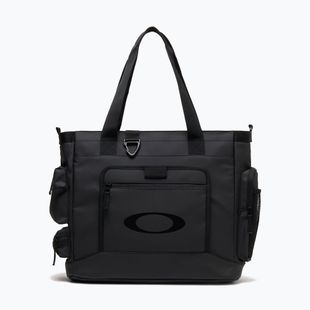
Trekking bags – convenient transport of gear on trips
Trekking bags make it easier to organize clothing, footwear and equipment during mountain trips, car journeys, field expeditions and weekend camping trips. Properly chosen trekking bags should provide easy access to the contents, resistance to damage and comfortable carrying between the car, shelter, station or accommodation. Compared to a classic backpack, a trekking bag usually offers a wide opening of the main compartment that makes packing larger pieces of equipment easier. When choosing, capacity, type of material, reinforced base, number of pockets and handle system are important. Shoulder straps for short carrying are also useful, allowing the luggage to be carried more comfortably over short distances. Trekking bags come in compact versions for short trips and in spacious designs that fit clothing, a sleeping bag, boots and camping accessories. A good trekking bag does not replace a backpack designed for long hours of walking, but it supports efficient transport of gear and helps keep things organized. Pay attention to zippers that withstand heavy use, side handles and internal dividers. A thoughtful compartment layout allows you to separate clean clothing from dirty shoes, and durable fabric reduces the risk of abrasion during frequent travel. Functionality, packing convenience and resistance to demanding conditions are the qualities that trekking bags should combine.
How to choose trekking bags for the type of trip?
Trekking bags should be matched to the length of the trip, mode of transport and the amount of gear taken. For a one-day trip or outdoor training a 30–40 liter model may be sufficient, while a multi-day expedition often requires a design that holds 50 to 70 liters. Larger trekking bags work well for car trips, camps, treks with a base camp and journeys where luggage is not carried on the back all the time. A roomy trekking bag can hold technical clothing, spare shoes, a towel, climbing gear or camping equipment. However, it is not advisable to automatically choose the largest model, because excessive capacity encourages taking unnecessary items and makes carrying less comfortable. Key factors are the bag proportions, width of the opening, number of grip points and maximum load. Trekking bags with a U-shaped opening make it easier to access items at the bottom without removing the entire contents. A practical solution is an separate shoe compartment that isolates dirty items from the rest of the luggage. Mesh pockets, internal compression straps and external lash tabs allowing attachment of light equipment can also be useful. If part of the route must be covered on foot, check whether the trekking bag has adjustable straps that allow it to be worn like a backpack. This solution works well at the airport, station or when walking from the parking lot to a shelter, but it does not provide the same support as trekking and hiking backpacks equipped with a shaped carrying system. For trips with many small items it is worth using travel toiletry bags, which help organize hygiene products and small accessories. Trekking bags should also fit in a car’s luggage area, a coach luggage compartment or meet the requirements of a specific carrier. A conscious choice of capacity and construction helps avoid uncomfortable, overloaded luggage, so trekking bags should be selected according to the nature of the trip.
Trekking bags – materials, handles and practical features
Trekking bags are exposed to contact with the ground, moisture, dust and sharp equipment elements, so material quality directly affects their durability. A durable trekking bag can be made of polyester, nylon or a reinforced weave fabric that reduces the risk of tearing during transport. In areas particularly prone to wear, double layers of fabric, reinforced corners and a durable base are useful. Trekking bags do not have to be fully waterproof to perform well on trips, but a hydrophobic finish can limit quick saturation during light rain. If luggage will be regularly exposed to water, consider a laminated surface, protected zippers or use additional content protection. The carrying system is also important. Soft main handles make it easier to carry the bag by hand, side handles help lift it into the trunk, and a detachable shoulder strap allows changing the transport method. Models with stowable shoulder straps can serve as a bag and a simple backpack, but before a long walk assess the width of the straps and how the weight is distributed. Among products intended for tourism you can find bags from The North Face, Patagonia, Gregory and Fjällräven. Individual designs differ in capacity, pocket layout, opening method and range of adjustments, so brand should not be the only purchase criterion. Compare trekking bags in terms of weight, buckle quality, zipper durability and handle ergonomics. People carrying a sleeping bag or bulky clothing can use compression sacks to reduce the occupied space. Small travel gear can be organized using hip packs and travel pouches. A well-thought-out construction facilitates packing and carrying gear, so durable materials and functional details should distinguish trekking bags.
Care and packing of trekking bags
Trekking bags retain durability and a neat appearance longer when they are packed, cleaned and stored correctly after a trip. Heavy items should be placed as close to the bottom and center of the structure as possible to reduce uneven load on the handles. Each trekking bag has a specified strength, so do not overfill it in a way that makes zipping difficult or carry weights exceeding the manufacturer's recommendations. Sharp items should be protected with a cover, as they can damage the internal lining or puncture the outer fabric. It is worth packing trekking bags using smaller organizers that limit content movement and make it easy to quickly find needed equipment. Separate wet clothing, dirty footwear, food and electronic equipment. After returning from a trip, empty all pockets, remove sand and mud and check the condition of zippers, seams and buckles. Trekking bags can usually be cleaned with a damp cloth or soft brush, but care instructions should always follow the manufacturer's recommendations. Machine washing may damage stiffeners, hydrophobic coatings and glued components, so do not use it without checking the care label. Small stains are best removed spotwise using a mild cleaner. After cleaning the trekking bag should dry in a well-ventilated place, away from radiators and intense sunlight. Closing a damp bag in a closet can lead to odors and mold growth. Before storage, leave zippers open, loosen straps and ensure the interior is completely dry. Trekking bags should not be crushed under heavy objects for many months, as this can permanently deform the base, handles and structural panels. Regular inspection of load-bearing seams, strap attachments, adjustment buckles and sliders helps spot small damages before the next trip. Proper packing not only protects the bag itself but also helps keep things organized and secures transported equipment. With proper care, trekking bags retain functionality and comfort of use through many trips.