


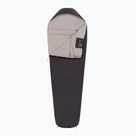
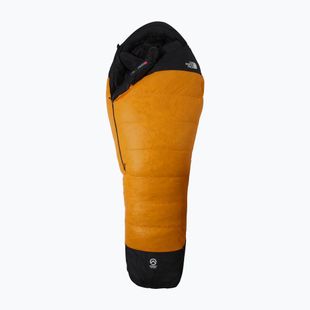
 New Extra -10% with the code WARMUPSleeping bag The North Face Inferno -40F/-40C 193/right brushfire orange/tnf black€839.99€755.99Lowest price: €773.99
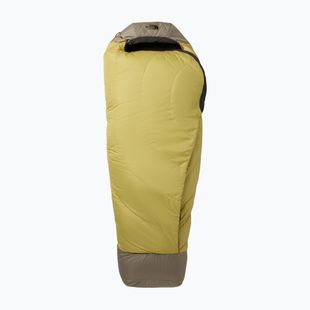 New Extra -5% with the code WARMUPSleeping bag The North Face Universal One Bag 168/left honeyed sand/stone slab€239.99€227.99Lowest price: €239.99
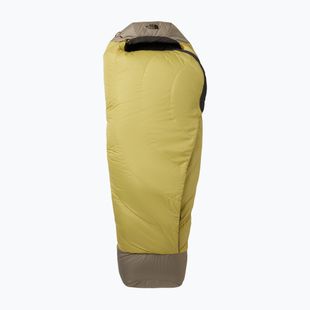 New Extra -5% with the code WARMUPSleeping bag The North Face Universal One Bag 198 cm/left honeyed sand/stone slab€239.99€227.99Lowest price: €239.99
 Extra -10% with the code WARMUPAlpinus Wide & Long Fiber Pro sleeping bag 1250 230 cm/right olive€44.99€40.49Lowest price: €42.74
 Extra -10% with the code WARMUPSleeping bag Alpinus Wide & Long Fiber Pro 1050 230 cm/right pine green€39.99€35.99Lowest price: €35.99
 Extra -10% with the code WARMUPSleeping bag Alpinus Wide & Long Fiber Pro 1050 230 cm/left pine green€39.99€35.99Lowest price: €37.99
 Extra -10% with the code WARMUPChildren's sleeping bag Naturehike Cotton C300 blue€55.99€50.39Lowest price: €47.59
 Extra -10% with the code WARMUPSleeping bag Volven Superlight I 215 cm/right olive€39.99€35.99Lowest price: €37.99
 Sleeping bag Volven Polaris 215 cm/right green€119.99 -11%Lowest price: €134.99Recommended retail price: €169.99
 Extra -5% with the code WARMUPSleeping bag Vango Atlas 250 midnight navy€34.99€33.24Lowest price: €32.39
 Extra -10% with the code WARMUPSleeping bag Outwell Camper Lux Double blue€159.99€143.99Lowest price: €159.99
 Extra -5% with the code WARMUPŚpiwór The North Face Stormbreak 20F Regular cedar/summit navy€129.99€123.49Lowest price: €123.49
 Extra -10% with the code WARMUPSleeping bag The North Face Cat'S Meow 198 cm/right banff blue/banff blue€189.99€170.99Lowest price: €180.49
 Extra -5% with the code WARMUPSleeping bag The North Face Stormbreak 35F Regular granite grey/dust orange€93.99€89.29Lowest price: €93.99
 Extra -15% with the code WARMUPSleeping bag The North Face Blue Kazoo banff blue/banff blue€369.99€314.49Lowest price: €322.99
 Extra -5% with the code WARMUPSleeping bag The North Face Gold Kazoo citrine yellow€279.99€265.99Lowest price: €265.99
 Extra -15% with the code WARMUPChildren's sleeping bag The North Face Stormbreak 20F Regular tnf blue/river ice€109.99€93.49Lowest price: €76.99
 Extra -5% with the code WARMUPAlpinus Warm 1200 sleeping bag right navy blue€27.99€26.59Lowest price: €26.09
 Extra -5% with the code WARMUPSleeping bag The North Face Wawona Bed 35 173 cm retro orange/ npf€79.99€75.99Lowest price: €71.99
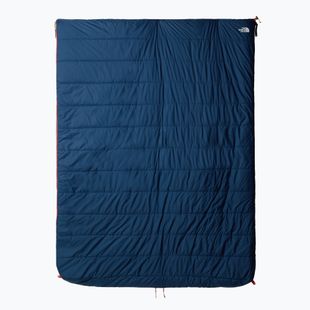 Extra -5% with the code WARMUPSleeping bag The North Face Wawona Bed Double shady blue/ npf€139.99€132.99Lowest price: €139.99


Sleeping bags for every trip
Sleeping bags determine whether a night in a tent will be restorative or a struggle with the cold. Their job is to retain the heat produced by the body and to separate the sleeper from the chill in the air and from the ground. In this category you will find lightweight trekking models, comfortable camping designs and options intended for colder months, and among the manufacturers is The North Face, known for outdoor clothing and gear. A good sleeping bag differs from others by the type of filling, cut, length, weight and packed size, and each of these features affects sleep comfort and the ease of carrying it in a backpack. The temperature range and the trip destination also matter, because a night in the Bieszczady Mountains is different from one in the Tatras or on a seaside campsite. Sleeping gear is selected together with a pad underneath, so also check out camping mattresses, which insulate from the cold ground. The category includes models for adults and children, as well as larger two-person designs suitable for camping. Differences are also visible in small details, such as the shape of the hood or the length of the zipper, which make a big difference at night. Below we have gathered tips to help avoid common mistakes, like buying a bag that is too warm or too short. We also explain the differences between types and how to choose the right sleeping bag.
Down or synthetic: which sleeping bag to choose?
Down sleeping bags are valued by people who care about low weight and small packed volume. Natural down insulates well because it traps air in light clusters, and at the same time can be strongly compressed in a compression sack, which matters a lot on multi-day trips with a trekking backpack. Its drawback is moisture, because damp down loses some of its properties, so it requires a dry spot at camp and careful storage. For down, check whether the outer fabric is treated, since some models have a coating that delays soaking. Synthetic filling works differently: synthetic fibers handle fog, dew and accidental wetting better, dry faster, and such models are sometimes cheaper. This construction is, however, heavier and takes up more space in luggage, so it is suitable where durability in conditions matters more than saving grams. For beginner hikers who are still learning their needs, it can be useful to browse models from the Alpinus brand to compare different solutions in one place. Every thermal sleeping bag, regardless of fill, relies on a layer of air trapped between fibers, so packing it too tightly permanently reduces its warmth. Unpack a new product at home and let it loft. The cut also determines comfort. The mummy shape tapers toward the feet and covers the head with a hood, which limits heat loss on cold nights. The blanket (rectangular) shape is rectangular, gives the legs more freedom and can be opened like a blanket, but retains heat less effectively. Check the drawstring hood, neck collar and zipper draft tube that reduce drafts, and the length matched to your height, because excess material must be heated. For people buying their first sleeping bag, a synthetic version is usually sufficient, while experienced hikers who count every gram more often choose down sleeping bags. A zipper with two sliders allows ventilation at the feet, and an internal pocket for small items makes it easier to find a phone in a dark tent. Dimensions also matter in the shoulder width and hip circumference, because a cut that is too tight makes turning difficult, while one that is too loose leaves free space that the body won’t heat. Pay attention to backpack capacity, as it sets the limit for reasonable dimensions. Start choosing the filling by asking where and how often you plan to sleep outdoors, because only then will you see whether a lightweight bag is worth it.
Comfort temperatures and sleeping bags for different seasons
Winter sleeping bags are designed for low temperatures, so they have thicker insulation, a tighter hood and refined zipper protection. When evaluating such a model, the comfort temperature counts — the range in which an average person sleeps without discomfort — not the lowest value on the label. Manufacturers usually give three values: comfort temperature, limit temperature and extreme temperature, with the last describing the risk boundary rather than conditions for normal sleep. Therefore choose a winter bag according to the first value and leave a margin for a colder night. Standardized tests allow comparing models from different companies, although the feeling of warmth also depends on metabolism, fatigue, a meal before bed and insulation from the ground. Most heat is lost downward because the filling compressed by the body stops insulating, so you need a pad of appropriate thickness and an R-value specified by the manufacturer. The lower the temperature, the more important head and neck insulation becomes, so on chilly nights a well-sealed hood is useful. Summer is different. A light summer sleeping bag has thinner filling, takes up little space and does not cause overheating on warm nights. With variable weather, a thin liner helps by adding a few degrees and protecting the fabric from dirt. Transitional seasons require compromise, so many people choose an all-season model and regulate warmth with clothing. However, wearing overly thick clothing inside compresses the filling and reduces its effectiveness, so it’s better to wear dry moisture-wicking base layers and let the filling do its job. Campers in camping conditions may want to check the offer from Outwell, known for camping equipment. A thermal sleeping bag with insulation along the full length works better in an unheated tent than in a warm mountain hut. Before leaving, check the night forecast, not just the daytime forecast, because temperature differences in the mountains and by the water can be large. If you sleep under the sky or in the mountains, think about wind and moisture protection, and plan family trips with a sturdy camping tent that provides an extra layer of protection. Don’t treat a single number as an oracle, because a reliable assessment comes from temperatures, filling and cut together, and only from these does the right sleeping bag emerge.
Smaller hikers and couples: a sleeping bag for a child and for two
A child’s sleeping bag follows different rules than an adult model. A small hiker cools down faster, and a bag that is too long leaves empty space that the body must warm, so a shorter size works better than a model with room to grow. Among children’s sleeping bags look for a soft lining, a zipper with an easy pull and a hood that does not slip off during sleep. Manufacturers mark children’s models with a height range, so compare it to the child’s current height, not their age. Avoid long cords at the neck, as they can tangle at night. Children grow fast, so when buying also consider a sensible length allowance matched to height, not two sizes up. A child sleeps more warmly with a warm, soft layer underneath, and well-chosen sleeping pads improve comfort at any size. For colder nights an insulating pad is helpful, because children lose heat quickly through the ground. Children usually feel cold sooner than adults, so leave a safety margin in the comfort temperature. On campsites and during car trips a two-person design is popular. A double sleeping bag allows sleeping together and shared body heat helps maintain temperature, although such a construction is larger and heavier so it rarely goes into a trekking backpack. A 2-person bag can also be a cheaper solution than two separate models, but it works worse if one person feels colder and the other prefers a cooler night. When choosing such a model, check the hip width and zipper length, because only then will two people be able to turn freely without shifting the filling to one side. Some single-person models can be joined with zippers into a larger unit, which gives flexibility for changing needs, provided both have compatible sliders and the same zipper orientation. Interesting additions come from the Volven brand, worth browsing when assembling gear for the whole family. Comfort also depends on sleeping position, and a child often changes position at night. For longer trips teach them to unzip from the inside so they can get out on their own if needed. Before buying check dimensions in centimeters, weight and packed size, because these determine whether the gear will fit in the trunk, backpack or pannier, and whether the chosen sleeping bag will be comfortable.
Care and the kit that complements a sleeping bag
Sleeping bags retain heat longer when you care for them after each trip. After returning, hang the bag in a ventilated place so that the filling dries thoroughly, and store it loosely in a large, breathable sack, not in a tight compression cover that damages fiber structure. When a model remains compressed for months, the fill loses loft and returns more slowly to its original volume. Wash according to the manufacturer’s instructions on the label, preferably on gentle cycles and with a detergent for technical fabrics. Drying is often the longest stage because moisture remains deep in the filling, so the bag should be shaken out from time to time. For down, gentle kneading during drying helps, and for synthetic fill loosening the fibers by hand is useful. Sleep comfort depends not only on the product itself, so it’s worth completing a full sleep kit: a pad or mattress underneath, a small pillow and a change of clothes. Well-shaped travel pillows relieve the neck and allow longer, undisturbed sleep. A thin liner can be washed more often than the whole bag, saving the main fabric. Before the next trip check the seams and zipper, because a small repair at home costs less than a nighttime failure in the field. If you expect variable weather, choose a summer bag with a liner or warm night clothing — one that can be adapted to conditions. Experienced hikers pack sleeping gear at the bottom of the backpack in a waterproof sack so dampness doesn’t ruin plans. Families traveling together may take a double sleeping bag, while many hikers prefer two singles if freedom and independent temperature control are important. A couple planning a car camping trip will appreciate more space but will also watch the weight of the whole kit. A 2-person bag usually requires a wider pad or two pads set side by side. In winter take a thermos with a hot drink, as a warm meal before bed helps the body generate heat. Keep items you don’t use at night in a separate sack so the sleep gear stays dry and clean. For off-grid camping a light source is also useful, and handy camping flashlights make evening packing easier without waking companions. Decide whether you value low weight or moisture resistance more, and browse available options to calmly find your sleeping bag.