


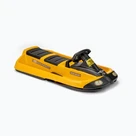
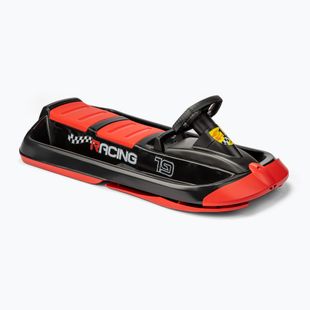
 Extra -5% with the code BLACKBELTHamax Sno Racing children's skis red 505524€109.99€104.49Lowest price: €109.99
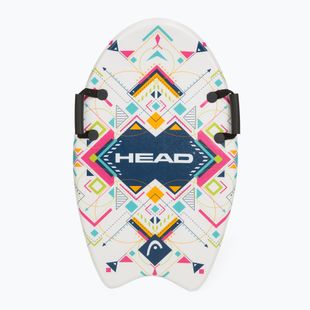 Children's sled board HEAD Landscape colourful€13.99 -28%Lowest price: €19.49Recommended retail price: €32.99
 Hamax Sno Dragon children's skateboard purple 503440€66.99 -12%Lowest price: €75.99Recommended retail price: €79.99
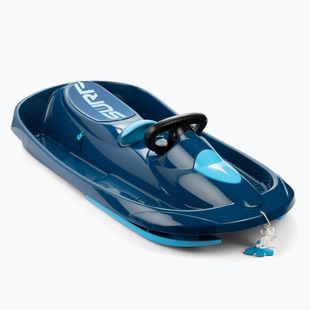 Hamax Sno Surf children's skis blue 503441€66.99 -12%Lowest price: €75.99Recommended retail price: €79.99
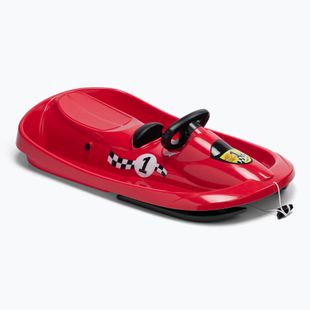 Hamax Sno Formel children's skateboard red 503431€59.99 -10%Lowest price: €66.99Recommended retail price: €69.99
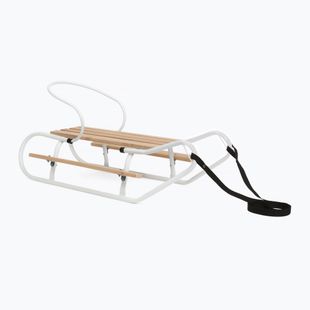
 Metal sled HUMBAKA with backrest and footrest pink€32.99 -13%Lowest price: €37.99Recommended retail price: €46.99






Sleds and sliders – winter fun for the whole family
The first snow turns every hill into a slide, and sleds and sliders let you enjoy it without skiing or snowboarding. This equipment is for the whole family: for little ones who are just discovering winter, for older children looking for speed, and for adults who like to play along. In this category you will find children’s sleds in various sizes, models with a comfortable seat, and lightweight sliders that descend quickly and nimbly. The selection is wide, as equipment comes in wooden, plastic and metal versions, with or without a backrest. Individual options differ by material, weight, steering method and intended use, so it’s worth comparing them before the first snowy weekend. Well-chosen sleds and sliders have a stable construction, solid runners or a smooth base, and handles that make pulling uphill easier. With parents in mind, we explain how to check load capacity and dimensions, when a backrest is needed and when a simpler design is sufficient. You will also find tips on slope safety and on clothing that lets you spend more time in the snow. Whether you are looking for gear for the first runs or for the next season, choose sleds and sliders that match the user’s age, weight and temperament.
How sleds and sliders differ and how to choose the descent equipment
The basic difference concerns the way of descending, so sleds and sliders are best treated as two separate types of equipment. Classic sleds have runners or a smooth base, a seat and a pull handle, and the user sits or lies on them in a stable position. Models described as sleds with a backrest offer greater comfort because the back is supported, which matters during longer runs. The same applies to small sledges with a backrest designed for toddlers. Backrests come in various constructions: in wooden sleds with a backrest they are usually vertical and rigid, while metal sleds with a backrest may have a tubular frame that keeps its shape well. Older children often choose sleds with a steering wheel because they allow independent steering and obstacle avoidance, giving more control over the descent. When considering a purchase, remember that sleds and sliders also differ in storage: a flat slider fits in the trunk and can hang on a hook in the garage, while larger sleds take up more space. For families with several children, a combination of both types can be practical, since older siblings descend faster on a slider while younger ones use a model with a seat and handle. A slider works differently: a snow slider is usually a lightweight plastic board you ride sitting or lying down, and its advantage is low weight and ease of carrying. For fans of dynamic descents there are ski-sleds, which combine features of sleds and skis and therefore require more skill and a wide, gentle slope. Parents often ask about sleds for adults. They should have a higher load capacity and a wider surface to withstand the load when used by two people (for example an adult with a child), and checking the permissible user weight is the first step before buying. When choosing, compare the equipment’s weight, the type of handle and whether the bottom slides smoothly on packed snow. On fresh, deeper snow, wider runners perform better, while on hard, icy ground a wide, flat base gives more stability. If you are looking for a lightweight alternative to classic sleds, visit the sliders category, where you will find options for children and adults. Ultimately the choice depends on age and temperament, and sleds and sliders in the right form will make every run safe and satisfying.
Wood, plastic or metal – what should sleds and sliders be made of
Material determines weight, durability and how the equipment behaves on snow, so sleds and sliders should also be chosen with material in mind. Wooden sleds have long been considered a classic: they are stable and sturdy, and wood tolerates load and repairs well. The downside is greater weight and the need to care for the surface, as moisture can weaken the material over time. A convenient variant is wooden sleds with a backrest, which work well for younger children riding under adult supervision. Models made of synthetic materials look completely different: sleds and sliders made of plastic are lightweight, moisture-resistant and easy to clean. That is why plastic sleds are often chosen by parents who have to drag equipment uphill several times during an afternoon of sledding. A smooth bottom provides good glide, and shaped edges reduce slipping off the seat. In many models the backrest for sleds can be detached, which is useful when an older child prefers to ride on the seat alone. Also compare the equipment’s weight with the strength of the person who will be pulling it, because differences of a few hundred grams are felt only after many climbs uphill. If comfort matters, consider plastic sleds with a contoured seat, or better yet plastic sleds with a backrest that stabilize the rider’s posture. Check the thickness of the plastic and reinforcements in critical places, as some plastic sleds may be less resistant to impacts with hard obstacles. Metal sleds usually have a frame made of tubes or profiles that gives them stiffness and long life, and they withstand intensive use well. A good sign is a durable rope or handle fixed at several points so it does not pull out when jerked. Also check the corrosion protection and whether the tube ends are capped. Metal sleds with a backrest provide extra support, though their weight can be higher than in plastic models. For equipment intended for multiple people, the permissible load stated by the manufacturer and the seat width suitable for thick winter clothing are important. In the offerings of the HUMBAKA brand you can compare different constructions in terms of weight, dimensions and the way the rope is attached. Regardless of your choice, store the equipment in a dry place so that sleds and sliders will last many winters.
For the youngest: safe sleds and sliders for children of every age
Choosing equipment for a little one requires special attention because sleds and sliders for the youngest must provide stability, warmth and secure support. Baby sleds usually have a high backrest, side supports and harnesses that keep the child sitting, and often include a footmuff or sleeping bag that shields the child from the cold. A baby’s sled is intended for calm walks on packed snow, pulled by a caregiver, not for fast descents. If you are looking for a sled with a footmuff, check whether the interior is soft and the fastenings do not press the child. When a toddler starts to sit independently, pay attention to the backrest for sleds that can be mounted or removed as the child grows. It should attach securely to the frame and have an appropriate height. When asking about a sled for a one-year-old, choose a design with a crotch strap or safety harness and a low center of gravity to reduce the risk of tipping over. In the range from the Hamax brand check the age and weight ranges declared for the chosen model. At this age sleds and sliders also serve as a learning tool, as the child discovers snow and learns safety rules under adult supervision. A good compromise is plastic sleds with a backrest because they are lightweight, easy to wipe dry and the backrest helps keep an upright posture. Younger children will benefit from small sledges with a backrest with a low seat, while older preschoolers will happily use a model with a backrest and handholds. For most families a good choice is a sled for a child with a short rope and a strap that prevents sliding off the seat. Pay attention to the seat height—the lower the seat, the lower the risk of falling—and to the low weight, which makes transport in the trunk easier. Ideally the child should wear a children’s ski suit that protects against moisture and cooling. The caregiver should check that the child is warmly dressed and properly secured with straps, and take regular breaks to prevent cooling. Also check whether the rope is long enough so the caregiver can pull the equipment without bending over. If the family plans shared rides, choose sleds and sliders that can accommodate both a child and an adult caregiver while maintaining stability.
Winter equipment and safe sledding on sleds and sliders
Good equipment is only half the success, because safety also depends on clothing and rules, especially when sleds and sliders are used on public slopes. When choosing a place to play, look for gentle, wide hills free of trees, fences, roads and bodies of water. At higher speeds, especially on models like sleds with a steering wheel and ski-sleds, a children’s ski helmet works well to protect the head in a fall, and for younger children wearing a helmet can be a good opportunity to form a habit useful later on skis and bikes. A pair of children’s ski gloves will warm the hands, and footwear with non-slip soles will help keep balance when getting on. For little ones a sled for a child is pulled by the caregiver, and sleds for a one-year-old and models with a sled with a footmuff should only be used on prepared, packed paths. Older children learn to brake with their feet and to descend feet-first, and a snow slider requires special caution because it can gain speed quickly. Also sleds for adults should be used according to the permitted load, not for racing on a crowded hill. Conditions change hour by hour, so before a run check the snow quality and the forecast: after a thaw the slope may be icy, and sudden snowfall can reduce visibility. Good practice is to ride one at a time, keep distance from other users and climb the slope at the edge, not in the middle. Older siblings can help younger ones, but responsibility for the child’s safety always rests with adults. For families who want to equip several people, the VT-Sport offer may be an interesting option. Before going out, check the condition of the rope or handle, the backrest mounts and the bottom surface for cracks. After the run wipe the equipment dry and protect wooden parts from moisture to extend their lifespan. Parents should not leave children unattended, especially where the slope crosses a road or path. This way sleds and sliders will remain a source of joy and winter afternoons in the snow will end without injuries. Visit the category offer and choose sleds and sliders that will accompany your shared outings for many seasons.