


Filters
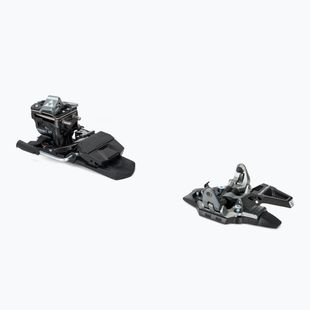 Fischer Tour Classic ST Brake Bindings T70822€299.99 -12%Lowest price: €339.99Recommended retail price: €629.99
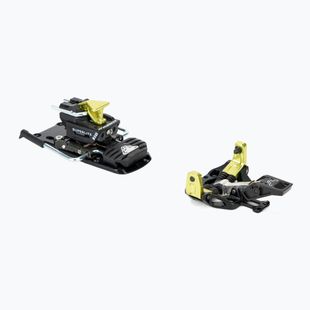 DYNAFIT Sl175-Z10+ ski binding black 08-0000049153€289.99 -19%Lowest price: €359.99Recommended retail price: €639.99
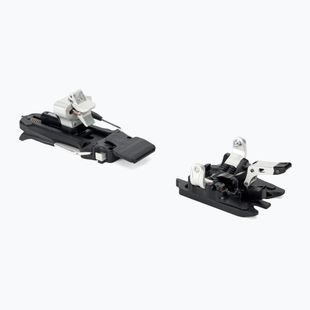 Ski binding Elan Raider 10 Demo silver-black DTTB0521€249.99 -14%Lowest price: €289.99Recommended retail price: €709.99


Bindings
Skitur bindings - high quality in the Sportano shopSkitur bindings are pieces of ski equipment that connect the skier's boots to the ski boards. They are one of the most important components of a ski set-up as they have a direct impact on the skier's comfort, control and safety. Incorrectly fitting bindings can lead to balance problems, less precise control and even injury. That's why it's important to understand the different types of bindings and their uses.
At Sportano, you will find top-quality ski touring bindings from renowned brands such as Marker, Salomon, DYNAFIT, Atomic and Elan.Types of
Skittraining bindings: from traditional to modernBindings can generally be divided into three main categories: frame, pin and hybrid.
Frame bindings are the most traditional and simplest type. They are most commonly used by beginner skiers because they are easy to use and usually less expensive.
Pin bindings are lighter and offer better control, especially in difficult terrain. They are preferred by advanced skiers and those who want more flexibility in their skiing style.
Hybrid bindings, as the name suggests, are a combination of both previously mentioned types and offer a balance between control and flexibility.
How
how skitur bindings work: mechanisms and functionsSkitur bindings are complex devices that aim to provide a secure and safe connection between the ski boot and the ski. Their operation is based on a variety of mechanisms and functions that can be adapted quite precisely to the skier's individual needs. Here are some key aspects to help you understand how the different types of ski binding work.
Lock and lock: one of the primary mechanisms in skiable bindings is the lock and lock system. This is generally a set of teeth or hooks that fit into corresponding holes or notches in the ski boots. Once the boot is placed in the binding, the skier closes the mechanism, resulting in a secure and strong connection.
Springs and hydraulics: advanced bindings often use spring or hydraulic mechanisms that allow gentle adjustments. These allow you to adjust the amount of pressure that the bindings exert on your boot, which is particularly useful when skiing in difficult terrain such as steep slopes or deep snow.
Adjustable angle and height: some advanced models of bindings offer adjustable angle and height, giving skiers the ability to adjust the settings to suit their style of skiing and the conditions on the slopes. For example, a lower angle setting can be beneficial on flat terrain, while a higher angle can give better control when skiing down steep slopes.
Quick release and safety systems: ski touring bindings are often equipped with quick release systems that automatically disconnect the boot from the ski in the event of a fall or other dangerous event. This works in a variety of ways, from mechanical to electronic sensors that monitor the force and direction of the load. These systems are designed to minimise the risk of injury.
Snap mechanisms and manual adjustments: some bindings also allow for manual adjustments, allowing skiers to adjust settings on the fly. For example, snap mechanisms can be easily opened and closed by hand, which is very useful during ski tours where adjustments often need to be made.
Choosing
The right bindings: factors to look out forChoosing the right ski touring bindings is a key part of preparing for the ski season, and this decision can significantly affect the quality and safety of skiing. There are several important factors to look out for when choosing.
Firstly, compatibility with ski boots is a fundamental consideration. Bindings and boots must match perfectly, not only in terms of size but also in terms of locking mechanisms and settings. It is also worth considering your skill level and skiing style. Some bindings are better suited to aggressive downhill skiing on steep slopes, while others are more versatile and suited to a variety of conditions.
The material of the bindings is also important. Lighter materials such as aluminium or plastic tend to be preferred by ski tourers who need to ski long distances. However, if strength and stability are a priority, bindings made of heavier but stronger materials may be a better choice.
Price should also be taken into account, but should not be used as the sole criterion for selection. Cheaper bindings are often less durable and offer fewer features, which can affect comfort and safety. On the other hand, the most expensive bindings are not always the best choice for beginner skiers who do not yet need all the advanced features.
And don't forget the extra features and technologies that modern bindings offer. Quick-closure systems, the ability to adjust the angle and pressure or advanced safety systems can significantly improve the quality of skiing.
Last but not least, consider the opinions of other skiers and professional reviews. Although the final choice depends on individual needs and preferences, it is worth listening to the opinions of those who have already had the opportunity to test a particular binding model on the slopes.Technological
innovations in ski mountaineering bindingsTechnological innovations in ski mountaineering bindings are experiencing a true renaissance. Thanks to advanced technology and engineering, modern bindings not only significantly improve riding comfort, but also increase safety.
For example, innovative locking systems allow the bindings to be adjusted quickly and precisely to the ski boots, which is key to maintaining stability on the slopes. Some of these systems use magnetic or hydraulic mechanisms that guarantee an almost instantaneous fit and ensure that boots do not fall off at key moments.
Antivibration systems, which minimise the vibrations transmitted from the skis to the skier's legs, are also an important innovation. This significantly reduces fatigue and the risk of injury, especially during prolonged skiing in difficult conditions.
Also not to be overlooked are safety systems such as automatic release in the event of a threatened fall or crash. These advanced mechanisms use various sensors and algorithms that analyse the skier's movements and can automatically release the boot from the binding at the right moment. This can prevent many serious injuries, especially when skiing in extreme conditions.
Also of value are solutions that allow the bindings to be easily adjusted while skiing, allowing the skier to adapt to changing conditions on the slopes. Skiers can easily change the angle of the boot, for example, which has a significant impact on comfort and skiing performance.
There is also a trend towards eco-friendliness. More and more manufacturers are offering bindings made from recycled materials, in response to the growing environmental awareness in society.
Collapse the description