


Ski covers for equipment while traveling and on the slopes
Ski covers are the simplest way to make sure your gear arrives at the slopes in the same condition it left your home closet. Skis, boots, helmets and goggles are exposed to scratches, moisture, impacts and dirt, especially when traveling by car, train or in a roof box. A good ski cover reduces these risks and keeps your equipment organized, so packing before a trip takes less time and unpacking doesn’t mean searching for single items. A cover is also useful on-site, because in the lift parking lot or in the locker room your gear isn’t lying around, and wet items won’t soak your clothes. A well-chosen cover also reduces wear on the equipment itself, since buckles, edges and shells hit each other less often in luggage, which over several trips in a season lowers service costs. In this category you’ll find ski carrying covers, ski boot bags, cases for helmets and goggles and sets combining several functions in one piece of luggage. They differ in length, capacity, padding and closure type, and the choice depends on how much gear you take and how far you travel. While you’re at it, check the rest of the ski accessories that complement safe transport and gear maintenance. Below we explain what to pay attention to when choosing the right ski cover.
Ski bag for skis – fit for length and transport method
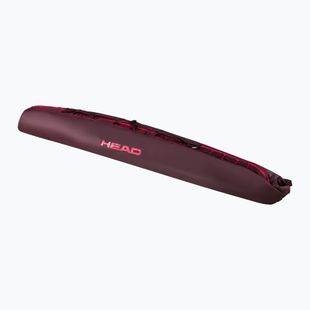
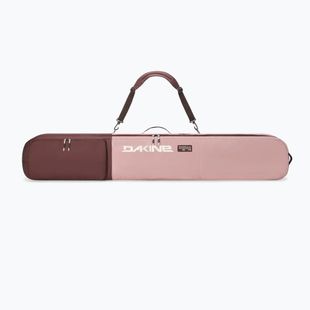
A ski cover intended for skis protects the base, edges and top layer from mechanical damage that easily occurs in a trunk, on a car roof or in a train carriage. The deciding factor is length, so a good ski bag should be a few centimeters longer than the equipment to avoid straining the zipper and deforming the tips. Manufacturers list a length range in centimeters, so before buying measure your skis and check whether they fit within the stated range. When transporting on the roof, the cover also protects against mud and road salt that settle on bases and bindings and accelerate wear. Width of the case also matters, especially for models with a wide boot platform that don’t always fit into a narrow cover. Single versions are lighter and easier to handle, while covers for two pairs of skis are useful for family trips when you need to carry a whole set. For children choose covers with adjustable length, because ski covers with some allowance will last several seasons even though skis are replaced more often. Some models have an extra pocket for poles or small accessories, but check the product description to see if a full set will fit. An interior with soft padding reduces abrasions, and reinforced tips withstand repeated standing on hard surfaces better. Pay attention to a zipper running the full length and to compression straps that stabilize the gear inside and prevent skis from shifting. Also check whether the handles are integrated into the construction rather than just sewn onto the fabric, because under load those handles take the most strain. A soft case is lighter and takes up little space when folded, but stiffer models cope better with being crushed in a full trunk. Skis are best packed in pairs, bases together and with brakes engaged, so edges don’t rub against bindings. Any model of Atomic will fit if it’s the right size, but an Atomic ski bag can be convenient if you want a consistent set of accessories. After returning home, take the skis out of the cover and wipe the edges, because moisture trapped in the case promotes corrosion of metal parts. Well-planned transport means fewer service fixes after the season, so check sizes and specs and you’ll easily find the right ski bag.
Protecting boots and helmets in ski covers
Ski boot covers are used not only for long trips but also for everyday commutes to the slopes, when you need to take boots from home or collect them from a rental locker. A ski boot bag protects shells from scratches and your car interior from water and melted snow after returning from the run. Models with an separate compartment for boots and a second pocket for accessories are convenient because they keep wet items separate from dry ones. Ventilation works well — it lets liners dry and reduces unpleasant odors during longer storage. If you prefer a single piece of luggage, consider a boot and helmet bag that fits both items without extra bags. Tall cuffs, buckles and rigid shells take up a lot of space, so before buying check whether a given model will fit the chosen ski boots in your size. Boot size is given in mondo, i.e. foot length in centimeters, so for larger sizes look for more spacious versions. Users of HEAD boots often choose an HEAD ski boot bag to have an accessory that matches the equipment stylistically, although practical value is determined by dimensions and construction. The same applies to Atomic boots, for which an Atomic ski boot bag is chosen for the same reasons, but the final decision should be based on shell size and buckle shape. The same goes for other brands, since a standard-dimension Salomon ski boot bag will usually perform just as well. Protruding buckles can stretch thin fabric, so it’s better to choose a thicker material. Bags with more pockets organize gear better but become heavier, so for air travel check the baggage weight limit. A reinforced base and sturdy handles make carrying a loaded bag easier, and strong seams withstand the weight of boots. Every ski boot bag should also have a pocket for socks and gloves, which saves time during morning packing. Don’t leave wet boots closed overnight, because moisture hinders liner drying and shortens the interior’s lifespan. Looking for a practical solution for the whole season? Choose proven ski boot bags.
Helmet and goggles free from scratches thanks to ski covers
For smaller accessories, the gentleness of the material matters because helmets and goggles are sensitive to contact with hard objects. A ski helmet cover protects the paint and outer shell from scuffs while allowing you to pack the helmet in luggage without risk of dents. It’s good if it has a soft interior and a drawstring or zipper to prevent the helmet from slipping out during transport. A helmet should fit head circumference, so before buying a cover check its dimensions and choose a model with the appropriate diameter. If you are still building your kit, take a look at the ski helmets section, where you’ll find models for adults and children. Even more important is a goggle case, because lenses are easily scratched and anti-fog coatings require careful handling. A cover made of soft fabric prevents the lens from coming into contact with zips or buckles, and a smooth lining won’t leave marks. Goggles shouldn’t be wiped with rough materials, so after riding let them dry first and only then put them in the case. On train journeys a boot and helmet bag carried over the shoulder is also convenient because it leaves your hands free for tickets and other luggage. Pack the helmet on top so it won’t be crushed by heavier items. Damp goggles stored in a tight case lose lens clarity faster, so a ventilated cover works better. Many people choose ski covers with a handle or carabiner that can be attached to a backpack or bag. Complete the set with suitable ski goggles that fit the helmet snugly, because such a combo protects the face from wind and snow better. For children a smaller cover is enough, while an adult with a larger helmet should choose an oversized ski helmet cover with extra volume. Before closing the zipper remove small items from the goggles and make sure the strap lies loosely and the goggle case does not touch the hard helmet. Skiers using Rossignol equipment may pair it with a Rossignol ski boot bag if they prefer a coordinated luggage look. Such habits extend the life of gear over many seasons, and small ski covers bring the most benefits.
Choosing ski covers to match your travel style
Ski covers vary in material, capacity and carrying method, so before buying determine how often you travel and how you get there. For car travel a durable material with double stitching works well, while on trains lightweight and comfortable shoulder straps matter. For a weekend a simple ski cover for one pair of skis is enough, while for a longer holiday you need greater capacity that can hold several pairs of boots and extra accessories. If you transport gear in checked luggage at the airport, choose stronger padding and end protections because the cover must survive handling. Skis from Völkl require the same care as any advanced model, so pay attention to fit and rigidity of the case, not just color. For clothing and small items consider ski backpacks and bags that can also hold thermal underwear, gloves and a hat. After the season dry the cover in a ventilated place, remove sand from zippers and store it open, without crushing. Keeping things tidy is easier with an ID tag or distinctive color so you can quickly find your luggage on the airport belt, in a shuttle or in a locker room full of similar bags. Also check the type of zipper and its protection, because the zipper is most often damaged when the cover is packed to its limit. For children a practical solution is a length-adjustable cover since gear changes every season and new skis can be longer than previous ones. Also calculate the total capacity for the whole family, because one large cover can be more convenient in the trunk than several small ones, although it’s harder to carry. Many skiers match accessories in one style, so an Atomic ski bag becomes part of a set with other gear from that brand. For larger shell sizes an Atomic ski boot bag with extra room in the compartment works better because buckles and cuffs need space. If you ski in Rossignol boots, choose a Rossignol ski boot bag with a separate pocket for liners and gloves. HEAD boot owners should check whether the HEAD ski boot bag has a reinforced base that better handles the weight of shells. If your gear comes from different brands, a separate Salomon ski boot bag can also come in handy. Before you decide, compare capacity, material and handles, then browse Sportano’s offer and choose the ski covers that will suit your trips.