


 New Extra -10% with the code SPORT
 Extra -5% with the code SPORT
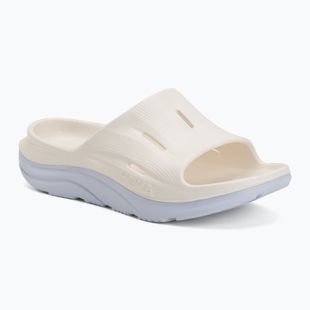 Slides HOKA Ora Recovery Slide 3 alabaster/ambient blue€53.99 -23%Lowest price: €69.99Recommended retail price: €69.99
 New Extra -25% with the code SPORT
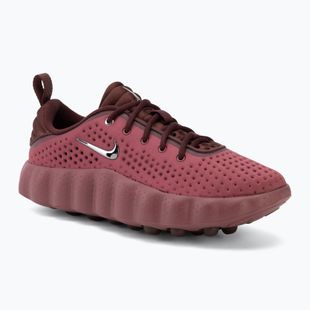 Extra -10% with the code SPORTWomen's shoes Nike Mind 002 pink smoke/mystic dates/metallic silver€139.99€125.99Lowest price: €119.99
 Men's shoes New Balance Fresh Foam Recovery V1 earth shadow€59.99Recommended retail price: €109.99
 Salomon Reelax Break 6.0 women's flip flops black/black/alloy€39.99 -11%Lowest price: €44.99Recommended retail price: €69.99
 Extra -5% with the code SPORTSlides New Balance Fresh Foam RCVRY V1 phantom€39.99€37.99Lowest price: €35.99
 Salomon Reelax Break 6.0 women's flip flops cosmic sky/black/flame scarlet€39.99Recommended retail price: €72.99
 DYNAFIT Podium orange and navy blue flip flops 08-0000064074€32.99 -13%Lowest price: €37.99Recommended retail price: €58.99


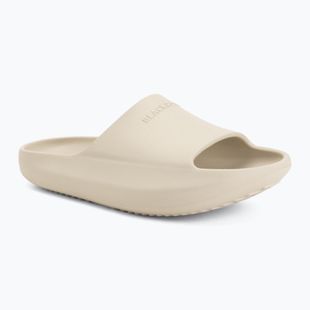


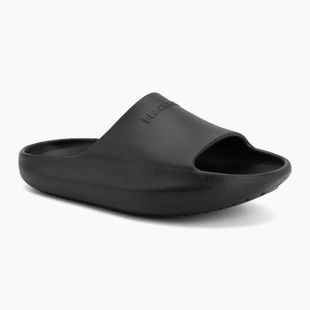


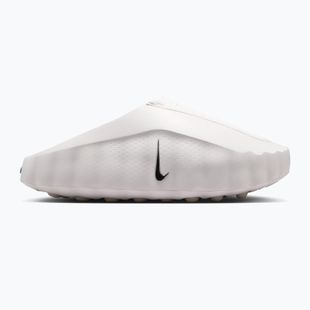


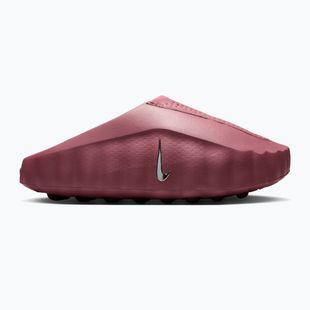


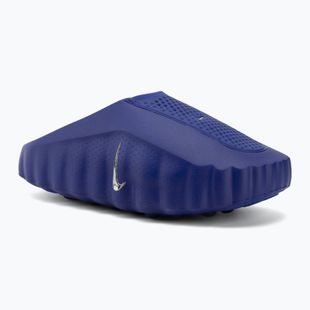
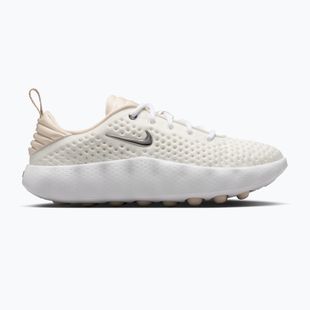
Recovery shoes – comfort after running and intense training
Recovery shoes are designed for runners who want to change out of their racing or training shoes after a workout for a model that provides soft foot support, a comfortable fit and walking comfort. They do not replace rest or other recovery measures, but can increase comfort after long runs, races or intense sessions. Well-chosen recovery shoes should have a cushioned sole, appropriate forefoot width, a soft upper finish, stable heel support and a construction that can be easily slipped on after exertion. Among models aimed at runners there are products from the HOKA brand, which are worth comparing in terms of sole construction and fit. Recovery shoes can be useful after road, trail training and longer-distance races when the priority is relieving the foot from stiff sports shoes and switching to a more comfortable design. It is worth pairing them with appropriately selected running shoes, which cover the performance part of training. Low weight, easy on/off and comfort for tired feet are features that should guide the choice of recovery shoes.
Recovery shoes for runners – what to look for after training?
Recovery shoes are best chosen according to how they will be used after exercise. For one person the most important thing will be a soft sole and the ability to put shoes on quickly after a race; for another, stability during a longer post-run walk will matter more. Recovery shoes should provide ample toe room, no localized pressure points, a soft heel area, appropriate sole flexibility and comfortable ground contact. It’s also worth paying attention to the insole profile, upper width, collar finish, outer sole traction and ease of cleaning. Models from Salomon may interest those who look for comfortable shoes after running off‑road. Recovery shoes should not be automatically chosen a size larger just because they are intended for post-training use. The foot should have more freedom than in a tightly fitting racing shoe, but excessive looseness can worsen stability while walking. Well-fitted recovery shoes should therefore match the actual length and width of the foot.
Recovery shoes can be particularly useful after long runs, tempo sessions, races and mountain outings when the foot has worked for many hours in more snug running shoes. Switching to recovery shoes primarily increases comfort after activity, however the category name does not imply that the footwear speeds up the body’s recovery processes. In practice what matters are the softness of the construction, adequate forefoot space, comfortable cushioning, stability on hard surfaces, easy slip‑on design and the absence of elements that cause pressure. Recovery shoes can be worn on the way back from a workout, for a walk or during everyday activities after running if their construction suits such use. Among models for active users it is also worth checking products from New Balance. For longer walks the tread grip, appropriate base width, stable foot guidance and material durability also matter. Thanks to this, recovery shoes can be a functional addition to a runner’s kit rather than just an extra pair of shoes.
Recovery shoes after running – cushioning, fit and construction
Recovery shoes should be evaluated primarily for comfort, since after intense effort the foot can be more sensitive to pressure and limited space. Sole construction is particularly important here. Recovery shoes may use a thicker cushioning layer, a rounded sole profile, a wide platform or other construction solutions, but their actual effect depends on the specific model. You shouldn’t assume that the softest sole will automatically be best for every runner. For some users stability, controlled foot roll, appropriate stiffness and secure support while walking will be more important. Recovery shoes should also work well with the natural shape of the foot, so toe box width, instep height, heel shape, a soft interior and the absence of irritating seams are relevant. Models from ASICS can be considered by runners seeking footwear to complement their everyday training set. Recovery shoes should not allow heel slippage or force the wearer to clench their toes while walking. A well‑fitted model lets the foot relax after training and provides comfort without unnecessary pressure.
It’s worth trying on recovery shoes at the end of the day or after a workout when possible, because then it’s easier to assess how the shoe behaves with a slightly more fatigued foot. Recovery shoes should provide adequate length allowance, toe freedom, stable heel seating, even sole pressure distribution and no pressure on the instep. Weight is also important, since after exercise many runners prefer a lightweight construction that doesn’t feel like extra burden. Recovery shoes can be used after runs on road, treadmill or trail, but the prior running surface is not the only selection criterion. Individual foot needs and intended post‑activity use are more important. Pay attention to the upper material, breathability, abrasion resistance of the sole, ease of putting on and the ability to wear them comfortably without heavy lacing. Recovery shoes should provide a comfortable transition from technical running footwear to everyday walking, not enforce the same tight fit as racing models. That makes them particularly practical after a demanding workout.
Recovery shoes in a runner's kit – when are they worth using?
Recovery shoes can be used immediately after a workout, after races and during the trip back from a run when the user wants to change tight sports shoes for a more comfortable model. It’s especially useful to have recovery shoes after long races and multi‑hour sessions when features like easy on/off, soft support, toe space, no localized pressure points and comfortable cushioning become important. That does not mean every model will suit every person. Recovery shoes should be selected with consideration for foot width, instep height, preferred softness level, sole stability and the type of surfaces the user will be walking on after training. A runner preparing for a race can pack them together with other running accessories to quickly change training or racing shoes for a more comfortable pair after crossing the finish line. Recovery shoes can also work well for everyday use between training sessions if their construction is intended for walking. Interior comfort, a breathable upper and a stable outer sole increase their practicality beyond the immediate post‑run moment.
Recovery shoes should also be properly cared for, especially if used immediately after activity when the foot may remain damp. After use it’s advisable to let the shoes dry according to the manufacturer’s recommendations and regularly check the insole condition, sole surface, upper material, stitching and the areas most exposed to friction. Frequently used recovery shoes should retain even support, stability while walking, heel comfort, forefoot freedom and an appropriate sole shape. If materials begin to deform permanently or the sole loses its original stability, it’s worth assessing whether the shoes still fulfill their intended function. Recovery shoes do not replace properly selected training shoes, sleep, hydration or other rest elements, but they can increase comfort immediately after activity. That is why, in the running segment, they are best treated as a supplement to post‑training equipment that aims to give the feet more comfort after finishing a run. The right size, a comfortable construction and fit according to personal preferences should therefore determine the choice of recovery shoes.