


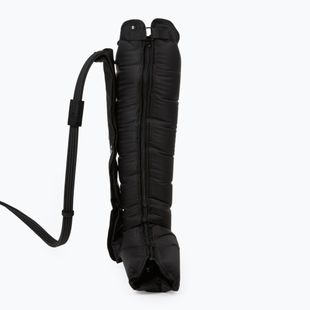
 Compression massager leg sleeve Xtrexo AIRPRESSO 8 R Black€119.99Recommended retail price: €129.99
 XTREXO AIRPRESSO 8 black compression massage sleeves massager€349.99Recommended retail price: €599.99
 Spodenki do regeneracji Normatec Premier Hip black€799.99 -€40.00Lowest price: €839.99Recommended retail price: €929.99
 Normatec recovery short leg 60085 black€439.99 -€20.00Lowest price: €459.99Recommended retail price: €509.99
 Normatec recovery long leg 60086 black€439.99 -€20.00Lowest price: €459.99Recommended retail price: €509.99
 Hyperice Venom 2 Shoulder Left vibration-warming sleeve black€259.99 -€20.00Lowest price: €279.99Recommended retail price: €309.99
 Hyperice Venom 2 Shoulder Right vibration-warming sleeve black€259.99 -€20.00Lowest price: €279.99Recommended retail price: €309.99
 Hyperice left arm cooling compression sleeve black 10021001-00€79.99 -11%Lowest price: €89.99Recommended retail price: €119.99
 Therabody RecoveryAir JetBoots black/blue massage device€909.99 -€20.00Lowest price: €929.99Recommended retail price: €999.99
 Leg regeneration device Normatec Go black€439.99 -€30.00Lowest price: €469.99Recommended retail price: €509.99
 Extra -10% with the code WARMUPNormatec hip recovery shorts black€459.99€413.99Lowest price: €375.99
 Hyperice Venom Leg 2.0 massager black 22100€279.99 -10%Lowest price: €309.99Recommended retail price: €309.99
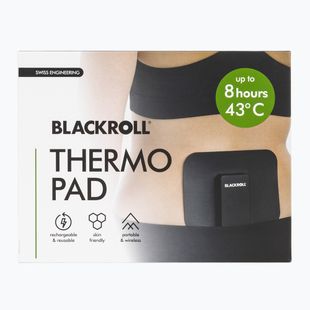 New Extra -10% with the code WARMUPPad BLACKROLL Thermo Pad black€189.99€170.99Lowest price: €161.99
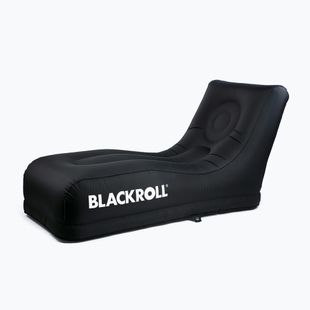 New Extra -10% with the code WARMUPInflatable armchair BLACKROLL Air Lounger 2.0 black€309.99€278.99Lowest price: €224.99
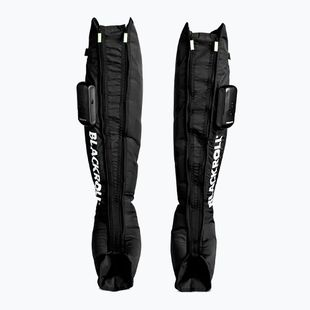 NewRecovery leg sleeves BLACKROLL Compression Boots Extension 2.0 black€29.99Recommended retail price: €34.99
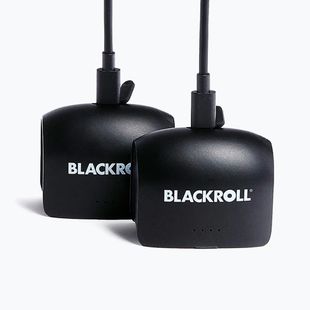 New Extra -10% with the code WARMUPRecovery leg sleeves BLACKROLL Compression Boots Infinity Batteries 2.0 black€119.99€107.99Lowest price: €88.19
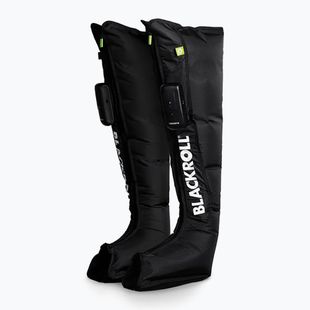 New Extra -10% with the code WARMUPRecovery leg sleeves BLACKROLL Compression Boots 2.0 black€609.99€548.99Lowest price: €579.99


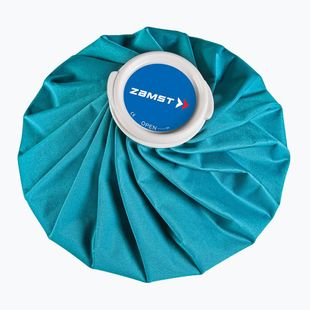


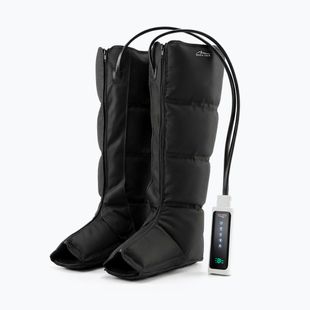
Recovery equipment – support after exercise and before the next workout
An intense workout only ends when the muscles return to full readiness, which is why recovery equipment becomes as important as shoes or clothing. After effort, tension, a feeling of heavy legs and stiffness can occur, which may make subsequent sessions more difficult. Appropriate massage, compression and cooling tools help care for the body between workouts and make it easier to prepare for further training. In this category you will find massage guns, rollers and balls as well as devices using pneumatic compression, and solutions for local cooling. Runners, cyclists, football players, gym-goers and anyone who wants to relax tense areas after a long day at the desk will benefit from the offer. You will find both simple accessories and advanced battery-powered devices intended for demanding athletes. Good recovery equipment does not replace sleep, nutrition or a sensible training plan, but it helps support those elements in daily practice. Below we explain how the different types differ, how to choose a model for your needs and in which situations it’s better to consult a specialist. Choose recovery equipment that fits your training style and that you can naturally incorporate into your weekly routine.
How recovery equipment works and who really benefits
Recovery is the process by which the body rebuilds muscle fibers, replenishes energy and returns to balance, and recovery equipment supports it on several levels. The first is mechanical massage, which acts on muscles and fascia, relieves tension and allows focus on a specific area. The second is compression, used in pneumatic devices and compression garments, which supports blood and lymph circulation in the limbs. The third is temperature, meaning cooling or heat applied after exercise or for overloads. Short warm-up sessions before training can also be useful when muscles are cold and stiff. These solutions are used by daily-training athletes, amateurs running several times a week, and also by people who sit at work and accumulate tension in the glutes and back. When choosing, it’s simplest to start from the problem: if you have point tension in the calf or quadriceps, a massager will do, while for fatigue of the whole legs after a long run leg sleeves are better. In the offerings from Therabody you’ll find percussion massage devices that work with rapid strikes to the tissues. Choose such recovery equipment if you need quick muscle warm-up before effort or relaxation after sessions, and the available attachments let you adjust pressure to the muscle size. A full selection can be found among massage guns, which differ in weight, power and handling. For these devices, attachment pressure and adjustable speed matter, since gentler work is recommended on sensitive areas and stronger on large thigh and glute muscles. People who prefer to work with their own body weight can reach for massage rollers of varying hardness and texture. When joints are the issue, instead of a massager it’s better to consider a knee recovery device, which works locally and more gently. Not all devices are suitable for every situation: do not use massage directly on bones and joints, and with a fresh injury or pain that does not subside, consult a physiotherapist or doctor. Before buying a device, determine whether it will be used mainly at home or taken to competitions, because that affects size and power supply. Advanced athletes often combine several methods in one weekly plan. Well-chosen recovery equipment then becomes a tool of daily body care, not a one-off novelty.
Leg sleeves for massage – how recovery equipment supports the legs after long effort
Recovery leg sleeves are put on the whole legs, and the chambers fill with air alternately, which is why this recovery equipment is popular with runners, cyclists and football players who heavily load their lower limbs. Massage leg sleeves work sequentially: pressure increases from the feet toward the thighs, resembling the motion of a masseuse’s hand. Many people choose lymphatic drainage leg sleeves to achieve a feeling of lightness in the legs after races or during an intense training block. A session using them usually lasts from several to several dozen minutes and can become a convenient evening ritual during which the athlete lies with legs slightly elevated. The term lymphatic massage leg sleeves also appears in descriptions and refers to the same chamber-work mechanism, although those choosing lymphatic massage leg sleeves should remember that it’s an aid, not a medical treatment. Usually you can set intensity and session time, so you can tailor the device to your current condition. Among the offerings from Normatec you’ll find pneumatic compression systems intended for regular recovery sessions after exercise. For athletes valuing mobility, battery life and how easy the sleeves are to pack matter as well. Such recovery equipment is not necessary after every workout; it matters most during periods of increased load, competitions and travel. Before purchasing, check the sleeve size, because a tall athlete and a short person will not fit the same model in the same way. If you compare offers, look at REBOOTS solutions, which also rely on compression and serve leg recovery after effort. After removing recovery leg sleeves, complementing with compression clothing can work well, as it gently compresses muscles during rest. When choosing lymphatic drainage leg sleeves, also check available modes and whether the manufacturer describes how to prepare for a session. It’s good when the set has comfortable fastenings and does not restrict knee movement. Remember that such procedures do not replace medical therapy. People with thrombosis, cardiovascular diseases, inflammatory skin conditions or swelling of unknown cause should consult a doctor before use. If you want comfortable and safe recovery equipment for home, choose proven systems and use them according to the manufacturer’s instructions.
Home cryotherapy device as recovery equipment after exercise
Cold has long been used after workouts and for minor overloads, so recovery equipment also includes a cryotherapy device that delivers cold to muscles and joints in a controlled way. A professional cryotherapy machine can be large, require handling and is mainly found in clubs and clinics, which doesn’t always suit home conditions. That’s why home cryotherapy devices are growing in popularity; they act locally and are often smaller, lighter and easier to operate. Such recovery equipment can support comfort after effort, but the effectiveness of cooling is sometimes debated, so treat it as a supplement, not a replacement for rehabilitation. For many athletes, the biggest advantage is that a session can be scheduled after training without visiting a specialist center. Cold is not appropriate in every situation, so before starting use ask a physiotherapist about a suitable protocol. Pay attention to ease of use, because equipment that takes too long to prepare quickly ends up at the back of a closet. The knee is a heavy load-bearing joint, so users also look for ways to care for the joint after running, football or a ski run. A knee recovery device usually works locally and can combine compression with cooling or heat, which makes it easier to control session time and intensity. In some situations it’s useful after a match or competition, and also during periods when joints need extra care. If you work on the knee joint, stabilization during training can be supplemented with kinesiology tapes, which allow you to tape vulnerable areas. When choosing a cryotherapy machine or a smaller model, check the temperature range, duration of a single session and power supply. Interchangeable pads in different sizes are valuable, because the shape of the knee, calf and thigh requires different fit. Do not apply cold directly to the skin without protection and do not extend a session beyond the manufacturer’s recommendations. People with sensory disorders, vascular diseases or adverse reactions to cold should consult a doctor. Before deciding to buy, compare several options and read the manual to know how long one session lasts. If you need to supplement daily methods, choose a home cryotherapy device or a knee model as recovery equipment to support your plan.
Choosing a model and a usage plan: how to match recovery equipment to your needs
The best recovery equipment is the one you reach for regularly, so start your choice from your habits. Consider which body parts need the most attention: calves and thighs, back, feet or knees. Runners after long runs usually need legs and feet most, cyclists need thighs and lower back, and strength trainees need shoulders and upper arms, so it’s worth choosing a solution targeted at specific areas. Beginners usually start with a roller and a ball, while advanced athletes add electric devices as training loads increase. If the budget is limited, start with one universal tool, because recovery equipment can be expanded as your needs grow. Small tools are convenient for point massage, for example massage balls that you can put in a backpack and use at the office. If you work with battery devices, check battery life, noise level and available attachments, because they determine comfort of use. In the Hyperice range, review massage and compression solutions if you want to choose from several types of equipment from one manufacturer. Also think about mobility: an athlete traveling to competitions will appreciate a smaller massager, while someone recovering at home will choose larger leg sleeves. For heavy loads on knees and feet, compression socks can be helpful; they can be worn after sessions or while traveling. A good idea is to make a simple plan: a short massage after training and in the evening a longer session with leg sleeves or rolling. Adjust frequency to load and how you feel, because excess treatments can have the opposite effect. Pay attention to warranty and service availability, especially for battery-powered equipment, and to safety markings and the manufacturer’s recommendations regarding the duration of a single session. For team athletes, a joint purchase can be a good solution since some devices can be used interchangeably. If in doubt, ask your coach or physiotherapist which methods suit your discipline. This way regular treatments will become part of daily preparation, not another gadget in the closet. Check the offer and choose recovery equipment that will help you return to training with greater comfort.