


Filters
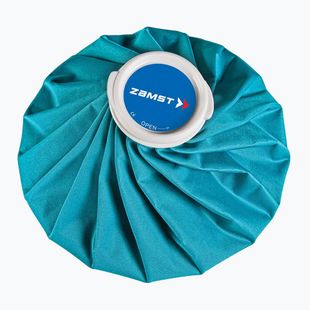
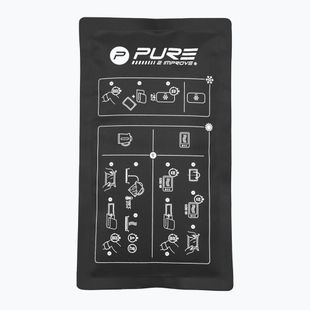
Freezers and gel compressesIn sports medicine, the management of injuries and muscle soreness is crucial for rapid recovery and sporting form. In this context, freezers and gel compresses have become integral tools in the treatment of injuries and pain relief. These cooling therapies are valued for their ease of use, accessibility and effectiveness in relieving pain and reducing inflammation.Use of freezers in the treatment of sports injuriesFreezers, also known as cold packs, are a key tool in the treatment of sports injuries, offering fast and effective pain relief and inflammation reduction. Their use is particularly important in the initial phase of treatment of injuries such as sprains, muscle strains, contusions and swelling.
Immediately after an injury has occurred, the application of cold using a freezer can significantly reduce swelling and pain. The cold causes blood vessels to contract (called vasoconstriction), which reduces blood flow to the injured area, thereby reducing swelling and pain. This rapid intervention can significantly speed up the healing process and prevent further complications.
Freezers are also used in post-operative therapy, helping to manage pain and reduce swelling after sports-related surgery. Regular use of cold after surgery can contribute to faster recovery and return to physical activity.
However, it is important to apply cold properly. Do not apply cold directly to the skin to avoid frostbite. It is advisable to wrap the freezer in a thin cloth or towel. In addition, the cold should not be applied for more than 20 minutes at a time and there should be an appropriate interval between applications.
In the context of repetitive trauma, such as chronic muscle strains, the application of freezers can help manage chronic pain and inflammation. In such cases, cold can be applied after any intense physical activity to reduce the risk of re-injury.Gel compresses: how they work and when to use them?Gel compresses are a versatile tool in sports medicine, used for both cooling and warming therapy. They work by absorbing heat or giving it away, depending on the treatment needs.
In cooling therapy, gel compresses are applied after cooling in the freezer. The cold from the gel compress helps to reduce blood flow to the injured area, which provides pain relief and reduces swelling. This is particularly useful immediately after an injury such as a joint sprain, muscle pull or contusion. The application of cold can also provide relief from chronic inflammatory conditions such as tendonitis or myositis.
In warming therapy, gel compresses are heated, for example in the microwave, and applied to increase blood flow to a specific area. The heat from the compress relaxes tight muscles, improves the elasticity of the connective tissue and can speed up the healing process. This is particularly useful prior to physical activity to prepare muscles for exercise, as well as in the treatment of chronic muscle or joint pain.
It is important to use gel compresses correctly. For cooling therapy, the compress should not be applied directly to the skin to avoid frostbite. It is recommended to wrap it in a cloth. Similarly, in warming therapy, make sure that the compress is not too hot to avoid burning.
Gel compresses are particularly recommended when a quick transition from cooling to warming therapy is required. For example, cooling may be applied immediately after an injury and then, as the condition improves, warmth for further rehabilitation.
Benefits and limitations of cooling therapy in sports medicineCooling therapy is fundamental to the treatment of sports injuries, but like any treatment method, it has its benefits and limitations.
Benefits of cooling therapy:
Pain reduction: the application of cold to the injured body part can significantly reduce the sensation of pain. The cold has an anaesthetic effect, which is particularly useful immediately after an injury.
Reduce swelling: cooling effectively reduces blood flow to the injured area, which helps to reduce swelling and inflammation.
Speeding up the healing process: by controlling swelling and pain, cooling therapy can speed up the healing process. Especially in the initial phase after an injury, rapid cooling intervention is crucial.
Limitations of cooling therapy:
Risk of frostbite: excessive application of cold can lead to frostbite, especially if the cold is applied directly to the skin or for too long.
Circulatory disorders: in people with circulatory disorders, such as Raynaud's disease, the use of cooling therapy can cause adverse effects, such as further restriction of blood flow.
Concealing more serious injuries: cooling can mask pain, which sometimes leads to more serious injuries being ignored. It is always advisable to consult a doctor after an injury has occurred.
Mobility limitations: Immediately after the application of cold, there may be a temporary restriction of range of movement in the injured area, which requires attention when returning to physical activity.
It is important to remember that cooling therapy is only one part of the treatment of a sports injury. It should be used in combination with other methods, such as rest, compression and elevation of the injured body part. Furthermore, each case of injury requires an individual approach and, if necessary, consultation with sports medicine professionals.
Collapse the description