


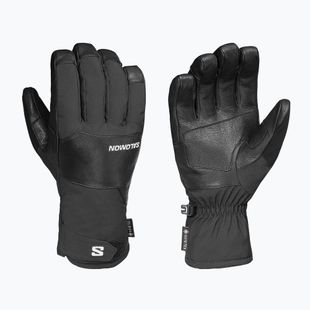
 New Extra -15% with the code WARMUP
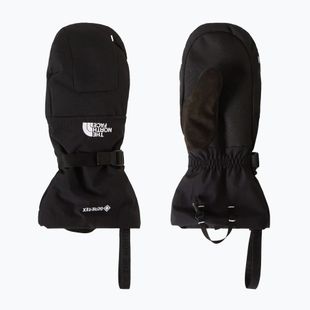 New Extra -20% with the code WARMUPSki gloves The North Face Montana 3IN1 GTX tnf black€109.99€87.99Lowest price: €82.49
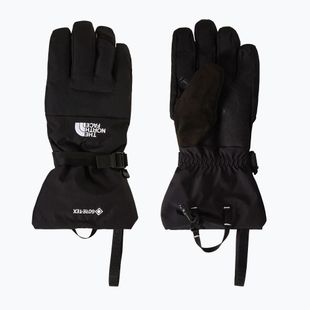 New Extra -20% with the code WARMUPSki gloves The North Face Montana 3IN1 GTX tnf black€109.99€87.99Lowest price: €82.49
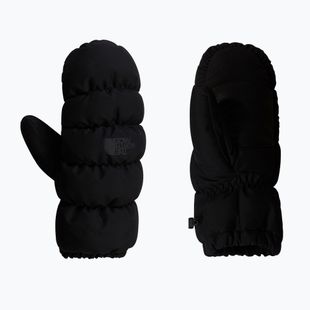 New Extra -15% with the code WARMUPSnowboard gloves The North Face Montana Puffer Mitt tnf black€59.99€50.99Lowest price: €47.99
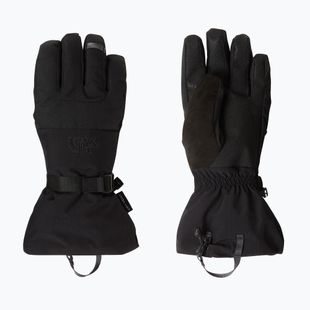 New Extra -15% with the code WARMUPSki gloves The North Face Montana tnf black€63.99€54.39Lowest price: €51.19
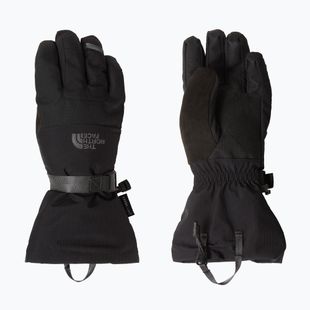 New Extra -20% with the code WARMUP
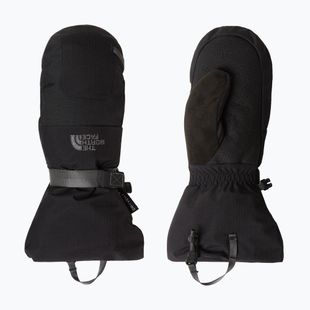 New Extra -20% with the code WARMUP
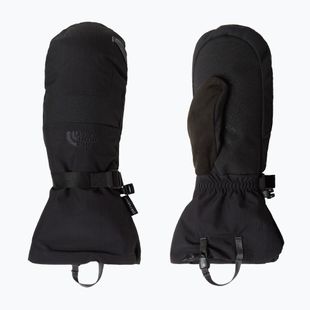 New Extra -20% with the code WARMUPSki gloves The North Face Montana Mitt tnf black€65.99€52.79Lowest price: €49.49
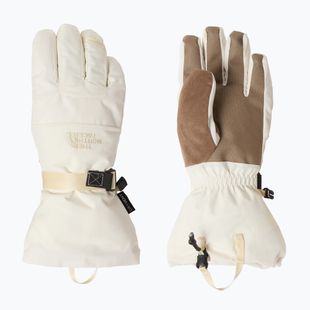 New Extra -20% with the code WARMUP
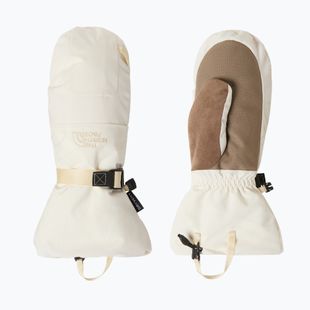 New Extra -20% with the code WARMUP
 Extra -10% with the code WARMUPWomen's ski gloves BOGNER Downtown silver€149.99€134.99Lowest price: €119.99
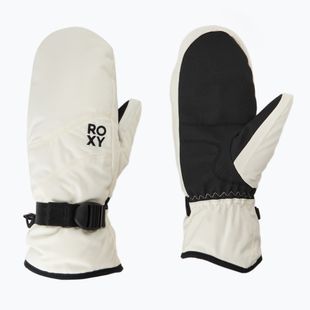 Extra -15% with the code WARMUP
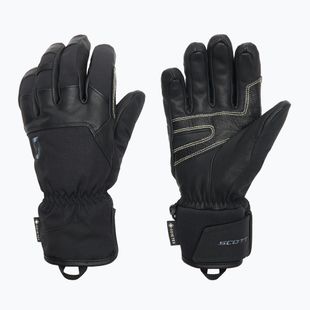 Extra -10% with the code WARMUPSki gloves SCOTT Explorair Pro GTX black€83.99€75.59Lowest price: €71.39
 Women's Ski Gloves KADVA Mountain Flow Pro Leather 3M Thinsulate Black€20.99Recommended retail price: €44.99
 Extra -10% with the code WARMUPHeated gloves Therm-ic Freeride Ultra Heat + Ultra Heat S-Batteries black/light brown€309.99€278.99Lowest price: €212.49
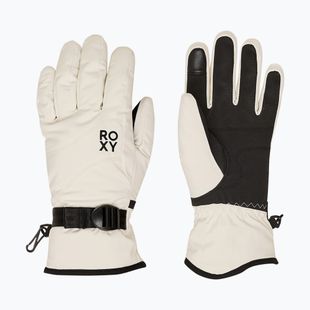 Extra -15% with the code WARMUP
 Extra -10% with the code WARMUP
 Extra -5% with the code WARMUPWomen's snowboard gloves Roxy Hydrosmart Liner fennel seed/big flower€25.99€24.69Lowest price: €22.94
 Extra -10% with the code WARMUPWomen's ski gloves Bogner Dana black€209.99€188.99Lowest price: €167.99
 Extra -10% with the code WARMUP
 Extra -5% with the code WARMUP
 Women's snowboard gloves 686 Gore-Tex Linear Under Cuff Mitt black€58.99Recommended retail price: €79.99
 Extra -10% with the code WARMUPWomen's ski gloves LEKI Montera Prime Women black/blackberry gray€119.99€107.99Lowest price: €119.99
 Extra -20% with the code WARMUPWomen's ski gloves LEKI Montera Prime Women Mitt black/blackberry gray€129.99€103.99Lowest price: €80.09
 Extra -20% with the code WARMUPWomen's ski gloves LEKI Griffin Base 3D black€129.99€103.99Lowest price: €67.49
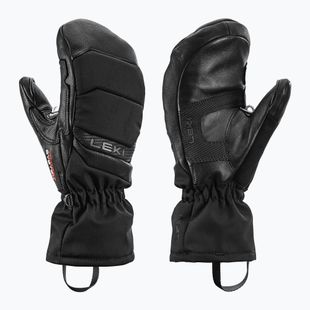 Extra -5% with the code WARMUPWomen's ski gloves LEKI Griffin Base 3D Mitt black€109.99€104.49Lowest price: €109.99
 Extra -10% with the code WARMUPWomen's ski gloves Picture Pioneer Gore-Tex Gloves black€59.99€53.99Lowest price: €47.99
 Extra -10% with the code WARMUPWomen's ski gloves Picture Kali Mitts 10/10 vapor grey€46.99€42.29Lowest price: €38.39
 Extra -20% with the code WARMUPSki gloves Reusch Sweeber III R-Tex XT black€139.99€111.99Lowest price: €104.99
 Extra -25% with the code WARMUPSnowboard gloves Reusch Sweeber III R-Tex XT Lobster black€139.99€104.99Lowest price: €104.99
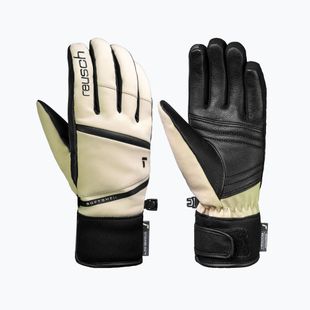 Extra -5% with the code WARMUP
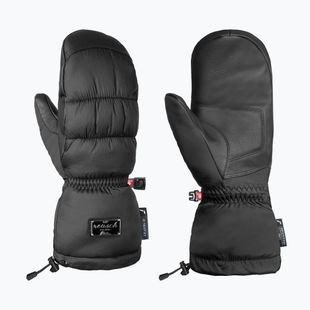 Extra -20% with the code WARMUPWomen's ski gloves Reusch Puffy R-Tex® XT Mitten black€76.99€61.59Lowest price: €57.74
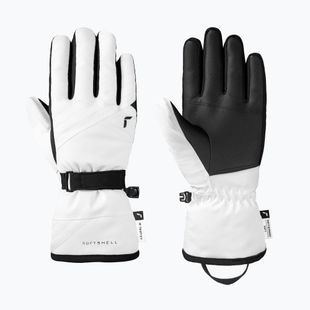 Extra -20% with the code WARMUP
 Extra -20% with the code WARMUP


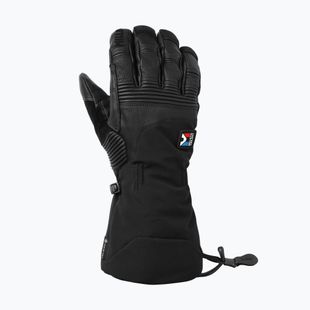


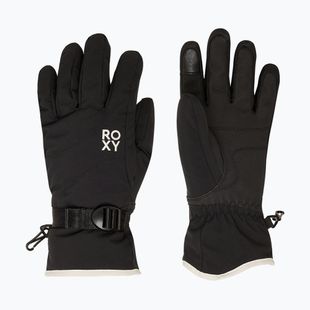
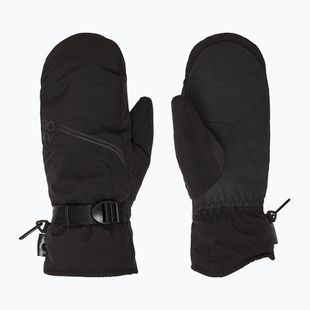


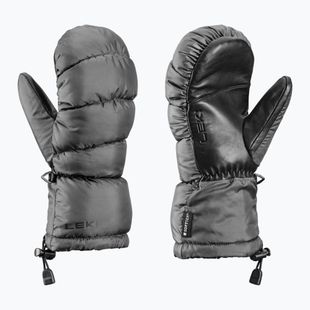


Snowboard gloves – hand protection on the slope and in the snowpark
Snowboard gloves are part of the kit whose role goes far beyond simply keeping hands warm. A snowboarder touches the snow more often than a skier: straps and unstraps bindings, braces themselves after falls and gets up using their hands. Hands therefore work in moisture, in frost and under load, and the cold wind on the lift and the board’s edges quickly reveal whether a glove is well designed. Women often choose women’s snowboard gloves with a narrower cut and shorter fingers, which makes gripping and handling buckles easier. A good pair combines waterproofness, thermal insulation and a secure grip, and its cuff must cooperate with the sleeve of the snowboard jacket so that snow does not get inside. Men usually favour men’s snowboard gloves with a wider palm, although size should be determined by the actual size of the hand, not gender. It is also important to match the whole set, which includes snowboard pants and other layers. Cold fingers weaken board control, so hand comfort affects concentration and riding time. Models on offer differ in insulation thickness, type of membrane, cuff length and insert stiffness, so you choose differently for freezing runs than for spring days in the snowpark. The sections below organize the knowledge needed to consciously choose snowboard gloves.
Waterproofing and warmth – Gore-Tex snowboard gloves and other solutions
The construction of snowboard gloves is based on several layers, each responsible for a different function. The outer part is usually made of durable synthetic fabric that withstands abrasion from snow, board edges and binding components. Inside there is a membrane, a thin layer that blocks water from the outside while letting water vapor escape from the inside. The best-known solution of this type is Gore-Tex, described as a waterproof and breathable membrane. That is why Gore-Tex snowboard gloves perform well in wet snow, during precipitation and on days when hands sweat heavily. Models without this membrane often have other laminates or surface impregnation that delays soaking, but does not offer the same protection during prolonged contact with wet snow. Such solutions can be sufficient for short outings and in dry, frosty snow, where insulation is more important than full waterproofing. The second important layer is insulation. Winter gloves most often use synthetic fill, which retains some insulating properties even when damp, and whether a pair will perform in severe cold or rather on spring slopes is determined by the thickness of the insulation. On the inside the hand is wrapped by a soft lining that wicks moisture and makes the glove comfortable to wear all day. On the palm side a grippy reinforcement made of leather or leather-like material matters, because that's where the glove wears out fastest. A thumb panel useful for wiping your nose without taking the glove off, and a long cuff with a drawcord that seals out snow under the sleeve are practical features. In some models the fingertips also have touchscreen-compatible material, useful when checking a slope map. Among snowboard equipment manufacturers is the brand Dakine, so it's worth comparing its offerings with those of other companies. It's good if the thumb and index finger have reinforced seams, as these wear first, and when choosing a model for rainy days check whether the manufacturer declares taped seams. When comparing models, read the membrane description, type of insulation and cuff construction, not just the appearance. Only that information will show whether you need Gore-Tex snowboard gloves for your riding style and the climate you usually ride in. In wet winters and heavy snow, sealed, breathable layers distinguish good snowboard gloves.
Stiffening and wrist protection in snowboard gloves
Snowboard gloves with a wrist protector address the most common injury mechanism in this sport, namely a fall onto an outstretched hand. With a board strapped to both feet it's hard to absorb a fall other than with your hands, so the load goes directly into the wrist. An insert of plastic, placed on the palm side or the inner forearm, limits excessive backward flexion and spreads the impact force over a larger area. It doesn't replace full protection, but can reduce the risk of a sprain. All the more reason to consider it when you’re learning, when falls are most frequent, and in the snowpark, where landings can be hard. Snowboard gloves with stiffening differ in insert stiffness: more flexible ones leave finger freedom, while stiffer ones stabilize the joint more at the cost of comfort when fastening bindings. A recreational rider at a relaxed pace will usually choose a more flexible solution, while a freerider or park rider will appreciate stronger stabilization. Stiffening doesn't have to mean a rigid hand: in many designs the insert covers only the wrist, leaving the fingers free, so you can still grip the board edge and fasten bindings. No insert replaces proper falling technique, i.e. tucking the body instead of bracing on a straight arm, but it provides an additional safety margin. A third option is separate protectors, worn under a thin glove, and the category snowboard protectors helps in choosing them. This solution allows using protection also with gloves that do not have their own insert. Also important is the wrist strap with a cinch that prevents the glove from slipping off during a fall, and in some models also a tether to prevent losing the glove on the lift. Before you head out for a full day, check how the insert sits when the hand is bent, because if poorly positioned it presses and discourages wearing. Among snowboard apparel brands is DC, so its models can be included in comparisons with other manufacturers. A cuff with a protector can be wider, so check whether it fits under your jacket sleeve, and if not, pull it over the sleeve and tighten the cinch well. When looking for snowboard gloves with wrist protection, check whether the insert is permanently stitched or if it can be removed for drying. For beginners and park riders this is the most sensible direction when searching for snowboard gloves.
How to choose the size and cut of snowboard gloves?
Snowboard glove size is determined by measuring the circumference of the hand at its widest point, without the thumb, and comparing the result with the manufacturer's chart. A glove that is too loose loses grip and allows the insert to shift, while one that is too tight restricts circulation and compresses the insulation layer, causing the hand to get cold faster. A well-fitting pair should have a small margin at the fingertips, because it's the air layer that determines warmth. Women looking for women’s snowboard gloves will find models with a tapered cut and shorter fingers, which reduce excess space. People with wider hands, as well as most men, will choose men’s snowboard gloves, but in both cases it's worth trying on two adjacent sizes. Measure the hand relaxed, and record the result in centimetres. Leather reinforcements mold to the hand over time, while synthetic fabrics keep their shape from day one, so with leather don't buy a pair that's too loose. If you plan to wear a thin glove underneath, pick a slightly larger size. Finger layout matters. Five-finger models give greater precision when fastening bindings and buckles, while mitts (one compartment for four fingers) usually retain heat better but hinder fine tasks. For children and teenagers freedom of movement (mobility) can be more important than warmth, so a model with an adjustable cinch that grows with the hand works well. Among brands known for offerings aimed at women is ROXY, which makes it easier to find cuts suited to smaller hands. Cooperation with the rest of the gear also matters. In gloves you need to be able to adjust the helmet strap, fix fastenings and operate snowboard goggles, which you can't do in an overly thick, stiff model. Where protection is a priority, choose snowboard gloves with stiffening, and for occasional trips opt for a universal construction. Before buying, clench your fist and spread your fingers several times to check how the seams and material creases behave during movement. Remember that Velcro and a cinch can adjust the wrist circumference, but won't fix wrongly chosen finger length. Also pay attention to the cuff length: a longer one worn over the jacket sleeve protects better against snow, a shorter one tucks under the sleeve and is less visible. Such checks take a moment and translate into comfort for many seasons, so it's worth choosing snowboard gloves carefully.
Slope kit and care that prolongs the life of snowboard gloves
The durability of snowboard gloves largely depends on care, and their effectiveness on how they work with the rest of the equipment. Under a snowboard helmet a thin hat or headband works to protect the head from the cold, and the helmet strap should have easy access so you can fasten it even while wearing gloves. Put gloves on last, once the jacket is already zipped, and decide whether to tuck the cuff under the sleeve or pull it over, depending on the jacket's cut. During breaks between runs it's comfortable to put on a