


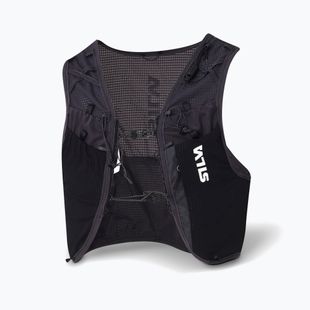


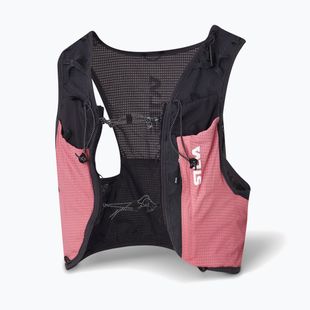
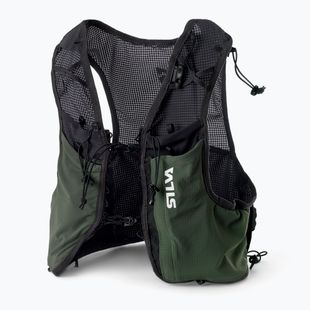
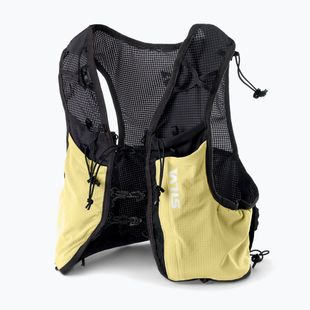


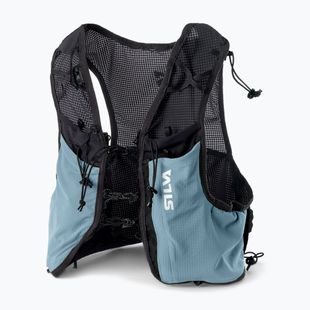
Trail running backpacks and vests – comfortable gear transport on the trail
Trail running backpacks and vests help carry water, food, an extra layer of clothing and small items without having to hold them in your hands. A properly chosen trail running backpack should sit close to the torso, reduce load bounce and allow easy access to frequently used items. A trail running vest, by contrast, typically wraps more closely around the torso and lets you distribute gear in front and rear pockets. When choosing trail running backpacks and vests, capacity, fit system, pocket layout, weight, material breathability, stability while running, hydration options, adjustability, access to gear and the nature of the planned route all matter. Trail running backpacks can be useful for longer training sessions and races that require carrying more equipment, while trail running vests are preferred when a close body fit is important. Among products intended for trail running you can find solutions from the brand Salomon, including models suitable for those looking for a product like the Salomon running vest. Completing the kit can be hydration bladders and soft flasks for trail running, allowing you to choose the way to carry fluids according to the construction of a specific model. Properly fitting trail running backpacks and vests reduces gear shifting and preserves freedom of movement on ascents, descents and technical parts of the route.
Trail running backpack or running vest – how do these solutions differ?
Trail running backpacks and vests should primarily be chosen based on the route length and the amount of gear you actually need to take. A classic trail running backpack can offer more space for a jacket, food supplies, mandatory equipment or extra accessories, so it works well for long training sessions and multi-hour races. Trail running backpacks should remain as stable as possible when fully loaded, because shifting weight can make it harder to maintain your rhythm. A trail running vest is usually more form-fitting and allows you to spread small items across multiple storage zones. Trail running vests can make it easier to reach for a bottle, gel or phone without removing all your gear. When comparing trail running backpacks and vests, pay attention to usable capacity, fit against the chest, strap adjustability, pocket elasticity, space for soft flasks, compatibility with a hydration bladder, weight distribution, rear-panel breathability, ease of packing and access to items while running. A running vest with a hydration bladder may suit those who prefer a larger fluid supply carried on the back, while models with soft bottles on the shoulder straps make it easier to monitor remaining drink volume. However, a running vest with a bladder should be fitted so the filled reservoir doesn't cause excessive movement of the whole setup. Among outdoor equipment manufacturers is Silva, whose products can be considered when assembling gear for trail training. On more demanding routes, running gaiters are also useful, helping prevent small stones and debris from entering footwear. Choose trail running backpacks when you need more carrying space, while trail running vests can be more comfortable with lighter loads and frequent gear access. However, the difference isn't only capacity – equally important are stability, access ergonomics and fit to the runner's anatomy. Ultimately, the choice of a trail running backpack or vest should be based on real needs on the route, not just the stated number of liters.
Women's and men's running vests – how to choose the size for your body?
Trail running backpacks and vests should be chosen so they remain stable both at an easy pace and during dynamic descents. A women's running vest may have proportions adapted to the female body, but the most important factors are the user's actual measurements and the adjustability of the specific model. Women's running vests should sit without pressure points and not restrict arm movement or free breathing. Similar criteria apply to a product such as a men's running vest, which also needs to be adjusted to chest circumference and the planned amount of gear. A women's running vest should not shift vertically or rotate during torso movements, and a well-fitted women's running vest should remain stable even after some pockets have been emptied of drinks and food. When choosing trail running backpacks and vests, consider adjustment range, placement of chest straps, shape of the shoulder straps, panel flexibility, position of front pockets, no underarm pressure, stability when fully loaded, breathing comfort, no chafing and how they work with the clothing worn for training. A women's running vest should be tried on with a similar amount of gear to what will be taken on the route, because an empty model may behave differently than when fully loaded. It's also good to test women's running vests during bending, torso twists and a short jog. A women's running vest may feature elastic fit zones but should not be overly tight, as deep breaths during harder efforts require adequate space. A women's running vest can differ from a unisex model mainly in proportions, so it's worth consulting the manufacturer's size chart. Among brands associated with mountain activities is Dynafit, offering equipment designed for dynamic movement in the terrain. A Salomon running vest should also be chosen based on the measurements and construction of the specific variant, not solely the manufacturer's name. A men's running vest requires the same careful fitting, especially if it will be loaded with water and mandatory equipment on longer routes. In a complete kit, trail running shoes can be useful, chosen according to the terrain and the length of the training. Proper fitting of trail running backpacks and vests helps keep gear stable and reduces the risk of chafing during many hours of activity.
Trail running backpacks and vests for short training runs and long routes
Choose trail running backpacks and vests after determining the training length, access to water points, and the amount of gear needed on the route. For short runs, compact trail running vests with space for a drink, phone and a small amount of food may suffice, while longer trips usually require more room for clothing, extra fluids and additional accessories. Trail running backpacks are especially useful where you need to carry more gear without restricting your ability to run. A trail running backpack should have compartment layout that keeps heavier items close to the body and makes items needed on the move easily accessible. A trail running vest can be more practical during faster training and races if it allows access to drinks and food without stopping. When selecting trail running backpacks and vests, consider capacity matched to distance, number of pockets, method of carrying fluids, stability on descents, ease of compressing the load, ability to attach additional gear, moisture management, material durability for off-road use, comfort after several hours of running and care instructions. A running vest with a bladder can be particularly useful on routes where water refill points are far apart, but the reservoir capacity should match the length of the section and refill opportunities. Women's running vests should remain stable regardless of pocket fill level. Women's running vests also require proper weight distribution so as not to overload one side of the torso while running. A men's running vest is subject to the same rules – the gender label doesn't change the need to pack gear evenly. Among running gear manufacturers is HOKA, whose range can be considered when assembling equipment for moving along trail routes. People building a full trail kit may also check trail running clothing, adjusting the number of layers to the weather and effort intensity. After training, it's worth emptying, drying and cleaning trail running backpacks according to the manufacturer's instructions, especially if the interior came into contact with sweat or wet clothing. Trail running vests require similar care, especially models worn directly over a thin layer of clothing. A well-fitted trail running backpack or a Salomon running vest and models from other manufacturers should primarily match the distance, the user's anatomy and the way gear is organized. Packs and vests chosen this way let you carry the needed equipment without unnecessarily restricting freedom on the trail.