


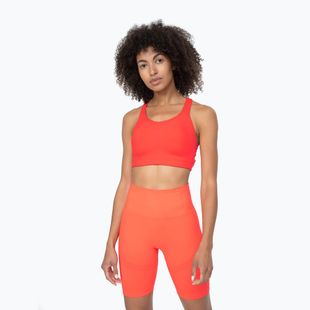
Running bras – support during training and races
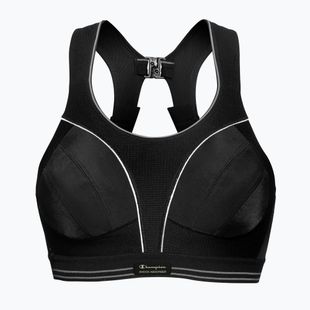
Running bras are designed for dynamic movement, during which the bust requires more stable support than during everyday activities. A properly chosen running bra should limit excessive breast movement, stay in place with each step and not cause compression that hinders free breathing. Important factors include level of support, cup construction, underbust band width, strap adjustability and moisture-wicking fabric. A running bra should be fitted to both the band and the breast size, because clothing size alone is not enough to assess support. Running bras from Shock Absorber are worth comparing in terms of construction and declared level of stabilization. A sports bra for running may use compression, individual breast encapsulation or a combination of both solutions. For more dynamic training a high-support running bra is useful, especially for a larger bust or during fast intervals. Also important are flat finishes, soft edges, breathable panels and secure closures. A running sports bra should be tried on in motion, doing a few jumps and arm swings. A good fit reduces the need to adjust clothing during training and increases the comfort required of running bras.
High-support running bras – when are they the best choice?
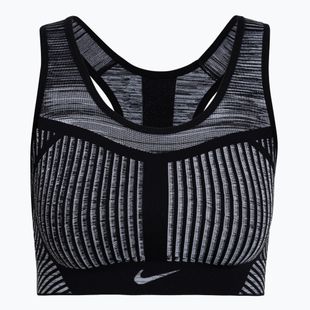
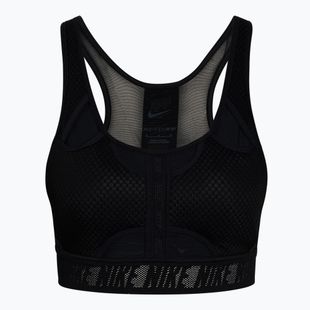
High-support running bras are primarily suitable for intensive workouts, intervals, sprints and longer runs, when torso movement is repetitive and dynamic. A high-support running bra should stabilize the bust without excessively flattening the chest or restricting deep breathing. Key elements are a wide underbust band, properly shaped cups, stable straps, a correctly fitted band and no looseness in the areas responsible for support. Running bras should not ride up when raising the arms, and the underbust band should remain at the same height both front and back. Models from Nike can be compared in terms of level of support, adjustability and back construction. A Nike running bra may come in variants intended for activities of different intensities, so before choosing you should check the recommended use of a specific model.
Running bras should also be matched to how pressure is distributed on the shoulders. Thin straps may be suitable for lighter loads, while designs intended for intense running often use wider straps that help distribute pressure over a larger area. A running sports bra can have classic, crossed or connected-back straps, and the choice depends on individual comfort and the cut of the top. An adjustable running sports bra allows more precise strap length adjustment, which is especially important for a larger bust. A high-support running bra should maintain stability during jumps, freedom of shoulder blade movement and avoid point pressure around the neck. In a running outfit it pairs well with running shirts and tank tops, whose cut should not cause additional friction on the straps. Useful features also include perforated panels, mesh ventilation zones, quick-drying materials and a soft skin-facing finish. A Nike running bra should be evaluated in the same way as models from other manufacturers – based on fit, construction and declared level of support. A well-chosen running sports bra provides stability without loss of comfort during multi-kilometer effort. That is why high-support running bras should be selected according to the intensity of the activity and the individual needs that running places on clothing.
Running bras – size, band and cup construction
Running bras require more precise fitting than many other sports garments, because their functionality is determined simultaneously by the band, cup size and supporting construction. A running bra should sit firmly under the bust without leaving painful pressure marks or preventing a full intake of air. Before purchase it is advisable to measure the underbust band and the bust circumference, and then compare the results with the sizing chart of the specific manufacturer. Running bras from HOKA are worth analyzing in terms of construction, size range and level of support. A running bra should not gape at the cups or cause breast spillage at their top or side edges. In models with molded cups it is important to have full breast encapsulation, whereas compression constructions should provide stabilization without excessive pressure on the chest.
Running bras can be pull-on or have a back or front closure. A pull-on sports bra has a simple build and fewer elements that may cause pressure, but requires adequate elasticity when putting it on. A running sports bra with an adjustable closure allows better band adjustment and may be more comfortable for a larger bust. Important factors include the number of adjustment levels, soft hook protection, band durability and stability after stretching. When running in warm conditions efficient moisture management is also important, because wet fabric increases the risk of chafing. A running bra should work together with the bottom part of the outfit, for example with running leggings, creating a set without elements that require constant readjustment. Models from ASICS can be compared in terms of material, placement of ventilation zones and method of support. A running bra should also allow free arm movement during fast paces and hill work. Useful features include stretch side panels, breathable back panel, smooth seams and a construction that limits material shifting. A running sports bra should be checked while standing, while bending and during a few dynamic movements. If the band moves, straps slip or the material causes point pressure, try a different size or cut. A properly chosen running sports bra provides support regardless of pace, which is why precise fitting of running bras is so important.
Long-distance running bras – materials and chafe protection
Running bras used during long workouts should remain comfortable even when the fabric is exposed to sweat and repetitive motion for many hours. A long-distance running bra should have soft contact surfaces, seams routed away from the most vulnerable areas and a band that does not shift during consecutive kilometers. Running bras made from technical knits can support moisture transport to the outer surface of the fabric and speed drying, but actual properties depend on the specific construction. A sports running bra should be tested during shorter sessions before use in races, because a small pressure point can become problematic after dozens of minutes of intense movement. Important features are no rough edges, elasticity without loss of support, adequate ventilation and material stability when saturated with moisture.
Running bras should also be matched to the weather and additional clothing layers. In summer a running sports bra can be combined with a lightweight shirt or top, while in cooler conditions it should work with a thermal layer, sweatshirt and jacket. A high-support running bra must not be compressed by overly tight outer clothing, as this changes its positioning and can increase pressure. For warm workouts running shorts with a stable waistband also help create a comfortable set for higher intensity. The running bra should be washed according to the manufacturer's instructions, preferably securing closures and avoiding methods that may damage elastic fibers. High temperatures can affect band elasticity, strap stretch and cup shape, so the drying method should follow the care label. It is worth regularly checking a running sports bra for fabric stretching and loss of stabilization. If the band stops sitting snugly, the straps require increasingly more shortening or the construction no longer provides the previous level of support, this may indicate wear. Nike bras and models from other brands may require different care depending on the materials used. For longer routes it is also important to have no band rolling, cup stability, free shoulder blade movement and reduced underarm friction. A properly cared-for running bra retains its properties longer, and a well-fitted running sports bra allows you to focus on rhythm and technique. The right level of support, correct size and comfortable construction make running bras a staple of regular training.