


 Extra -5% with the code EXTRA
 Extra -15% with the code EXTRA
 Extra -15% with the code EXTRA
 Extra -10% with the code EXTRA
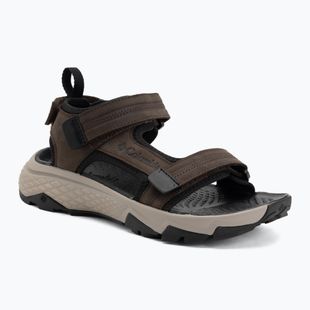 Extra -15% with the code EXTRAMen's sandals Columbia Peakfreak Rush cordovan pebble€69.99€59.49Lowest price: €62.99
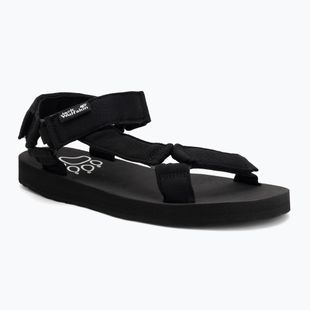 Extra -5% with the code EXTRA
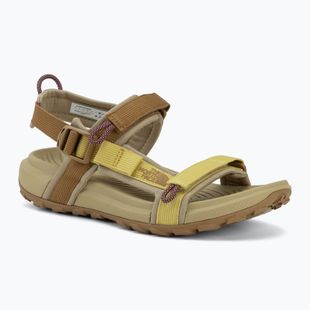 Extra -10% with the code EXTRAWomen's sandals The North Face Explore Camp honeyed sand/utility brown€78.99€71.09Lowest price: €75.04
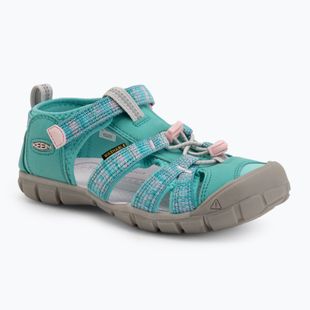 Extra -5% with the code EXTRA
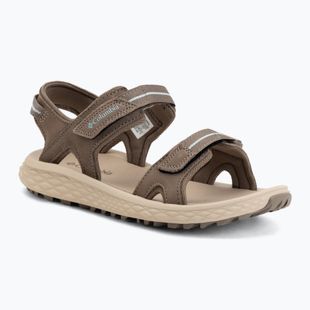 Women's sandals Columbia Konos Hiker 2-Strap wet sand/marine light€57.99Recommended retail price: €69.99
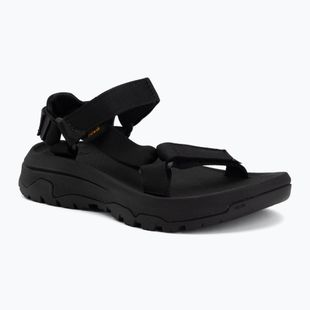
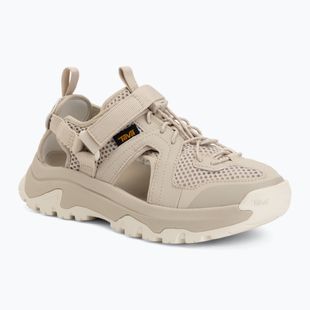 Extra -15% with the code EXTRAWomen's sandals Teva Hurricane XLT 3 CT oyster€97.99€83.29Lowest price: €88.19
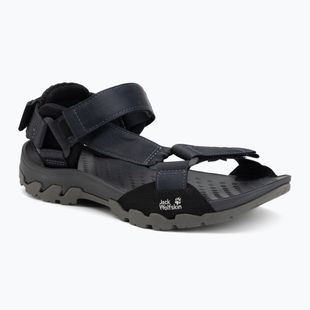 Extra -5% with the code EXTRA
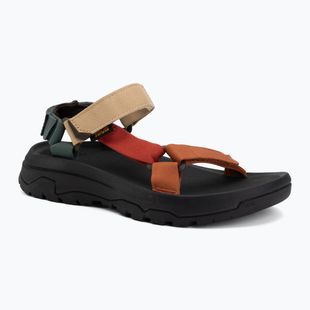 Extra -5% with the code EXTRA
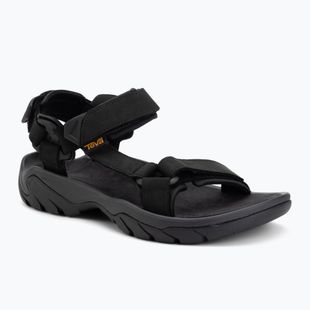 Men's sandals Teva Terra Fi 5 Universal Leather black/phantom€95.99Recommended retail price: €129.99
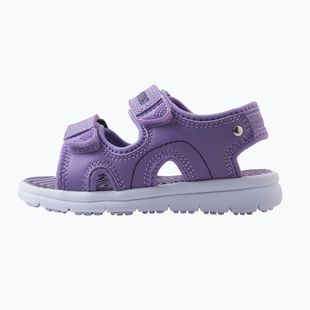 Extra -5% with the code EXTRA
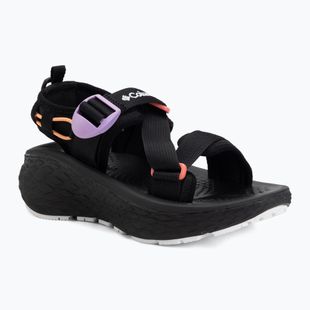
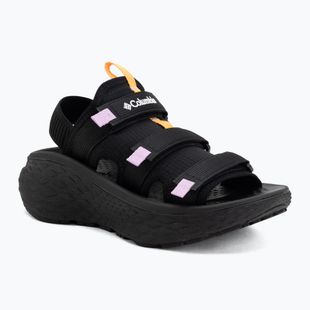 Extra -10% with the code EXTRAWomen's sandals Columbia Konos Elevate black/hydrangea€66.99€60.29Lowest price: €66.99
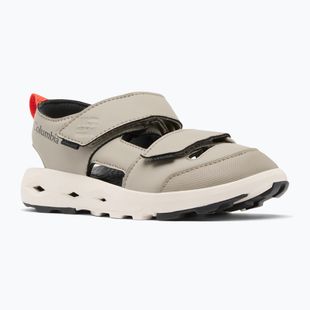 Children's sandals Columbia Techsun Adventure PT kettle/super sonic€35.99Recommended retail price: €52.99
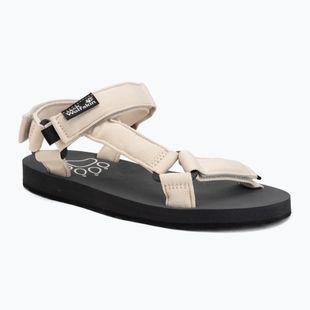 Extra -5% with the code EXTRA
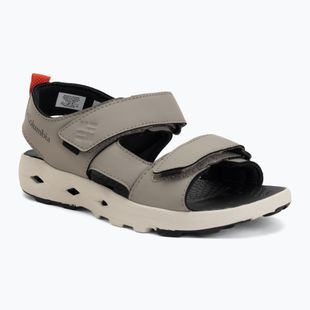 Extra -5% with the code EXTRA
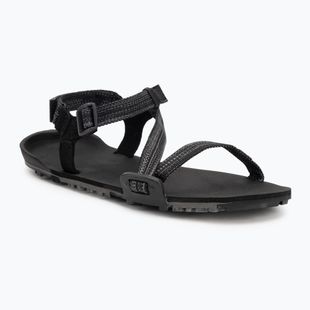 Extra -15% with the code EXTRA
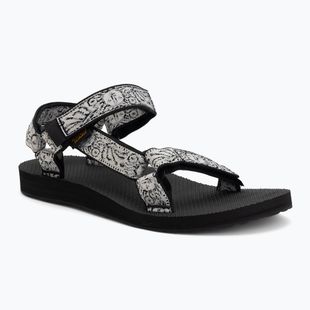 Extra -15% with the code EXTRA
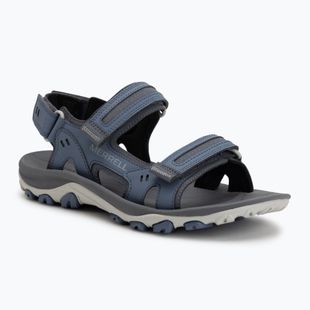 Extra -5% with the code EXTRAMen's sandals Merrell Huntngton Sport Convert blue€38.99€37.04Lowest price: €38.99
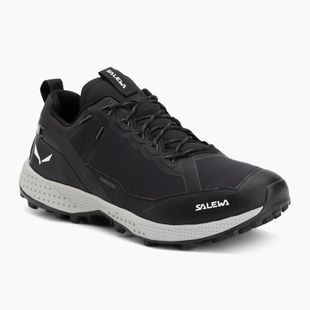 Extra -20% with the code EXTRA
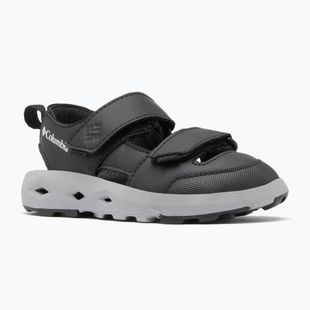 Extra -10% with the code EXTRA
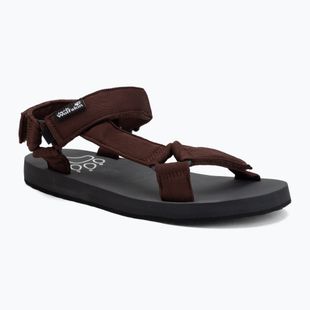 Extra -5% with the code EXTRA
 Extra -5% with the code EXTRA
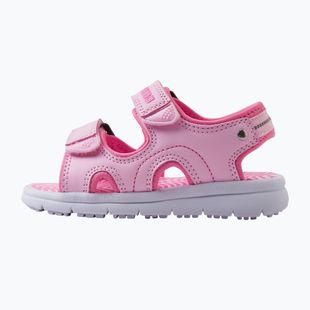
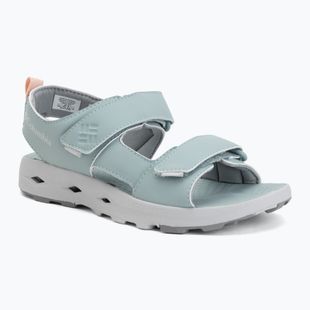 Extra -5% with the code EXTRAChildren's sandals Columbia Techsun Adventure crushed blue/blush rose€35.99€34.19Lowest price: €32.39
 Extra -5% with the code EXTRA
 Extra -5% with the code EXTRA
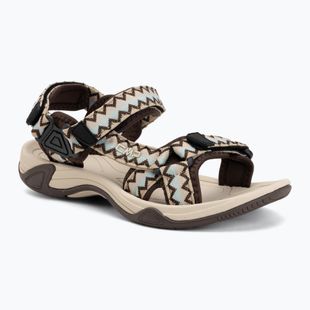 Extra -5% with the code EXTRA
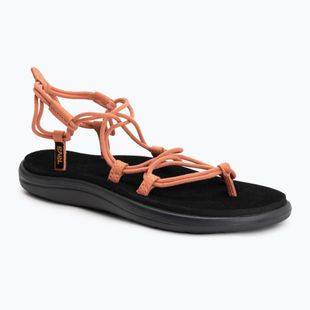 Extra -15% with the code EXTRA
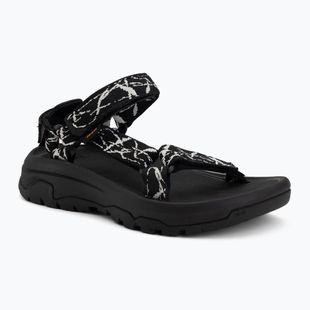 Extra -10% with the code EXTRA
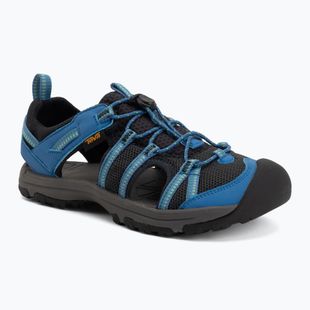 Extra -5% with the code EXTRA
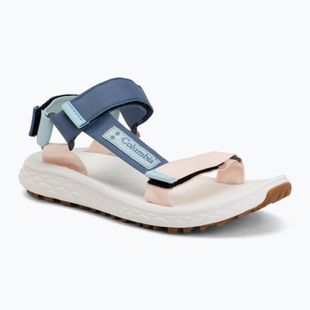 Women's sandals Columbia Konos Globetrot blue dusk/peach quartz€47.99Recommended retail price: €59.99
 Extra -5% with the code EXTRA




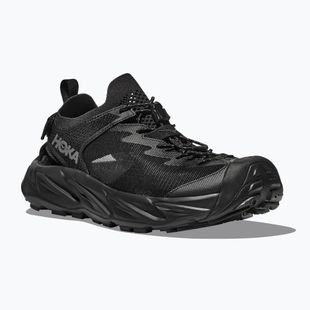


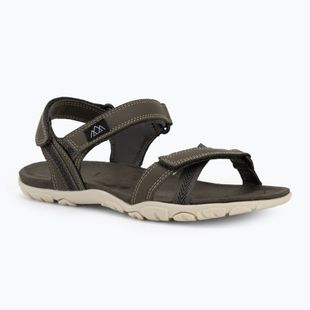


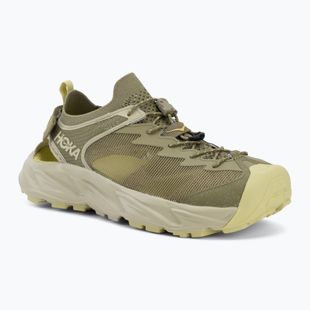


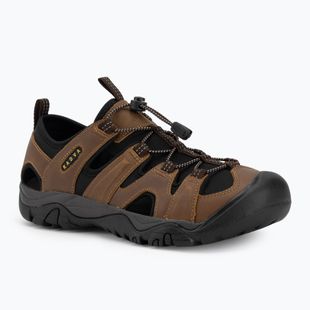
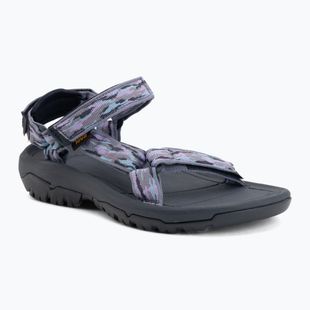


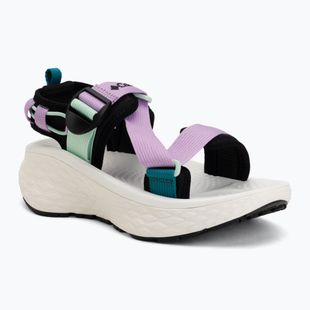
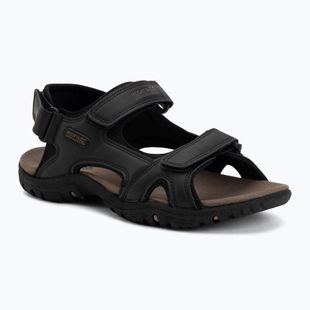


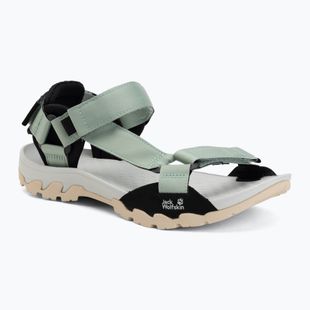


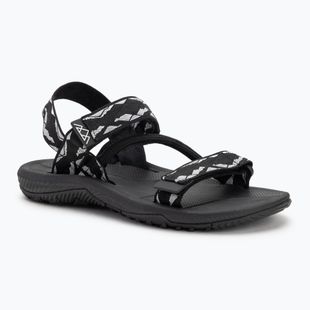


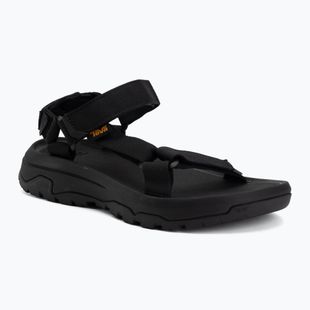


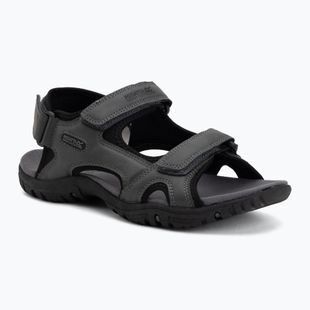
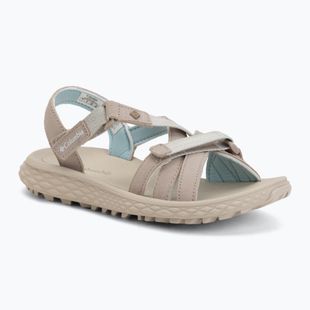


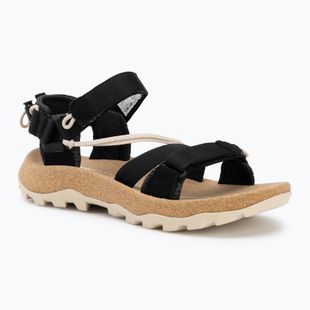


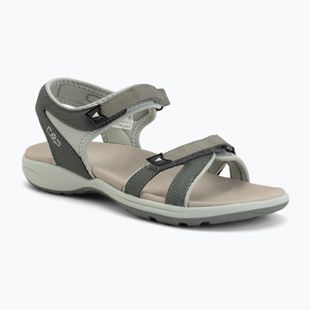


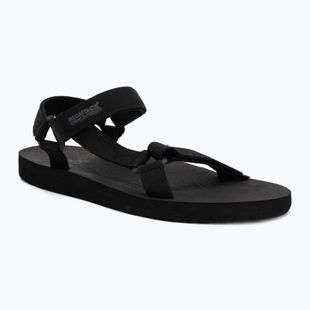


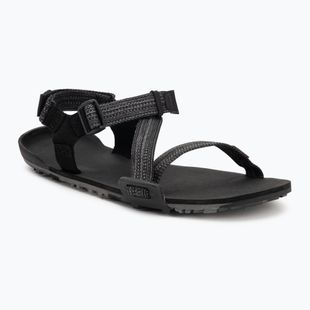


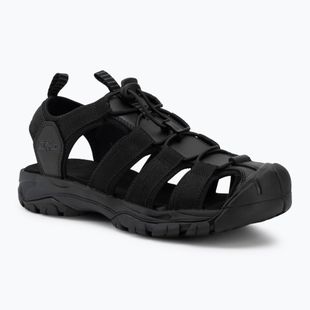


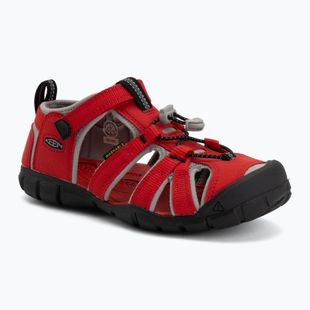
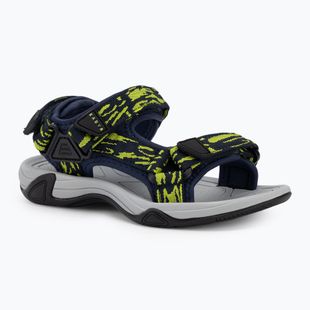


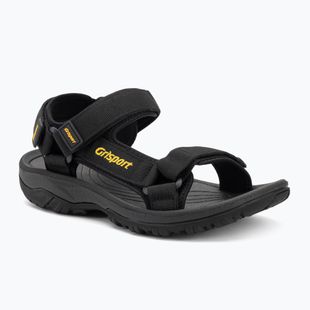
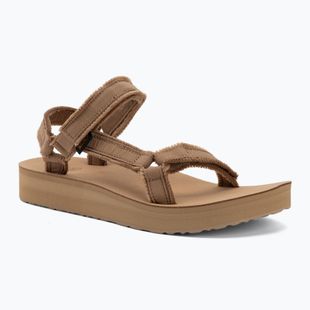


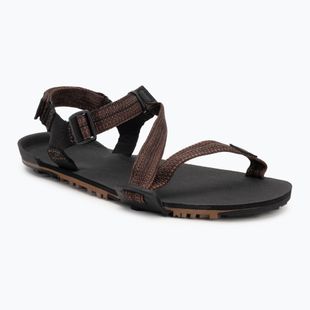
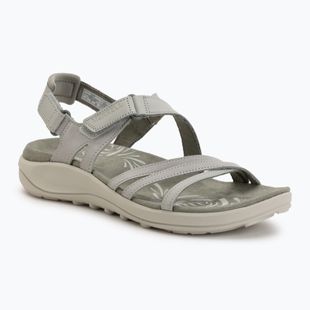


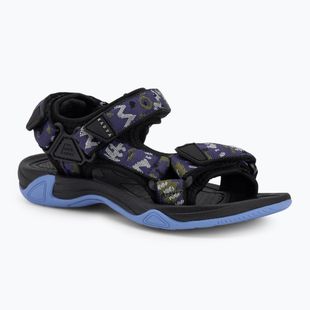


Hiking sandals – lightweight footwear for hikes and summer trips
Hiking sandals are designed for active recreation in warm conditions, when breathability, a secure fit and protection of the foot on varied surfaces matter. They are suitable for holiday trips, city walks, easy hikes, camping and moving around near water. Compared to lightweight everyday sandals they usually have a more stable sole, a more pronounced tread and a strap system that allows adjusting the shoe to the foot. The category includes women's hiking sandals, men's hiking sandals and children's hiking sandals, so differences in foot shape, size and usage can be taken into account. Models by Teva can be selected by sole type, strap construction and intended terrain. When choosing, important factors are a grippy tread, multi-point adjustability, soft strap padding, heel stabilization, appropriate forefoot width, quick drying, low weight and resistance to frequent flexing. Properly chosen sandals should not slip when going uphill, downhill or walking on an uneven path. At the same time toes must have enough space and the straps must not cause localized pressure. This combination of breathability, protection and freedom of movement is provided by functional hiking sandals.
How to fit women's and men's hiking sandals?
Hiking sandals should be selected according to foot length, width and volume, not only the shoe size worn in everyday footwear. Women's hiking sandals may have a narrower heel cup, lower midfoot volume or slimmer straps, while men's hiking sandals often come in larger sizes and wider versions. These are not rules that apply to everyone, so the most important thing is the actual positioning of the foot. The heel should rest on the designated part of the insole and the toes must not protrude beyond the front edge of the sole. During fitting you should check heel cup stability, toe room, strap fit, arch alignment, no rubbing at the ankle and freedom to flex at the forefoot. Models by Keen can be compared in terms of the degree of enclosure, toe protection and sole construction.
Hiking sandals should remain stable without needing to over-tighten the straps. Velcro adjustments make quick fitting easier, and a toggle/cord system can securely enclose the midfoot in more enclosed models. Too loose fastening causes heel slippage and increases the risk of chafing, while excessive pressure reduces comfort during long walks. It's worth trying women's and men's hiking sandals on at the end of the day, when the foot may be slightly larger than in the morning. During a few test steps the material should not dig into the skin or interfere with the natural movement of the toes. For longer routes trekking socks can be useful, especially in cooler weather or when the risk of chafing is higher. Also important are soft strap padding, adjustable heel fit, secure fastenings, no hard seams, appropriate insole length, even pressure distribution, sole flexibility and reliable foot guidance. Correct fit allows comfort on a short walk and during a long day trip for which hiking sandals are chosen.
Sole and construction of hiking sandals for different routes
Hiking sandals vary in stiffness, tread depth and degree of foot protection, so they should match the surfaces on which they will be used most often. For asphalt, promenades and hardened trails a flexible sole with moderate tread is usually sufficient. On rocky roads and forest trails greater lateral stability, deeper sole sculpting and a more durable construction are useful. A thicker layer under the foot reduces the sensation of sharp stones and roots, while a thinner sole provides a more direct contact with the ground. Models by HOKA are worth analysing in terms of sole height, geometry and the intended purpose of a specific construction. Not every lightweight model is suitable for a demanding route, just as very enclosed sandals can be unnecessarily heavy for a relaxed walk. Key parameters include traction on dry surfaces, control on wet rocks, torsional stiffness, heel cushioning, side protection, tread abrasion resistance, stability during descents and smooth rollover of the foot.
Hiking sandals with an open design provide high breathability and easy water drainage, but they offer less protection for the toes against stones and roots. Closed-toe models may perform better during terrain activities and in places with small debris, branches or uneven ground. Men's and women's hiking sandals intended for longer trips should provide stable heel support, appropriate width and a sole that does not bend excessively to the sides. For more demanding trails hiking boots may be a better solution, offering greater foot protection and defence against changing conditions. Sandals remain practical for easier outings, holiday sightseeing and use in high temperatures. When choosing, evaluate the type of tread, groove depth, toe cap durability, stability on slopes, upper breathability, material drying speed, traction of a wet sole, shoe weight and comfort after many kilometres. Matching the construction to the surface allows safer use of hiking sandals.
Children's hiking sandals and models for water activities
Hiking sandals for younger users should offer simple adjustment, secure foot hold and protection suitable for intensive play. Children's hiking sandals should not be bought with a large size margin for several seasons, because an overly long sole makes walking, running and climbing stairs difficult. Toes should remain within the outline of the sole but need a small amount of space to move freely. In children's models easy Velcro closures, covered toe, lightweight sole, soft straps, stable heel, flexible toe, easy-to-clean materials and tread suited for outdoor play are useful. Models by Merrell can be compared by degree of enclosure, closure construction and intended use. A child's foot size should be checked regularly, because the child doesn't always report tightness and marks on the skin may appear only after longer activity.
Hiking sandals used around water should quickly drain moisture and remain stable even when wet. Strap material must not overstretch in water, as this would lead to the foot slipping. The sole should provide grip on a jetty, rocks and wet shore, although no tread completely eliminates the risk of slipping. Children's hiking sandals require particularly careful checking of fastenings before entering the water. After swimming sand and small stones should be removed from the space between the foot and the insole to reduce the risk of irritation. For frequent wading or moving on a rocky shore it is worth comparing sandals with more enclosed trail shoes. Comfort is influenced by moisture-resistant material, quick-drying lining, water drainage, good-grip sole, absence of absorbent padding, stability when wet, protection against sand, easy rinsing and no metal parts prone to corrosion. Properly chosen children's models make active camping, lake visits and holiday walks easier, which is why hiking sandals remain a practical part of summer gear.
Care of hiking sandals after a hike
Hiking sandals require regular cleaning because sand, mud, salt and small stones can accumulate around straps, fastenings and in sole grooves. After a trip it's best to remove dry dirt with a soft brush and then rinse the footwear according to the manufacturer's recommendations. Strong detergents can weaken adhesives, change the colour of the material or damage the insole finish. Women's, men's and children's hiking sandals should dry in a well-ventilated place, away from radiators and intense heat sources. Direct drying on a hot surface can lead to sole deformation, stiffening of straps or weakening of bonds. Depending on the material waterproofing sprays may be useful, but the product should always be matched to the information provided by the shoe manufacturer. Not every sandal requires waterproofing, especially if it is made from materials intended for frequent contact with water.
Hiking sandals should be checked regularly for tread wear, strap stretch and the condition of Velcro and toggles. A dirty Velcro can lose grip, so it's worth removing lint, sand and small plant fragments from it. Cracks in the sole, peeling edges or torn strap attachments can affect stability while walking. For a longer trip sandals can be packed into a backpack or travel bag, but before storing they should be dry and clean. In daily care important actions are rinsing after contact with salt water, cleaning the tread, air-drying at room temperature, checking fastenings, inspecting seams, protecting from prolonged moisture, avoiding washing at high temperatures, storing without crushing, removing sand from the insole and following the label instructions. Systematic care helps maintain fit, traction and comfort for future trips. This way hiking sandals can serve on walks, easy trails, campsites and holiday trips for many seasons.