


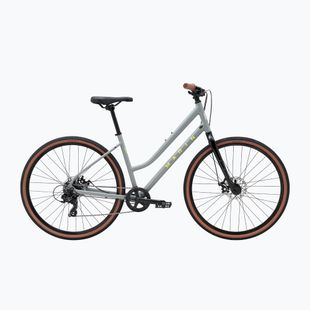
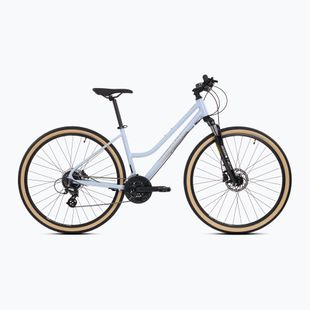
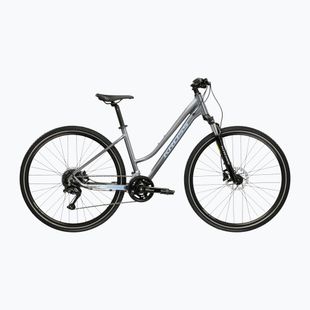
 Extra -10% with the code WARMUPWomen's cross bike Marin Kentfield 1 ST 700C grey€389.99€350.99Lowest price: €339.99
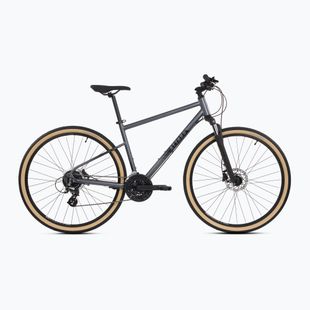
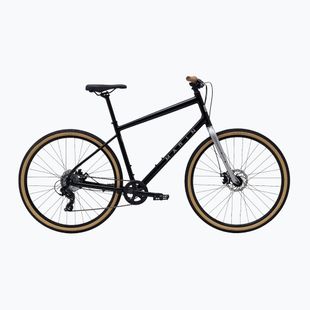 Extra -5% with the code WARMUPCross bike Marin Kentfield 1 700C black/grey€409.99€389.49Lowest price: €368.99
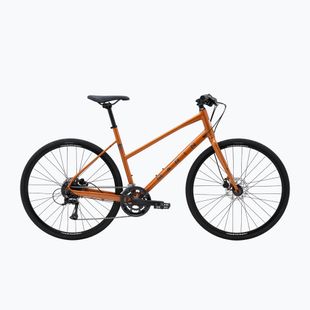 Women's cross bike Marin Fairfax 2 ST 700C copper/greyFrom €549.99Recommended retail price: €579.99
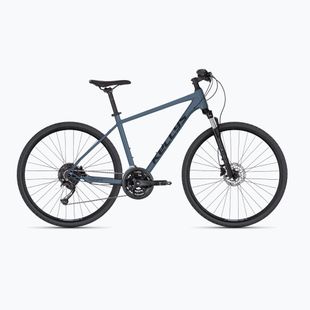
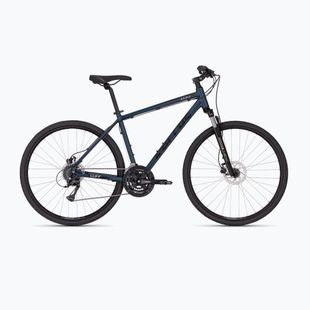
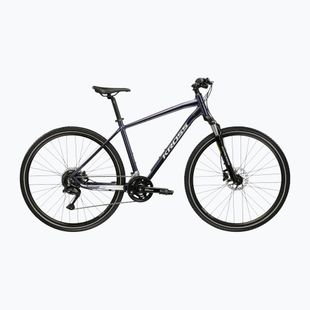 Cross bike KROSS Evado 5.0 navy/silver/shine€719.99 -€20.00Lowest price: €739.99Recommended retail price: €819.99
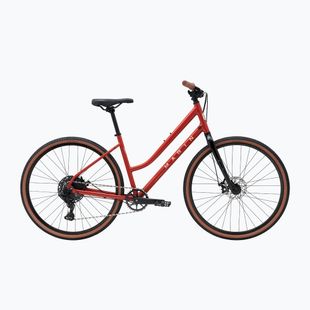 Extra -5% with the code WARMUP
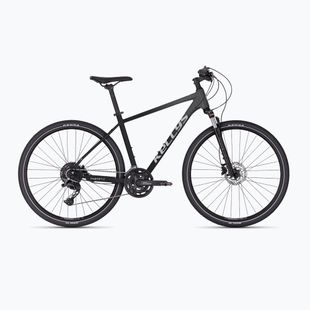
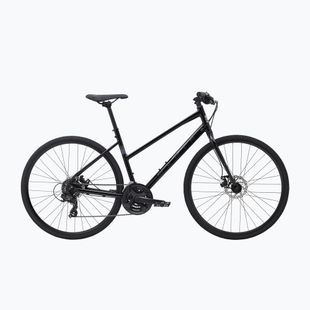
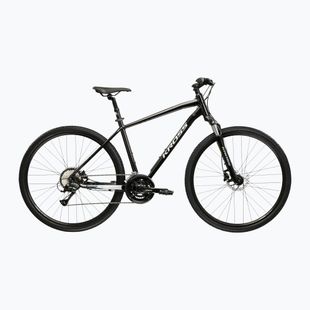
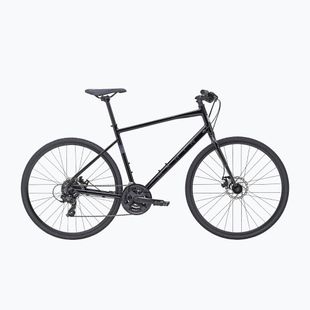 Extra -5% with the code WARMUPMen's cross bike Marin Fairfax 1 700C black€349.99€332.49Lowest price: €322.99
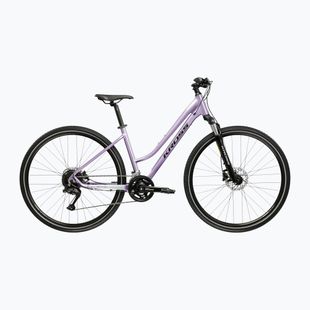
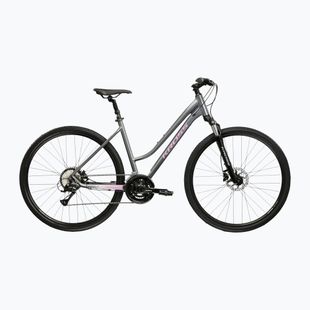 Women's cross bike KROSS Evado 4.0 W grey/pink/shine€579.99 -€20.00Lowest price: €599.99Recommended retail price: €679.99
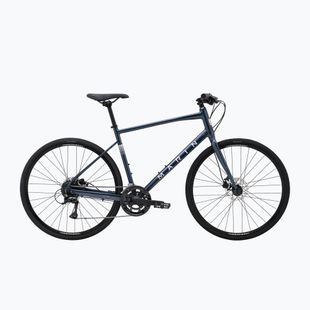
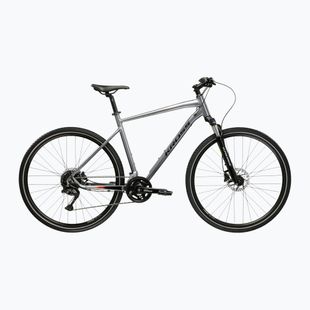
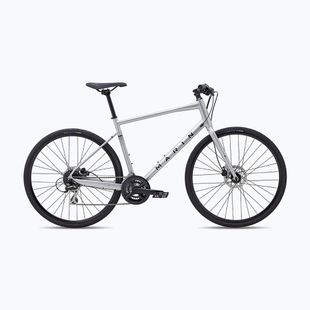 Men's cross bicycle Marin Fairfax 2 700C gloss silver/black€509.99Recommended retail price: €579.99
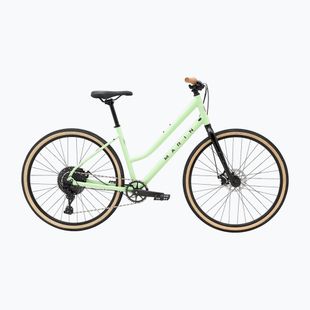 Extra -5% with the code WARMUPWomen's cross bicycle Marin Kentfield 2 ST 700C gloss light green/black€469.99€446.49Lowest price: €422.99
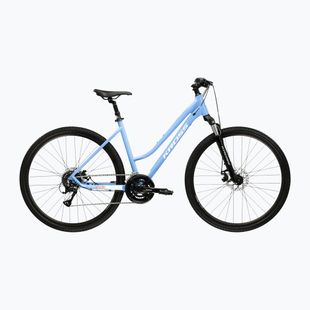 Women's cross bike KROSS Evado 3.0 W blue/white/shine€509.99 -€20.00Lowest price: €529.99Recommended retail price: €579.99
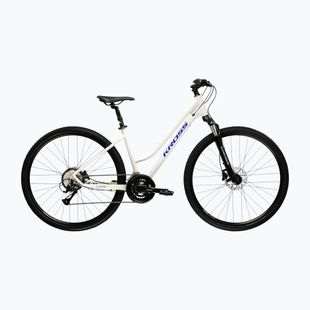 Women's cross bike KROSS Evado 4.0 W grey/navy€619.99 -10%Lowest price: €689.99Recommended retail price: €679.99
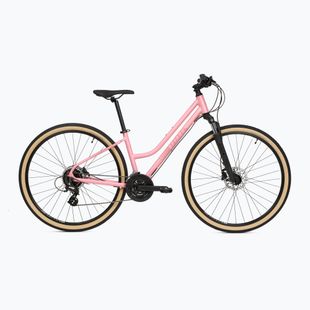










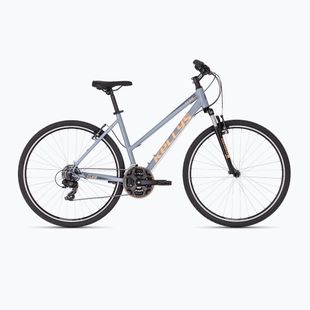
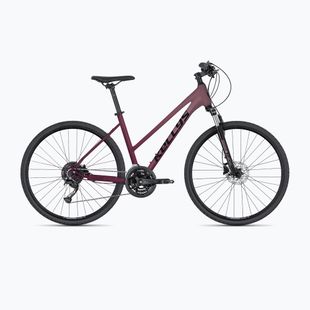
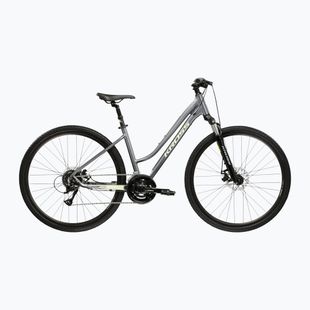


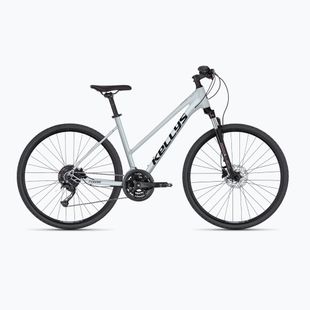
Cross/fitness bikes – versatility on asphalt and light off‑road trails
Cross/fitness bikes combine agile handling on paved surfaces with the ability to ride comfortably on park paths, gravel roads and gentle forest trails. A classic cross bike typically has large‑diameter wheels, moderately wide tires and a riding position that balances comfort with efficient pedaling. Fitness models are usually closer to fast city bikes: they may feature a rigid fork, a lighter construction and tires optimized for asphalt. Because of this, cross/fitness bikes are well suited for daily commuting, fitness training, weekend rides and recreational off‑road outings. When choosing a bike, frame material, frame geometry suited to the rider, gear range, brake type, suspension and the possibility of mounting accessories all matter. In this category you can find a cross bike, a women's cross bike and models with a more sporty position, including a light women's cross bike that makes handling and carrying easier. The designs from ATTABO let you choose a variant for everyday use and recreational routes. Also important are reliable braking, smooth gear shifting, an ergonomic handlebar, appropriate tire width, stable wheels and the correct frame size. Their versatility means cross bikes are a good match for riders who don’t want to be limited to one surface type while still expecting efficient everyday riding. This combination of functionality and a sporty character is what cross/fitness bikes offer.
Cross or fitness bike – how do these designs differ?
Cross/fitness bikes can look similar, but they differ in riding character, equipment and the types of routes where they perform best. A cross bike most often has an suspended fork that helps absorb small bumps on gravel, forest tracks or damaged asphalt. Tires are usually wider than on road bikes and have a tread that provides grip on varied surfaces, while still maintaining lower rolling resistance than tires designed for demanding mountain riding. A fitness bike more often uses a rigid fork, more asphalt‑oriented tires and a flat handlebar, which provides dynamic acceleration and precise maneuvering in urban traffic. Cross/fitness bikes should therefore be chosen based on the proportion of paved to unpaved routes, not just the frame’s appearance.
A cross bike is a good solution for someone who, on a single ride, travels along bike paths, side roads and paved stretches outside the city. In such use versatile gearing is important, allowing efficient riding on flat terrain and climbing hills. Models from Marin can be compared by geometry, fork type and drivetrain characteristics. Riders planning longer trips with luggage may also consider trekking bikes, which are often factory‑prepared for fenders, racks and lights. A cross bike remains a lighter, more sporting base that can be equipped according to individual needs. Many frames include mounting points for a bottle, fenders or a rack, but their availability should be checked in the specification of a specific model.
Cross bikes are not intended for aggressive riding on technical trails, large drops or steep descents full of roots. In those conditions, MTB bikes with stronger construction, trail‑oriented geometry and wider tires are the better choice. On the other hand, riders who mainly ride on asphalt may appreciate a fitness model for its lower weight, more direct handling and easier maintenance of pace. When comparing bikes, pay attention to suspension travel, handlebar width, number of available gears, type of wheel axles, seat adjustment range, tire tread profile, overall bike weight and upgrade options. A women's cross bike may have a lowered top tube to make mounting easier, but comfort is also determined by frame length and cockpit position. A properly chosen cross bike gives greater freedom of route choice, and it is this versatility that distinguishes cross/fitness bikes.
How to choose cross/fitness bikes for height and riding style?
Cross/fitness bikes should be matched to height, leg length, arm reach and the preferred riding position. The frame size label alone does not provide full information because manufacturers may use different proportions of the top tube, head tube height and rear triangle length. A cross bike in the correct size allows you to reach the handlebar comfortably, keep slightly bent elbows and place your feet stably on the pedals. A frame that’s too large forces you to overreach, while one that’s too small can cause a cramped position, reduce pedaling efficiency and worsen handling. Cross/fitness bikes should also be assessed for standover height, especially if the bike will be used frequently in the city and requires regular stops.
A women's cross bike may have a classic frame with modified geometry or a lowered top tube to ease mounting. However, this is not the only selection criterion. Equally important are handlebar width, saddle shape, stem length and the adjustability of contact points. A light women's cross bike will be easier to carry up stairs, place on a car rack and handle at low speeds. Low weight should not overshadow durability, wheel quality and how well the bike suits the intended surfaces. Among Kellys bikes you can find models with different frame layouts, equipment and rider positions. A light women's cross bike should maintain adequate frame stiffness, stability in cornering and predictable behavior during braking.
Cross bikes intended for longer training rides should allow a position that enables efficient pedaling without excessive strain on the hands, shoulders and lower back. Saddle position affects knee action, so when the crank is at its lowest point the leg should not be fully straight nor overly bent. Important factors include saddle height,
Drivetrain, brakes and wheels in cross bikes
Cross/fitness bikes use components chosen for riding on varied surfaces, so when choosing you should analyze the whole system, not just the number of gears. A cross bike should allow comfortable starts, smooth acceleration on flats and climbing without overloading the muscles. A wide gear range is especially useful in hilly terrain and when riding with luggage. Single‑chainring drivetrains are simpler to operate and reduce the number of parts that need adjustment, while multi‑chainring setups can offer a wider selection of gear ratios. Compare cross/fitness bikes by the real range of sprockets, the smoothness of shifting and the availability of service parts.
Brakes affect speed control in the rain, on descents and when riding on loose surfaces. Hydraulic disc brakes usually provide easy modulation and require less lever force, while mechanical disc brakes are simpler to adjust. Some models may also use rim brakes, which are lightweight and easy for basic servicing, but their effectiveness can depend more on weather and rim condition. Bikes from Kross are worth comparing in terms of brake type, components and applied geometry. A cross bike used year‑round should deliver predictable braking, and levers must be within reach of the fingers without changing the natural hand position.
Cross bikes are most often equipped with large wheels that maintain speed efficiently and smooth out small bumps. However, performance is influenced not only by diameter but also by rim width, hub quality, spoke count and chosen tires. A smooth center tread reduces rolling resistance on asphalt, while more pronounced side knobs improve control on gravel. A cross bike with wider tires can offer more comfort and grip but will usually roll slightly heavier than a fitness model with narrower rubber. Riders seeking an even more sporty design for fast rides on asphalt and gravel may also consider gravel bikes, which use drop handlebars and a different rider position.
Cross/fitness bikes should also be evaluated for the quality of wear‑items used in regular operation. The chain, cassette, brake pads and tires require periodic inspection, and service frequency depends on mileage, weather and storage conditions. Useful features include sealed hubs, deformation‑resistant rims, puncture‑resistant tires, precise derailleurs, a stiff crankset, properly tensioned spokes, adjustable brake levers and easily available spare parts. A women's cross bike and a standard cross bike can use the same level of components, so the choice should not be determined by color or collection name. The most important thing is matching equipment to riding intensity, route profile and expected ease of servicing. A consistently chosen drivetrain, wheels and brakes allow safe use of the versatility that cross/fitness bikes provide.
Cross/fitness bikes for commuting, training and longer trips
Cross/fitness bikes work well as a single bike for many uses, provided the equipment is matched to the most frequently ridden routes. A cross bike used for commuting should allow mounting lights, fenders, a kickstand and luggage solutions. A backpack is convenient for short distances, but on longer rides it can limit back ventilation, so panniers or frame‑mounted bags are often practical. Appropriate bike accessories let you prepare the bike for urban, recreational or touring use without changing its basic character. Cross/fitness bikes thus retain sporting lightness while serving as everyday transport.
For fitness training a cross bike allows maintaining a steady pace on asphalt paths and changing route without worrying about short gravel stretches. A moderately leaned position helps apply power to the pedals efficiently while remaining more comfortable than the very aerodynamic position found on road bikes. A women's cross bike should allow confident handling during faster rides and in crowded areas. A light women's cross bike is especially practical when part of the daily route includes stairs, underpasses or public transport. Comfort is influenced by a well‑fitted saddle, proper tire pressure, correct handlebar position, a well‑functioning drivetrain and evenly operating brakes.
Cross bikes can also be used for full‑day tours if the rider carries enough water, basic tools, a pump and items to repair a punctured inner tube. Before a longer trip check tire pressure, brake condition, gear operation and wheel fastening. Functional bike bags and backpacks make it easier to carry gear without restricting pedaling. Clothing also matters: appropriate cycling clothing can improve thermal comfort, reduce chafing and increase road visibility. A cross bike doesn’t require specialized clothing for every ride, but on longer distances riders appreciate breathable materials, a chamois pad in shorts, protective gloves, protective eyewear and reflective elements.
Cross/fitness bikes require regular care, especially after riding in rain, dust or mud. The drivetrain should be cleaned and lubricated with a product suitable for the conditions, avoiding excessive application that attracts dirt. Checking chain wear, tread condition, brake pad thickness, play in the headset, wheel truing, suspension performance, tightening of fastenings and tire pressure helps reduce the risk of breakdowns. Store a cross bike in a dry place and perform a full service before the season starts. Whether choosing a classic cross bike, a women's cross bike or a light women's cross bike, satisfaction depends on matching the bike to the rider and real routes. The right model can reliably handle daily commuting, recreational trips and regular training, demonstrating the full functionality that cross/fitness bikes provide.