


Filters
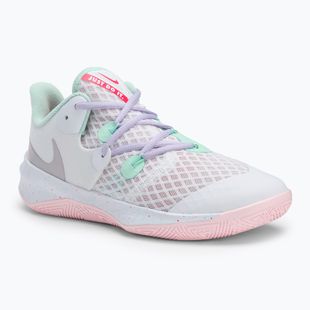 Nike Zoom Hyperspeed Court SE volleyball shoes white/mint foam/grey/violet mist/pink foam€65.99Recommended retail price: €109.99
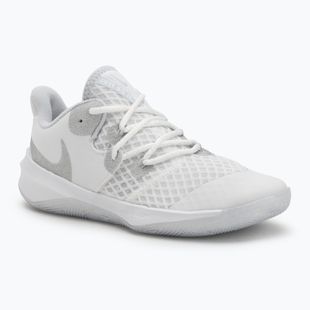 Extra -5% with the code CLUBShoes Nike Zoom Hyperspeed Court SE smmit white/metalic silver/pure platinum€69.99€66.49Lowest price: €63.64
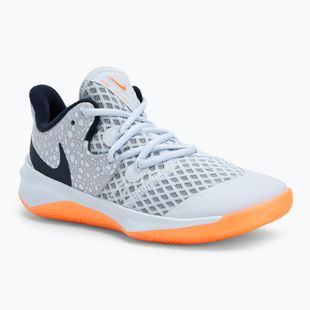 Extra -5% with the code CLUBNike Zoom Hyperspeed Court SE volleyball shoes multi colour/multi colour€65.99€62.69Lowest price: €65.99
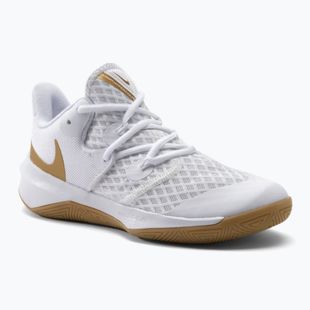 Nike Zoom Hyperspeed Court volleyball shoes white SE DJ4476-170€65.99Recommended retail price: €109.99
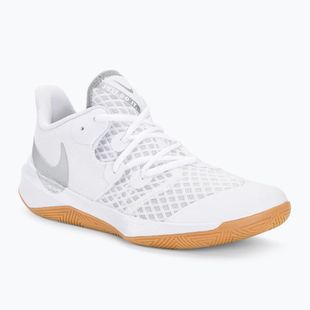 Nike Zoom Hyperspeed Court volleyball shoes SE white/metallic silver rubber€62.99Recommended retail price: €97.99
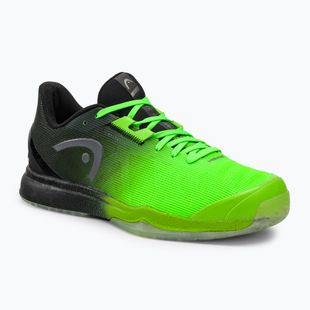 HEAD men's tennis shoes Sprint Pro 3.5 Indoor green/black 273812€79.99Recommended retail price: €129.99
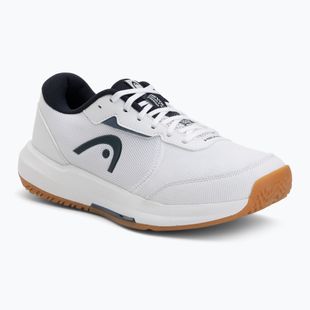 Men's tennis shoes HEAD Revolt Court 5.0 Indoor white/blueberry€65.99Recommended retail price: €83.99
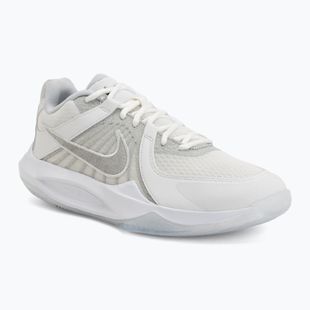 New Extra -5% with the code CLUBShoes Nike Hyperspeed Court 2 SE GLT coconout milk/diffsed blue/hydrogen blue€119.99€113.99Lowest price: €101.99
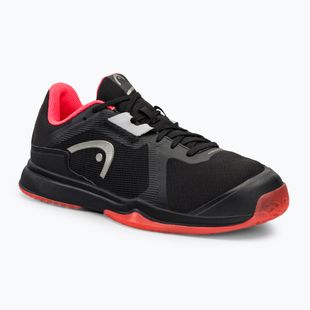 HEAD men's tennis shoes Sprint Team 3.5 Indoor black 273822€59.99Recommended retail price: €109.99


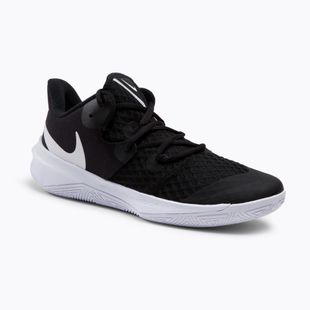


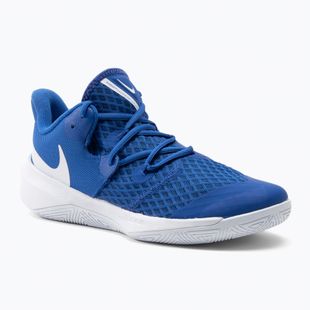
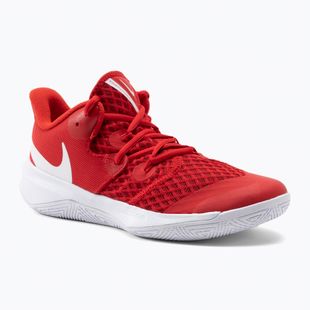
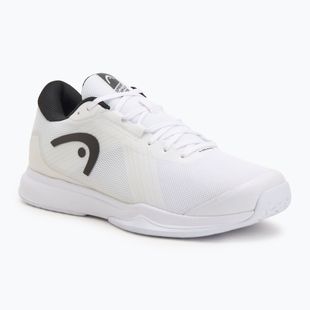


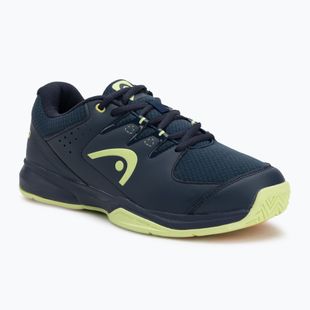


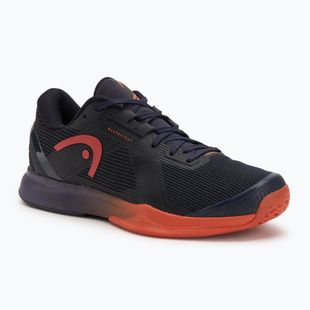
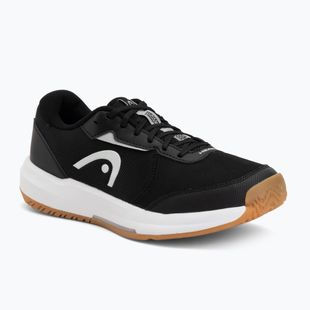


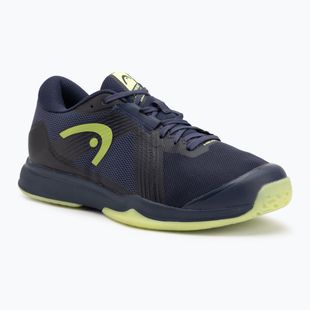
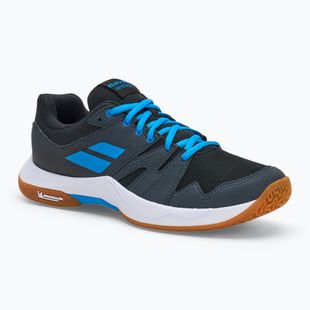
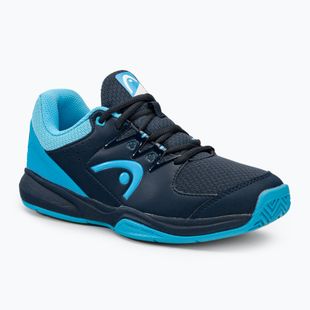
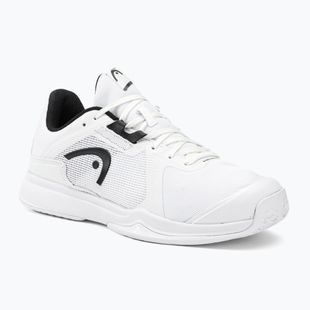

Shoes
Squash shoes - irreplaceable durability and comfort in the Sportano shopThe game of squash is a dynamic and demanding activity in which footwear plays a key role. Good shoes not only provide optimal grip on the court, but also protect feet and joints from injury. Choosing the right footwear can have a significant impact on the quality of play and comfort during a match.
At Sportano you will find professional squash shoes from renowned brands such as ASICS and HEAD.Construction and technology: the specifics of squash shoesSquash shoes have been designed to meet the specific needs of players who move dynamically around the courts, often making rapid changes of direction and pace. For this reason, these shoes differ from traditional sports shoes in several key aspects.
The sole is one of the most important components of a squash shoe. It needs to be flexible yet durable to withstand the pressure during play. A rubber sole provides excellent grip on smooth court surfaces, minimising the risk of slips. Many models have non-marking rubber soles, which is required on many courts to avoid damaging the surface.
The upper of the shoe is usually made of breathable materials that help wick away moisture, keeping you fresh and comfortable. Appropriate upper construction and support systems, such as reinforced zones around the ankle, provide stability and protection during play.
The inside of the shoe often incorporates cushioning technologies to help distribute pressure and reduce shock during play. These cushioning systems, such as gel or foam insoles, help to protect the player's joints and ankles from injury.
Last, but not least, is durability. Due to the dynamic nature of the squash game, shoes are subjected to a lot of wear and tear. For this reason, many models feature reinforcements in the toe and heel area.Friction and grip: the importance of the right soleSquash is a game with dynamic movements, sudden changes of direction and requires players to be fast and precise. In this context, the sole of the shoe becomes one of the most important pieces of equipment for any player. Grip and friction determine the safety and effectiveness of movements on the court.
Adequate grip minimises the risk of slipping, which is crucial, especially when the court is wet or when there are traces of sweat on the ground. Slipping during intense play can lead to injury, so shoes must offer excellent grip in all conditions. At the same time, excessive grip can cause unnatural twisting and overloading, which also increases the risk of injury.
Friction, in turn, is closely related to grip. Adequate friction allows the player to glide across the court surface in a controlled manner, a technique used to achieve faster movements without losing balance. A high level of friction helps to maintain control of movements, even during sudden changes of direction.
The choice of sole material is crucial. The most common material used in squash shoes is rubber, which provides excellent grip. Many manufacturers offer non-marking rubber soles, which is required on some courts.
It is equally important to check the condition of the sole regularly. As the shoe wears down, the grip can decrease, increasing the risk of slipping. It is therefore advisable to regularly replace the shoes or, in the case of some models, the soles themselves.Ventilation and stability: breathable materials and
joint protectionThe game of squash is intense and requires players to exert a lot of physical effort, which leads to sweat. Proper shoe ventilation is crucial to keep feet fresh and comfortable throughout the game. The stability of the footwear, on the other hand, plays an important role in injury prevention and ensures that every movement is executed with precision.
Breathable materials, such as mesh or special fabric technologies, allow moisture to be effectively wicked away from the shoe. This keeps the feet dry, reducing the risk of chafing, blisters and other irritations. Dry feet also mean less risk of slipping inside the shoe, which can lead to loss of balance or uncontrolled movements.
Shoe stability is an aspect that provides support and joint protection. In squash, where rapid changes of direction and dynamic movements are the order of the day, it is important that the feet are well secured in the shoes. Robust upper construction, lacing systems or additional stiffening in strategic areas are all elements that contribute to better stabilisation of the foot.
Joint protection is an integral part of footwear stability. The cushioning provided by the soles absorbs shocks when landing after a jump or during quick changes of direction. This protects the joints, especially at the ankle and knee, from excessive strain.
In addition, the anatomically shaped insole can further support the foot and distribute pressure evenly over the entire foot surface. This not only improves wearing comfort, but also protects the feet from overload.
Finally, it is worth remembering that every player has individual needs. Therefore, the choice of shoes that provide adequate ventilation and stability should be tailored to personal preferences and playing characteristics. Good shoes are an investment in health, comfort and ultimately success on the court.
Collapse the description