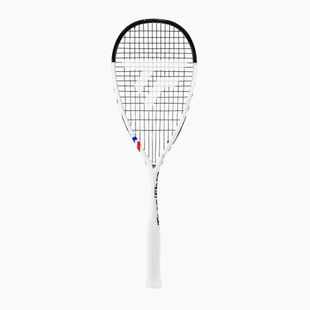
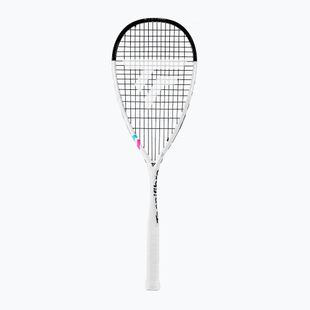
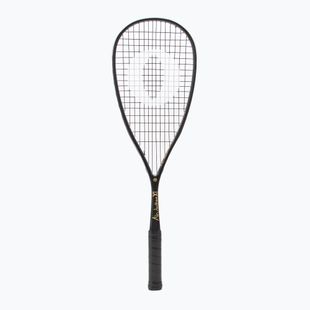
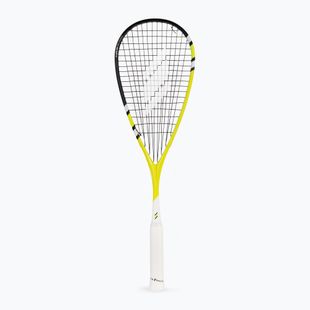
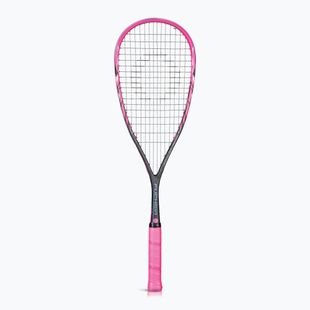
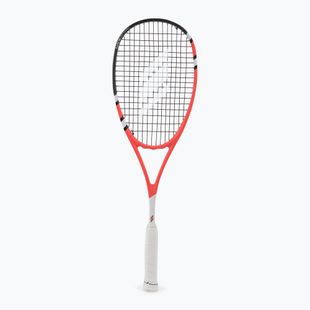
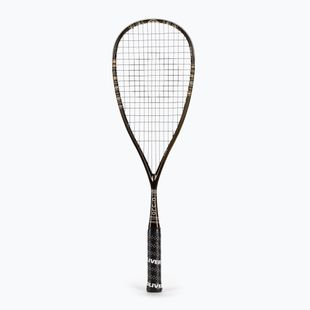
- Extra -5% with the code BACKDunlop Force Lite TI squash racket yellow 773194€35.99€34.19Lowest price: €28.99
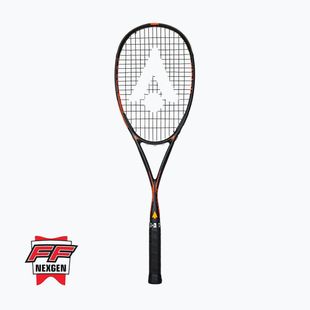
- Extra -10% with the code BACKSquash racket Karakal SN-90 FF 2.1 white€169.99€152.99Lowest price: €116.99
- Extra -10% with the code BACKRakieta do squasha Karakal Raw Pro 2.2 black/blue€189.99€170.99Lowest price: €127.49
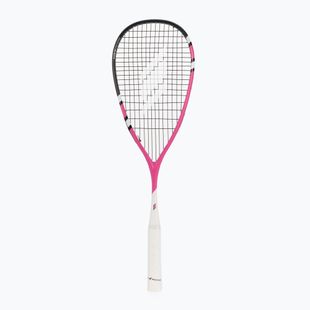
- Extra -10% with the code BACKSquash racket Eye V.Lite 110 SS pink/white€109.99€98.99Lowest price: €93.49
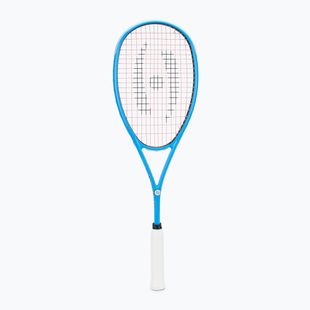
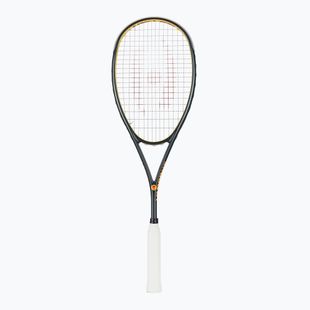
- Extra -10% with the code BACKSquash racket Harrow Vapor 110 yellow/navy/red€209.99€188.99Lowest price: €167.99
- Extra -10% with the code BACKSquash racket HEAD Speed 135 2025€159.99€143.99Lowest price: €169.99
- Extra -10% with the code BACKSquash racket HEAD Extreme 120 2025€129.99€116.99Lowest price: €97.49
- Dunlop Sonic Core Revelation 125 sq. squash racket black 10616318€109.99Recommended retail price: €129.99
- Extra -10% with the code BACKWilson Hyper Hammer 145 orange/grey squash racket€79.99€71.99Lowest price: €75.99
- Extra -10% with the code BACKHEAD Cyber Elite 2024 squash racket€49.99€44.99Lowest price: €37.49
- Extra -10% with the code BACKSquash racket Eye X.Lite 110 SS J. Barrington white€149.99€134.99Lowest price: €127.49
- Extra -10% with the code BACKWilson Sq Blade Team squash racket black WR042810H€66.99€60.29Lowest price: €66.99
- Harrow Vapor 115 Raneem El Welily Signature white/lime squash racket€159.99Recommended retail price: €209.99
- Extra -10% with the code BACKSquash racket Eye V.Lite 125 SS purple/white€95.99€86.39Lowest price: €81.59
- Extra -10% with the code BACKWilson Pro Staff Team black squash racket€69.99€62.99Lowest price: €66.49
- Extra -10% with the code BACKWilson Sq Ultra Team squash racket black WR072610H€64.99€58.49Lowest price: €64.99
- Extra -10% with the code BACKSquash racket Karakal Air Speed 2.1 white€119.99€107.99Lowest price: €101.99
- Extra -10% with the code BACKSquash racket Oliver Apex 320 CE€139.99€125.99Lowest price: €118.99
- Extra -15% with the code BACKWilson Hyper Hammer 120 blue/white squash racket€109.99€93.49Lowest price: €101.99
- Extra -15% with the code BACKSquash racket Eye V.Lite 115 SS purple/white€109.99€93.49Lowest price: €87.99
- Extra -20% with the code BACKDunlop Sq Force Ti squash racket black-orange 773195€29.99€23.99Lowest price: €23.99
- Extra -15% with the code BACKDunlop squash racket Dunlop FX 115€119.99€101.99Lowest price: €95.99
Squash rackets matched to playing style and skill level
Squash rackets vary in weight, balance, head size and frame stiffness, so their selection should be based on the player’s experience and style of play. The right squash racket makes it easier to prepare the swing quickly, control ball direction and maintain stability on harder shots. Beginners usually need a design that offers a large sweet spot and predictable handling, while more experienced players may look for lower weight, a specific balance or greater ball feel. squash rackets from Dunlop include models with diverse characteristics, so a Dunlop squash racket should be compared by the specifications of the particular design. Important factors include frame weight, string pattern, head shape, handle length, balance and the condition of the factory stringing. You should also choose appropriate squash balls for training, whose behavior depends on their intended use and temperature. Squash rackets should not be selected solely based on appearance or brand. More important are the comfort of the grip, maneuverability and fit with the player’s technique. A well-chosen Dunlop squash racket or a model from another manufacturer helps develop accuracy, rhythm and control during the fast-paced play that squash rackets are known for.
Squash rackets for beginners – weight, balance and head size
Squash rackets for beginners should provide a combination of easy maneuverability and sufficient stability at ball contact. A beginner’s squash racket does not necessarily need to be the lightest model available, since very low weight can demand more precise technique and a more active swing. A moderate weight is often a good solution, allowing the player to feel the frame movement without overloading the hand. Racket balance is also important. A design with weight shifted toward the head can support shot power, while a balance closer to the handle facilitates quick positioning in short rallies. A beginner’s squash racket should primarily provide a predictable response and allow an easy full swing.
Squash rackets with a larger head can offer a more forgiving sweet spot, which helps when learning to make consistent contact with the ball. However, the largest available surface is not always the best choice. Frame profile, mass distribution and string pattern also matter. Models from Wilson can be evaluated for designs intended for recreation, learning and regular play. A Wilson squash racket should fit well in the hand, not twist on off-center hits and allow quick preparation for the next shot. When choosing, check the factory grip, handle thickness and the ability to adjust the grip size. A grip that is too thick restricts finger movement, while one that is too thin may force excessive squeezing. Useful additions are squash accessories that help complete the equipment needed on court.
Beginner squash rackets should also be chosen according to training frequency. A person who plays occasionally may prefer a simple, durable model, while a player training several times a week will notice differences in ball feel, stability and grip comfort more quickly. A Wilson squash racket may come in several weight and balance variants, so the brand name does not replace analysis of the specifications. Likewise, a beginner’s squash racket should be tested with controlled swings if possible. Check whether the wrist is not overloaded, the head does not drop excessively, and the frame allows smooth movement. Properly fitted squash rackets support developing correct technique without having to compensate for inappropriate weight or grip thickness. A combination of a forgiving head, moderate balance and a comfortable handle lets squash rackets progressively increase the game’s tempo.
HEAD squash rackets – frame, stringing and shot control
Squash rackets should be assessed as a combination of frame, stringing and handle, since each element affects the racket’s behavior during play. The frame should provide appropriate stiffness, stability and durability suited to the intensity of use. Many models use composite materials that reduce weight and shape flex characteristics, but properties depend on the specific design. A HEAD squash racket can be designed for speed, power or control, so check the balance, head size and claimed weight. The range from HEAD allows comparing models for players with different preferences. squash rackets with similar weights may behave differently if one has head-heavy balance and the other is balanced closer to the handle.
Squash rackets are delivered with factory stringing or may require stringing to suit the desired playing characteristics. Ball behavior is influenced by the type of string, string gauge, tension and string pattern. Lower tension can increase the trampoline effect of the hitting surface, while higher tension usually provides a more direct feel but demands more precise hitting. Always respect the tension range recommended for the frame. A HEAD squash racket should not be strung arbitrarily, as excessive tension can stress the structure. The right squash strings should be chosen considering the player’s level, playing frequency and expected durability. A worn string can lose tension, slip and worsen shot repeatability.
Squash rackets also require proper grip fitting. The handle should allow secure control without forcing a strong squeeze. Excessive hand tension limits wrist freedom and can hinder quick swing preparation. A dry grip surface, stable finger placement and appropriate overgrip thickness help control racket head direction. A HEAD squash racket used regularly should be inspected for bumper cracks, frame damage and the condition of grommets protecting the strings. Also important are even string tension, no sharp edges and a secure finish to the overgrip. Well-maintained squash rackets preserve a predictable response during short shots, powerful wall rebounds and play in the corners. A properly configured HEAD squash racket allows deliberate development of the control and dynamics required from squash rackets.
Karakal and Dunlop squash rackets – suited to dynamic play
Squash rackets for players who play fast should facilitate maneuvering in tight spaces and quick transitions from defense to attack. A construction with balance closer to the handle can support lightning-fast head preparation, while a model with more weight in the head is chosen by players seeking extra shot power. A Karakal squash racket should match the player’s strength, swing tempo and ball-handling style. Models from Karakal are worth comparing in terms of unstrung weight, balance, frame profile and handle construction. Very lightweight squash rackets enable quick reactions but may provide a less stable feel on off-center hits. A Karakal squash racket should therefore suit not only the preferred weight but also the user’s technical quality.
Heavily used squash rackets require regular inspection of the grip. A damp or smoothed surface reduces grip security and can cause the handle to twist during the swing. Replaceable squash overgrips let you adjust thickness, softness and tackiness to the player’s hand. A Dunlop squash racket, a Karakal squash racket and models from other manufacturers may have a similar factory handle size, but adding an overgrip changes the perceived thickness. Keep overlapping even and avoid folds that create pressure points. A secure grip, a relaxed hand between shots and the ability to quickly reorient the racket are important.
Wilson, HEAD, Dunlop and Karakal squash rackets should be stored to minimize the risk of impacts, deformation and prolonged exposure to high temperatures. A Wilson squash racket should not be left under heavy luggage, and a HEAD squash racket needs protection for the strings from sharp objects. Likewise, a Dunlop squash racket and a Karakal squash racket should be dried after training, especially around the handle. Regularly check the frame condition, string grommets, overgrip wear, string tension and any damage from wall contact. Squash rackets should not be used after a crack is noticed that could weaken the structure. Choose equipment based on your real playing style: a player focused on precision may prefer a more stable frame, while a pace-oriented player may favor a lighter, easy-to-handle model. Squash rackets matched to technique, strength and training frequency help develop consistency without overloading the hand. A careful combination of weight, balance, stringing and grip helps find racket that remains predictable during every rally, so it’s worth comparing squash rackets carefully.