


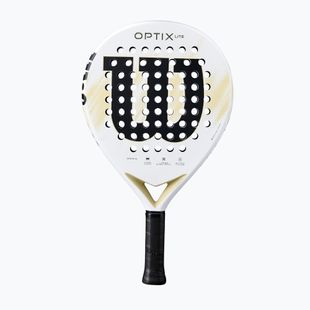
 Extra -15% with the code SPORTPadel racket Wilson Optix V2 Lite white€88.99€75.64Lowest price: €88.99
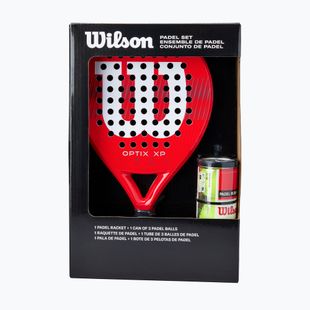 Extra -5% with the code SPORTPadel racket + 3 balls Wilson Optix XP Padel Kit Box red€109.99€104.49Lowest price: €86.39
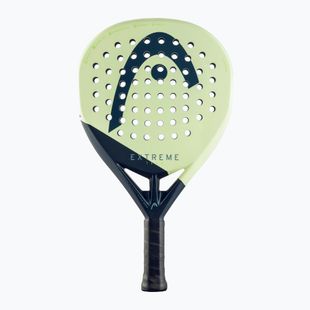 Padel racket HEAD Extreme Team 2025€139.99 -13%Lowest price: €159.99Recommended retail price: €199.99
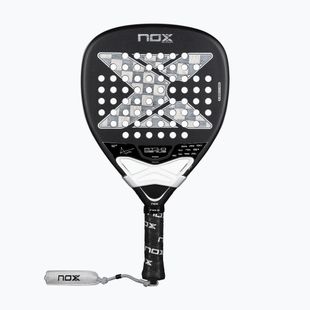 Padel racket NOX AT10 Genius Attack 18K Alum By Agustin Tapia€319.99Recommended retail price: €359.99
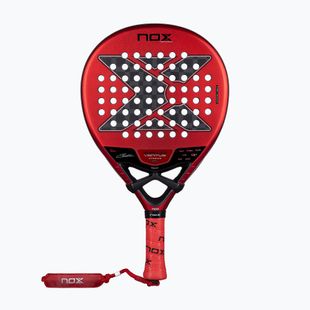 Padel racket NOX EA10 Ventus Hybrid 12K Xtreme By Edu Alonso€299.99Recommended retail price: €339.99
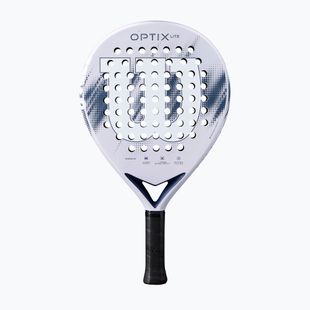 Padel racket Wilson Optix V2 Lite lilac€79.99 -13%Lowest price: €92.14Recommended retail price: €99.99
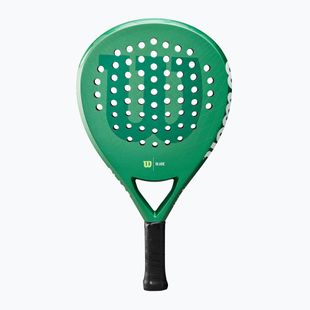 Padel racket Wilson Blade LS V3€149.99 -12%Lowest price: €169.99Recommended retail price: €159.99
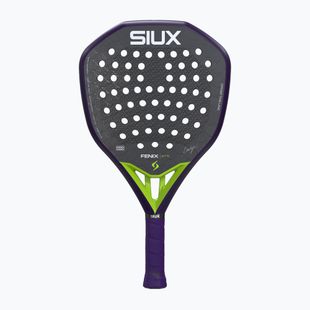 New Extra -25% with the code SPORTPadel racket SIUX Fenix Pro glowpurple€309.99€232.49Lowest price: €239.99
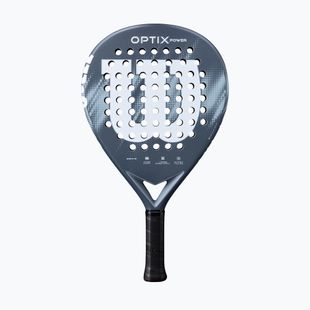
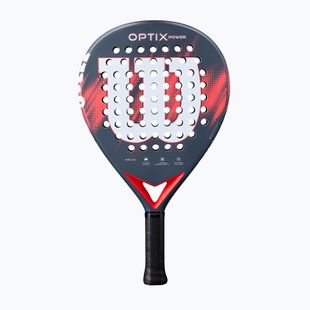 Padel racket Wilson Optix V2 Power red€82.99 -16%Lowest price: €98.99Recommended retail price: €129.99
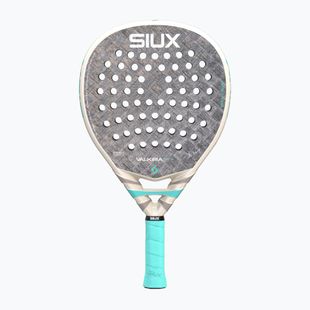 New Extra -25% with the code SPORTPadel racket SIUX Valkiria Pro white€309.99€232.49Lowest price: €239.99
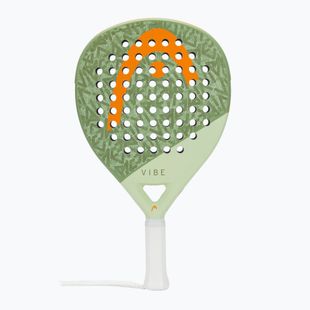 Extra -5% with the code SPORTPadel racket HEAD Vibe 2026 green/orange€89.99€85.49Lowest price: €80.99
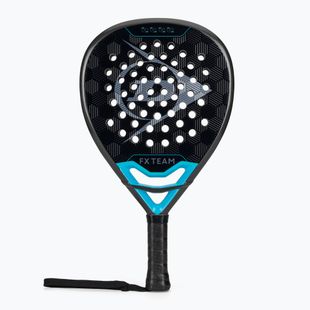
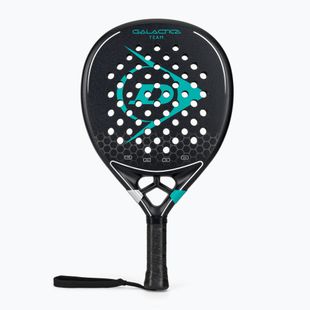 Extra -5% with the code SPORTPadel racket Dunlop Galactica Team€149.99€142.49Lowest price: €119.99
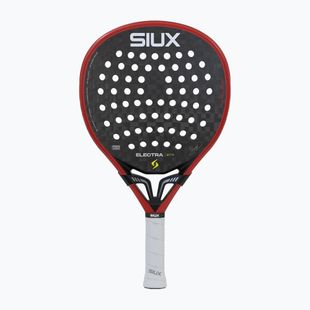 New Extra -25% with the code SPORTPadel racket SIUX Electra Pro fire red€309.99€232.49Lowest price: €239.99
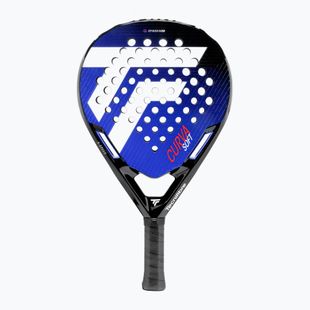
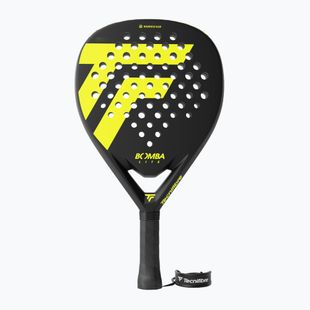 Padel racket Tecnifibre Bomba Lite€109.99 -17%Lowest price: €132.99Recommended retail price: €179.99
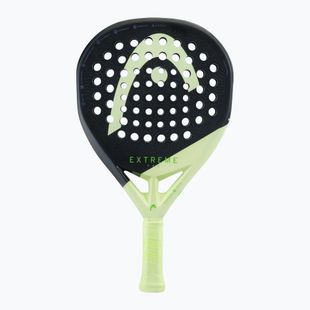 New Extra -5% with the code SPORTPadel racket HEAD Extreme Pro 2026€249.99€237.49Lowest price: €237.49
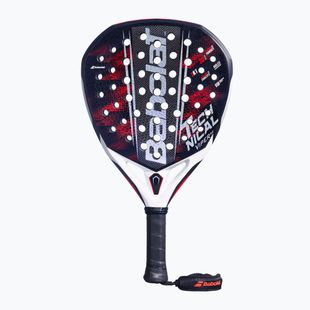 New Extra -5% with the code SPORTPadel racket Babolat Technical Viper 3.0€329.99€313.49Lowest price: €329.99
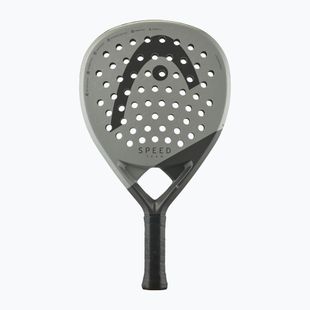 Extra -5% with the code SPORTPadel racket HEAD Speed Team 2025€169.99€161.49Lowest price: €127.99
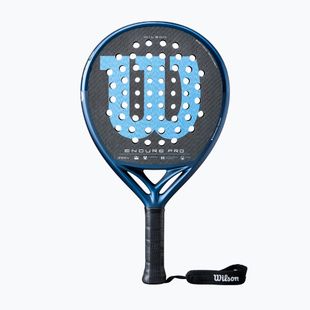 Padel racket Wilson Endure Pro V1 blue/black€209.99 -16%Lowest price: €249.99Recommended retail price: €319.99
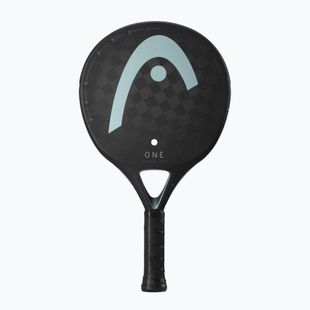 Extra -10% with the code SPORTPadel racket HEAD One Ultralight black€189.99€170.99Lowest price: €135.99
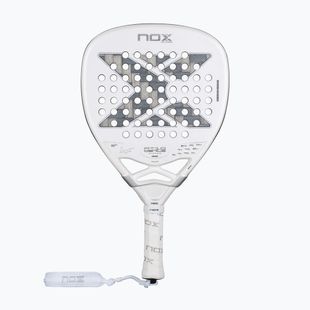 Extra -5% with the code SPORTPadel racket NOX AT10 Genius Attack 12K Alum Xtrem By Agustin Tapia€329.99€313.49Lowest price: €271.99
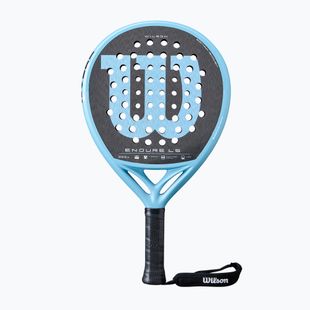 Padel racket Wilson Endure LS V1 blue/black€139.99 -18%Lowest price: €169.99Recommended retail price: €219.99
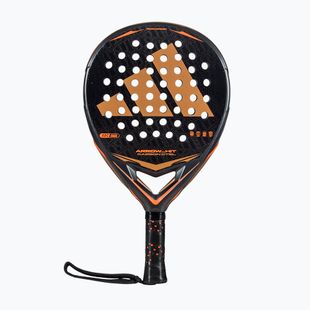 Padel racket adidas Arrow Hit Carbon CTRL anthracite/orange€209.99Recommended retail price: €279.99
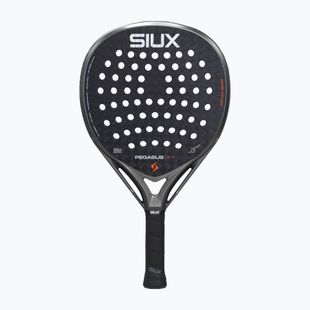 New Extra -25% with the code SPORTPadel racket SIUX Pegasus Pro storm grey€309.99€232.49Lowest price: €239.99
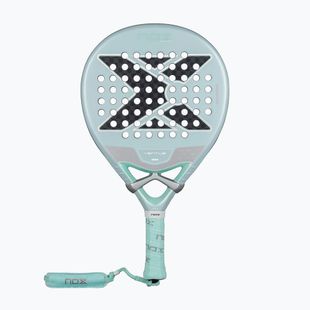
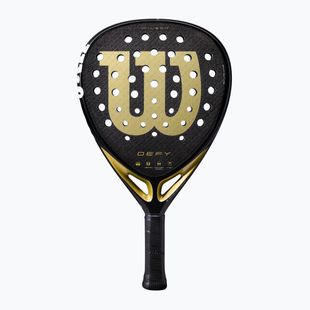
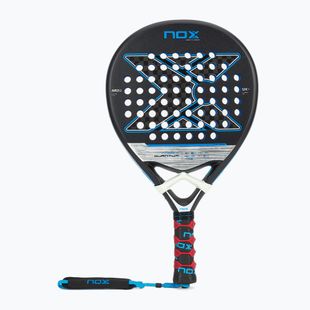
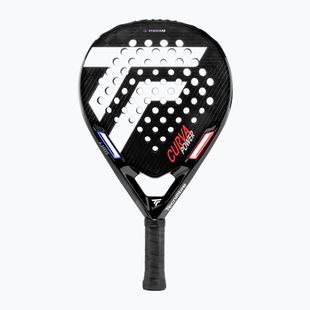
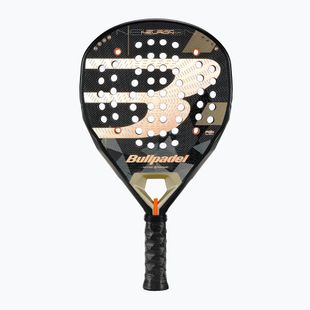
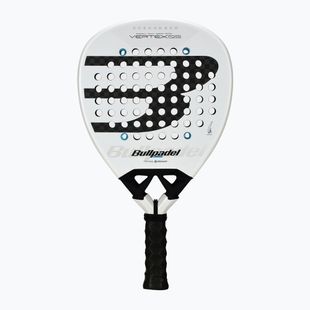
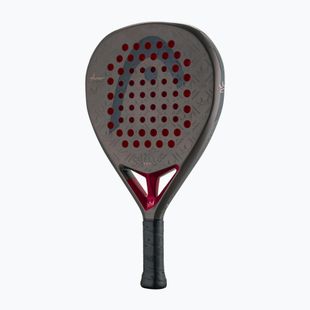
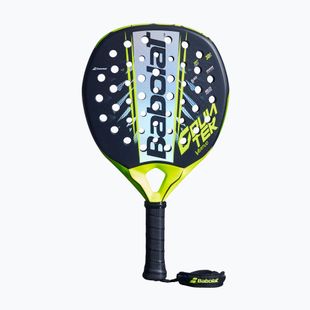
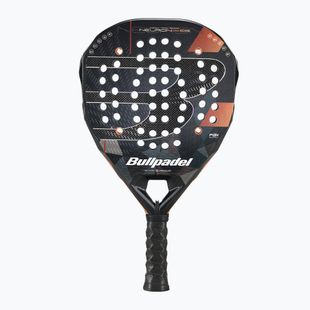
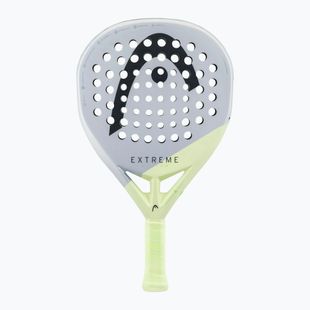
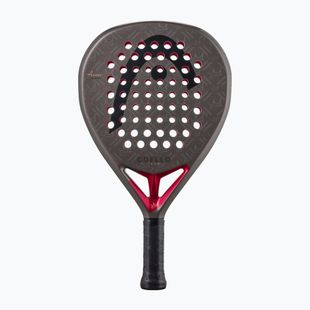
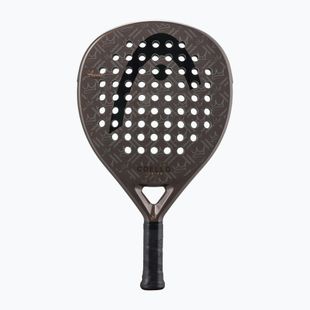
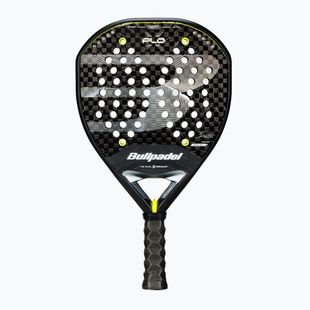
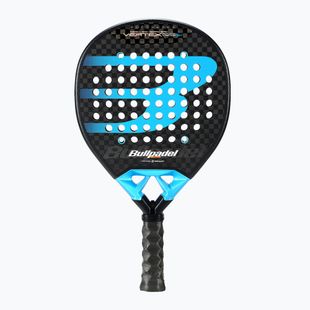
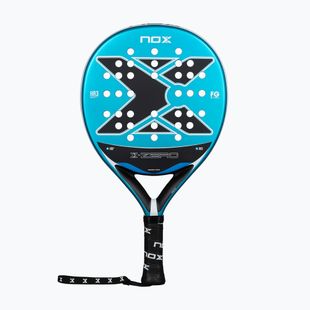
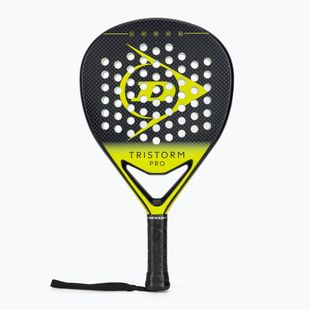
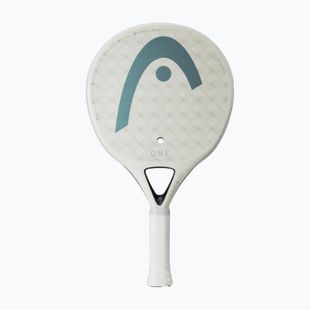
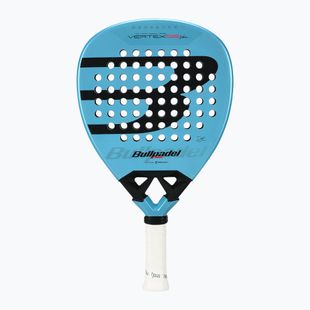
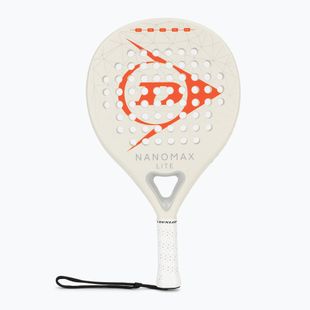
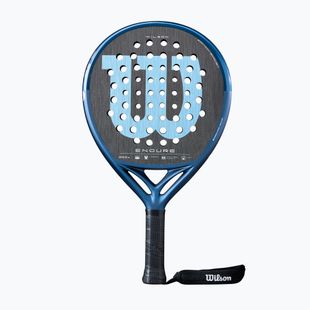
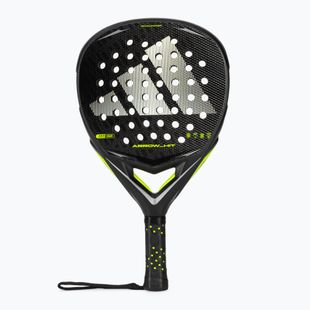
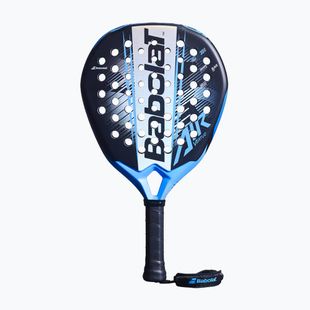
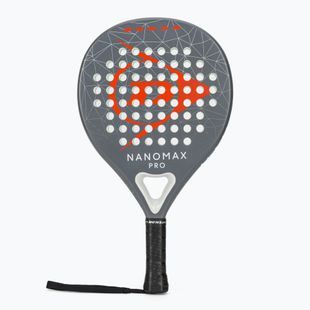
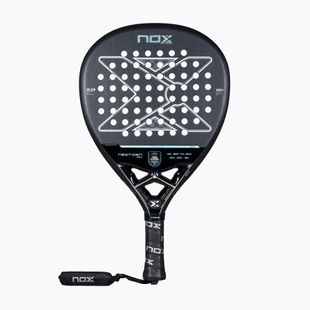
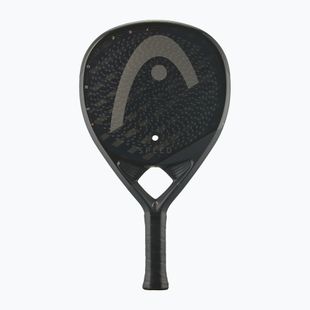
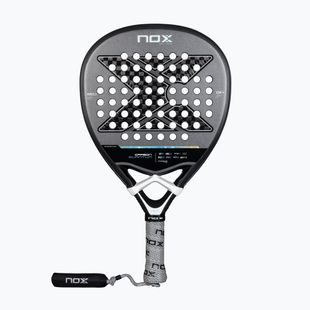
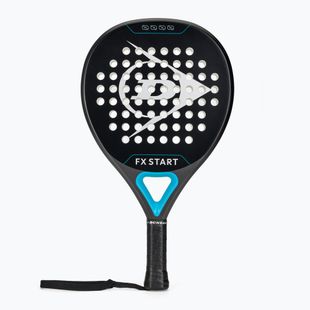
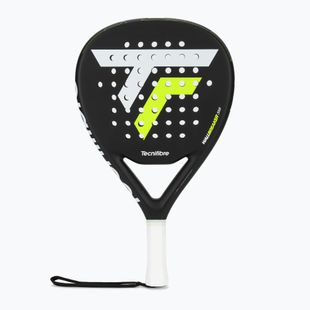
Padel rackets – how to choose equipment for your playing style and skill level?
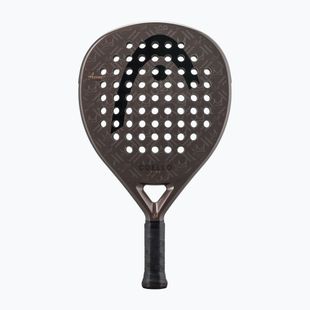
Padel rackets differ in shape, balance, weight and the nature of the materials used, so the choice should take into account the player's experience and preferred style of play. For beginners, particularly important are easy shot control, a large sweet spot and comfort during longer play. More experienced players may pay more attention to power generation, precision on fast shots and the racket's behavior when playing at the net. A padel racket can be round, teardrop or diamond-shaped, and the head geometry affects, among other things, mass distribution and the racket's handling characteristics. Rackets with a more central balance are usually easier to control, while designs with weight shifted toward the head may suit players focused on offensive shots. Among models aimed at players with varied needs are products from the brand HEAD. A HEAD padel racket should be selected based on the specific parameters of the model, such as weight, balance, head shape, surface stiffness and the nature of the core. When assembling equipment, padel accessories that make it easier to prepare gear for regular play are also useful. Padel rackets should be compared not only visually but, above all, by the parameters that affect handling and comfort, because a well-matched racket allows a player to make better use of their technique. Ultimately, skill level, playing style and individual preferences should determine the choice of padel racket.
Padel rackets: head shape, balance and weight – key parameters
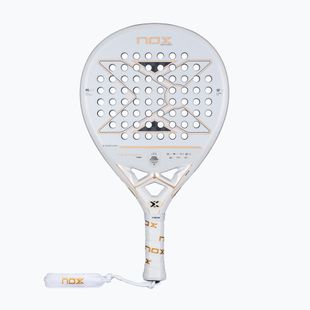
Padel rackets can be categorized, among other things, by head shape, and each variant distributes the trade-off between control and offensive potential differently. A round-shaped racket usually has the sweet spot located closer to the center and often suits players who expect easy handling. The teardrop-shaped design is a more intermediate solution, while a diamond-shaped racket is often chosen by advanced players who prefer a more aggressive game and greater involvement of the head in the shot. However, padel rackets should be assessed holistically, because shape alone does not determine how the racket feels in play. Equally important is the racket's balance. A lower center of gravity can make maneuvering easier, while a higher balance increases the perceived weight of the head during the swing. A padel racket should also have a weight that corresponds to the user's strength, technique and abilities. Lighter constructions typically provide greater ease of maneuvering, while heavier ones can offer greater stability on ball contact, provided the player can handle them comfortably. In the NOX range you can find equipment intended for users with varying levels of experience, so the specification of a particular model should be analyzed before purchase.
Padel rackets also differ in the construction of the hitting surface and the core, which affects ball feel, elasticity and the racket's response characteristics. Carbon fiber, fiberglass or a combination of materials can be significant, although the real properties depend on the entire construction, not just a single component. A softer surface or core can favor comfortable rebounds, while stiffer solutions are often chosen by players who expect a more direct feel on harder shots. A HEAD padel racket can come in various configurations of these parameters, so two constructions from the same brand may not behave similarly. A HEAD padel racket intended for a player developing technique may have different design assumptions than a model aimed at an advanced player. Regular training also requires appropriate padel balls, since proper training equipment helps preserve the characteristic play of the discipline. When buying, it's also good to check the grip thickness, handle length, surface finish and the presence of manufacturer-provided wrist protection. Padel rackets should sit securely in the hand and allow quick reactions at volleys, defending at the glass and transitioning to attack. Therefore, instead of choosing a model solely by appearance, it's better to compare weight, balance, shape and construction to consciously select padel rackets.
Padel rackets for beginners and advanced players – control or offensive characteristics?
Padel rackets for beginners should primarily make it easier to learn consistent ball contact and not require excessive strength when swinging. A beginner player usually benefits from a large sweet spot, easy maneuverability, moderate weight and a construction that provides comfort on imperfect hits. A padel racket with such properties helps to focus on positioning, footwork and control of shot direction instead of fighting with overly demanding equipment. Rackets chosen for the first months of training do not need to offer maximum offensive potential. More important are predictable response, stability on calmer shots and the ability to easily handle the racket near the net. Among racket sports manufacturers is Wilson, whose individual models should also be compared in terms of parameters rather than price alone. Those starting regular training will also benefit from padel shoes, whose sole and construction are adapted to the specifics of movement on the court.
Padel rackets for more experienced players can be selected much more precisely for a role and style of play. A player who frequently attacks at the net may seek greater stability on the volley and a construction that supports stronger smashes, while a player who patiently builds points from the backcourt may prefer better directional control and easier tempo changes. A padel racket with balance shifted toward the head can increase perceived inertia during the swing, but it requires more skillful handling. A model with a lower balance provides faster racket response in dynamic situations. Rackets for advanced players should also be analyzed in terms of construction stiffness, surface structure, core characteristics and tolerance to off-center hits. There is no one configuration suitable for everyone, as players differ in strength, technique, frequency of play and point-building strategies. Equipment should also fit comfortably in carry gear, so for frequent trips to the court pads bags and backpacks for padel are useful. A padel racket should remain comfortable to handle after a few games, and not cause excessive forearm fatigue resulting from poorly chosen weight or balance. Consciously combining skill level, playing style and construction parameters allows selecting padel rackets that meet the player's real needs.
Padel rackets for regular play – materials, grip and care
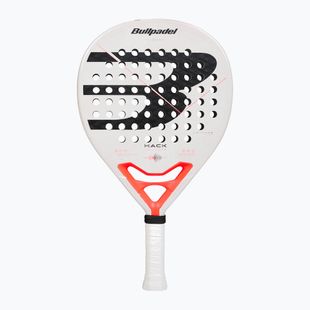
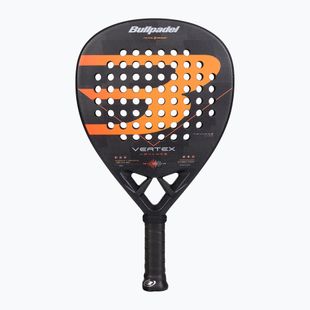
Padel rackets used several times a week should be chosen taking into account not only on-court performance but also long-term comfort and build quality. A secure grip of the handle becomes particularly important, since a padel racket is repeatedly rotated and positioned at different angles during fast exchanges. Grip thickness can be adjusted to some extent with an overgrip, but the base handle should already fit comfortably in the hand. It's worth checking rackets for the condition of the base grip, frame edges and hitting surface, especially after accidental contact with the wall or the ground. Structural damage should not be ignored, as it can affect the durability and behavior of the equipment. Among brands specializing in padel is Bullpadel, whose models may differ in intended use, balance and materials used. A padel racket should be stored to minimize unnecessary exposure to high temperature, moisture and mechanical damage during transport.
Padel rackets retain their playing characteristics best when the player regularly checks their condition and does not treat the equipment's parameters as unchanging throughout its service life. Intensive play can lead to gradual wear of the overgrip, surface and protective elements, so regular grip checks and quick replacement of worn accessories are useful. A frequently used padel racket should also be protected during transport together with shoes, balls and other equipment. Important considerations include frame edge protection, dry storage space and avoiding conditions that are extremely harmful to construction materials. Padel rackets can have a smooth or more textured surface, but texture alone does not determine the quality of a model – it should be analyzed together with balance, weight, shape and the stiffness of the whole construction. A HEAD padel racket, like models from other manufacturers, should be evaluated in the context of the player's level and expectations regarding control, dynamics and maneuverability. A HEAD padel racket suitable for one player may not suit someone with a different swing style or balance preferences. That is why it's advisable to compare the specifications of several models rather than assume a particular series will automatically be the right choice. When buying consciously, grip comfort, ease of handling, stability on impact, an appropriate hitting surface and parameters matching the actual level of play matter. This approach allows choosing equipment that will support technical development and remain comfortable during regular training, which is precisely what well-matched padel rackets should do.