


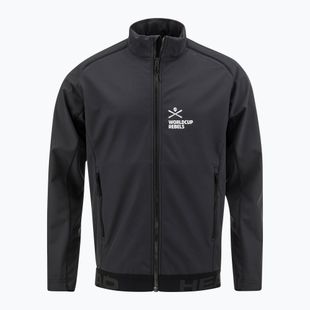
 Extra -30% with the code CLUBHEAD men's softshell jacket Race Softshell black€269.99€188.99Lowest price: €169.99
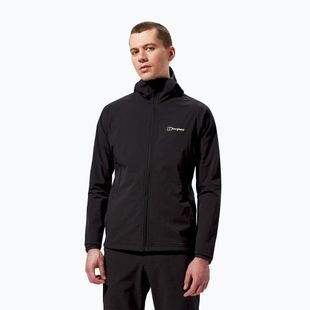 Extra -30% with the code CLUB
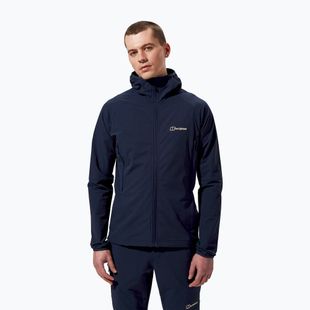 Extra -30% with the code CLUB
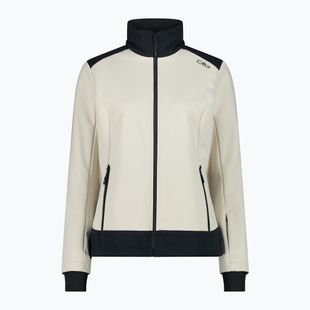 Extra -30% with the code CLUB
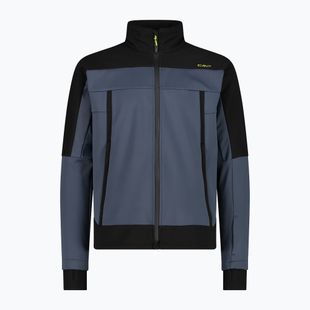 Extra -30% with the code CLUBMen's CMP softshell jacket 34A1857 titanio€139.99€97.99Lowest price: €69.99
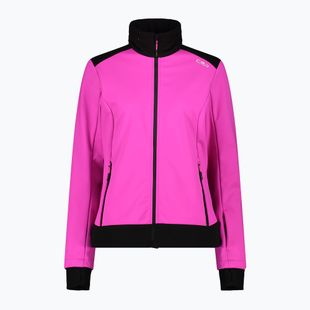 Extra -30% with the code CLUB
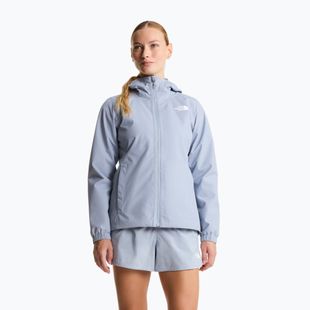 Women's softshell jacket The North Face Quest Mono frost grey€83.99Recommended retail price: €129.99
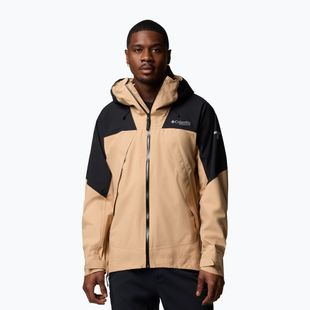 Extra -30% with the code CLUBMen's softshell jacket Columbia Northwest Explorer 3L Shell canone/black€259.99€181.99Lowest price: €149.99
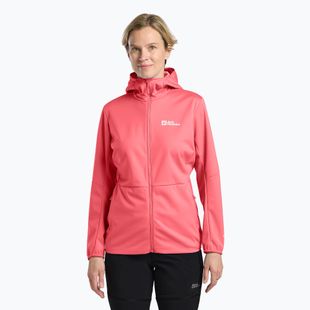 Extra -30% with the code CLUBWomen's softshell jacket Jack Wolfskin Feldberg Hoody sunset coral€129.99€90.99Lowest price: €73.09
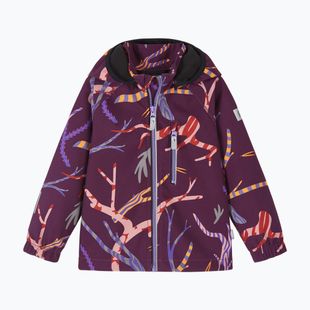 New Extra -25% with the code CLUB
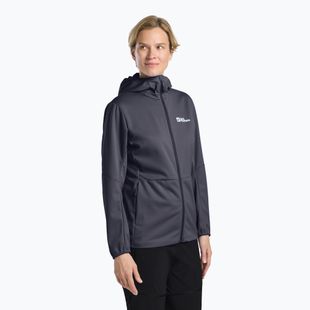 Extra -30% with the code CLUB
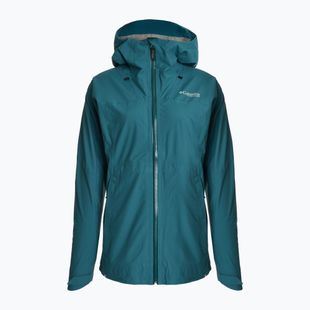 Extra -30% with the code CLUBColumbia Northwest Explorer 3L Shell river blue women's softshell jacket€259.99€181.99Lowest price: €139.99


Softshell jackets – a functional layer for trekking and outdoor activities
Softshell jackets are designed primarily for activities where freedom of movement, wind protection and efficient heat release matter. Their construction works well for trekking, hiking, everyday walks and other forms of outdoor activity, especially in weather without heavy precipitation. Softshell jackets can differ in fabric thickness, degree of stretch and protection against the elements, so a specific model should be chosen according to the season and intensity of effort. When buying, breathability of the fabric, elastic construction, hood fit, adjustable cuffs, pocket placement and a cut that does not restrict movement are important. Models from The North Face can be considered when assembling clothing for mountain trips and active tourism. Women's softshell and men's softshell should allow comfortable use of an additional layer underneath while not creating excessive bulk that hinders movement. In wetter conditions, a functional complement is rain jackets, because a classic softshell does not always replace fully waterproof outerwear. A women's softshell jacket and a men's softshell jacket should match real usage conditions, as should a children's softshell jacket for younger activity enthusiasts. The combination of protection against cool air, thermal comfort and mobility makes softshell jackets a practical part of outdoor clothing.
Women's and men's softshell jackets – fit and activity-specific tailoring
Softshell jackets should move well with the body, so the cut is one of the most important selection criteria for both women's and men's models. Women's softshell jackets are designed with female body proportions in mind, but even within a single category individual cuts can vary in torso width, sleeve length or degree of fit. A women's softshell should provide free shoulder movement, comfort across the shoulders and enough room for a base layer or a light fleece. A women's softshell used during trekking must not ride up excessively when raising the arms or restrict movement when using poles. Shaped sleeves, an adjustable hem, a well-fitting hood, zippers easy to operate and pockets located where they remain accessible while wearing a backpack are useful. Women's softshell jackets can be paired with softshell pants, creating an outfit intended for movement in windy and cooler conditions. Among outdoor apparel manufacturers is Columbia, whose specific models are worth comparing by parameters, cut and seasonal purpose. Choose women's softshell jackets primarily according to the activity and individual layering habits, not just appearance.
Men's softshell jackets follow similar rules, although construction proportions can differ. Men's softshell jackets should provide adequate chest width, freedom across the shoulders and a length that keeps the back covered when bending or working with a backpack. A men's softshell may have a more athletic, fitted cut or a looser design intended for tourism and everyday use. A men's softshell used on strenuous ascents should allow efficient heat dissipation, so breathable fabric, ventilation features where present, and the ability to adjust protection level matter. Men's softshell jackets do not need to be very thick to perform well during activity – it is more important to match the level of protection to temperature, wind and walking pace. A men's softshell jacket can be worn over a trekking fleece if conditions require extra insulation. A men's softshell used in such a setup should leave enough room underneath without losing a stable fit. Women's and men's softshell jackets should also be evaluated for comfort under backpack straps, neck protection, hood adjustability and finishing quality. Well-chosen softshell jackets combine mobility, comfort and wind protection, so the right cut directly affects comfort during longer activity.
Softshell jackets for wind and variable weather – materials and construction
Softshell jackets are especially useful when protection from cool air is needed during movement, but the user does not want to give up high comfort and garment flexibility. Unlike a typical rain jacket, softshell often emphasizes breathability, fabric resilience and comfort during intense movement. The degree of water protection depends on the specific construction. Some models have a surface that limits quick soaking during light precipitation, but that does not automatically mean full waterproofing. Softshell jackets should therefore be selected with forecast, terrain and time outdoors in mind. In more changeable weather an alternative can be hybrid jackets, where different construction zones serve different functions. Among brands offering outdoor activity clothing is Alpinus. Women's and men's softshells can be equipped with a hood, a high collar and adjustable finishes that help tailor the level of protection to current conditions. A women's softshell jacket and a men's softshell jacket should remain comfortable when all adjustments are fastened, without restricting head, shoulder and arm movement. When choosing, inner lining, type of main zipper, chin guard, circumference adjustment and placement of elastic panels are important. Women's and men's softshell jackets can be used in similar conditions, but their cuts should suit the user's body shape. A children's softshell jacket follows the same functional principles, but simplicity of adjustment and freedom needed for play are particularly important when choosing it. Understood this way, softshell jackets fit well into a layering system for hiking and everyday outdoor movement.
Softshell jackets for adults and children – how to choose a model for the season?
Softshell jackets can be used in various seasons, but their thickness and construction should match the temperature and intensity of the planned activity. Lighter models work well for spring and summer outings on windy days, while a more enclosed construction may be useful in autumn or on cooler trips, especially combined with an appropriate thermal layer. Softshell jackets should not, however, be treated as a universal replacement for every outdoor jacket. During prolonged rain a specialist waterproof layer provides better protection, and in severe cold more effective insulation may be required. Women's and men's softshells work well as an outer layer during active walking when wind protection, mobility and the ability to release excess heat are important. A women's softshell jacket should be sized so that the appropriate seasonal clothing fits underneath. The same approach applies to a men's softshell jacket, especially if it will be used for most of the year. Among respected outdoor brands there are products from Patagonia, which can be compared with other models in terms of cut, materials used and intended purpose.
Children's softshell jackets should primarily provide comfort for free movement, as younger users often change activity intensity more frequently than adults. A children's softshell jacket should have a comfortable cut, an easy-to-use zipper, appropriate sleeve length, stable cuffs, a safely fitting hood and fabric that doesn't require constant readjusting during movement. A children's softshell should not be bought with a very large size margin, because an overly loose construction may protect worse against wind and interfere during activity. Women's and men's softshell jackets are also worth choosing according to the specific manufacturer's size chart, because sizing can vary between brands and series. Women's softshells should be tested with the layers that will actually be worn underneath, and men's softshells should be tried on in the same way. With frequent use, proper material care, washing according to instructions, checking zippers and maintaining surface properties as recommended by the manufacturer are also important. A women's softshell jacket and a men's softshell jacket can thus retain the functionality intended for a given model for a longer time. When choosing softshell jackets, it is best to match cut, seasonal purpose, level of wind protection and adjustment options, because these elements determine comfort during actual use of softshell jackets.