


 Extra -5% with the code WARMUP
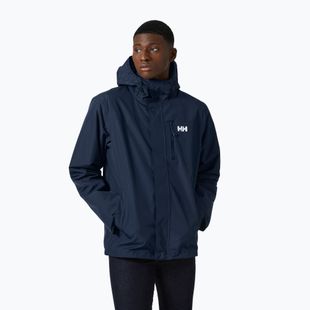 Extra -5% with the code WARMUPHelly Hansen men's 3-in-1 jacket Juell 3-In-1 navy blue 53679_597€159.99€151.99Lowest price: €151.99


3-in-1 jackets – one solution for changeable weather
3-in-1 jackets work well where the weather changes faster than you can pack your backpack. This construction combines an outer waterproof shell with a zip-in insulating layer that can be worn together with the shell or separately. One set therefore replaces a light rain jacket, a warmer fleece and a thicker jacket for colder days. In practice this means fewer items in your luggage and more freedom to adapt your clothing to temperature, wind and precipitation. On the market you’ll find a 3-in-1 jacket The North Face and many other options suited both for the trail and for everyday city use. When choosing, the type of membrane, fit and the way the layers attach matter, as well as whether the set is intended for the mountains or for daily commuting. This solution is appreciated when it’s cool in the morning, raining at noon and windy again in the evening, because the layers can be put on and taken off in moments. It’s also useful when travelling, where every kilogram and every centimetre in the suitcase counts. For people combining trips with work, one jacket instead of three also means less wardrobe space. If you’re only interested in the outer shell, compare it with the range of rain jackets, then check how the zip-in layer changes the possibilities of the whole set. Below we explain construction, the role of the membrane, choosing the fit and care to make it easier to pick 3-in-1 jackets.
How are 3-in-1 jackets constructed and what does the 3-in-1 principle mean?
The principle of a 3-in-1 jacket is simple: two layers form one unit, but each can function independently. The outer waterproof shell protects against wind and precipitation, while the inner insulating layer retains body heat. The liner is often made of fleece or an insulated fabric, and it joins the shell using a fastening system or a zipper, depending on the model. This design offers three ways to wear it: the shell alone in warm rain, the liner alone on a dry, cool day, and the complete set for freezing temperatures and strong wind. Among outdoor apparel brands you’ll find a 3-in-1 jacket by Jack Wolfskin, offered alongside models from other manufacturers. The same idea applies to The North Face 3-in-1 jacket, so when comparing offers check how the manufacturer describes the shell and the liner and whether both parts can be separated easily. The hood, pockets and hem/waist adjustment are also important because they affect comfort while walking. A chin-high collar and adjustable cuffs reduce wind ingress, and with a backpack it also matters whether pockets remain accessible under the hip belt. Check whether the main zipper has a protective storm flap, as this limits heat loss when walking into the wind. It’s good if the hood fits over a hat and the cuffs can be adjusted to gloves. In many models the liner has its own pockets, so when unzipped it can serve as a light city jacket while the shell stays in the backpack in case of rain. This flexibility, however, comes at a cost because two layers weigh more than a single thin jacket, so compare the weight of the set before buying. This solution suits people who change elevation and temperature within a day, and travellers who opt for one versatile jacket instead of several thin ones. Complete trail kit should be rounded off with trekking boots suited to the terrain, because even a good shell won’t compensate for wet footwear. If comfort matters, choose a model where the liner doesn’t turn out when removing the jacket or get tangled in the sleeves. It also helps if both parts have their own zippers so they can be worn independently without unfastening the whole construction. With offers like women’s 3-in-1 trekking jackets or men’s 3-in-1 jackets, check not only appearance but also how the layers are connected. Properly chosen 3-in-1 jackets serve year-round.
Gore-Tex and other membranes in 3-in-1 jackets
A waterproof and breathable membrane determines how a 3-in-1 jacket performs in rain and during physical effort. It’s a thin layer that keeps water out from the outside while allowing water vapor to escape from the inside. If one of these tasks isn’t fulfilled, the user either gets wet from the outside or from their own sweat. The best-known name is Gore-Tex, a waterproof and breathable membrane used in many hiking jackets. Among options with this membrane are Gore-Tex men’s 3-in-1 jackets, chosen by people planning longer outings in variable conditions. A broader comparison of models is easier in the men’s trekking jackets category, where you’ll find different solutions and levels of protection. The membrane is used in the outer shell, while the liner provides thermal insulation, so the two elements complement but do not replace each other. When choosing, check whether the product description mentions taped seams, because seam sealing affects the overall waterproofness. Waterproofing also depends on zippers and storm flaps, so read the model description in full instead of only looking for a technology name. Manufacturers such as Patagonia are associated with expedition and mountain apparel, but there are solutions other than Gore-Tex in this segment. Some manufacturers use their own membranes with marketing names, so compare the specifications given for each product. The membrane name shouldn’t be the only criterion because an adjustable hood, a high collar and underarm ventilation (pit zips) also matter. A hood visor improves visibility in heavy rain. The liner doesn’t need to be waterproof because its role is insulation, while rain protection is handled by the shell. Breathability matters on climbs, when exertion increases moisture to be moved out, and a thin moisture-wicking base layer helps the membrane work. On a warm day with a downpour it’s better to remove the liner and wear the shell alone, because an extra layer under the membrane can easily lead to overheating. Differences are visible even within one brand: a Jack Wolfskin 3-in-1 jacket and a The North Face 3-in-1 jacket can have different hoods, pockets and ways of joining the layers. The same applies to a women’s 3-in-1 trekking jacket, which usually has an different cut than the men’s model. Compare these features before buying and you’ll find it easier to choose 3-in-1 jackets.
Women’s and men’s 3-in-1 jacket – how to choose the fit?
A women’s 3-in-1 jacket differs from a men’s mainly in fit, not purpose. Women’s models are usually narrower at the waist and wider at the hips, while men’s have a straighter cut and more room in the shoulders. So don’t rely solely on the label—try the set on with the layers you plan to wear underneath. A women’s 3-in-1 jacket should have proper sleeve length, because sleeves that are too short expose the wrists and sleeves that are too long interfere when using poles. During fitting raise your arms, squat and reach up, because a well-chosen jacket shouldn’t ride up or restrict movement. The women’s trekking jackets category helps when searching, as you’ll see different lengths and fits in one place. A men’s 3-in-1 jacket should leave room in the chest to comfortably fit a fleece and a thin midlayer. Taller people benefit from a men’s 3-in-1 jacket with a longer back that covers the hips when leaning forward. Also consider the jacket length—a shorter jacket gives freedom on climbs and works with the backpack hip belt, while a longer one protects better in the city from wind and splashes. Among city and short-trip options is the Regatta 3-in-1, a brand often associated with everyday outdoor wear. For many people it’s important that women’s 3-in-1 jackets have enough room at the hips and don’t ride up when putting on a backpack. Slim builds often choose a smaller men’s size, and people with wider hips may consider a larger women’s size, but the fitting decides. Check size using the manufacturer’s size chart because sizing differs between brands and one letter can mean different measurements. Pay attention to waist adjustment and a hood that fits over a hat, as these features let you tweak the fit without changing size. The liner has its own cut, so after putting both layers on check whether the sleeves don’t pull when raising your arms and that freedom of movement remains full. For the city choose a roomier fit, and for the trail a closer-fitting model, because less fabric means less rubbing under a backpack. A simple appearance matters for people working in the city so the jacket matches everyday clothes. If you prefer the cut intended for the other gender, there’s nothing stopping you from choosing it. When in doubt, try several models and pick the 3-in-1 jackets that suit you.
Layers, seasons and care of 3-in-1 jackets
The seasonal use of a 3-in-1 jacket depends on temperature and walking pace, so it’s best to think of it as a layering system. Underneath wear a moisture-wicking base layer, the liner in the middle and the shell outside to protect against rain and wind. In spring and autumn the shell or the liner alone often suffice, and the complete set is used in morning chill and strong wind. During stops on a cold day put the liner on immediately because after exertion the body loses heat quickly. In winter in the city a Jack Wolfskin 3-in-1 jacket or a similar model works as a warm everyday coat, but for longer outings in freezing temperatures add women’s or men’s fleeces as an intermediate layer. In summer in the mountains leave the liner at home and the shell alone is useful during a sudden storm. For a full-day outing pack the liner in a bag so it stays dry until the evening when temperatures drop. With offers like Gore-Tex men’s 3-in-1 jackets remember that the membrane doesn’t provide warmth, so in winter layers must still be selected according to temperature. Complete the set with a hat and gloves, since head and hands lose heat fastest. Start care by reading the care label because the manufacturer specifies wash temperature and drying method. Before first use read the manufacturer’s instructions because materials and finishes differ between models. Wash shell and liner separately and avoid fabric softeners, as they are usually not recommended for garments with membranes. Use a gentle detergent and rinse thoroughly, since detergent residue can impair fabric performance. Report minor damage such as tears or detached parts to the manufacturer’s service rather than repairing them yourself. When water stops beading on the surface, refresh the jacket with a product from the waterproofing treatments and detergents category. After an outing unzip both layers and dry them separately at room temperature, away from radiators, because trapped moisture between them promotes unpleasant odors. Store the jacket on a hanger without compressing it in the wardrobe, and check zippers, snaps and adjustment cords before the season. A The North Face 3-in-1 jacket or a Regatta 3-in-1 will last longer if you remove mud quickly after going out, because dirt affects material performance. Likewise, Jack Wolfskin 3-in-1 jackets and women’s 3-in-1 jackets require the same care as any technical clothing. If you plan a season in both the mountains and the city, choose 3-in-1 jackets.