


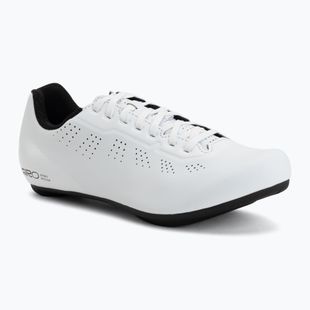
 New Extra -10% with the code CLUB
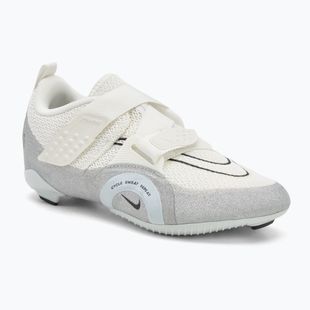 Nike Superrep Cycle 2 Premium spinning shoes summit white/pure platinum/black€109.99Recommended retail price: €139.99
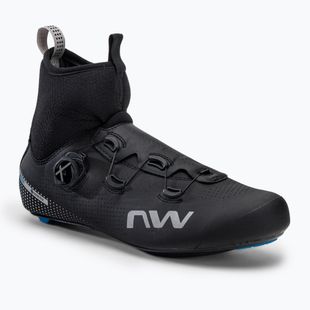 Northwave Celsius R Arctic GTX men's road shoes black 80204031_10€199.99Recommended retail price: €289.99
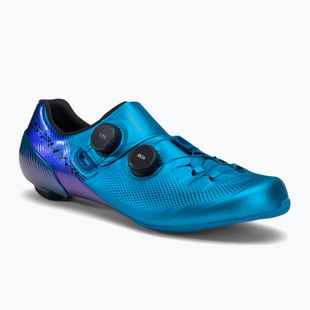 Shimano men's cycling shoes SH-RC903 blue ESHRC903MCB01S46000€289.99Recommended retail price: €369.99
 Extra -5% with the code CLUB
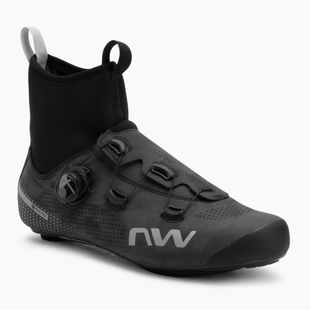 Extra -5% with the code CLUBMen's road shoes Northwave Celsius R GTX black€189.99€180.49Lowest price: €161.49
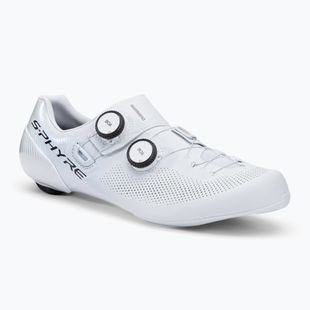 Shimano men's cycling shoes SH-RC903 white ESHRC903MCW01S46000€339.99 -€30.00Lowest price: €369.99Recommended retail price: €359.99
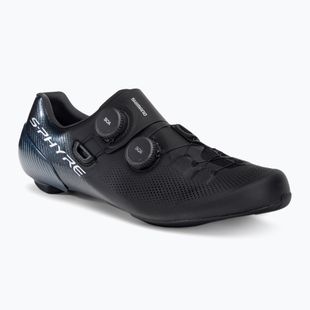 Shimano men's cycling shoes black SH-RC903 ESHRC903MCL01S43000From €309.99 -€30.00Lowest price: €339.99Recommended retail price: €359.99
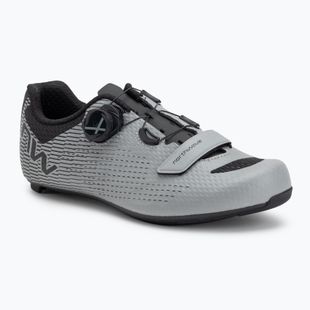 Men's Northwave Storm Carbon 2 silver/reflective road shoe€119.99Recommended retail price: €199.99
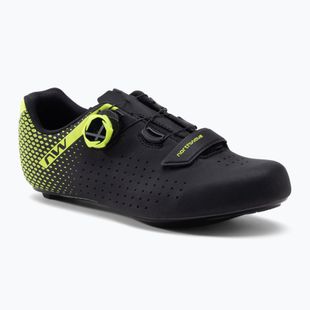 Northwave Core Plus 2 men's road shoes black/yellow 80211012€88.99Recommended retail price: €139.99
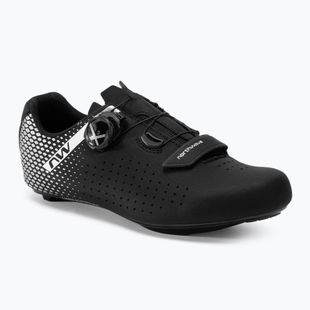 Extra -5% with the code CLUB


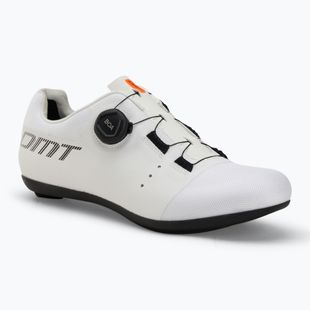


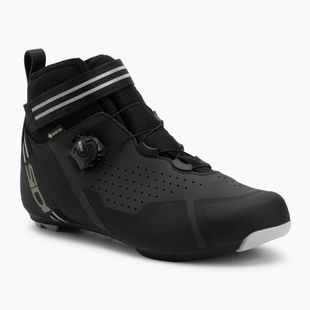
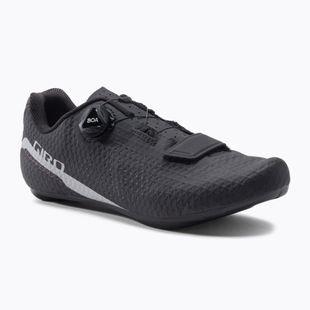


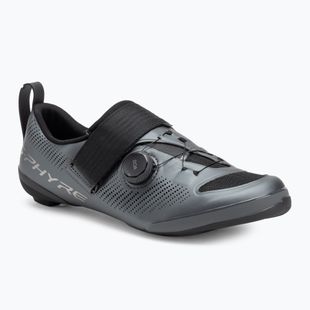
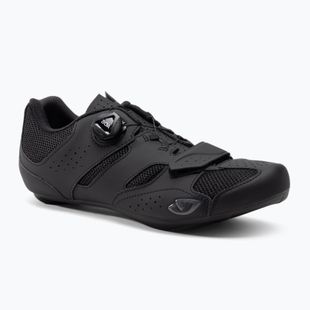


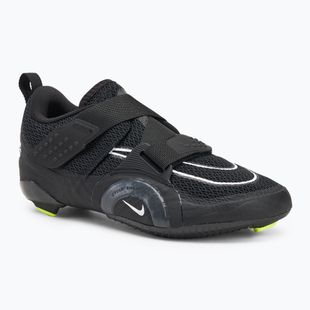


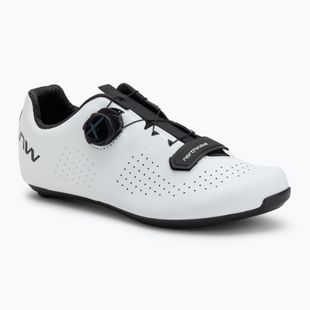


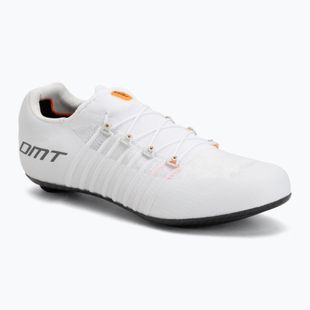
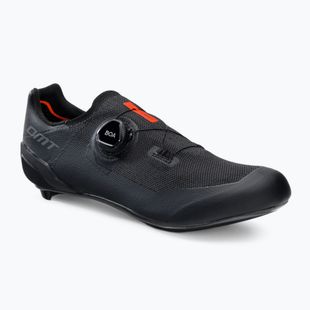


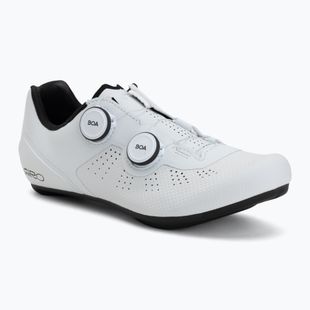


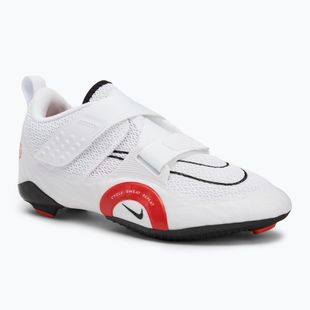
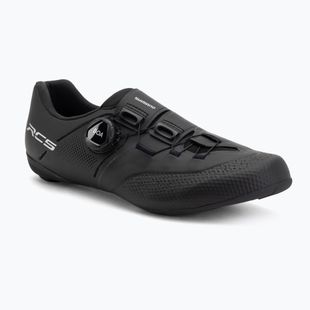


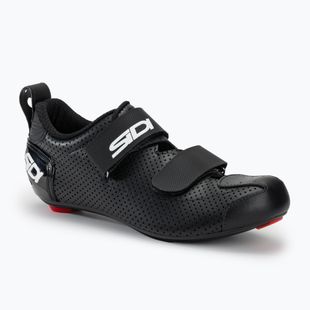
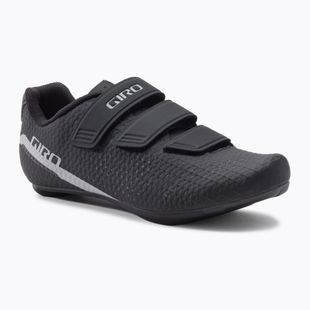
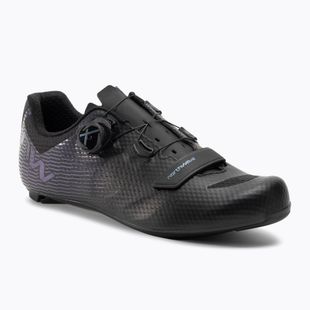


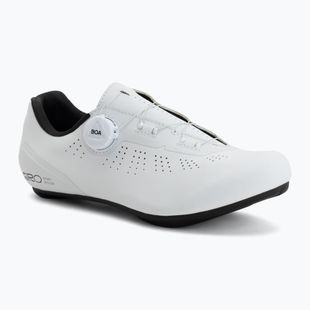


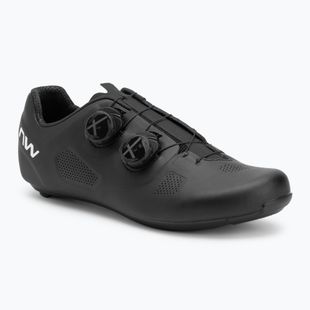
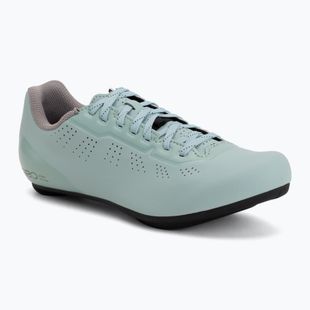
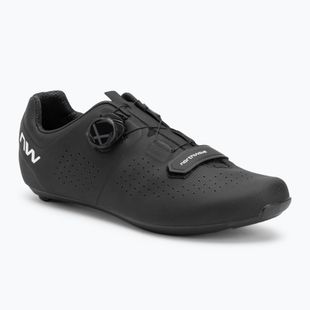
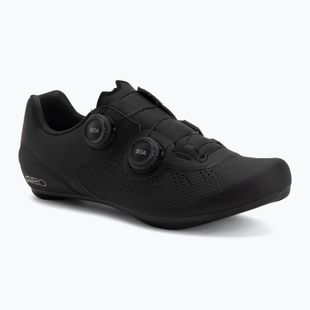
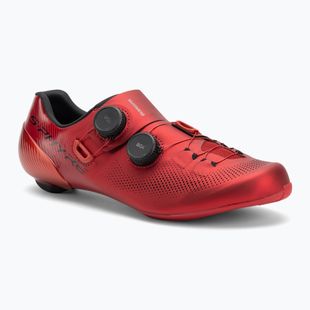
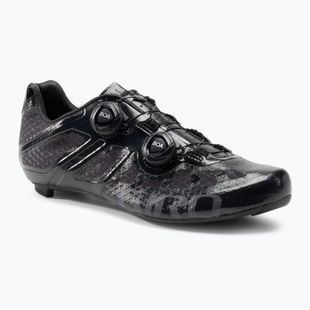

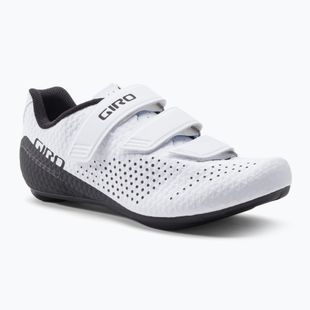


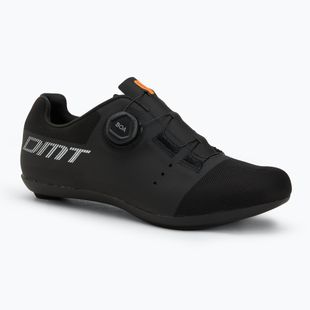
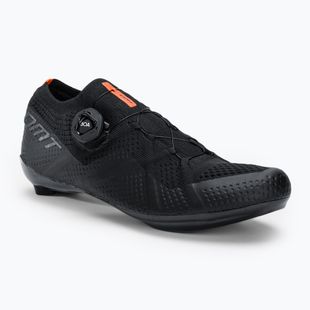


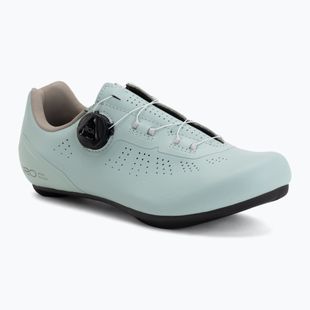
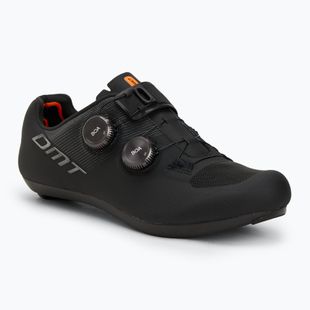


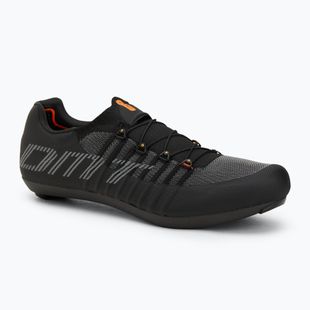
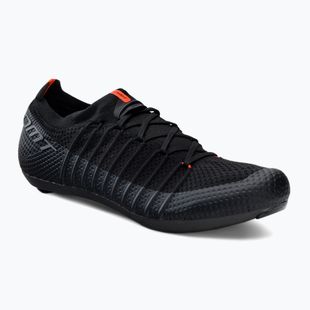
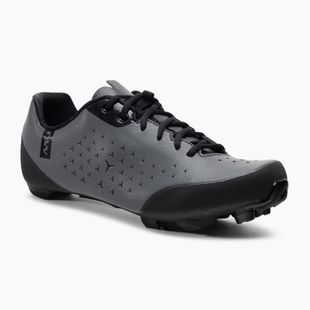
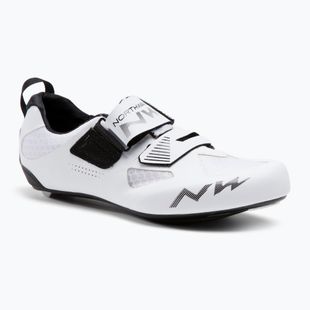
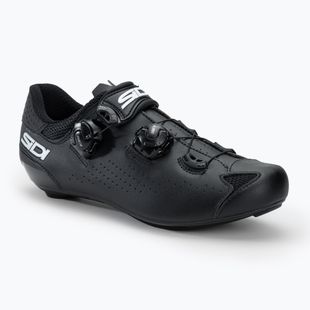
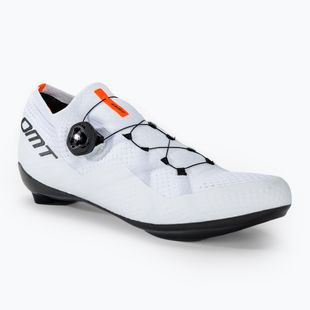
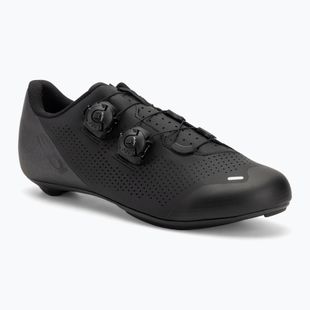
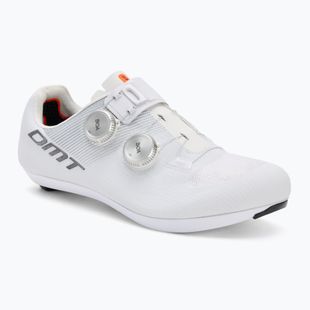
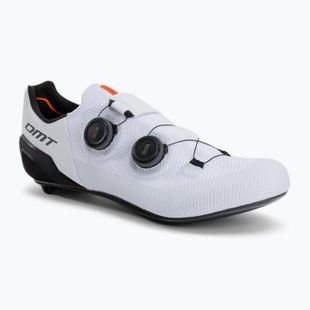


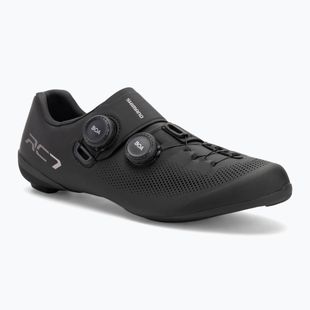


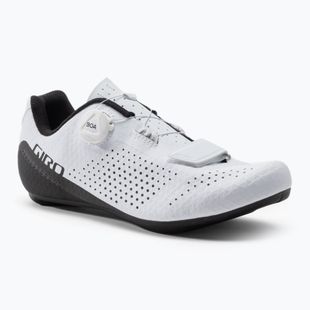
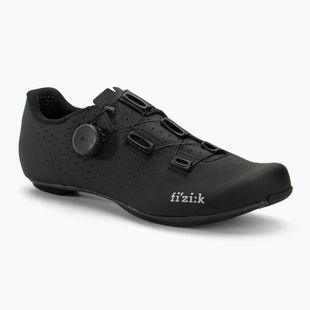


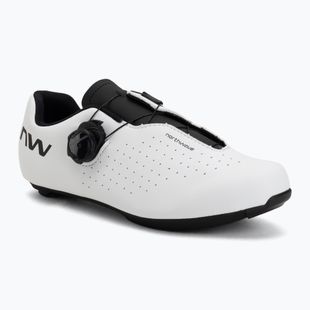


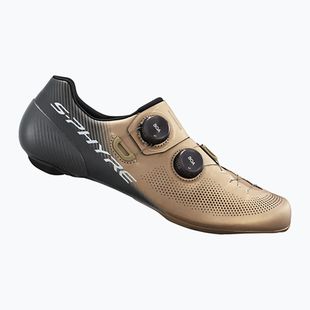
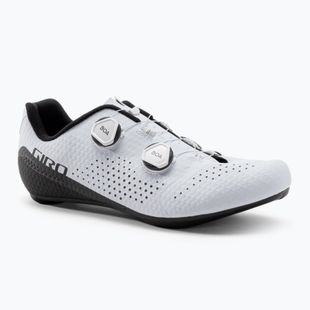


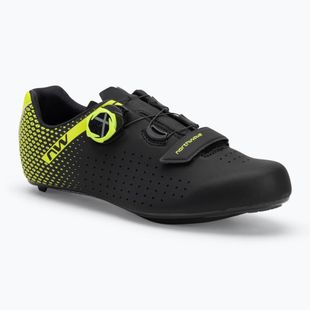


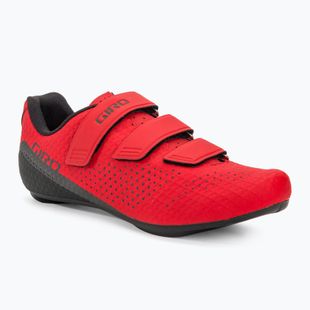
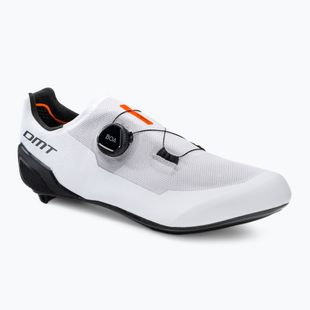
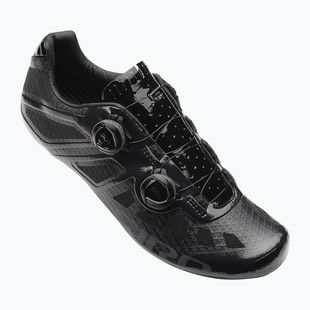


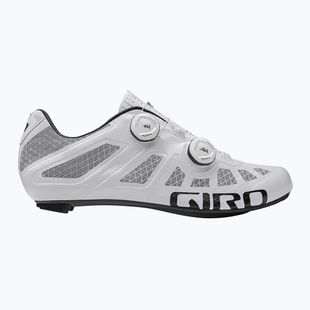
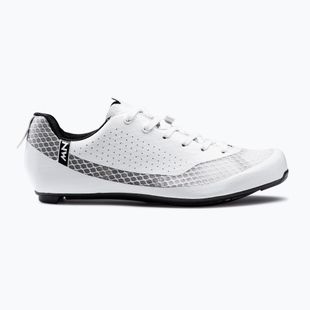
Road shoes – precise fit and efficient power transfer
Road shoes are designed for riding a road bike, where a secure connection between the foot and the pedal, sole stiffness, low weight and precise upper fit matter. Well-chosen road cycling shoes help keep the foot in a predictable position during pedaling, and road bike shoes should also provide comfort over longer distances. When choosing, the type of closure system, cleat compatibility, upper ventilation, forefoot width, heel support and insole construction are important. Among models for demanding cyclists are products from the DMT brand, and DMT road shoes should be selected based on the specific model's parameters and foot anatomy. Road cycling shoes may use various cleat mounting systems, so before purchase you need to check their compatibility with your pedals. Road SPD shoes also require verification of the mounting standard, since the term SPD is sometimes used for different configurations by riders. When completing the setup it's also worth checking the bike pedals, which must work with the chosen cleat system. Road shoes should securely cradle the heel, avoid pressure points and allow precise adjustment of the closure. Correct size, compatibility and sole stiffness matter more than appearance when choosing road shoes.
Women's and men's road shoes – how to choose size and upper shape?
Road shoes should be fitted not only to foot length but also to its width, volume and arch shape. Women's road shoes can differ from men's models in last proportions, heel shape or size range, so gender labeling should not replace precise measurement. Meanwhile men's road shoes come in many width and construction variants, which allows choosing a model for both narrower and broader feet. During fitting assess heel stability, toe box space, absence of pressure points, arch alignment, even tension of the closure and comfort after a few minutes in a position similar to pedaling. Road cycling shoes should not be chosen with a large allowance, because the foot sliding inside can reduce pedaling precision. Models from Shimano include solutions for different users, and Shimano road shoes should be compared by width, closure type and sole stiffness. Road bike shoes may use adjustable dials, Velcro, buckles or a combination of several solutions depending on construction. A well-chosen system lets you adjust pressure on the foot without overly tightening the upper. Road bike shoes should also work with the socks used during training, so try them on in a similar set. Complementary items may be cycling socks, whose thickness affects the perceived interior fit. Women's and men's road shoes should also be evaluated for ventilation, tongue finish, heel cup stiffness and insole quality. Shimano road shoes can differ between series in construction and purpose, so the right model should be matched to the individual's riding style. If the foot has an unusual width or a high arch, priority should be fitting a specific last rather than sticking to one size. This approach allows selecting road shoes that provide stability under higher pedal loads and comfort during long hours of riding, which are key traits of well-fitted road shoes.
Road shoes: sole, cleats and the retention system
Road shoes work with clipless pedals via appropriate cleats, so compatibility of individual components is one of the most important purchase criteria. Road SPD shoes should be chosen after checking the number and arrangement of mounting holes, because different cleat standards are not automatically interchangeable. Road bike shoes with a three-bolt system are often used with typical road cleats, while other constructions may support two-bolt solutions. Before mounting you should always verify the sole standard, cleat compatibility, range of fore-aft adjustment, setting relative to the forefoot, rotation angle and the pedal manufacturer's recommendations. Appropriate cleats should be matched to the specific system, and their positioning affects the foot position throughout the crank revolution. Road cycling shoes generally have a stiffer sole than recreational footwear, because its job is to provide a stable platform under pedal pressure. However, this does not mean the maximum possible stiffness is best for everyone. A rider starting regular training may prefer a more comfortable construction, while a rider focused on intense riding may expect very stiff support and minimal losses from sole deformation. Road shoes by Sidi should be evaluated in terms of closure system, sole and fit to the cleats used. Fizik road shoes may offer different upper proportions and foot-holding methods, so they also require individual fitting. Road bike shoes should provide stable midfoot support, heel control, adequate lateral stiffness and even pressure distribution under the closure. Sidi road shoes should not be chosen solely for brand reputation, just as Fizik shoes require fitting to the user's anatomy. For riding in cooler conditions useful are shoe covers that add an extra layer over the footwear. A correctly configured shoe, cleat and pedal set provides a repeatable foot position and comfortable use of the clipless system. That is why cleat compatibility and setup should be treated as seriously as size when buying road shoes.
Road shoes for training and long rides – ventilation, closures and care
Road shoes used during regular training must remain comfortable not only for the first kilometers but also during longer rides, when the foot may slightly change in volume. In such conditions particularly important are precise closure adjustment, adequate ventilation, a comfortable insole, no hard pressure points and a construction that keeps the foot in the correct position. DMT road shoes may use construction solutions different from other manufacturers, so they should be assessed based on specific specifications. Similarly Fizik road shoes should be checked for width, adjustment system and stiffness level. Products from Fizik are one option for riders assembling gear for regular road training. Road cycling shoes used in summer should ensure efficient air exchange, however the number of ventilation holes is not the only determinant of comfort – the upper material, tongue construction and the way heat is dissipated across the entire shoe surface also matter. Road bike shoes should be dried after training according to the manufacturer's recommendations and the condition of the sole, closure and cleat mounting points should be checked regularly.
It's also worth adapting road shoes to use beyond pedaling. A typical road sole is optimized for riding, so walking in such shoes may be less comfortable than in touring or MTB models. Women's and men's road shoes should therefore be chosen primarily with regard to the position on the bike, time spent in the saddle and the type of pedals. Road SPD shoes may suit riders who prefer a certain clip standard, but you always need to check a specific model's compatibility with existing equipment. DMT road shoes, Sidi road shoes and Fizik road shoes can differ significantly in interior shape, so even a similar insole length does not guarantee identical fit. With frequent use regularly check cleat wear, condition of mounting screws, function of the closure mechanism, upper condition, the sole and the inside of the shoe. Road cycling shoes should be cleaned using methods appropriate to the materials used, avoiding aggressive agents that could affect adhesives or coatings. Riders who ride intensively can also check the condition of the whole setup, including the road bike and the positioning of contact points, because foot position works together with saddle height and pedal setup. Shimano road shoes, DMT road shoes and models from other manufacturers should above all provide secure foot hold, proper support and the ability to precisely set the cleats. Regular care and inspection of wear items help retain the footwear's functionality for longer. In practice the most important thing is the combination of fit, compatibility, stiffness and thermal comfort, because these parameters best define well-fitted road shoes.