


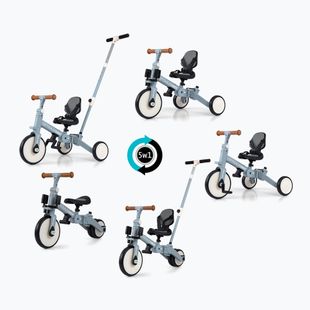
 Extra -10% with the code SPORT
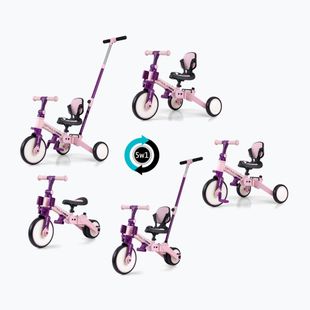 Extra -10% with the code SPORT
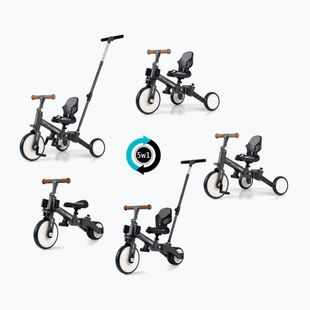 Extra -10% with the code SPORT
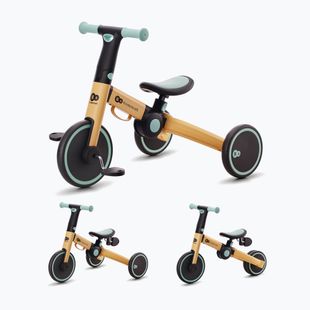
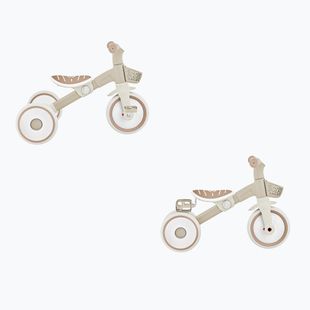 Extra -15% with the code SPORTThree-wheeled balance bike Globber Learning Trike 2in1 Plus Ecologic coconut€53.99€45.89Lowest price: €35.74
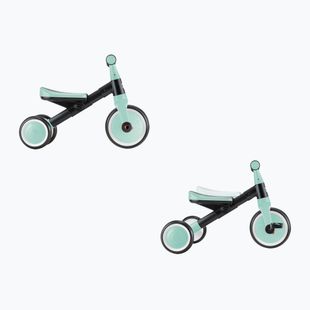 Extra -10% with the code SPORTThree-wheeled balance bike Globber Learning Trike 2in1 mint€55.99€50.39Lowest price: €44.79
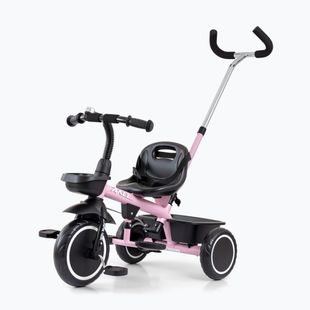 Extra -10% with the code SPORTThree-wheeled balance bike Milly Mally Axel pink€49.99€44.99Lowest price: €39.19
 Extra -10% with the code SPORT
 Extra -10% with the code SPORT
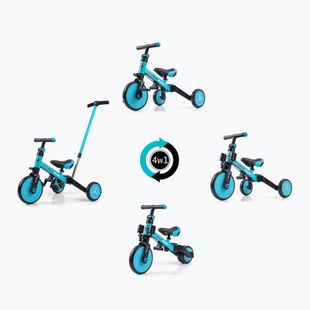 Extra -10% with the code SPORT
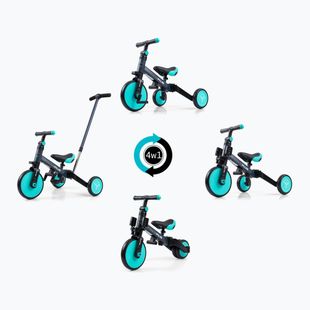 Extra -10% with the code SPORT
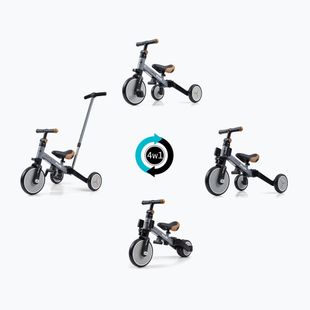 Extra -10% with the code SPORT
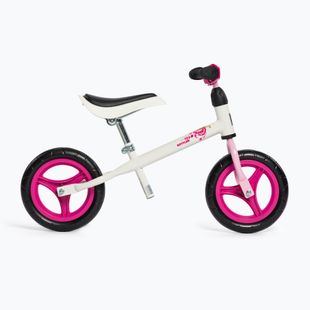 KETTLER Speedy cross-country bicycle white 4865€35.99 -12%Lowest price: €40.84Recommended retail price: €76.99
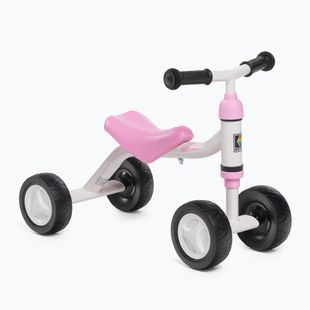 KETTLER Sliddy four-wheel cross-country bicycle white and pink 4859€28.99 -10%Lowest price: €32.29Recommended retail price: €59.99
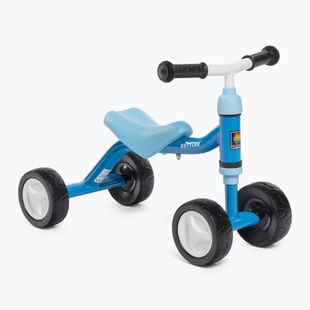 KETTLER Sliddy blue 4860 four-wheel cross-country bicycle€28.99 -10%Lowest price: €32.29Recommended retail price: €59.99
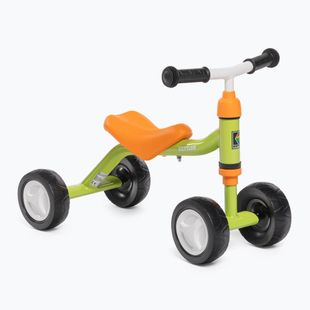 KETTLER Sliddy green-orange four-wheel cross-country bicycle 4861€28.99 -10%Lowest price: €32.29Recommended retail price: €59.99
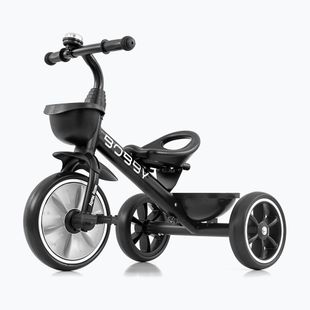 Three-wheeled balance bike Milly Mally Bobby black€23.99 -11%Lowest price: €26.99Recommended retail price: €32.99
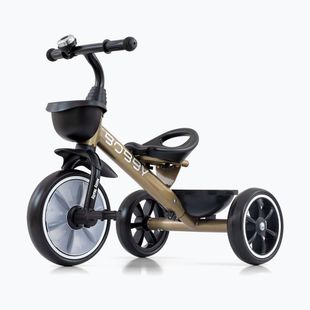 Three-wheeled balance bike Milly Mally Bobby golden€23.99 -11%Lowest price: €26.99Recommended retail price: €32.99
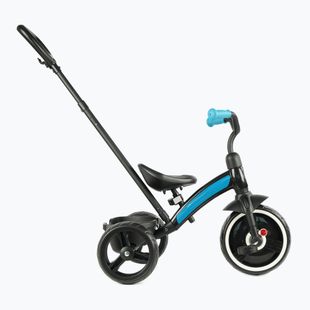
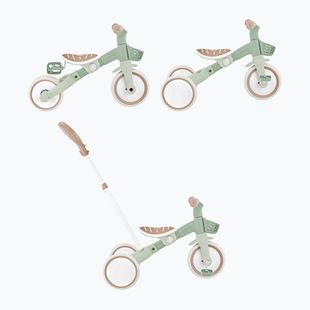 Extra -10% with the code SPORTThree-wheeled balance bik with handle Globber Learning Trike 2in1 Plus Ecologic pistachio€49.99€44.99Lowest price: €47.69
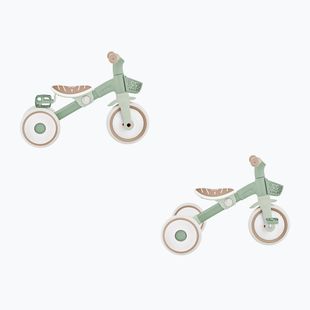 Extra -10% with the code SPORTThree-wheeled balance bike Globber Learning Trike 2in1 Plus Ecologic pistachio€44.99€40.49Lowest price: €39.09


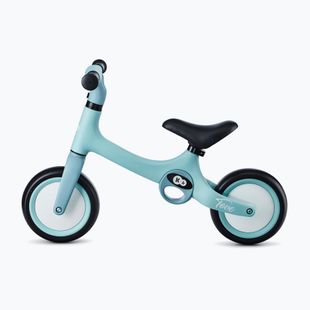






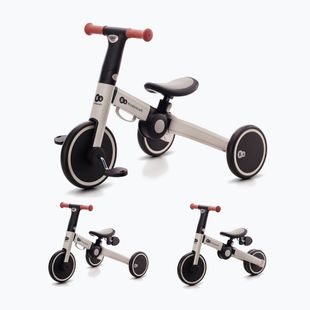
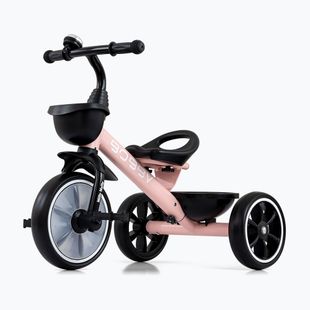


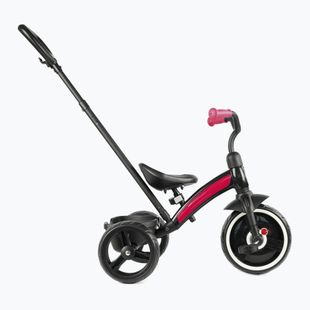


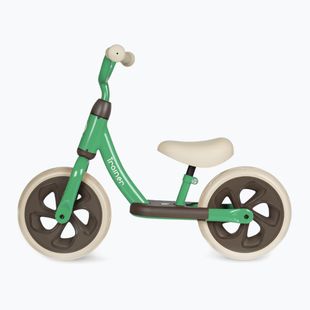


Balance bikes – the first step in learning to balance on two wheels
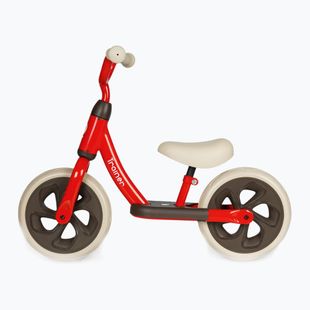
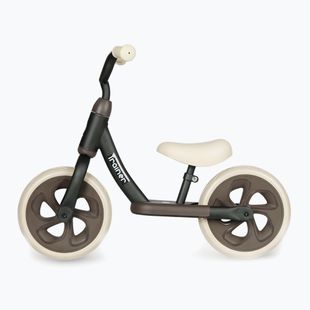
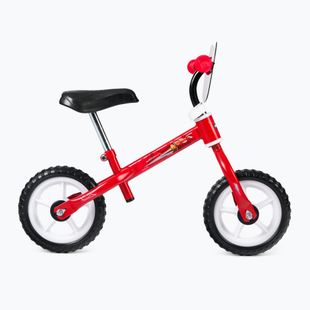
Balance bikes help a child get used to steering, maintaining balance and controlling speed without the need to pedal at the same time. Balance bikes for children should be chosen primarily according to the child's height, leg length and capabilities, not solely by the age indicated on the packaging. A well-fitted balance bike allows a child to place their feet flat on the ground while seated on the saddle, making it easier to start moving, stop and regain stability. When buying, important factors include the minimum saddle height, its adjustment range, frame weight, wheel diameter, type of tires, handlebar width and the ability to hold it comfortably. A balance bike should not be too heavy relative to the child's abilities, because the young user must not only ride it but also lead and lift it after stopping. Among models designed for the youngest users there is equipment from the woom brand, and a woom balance bike should be selected according to the measurements and specifications of the particular variant. Balance bikes can be complemented with appropriately fitted children's bike helmets, which should match the head circumference and be properly adjusted. A child's balance bike should above all fit their current body proportions, so buying a large model with the idea of using it for several seasons may hinder learning. Balance bikes for children differ in construction, so one balance bike may work well for a beginner two-year-old, while another may suit an older child preparing to switch to a pedal bike. Well-chosen balance bikes provide free leg movement, a secure contact of the feet with the ground and a comfortable position behind the handlebars, and these features should guide the choice of balance bikes.
Balance bikes for a one-year-old, 2-year-old and 3-year-old – how to choose the right model?
Balance bikes for the youngest require particularly careful adjustment to the stage of motor development, because differences between children of similar age can be significant. A balance bike for a one-year-old should be considered only if a specific model is intended by the manufacturer for such a young user and matches their ability to move independently. In this group a three-wheeled balance bike or a construction with increased stability is more common, which differs in handling from a classic two-wheeled model. A balance bike for a one-year-old should not be treated as a mandatory developmental step – what matters more are the child's readiness, stable support, low equipment weight and conformity with the age range indicated by the manufacturer. Balance bikes intended for slightly older users allow a greater focus on maintaining balance. A balance bike for a 2-year-old should allow the child to rest their whole feet or at least the front part of their feet flat on the ground, and the handlebar must not be too high or too far away. A balance bike for a 2-year-old should also be evaluated for low standover height, light frame, narrow saddle, grips suited to small hands and easy turning. Among the products for younger children is the Kinderkraft brand, and a Kinderkraft balance bike can come in various constructions, so its size must be related to the child's height and leg length. A Kinderkraft balance bike should not be chosen solely by the declared age if the saddle height does not suit the user. Balance bikes for three-year-olds, on the other hand, may offer a greater range of adjustment and a design that allows faster riding as confidence grows. A balance bike for a 3-year-old should still allow easy stopping with the feet while providing enough room for a confident push-off. A balance bike for a 3-year-old may also be equipped with a hand brake if the child can use it consciously and the manufacturer provides such a solution. For every variant, steering ability, absence of sharp elements, secure wheel mounting and an appropriate range of adjustment are important. A balance bike for a younger child should grow with them to a reasonable extent, but not at the cost of a correct position during the first months of use. The child's balance bike should also be checked regularly for saddle height, as rapid growth may require adjustment. As skills develop, one can later consider children's bikes with pedals. Properly chosen balance bikes allow difficulty to be increased gradually without forcing the child to use equipment that is too large, which is why size and motor readiness remain key when choosing balance bikes.
Balance bikes for 4- and 5-year-olds – preparing for a pedal bike
Balance bikes can also be used by older children, especially when they are just beginning to learn balance or do not yet feel confident on a standard bike. A balance bike for a 4-year-old should have an appropriate range of saddle and handlebar adjustment, because at this age a child may already be considerably taller than the typical user of a basic model for the youngest. Important features are the appropriate frame length, correct saddle height, comfortable handlebar spacing, stable wheels and a weight that allows the child to control the equipment easily. A balance bike for a 4-year-old can be a good tool for further practicing balancing, turning and predicting the riding line. Among the solutions available for children are products from Milly Mally, which should be compared by the dimensions and intended use of individual models. Balance bikes in this age group should provide enough legroom, because an overly short design may force an uncomfortable position. A balance bike for a 5-year-old should also be chosen according to actual height, not just the age number. A balance bike for a 5-year-old can be particularly useful for a child who wants to first master maintaining balance, direction control and braking before switching to pedals. A bike properly matched to an older user should allow a full range of motion without the knees hitting the handlebars. A balance bike for a girl does not require a separate construction based solely on gender – what matters most are dimensions, weight and ergonomics. A balance bike for a girl may have any color scheme that matches the child's preferences, but proper fit should always be more important than appearance. Likewise, a second balance bike for a girl should be chosen after checking the standover height and minimum saddle setting, not just the collection label. Balance bikes may be fitted with foam or pneumatic tires, and differences between them concern, among other things, weight, shock absorption and maintenance requirements. Inflatable tires can provide good cushioning on uneven surfaces, while airless solutions used in some models reduce the need to check pressure. For everyday riding, bike bells can also be useful if their installation does not impede the child's secure grip on the handlebar. Balance bikes for four- and five-year-olds should be regularly checked for saddle and handlebar settings and wheel condition. This way balance bikes can remain a functional learning tool until the child is ready to switch to a pedal bike, which clearly demonstrates the practical use of balance bikes.
Wooden, three-wheeled and classic balance bikes – materials and construction
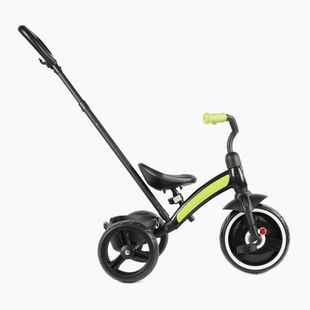
Balance bikes differ not only in size but also in frame construction, number of wheels and materials used. A wooden balance bike may stand out for its simple build and characteristic frame construction, but before purchasing you should verify the saddle adjustment range, frame weight, quality of edge finishing, type of wheels, surface durability and permissible load. A wooden balance bike should be stored according to the manufacturer's recommendations, especially if the material requires extra protection against prolonged moisture. A classic balance bike with a metal frame can offer a wide range of adjustment and low weight, but the actual properties depend on the specific alloy and overall construction. Balance bikes should therefore not be judged solely by the frame material. Another category is the three-wheeled balance bike, which can provide greater stability for a younger user but develops balancing skills in a different way than a two-wheeled model. A three-wheeled balance bike may be an appropriate choice at an earlier stage if its size and intended use match the child. Among products related to children's riding there are solutions from ATTABO, whose parameters should be matched to the user's age, height and abilities.
It is also worth analysing balance bikes from the perspective of several seasons of a child's development. A woom balance bike may be chosen by parents looking for a lightweight construction, but a woom balance bike should still be checked for saddle height and dimensions of the specific model. Similarly, a balance bike for a 2-year-old may require the saddle to be raised after some time, and a balance bike for a 3-year-old should provide adjustment reserve without forcing too-high positioning from the start. A balance bike for a 4-year-old and a balance bike for a 5-year-old, however, require a correspondingly larger frame, especially if the child has long legs. Balance bikes for children should allow turning without the knees hitting the handlebars, while not forcing excessive reach with the arms. For a very young user, a balance bike for a one-year-old requires verification that the manufacturer has indeed intended it for this age group. A balance bike should not replace adult supervision or proper preparation of the learning area. It is best to start on an even and predictable surface, away from traffic, steep drops and obstacles that the child cannot yet assess. Regular checks should include handlebar fastening, saddle setting, tire condition, wheel rotation, grip condition and all elements responsible for the structural integrity. Intensively used balance bikes require the same care for technical condition as other cycling equipment. Balance bikes for children that are well matched to height, abilities and the learning stage allow gradual development of confidence in handling a two-wheeler. Whether the choice falls on a classic model, a wooden balance bike or a more stable three-wheeled variant, the most important factors remain correct size, low weight, ergonomics and technical condition. These are the features that determine the practical value of balance bikes.