


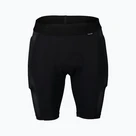
 Cycling shorts with protectors POC Synovia VPD uranium black€76.99 -11%Lowest price: €86.99Recommended retail price: €119.99
 Endura MT500 D30 Ghost Baselayer black cycling jersey with protectors€139.99Recommended retail price: €179.99

Bike protectors – support during MTB riding and dynamic descents
Bike protectors are an essential part of the equipment for riders who ride off-road, on enduro tracks, in bike parks and anywhere the risk of contact with the ground or obstacles is higher. Well-chosen bike protectors should combine an appropriate level of protection, a secure fit and freedom of movement while pedaling. Also important are the type of protector used, the coverage area, ventilation, flexibility of the construction, the fastening method and the fit to the specific body part. MTB protectors can have a lightweight build intended for active pedaling or a more enclosed construction chosen for aggressive gravity riding. Among the solutions for mountain biking enthusiasts are bike protectors from Fox, which should be selected according to the intended use and the parameters of a particular model. Bike protectors for children require equally careful fitting, because a shifting protector may not remain in the correct position while riding. Children's bike protectors should be comfortable, easy to adjust and tailored to the young rider's body shape. Regardless of skill level, bike protectors must be chosen according to the discipline, ride intensity and the body parts that need protection. Proper construction, comfort during movement and secure retention of the protector determine the functionality of bike protectors.
Bike protectors for knees and elbows – fit for MTB riding
Limb protectors should shield areas that are particularly exposed during a fall, while at the same time allowing the range of motion needed to handle the bike freely. Protectors used for trail and enduro are often worn for many hours, so anatomic fit, flexible panels, moisture wicking, breathable construction and the ability to keep the protector in place are important. Particularly popular are knee protectors, which should fit well whether the leg is straight or deeply bent. MTB protectors intended for pedaling should not cause excessive pressure at the knee joint, as this can reduce comfort on longer rides. Important features include adjustment straps, silicone anti-slip elements, if present in a given model, and the correct length of the fabric sleeve. Bike protectors available from the Leatt range can be compared in terms of coverage level, fitting system and suitability for different mountain biking disciplines.
Protectors for the upper limbs must remain stable during arm movement and quick position changes on the bike. In this role, elbow protectors work well; their construction should cover the joint without restricting arm flexion. When choosing protectors in this area, consider the coverage surface, stabilization of the protector, soft edge finishing and comfort for prolonged skin contact. MTB protectors used during fast descents can be more substantial than lightweight trail models, since greater coverage becomes a priority. At the same time, an overly loose construction can shift under impacts, so size should be selected according to the manufacturer's chart and limb circumference. Children's bike protectors should also be checked regularly for size, as quickly changing body proportions can affect the fit. Children's protectors must allow free bending of knees and elbows, and straps should not create pressure points. For intense riding, material abrasion resistance, ease of cleaning and the ability to dry the protectors after training are also important. Well-chosen bike protectors support comfort during technical riding without forcing the user to constantly readjust them.
Bike protectors for torso and hips – greater coverage during riding
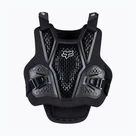
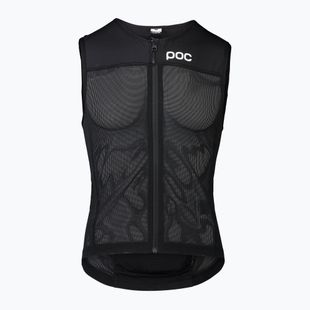
Bike protectors can secure not only knees and elbows but also larger body areas exposed during high-speed riding in difficult terrain. In gravity disciplines, torso protectors are used, designed to shield selected zones of the chest, back or shoulders, depending on the specific product's construction. These protectors can take the form of a vest, protective shirt or a more developed armor. When buying, check the areas protected, the method of securing the protectors, fit to the torso, ventilation, compatibility with cycling clothing and the manufacturer's information regarding intended use. Models from the POC brand can be considered when assembling protective equipment for off-road riding, paying attention to the specification and construction of the specific variant. Torso protectors used for descents should also fit well for the riding position, because a protector comfortable while standing may behave differently when leaned over. Important factors are minimal shifting, free shoulder movement and the ability to turn the torso without restriction.
Protectors can also cover the lateral pelvic areas, which often make first contact with the ground in a fall. In such cases, hip protectors are used, available for example as elements of special protective shorts. Protectors in this area should stay in place both while pedaling and when changing position on the saddle. Important features include flexible zones, flat finishing, comfort under shorts, moisture wicking and the arrangement of protective panels. Hip protectors used on MTB must not overly restrict leg movement, as this would affect riding technique and comfort on longer rides. More developed children's protectors should be fitted as carefully as adult models. Children's protectors should be built for a smaller frame and should not be replaced by an overly large model bought with the idea of longer use. It's also worth trying protectors on together with the clothing they will be used with to check whether the layers overlap in an uncomfortable way. The combination of the right size, protector stability and freedom of movement is particularly important with more extensive bike protectors.
Bike protectors for children and adults – size, comfort and care
Bike protectors perform best when they are properly fitted to the body shape and remain stable throughout the session. Before purchasing, measure the circumferences indicated by the manufacturer and compare them with the size chart, since the labels S, M or L may not be identical across brands. Children's bike protectors require special fit checks. Children's protectors should not slip during riding or require straps to be tightened to the maximum, as this may indicate the wrong size. Important features are easy adjustment, soft edges, low weight, comfort while pedaling and a design that allows the child to put on the gear independently, if their age allows. Adult MTB protectors should also be evaluated in a typical riding position, not only while standing. Protectors can shift after bending knees, elbows and hips, so only such a test shows whether the construction does not pinch or move during motion. Among cycling equipment manufacturers is Endura, whose models can be compared by type of protector, fastening method and scope of application.
Regularly used bike protectors require proper care because contact with sweat, mud and dust affects the material and the comfort of the next session. Cleaning methods should always follow the manufacturer's recommendations, especially when the protector has removable protective inserts, foam elements, Velcro or a multi-material construction. After a wet ride, protectors should be dried in a way appropriate for the product, avoiding methods the manufacturer does not allow. Before the next use, inspect the condition of the straps, seams, protective panels, adjustment elements and surfaces prone to abrasion. Fox bike protectors, like products from other brands, should be used as intended and replaced when their technical condition no longer ensures safe use. MTB protectors should also be chosen according to the character of the trail: a lightweight set may be sufficient for an easy trail, while more demanding enduro or downhill riding pushes toward greater coverage. Children's bike protectors should also be checked before every more intense ride, as both wear and the child's growth can affect their position. Children's protectors should provide full range of motion, stability while riding and comfort that encourages the young rider to actually use the equipment. The appropriate level of protection, fit for the discipline and regular technical checks allow for a conscious selection of bike protectors according to riding style and user needs.