


Filters
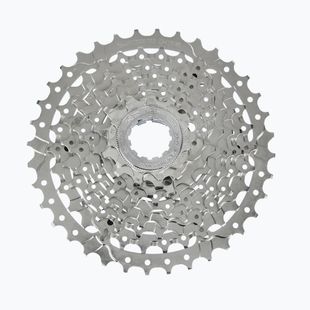 Shimano CS-HG400 9-speed bicycle cassette 11-36 silver ICSHG4009136€22.99Recommended retail price: €29.99
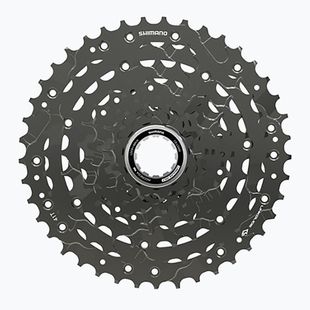
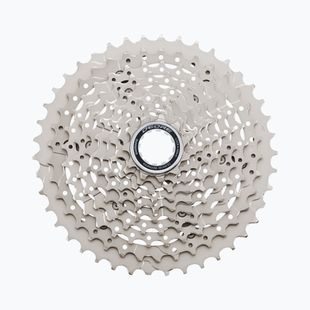 Extra -20% with the code EXTRAShimano CS-M4100 10rz 11-42 bicycle cassette€47.99€38.39Lowest price: €38.39
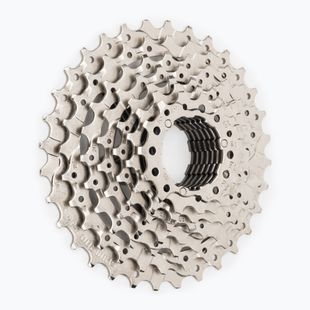 Shimano Alivio CS-HG400 9-speed bicycle cassette 11-32 silver ICSHG4009132€20.99Recommended retail price: €28.99
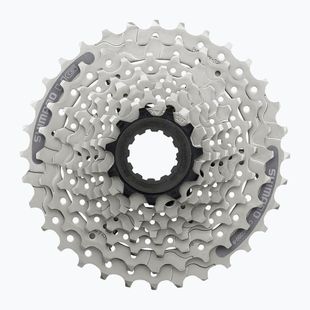 Shimano CS-HG201 9-speed bicycle cassette 11-32 silver ECSHG2019132€19.99Recommended retail price: €28.99
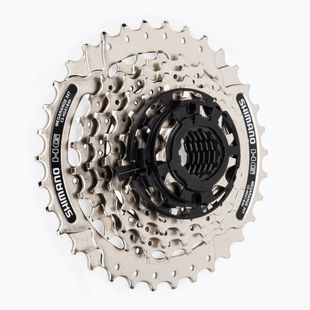 Shimano Acera CS-HG41 8-speed bicycle cassette 11-34 silver ACSHG418134€15.99Recommended retail price: €26.99
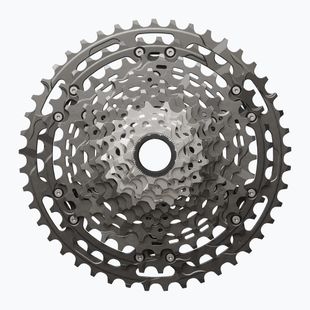 Shimano XTR CS-M9200-12 12rz 9-45T bicycle cassette€339.99 -€20.00Lowest price: €359.99Recommended retail price: €449.99
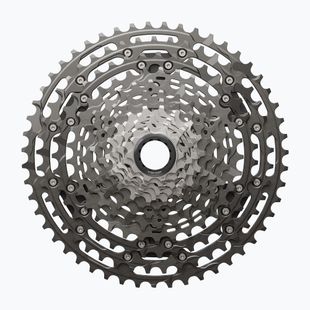 Shimano XTR CS-M9200-12 12rz 10-51T bicycle cassette€339.99 -€20.00Lowest price: €359.99Recommended retail price: €449.99
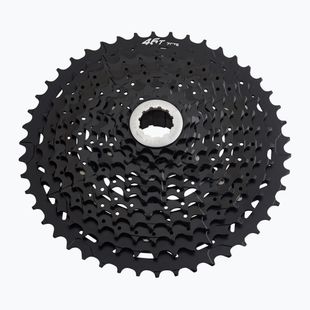
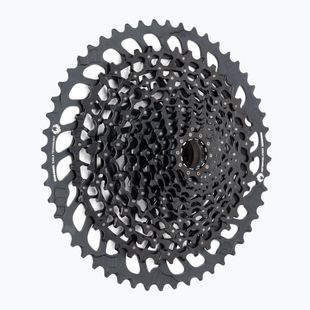 SRAM AM CS XG-1275 Eagle 12-row bicycle cassette 10-52T black 00.2418.109.000€189.99Recommended retail price: €249.99
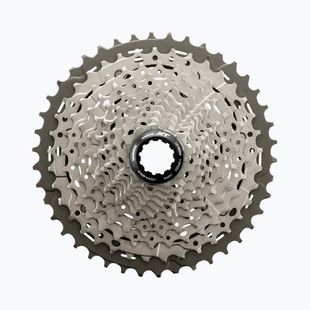 Extra -5% with the code EXTRAShimano CS-M8000 11-42 11-speed bicycle cassette€78.99€75.04Lowest price: €78.99
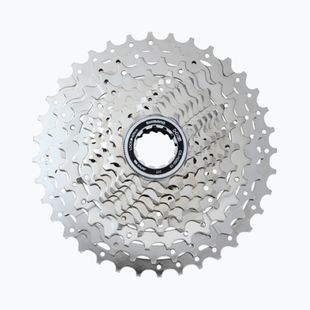 Extra -10% with the code EXTRAShimano CS-HG50 10-speed bicycle cassette 11-36€33.99€30.59Lowest price: €32.29
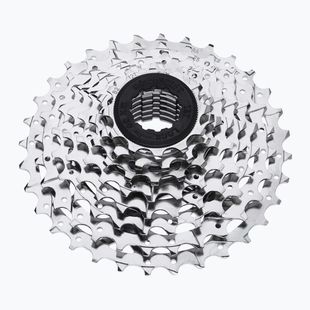
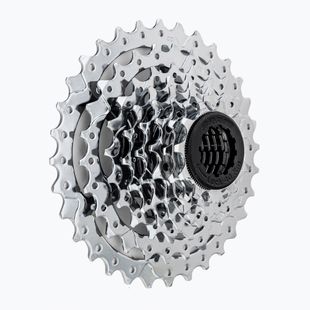 Extra -5% with the code EXTRASRAM 07A CS PG-850 11-32 8 Speed bicycle cassette silver 00.0000.200.396€26.99€25.64Lowest price: €22.94


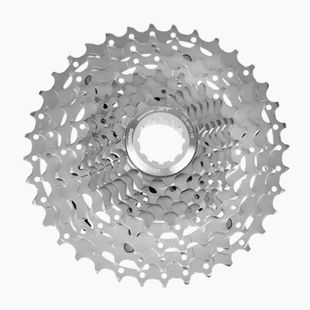
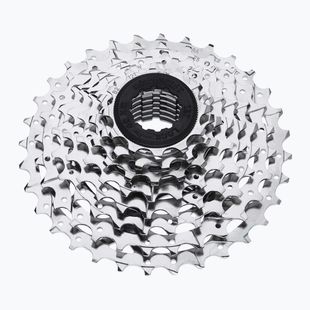
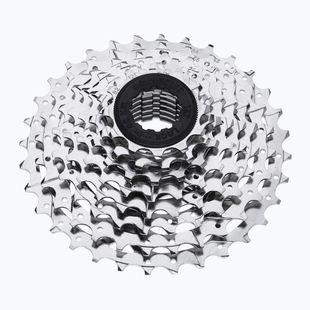
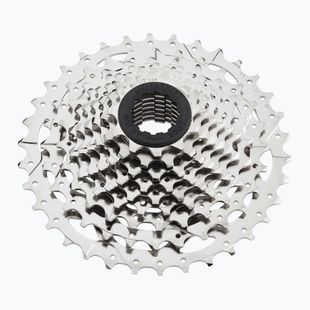
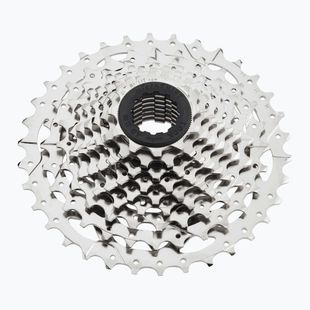
Cassettes
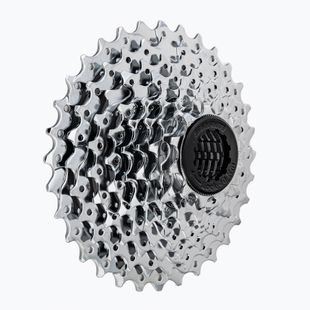
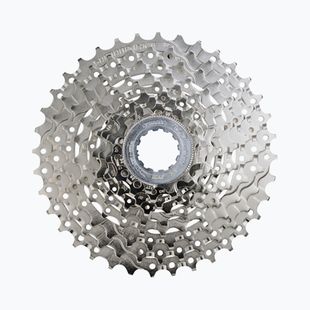
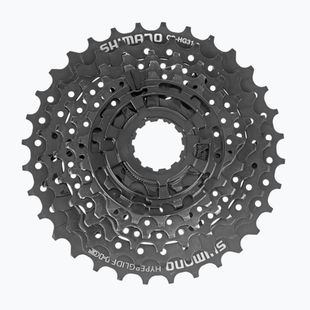
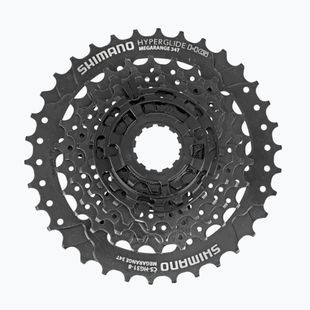
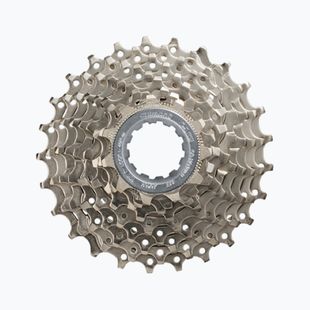
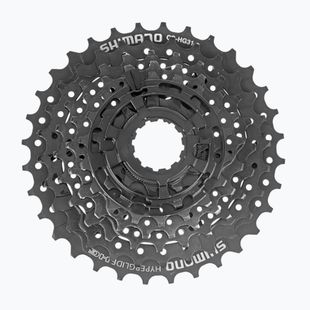
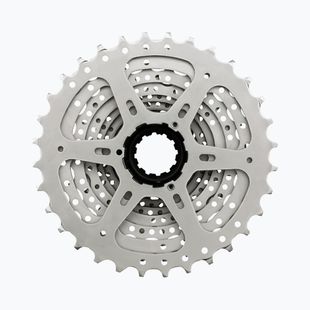
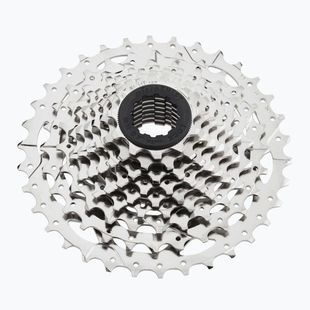
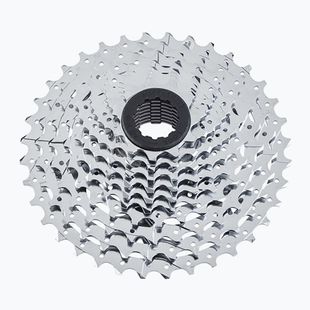
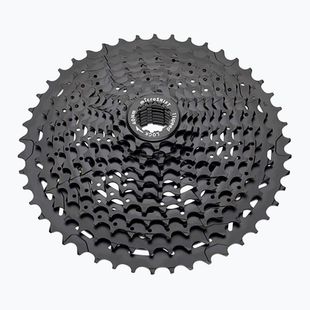
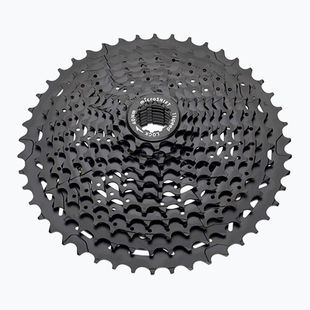
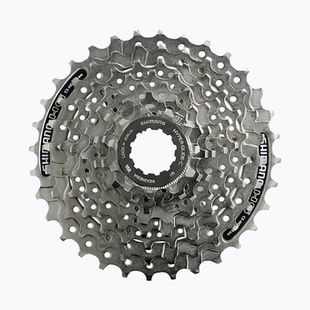
bicycle cassettes on offer at the Sportano shopA cassette is an integral component of any multi-speed bicycle, consisting of a series of cogs mounted on a freewheel in the rear axle hubs. Each of these sprockets represents different gear ratios, allowing cyclists to vary their pedalling resistance depending on the terrain. Cassettes are built to work in conjunction with the bicycle chain, transmitting power from the crank to the wheel.Differences between cassettes and freewheelsCassettes and freewheels are two different power transmission systems on bicycles that, although they perform similar functions, differ in design, installation and sometimes purpose.
At first glance the two may look very similar, as they both consist of a set of gears. However, when you look closer, the differences become more apparent.
A freewheel is a unitary component that integrates both the sprockets and the freewheel mechanism into a single component. It is an older system used mainly on city, touring or older mountain bikes. One of the main characteristics of the freewheel is that the bearings on which the hub rotates are inside it. This means that the pressures and loads of riding are transferred directly to these bearings, which can lead to faster wear. When any part of the freewheel wears out, the entire unit usually needs to be replaced.
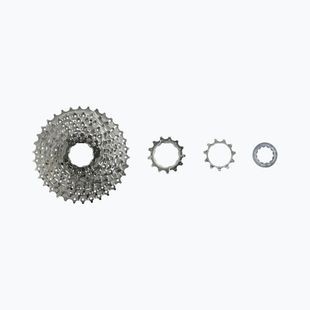
A cassette, on the other hand, is a set of gears that are mounted on what is known as a hub freewheel. In this system, the hub bearings are separate from the gears, which can contribute to a longer service life. The main advantage of cassettes is their modularity. You can easily swap individual sprockets as required, which is not possible with freewheelers. Cassettes are common on modern road bikes, MTBs and many other types of bicycles.Types of cassettes: from mountain to roadBicycle cassettes, an integral part of modern bicycle drive systems, vary according to their application. Choosing the right cassette affects the performance, comfort and quality of the ride.
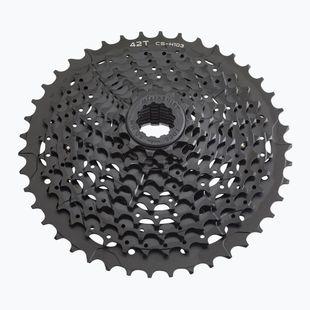
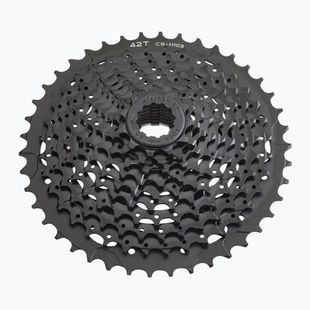
Mountain (MTB) cassettes are designed for varied, rough mountain trails. They feature a wider range of gear ratios, allowing riders to climb steep hills with ease, as well as pedal efficiently on flat sections and descents. Many MTB cassettes even have a 'mega-tooth' - a very large sprocket for climbing particularly steep slopes. They usually have a higher number of sprockets (e.g. 11, 12 or even 13) compared to traditional road cassettes.
Road cassettes, on the other hand, focus on efficiency and gearing precision. They are optimised for riding on flat and level roads, where speed and regularity of cadence are key. Road cassettes have fewer cogs compared to their mountain counterparts, but the cogs are positioned closer together, allowing for smoother gear changes and maintaining a consistent speed.
In recent years, 'gravel' cassettes, a sort of combination of road and mountain cassettes, have been growing in popularity. Designed with versatility in mind, they allow comfortable riding on both gravel and tarmac roads, offering a wide range of gear ratios.
Regardless of type, bicycle cassettes also differ in the number of cogs, material of construction (e.g. steel or titanium) and compatibility with different drive systems. Choosing the right cassette depends on the rider's individual needs, the type of bike and the preferred riding style.
Collapse the description